
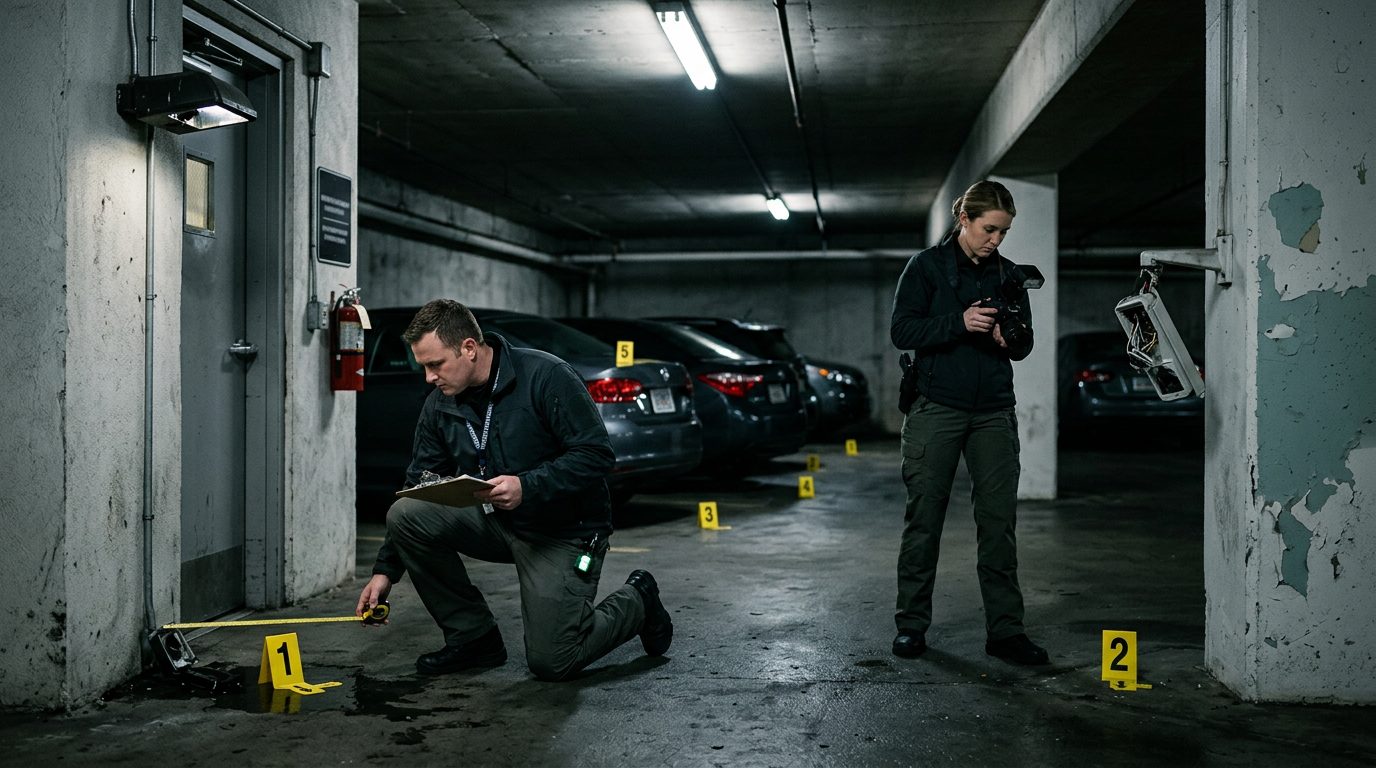
Premises Liability | Kennesaw, Georgia
Injured on Someone Else's Property in Kennesaw?
If you've been hurt due to unsafe conditions or negligent security, Slam Dunk Attorney is here to help you understand your rights and pursue fair compensation.
By Peter F. Jaraysi · Published September 30, 2026
Premises Liability in Kennesaw, Georgia: What Property Owners Owe You
Premises liability is the legal responsibility a property owner bears when someone is injured due to an unsafe or hazardous condition on their property. Under Georgia law, property owners must maintain reasonably safe premises and warn visitors of known dangers. If they fail to do so and you’re injured as a result, you may have the right to seek compensation.
This guide explains what premises liability covers, how Georgia courts apply it, and what steps to take if you’ve been hurt on someone else’s property in Kennesaw.
If you've been injured on someone else's property in Kennesaw and aren't sure whether the owner bears responsibility, reach out to discuss what happened—people in your situation contact us regularly. Talk it through with our team — the first consultation is free, confidential, and carries no obligation.
What Is Premises Liability in Georgia?
Premises liability is a property owner’s legal duty to keep their property in safe condition for visitors and guests. Georgia law holds property owners responsible for injuries caused by unsafe or hazardous conditions—whether on a commercial building, apartment complex, retail store, or private residence.
The duty varies depending on your status as a visitor. Georgia recognizes three categories:
- Invitees (customers, business guests, invited visitors): Property owners owe the highest duty of care. They must inspect the property regularly, discover hazards, and either fix them or warn visitors.
- Licensees (social guests, people with permission to be there): Property owners must warn of known hazards but don’t have to inspect as thoroughly.
- Trespassers: Property owners owe minimal duty, though they cannot intentionally harm trespassers.
Most injury claims in Kennesaw involve invitees—people injured while shopping, dining, or visiting a business. As an invitee, you’re entitled to expect that the property owner has taken reasonable steps to keep you safe.
What Falls Under Premises Liability?
Premises liability covers a wide range of unsafe conditions and hazards. Common types include:
- Slip and fall accidents: wet floors, spilled liquids, debris, poor housekeeping
- Unsafe stairs and railings: broken steps, missing handrails, defective construction
- Inadequate lighting: dark parking lots, hallways, stairwells, or common areas
- Negligent security: lack of locks, cameras, security personnel, or lighting that allows assault, theft, or other crimes
- Broken or defective equipment: malfunctioning elevators, escalators, doors, or fixtures
- Lack of maintenance: deteriorating structures, hazardous landscaping, potholes, or debris
- Dangerous conditions from poor repair: exposed wiring, gas leaks, mold, or structural damage
- Foreseeable risks: conditions that a reasonable property owner should anticipate and prevent
Is Premises Liability the Same as Slip and Fall?
No—slip and fall is one type of premises liability claim, not the same thing. Premises liability is the broader legal concept. All slip-and-fall injuries are premises liability claims, but not all premises liability injuries involve slipping or falling.
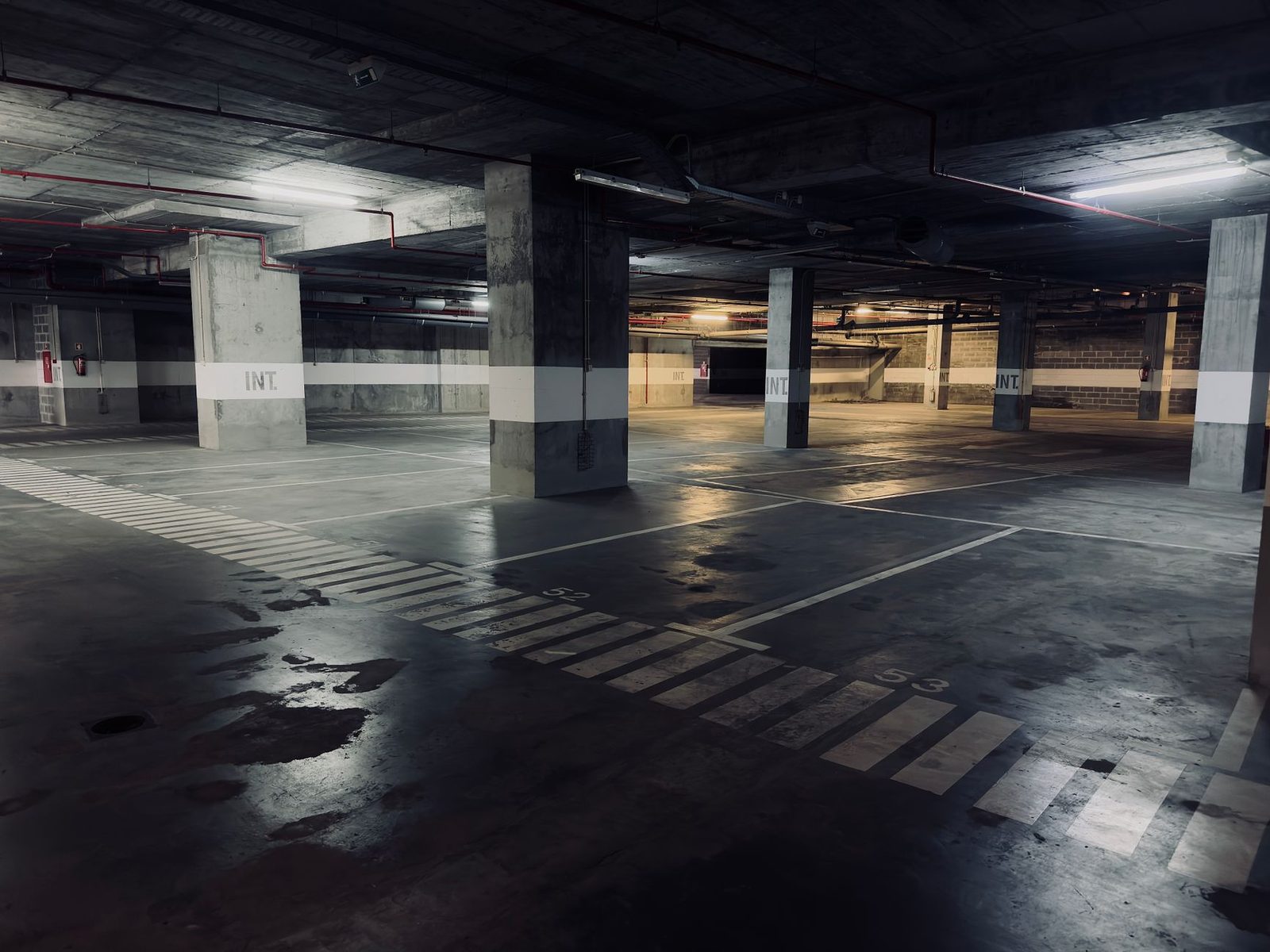
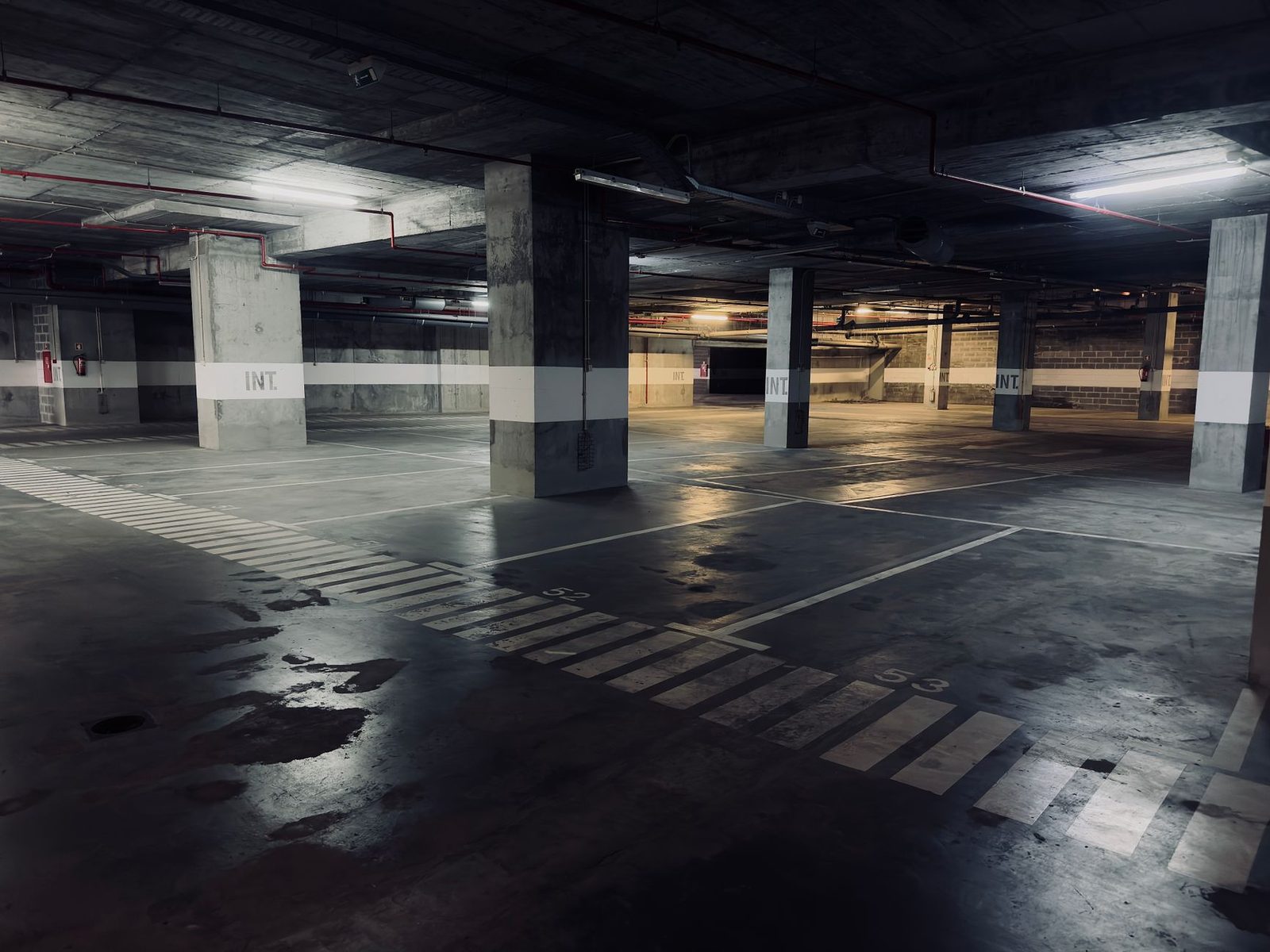
A customer who slips on a wet floor in a Kennesaw grocery store has a slip-and-fall premises liability claim. A visitor who is assaulted in a parking garage due to inadequate lighting and no security has a negligent security premises liability claim. A tenant injured by a failing balcony railing has a premises liability claim based on defective structure—not a slip or fall.
Understanding this distinction matters because it affects how your case is investigated and what evidence is needed to prove liability.
What Are Some Examples of Premises Liability Cases?
Real-world premises liability injuries in Kennesaw include:
- A customer slips on spilled liquid in a retail store and fractures a hip.
- A visitor trips on a broken stair at an apartment complex and suffers a head injury.
- A person is assaulted in a parking garage due to broken lights and no security presence.
- A tenant is injured when a balcony railing fails due to years of poor maintenance.
- A guest is struck by falling debris or signage because the property owner failed to inspect.
- A visitor is injured by a defective handrail or door that the owner knew was broken.
In each case, the injured person may have a claim if the property owner knew (or should have known) about the hazard and failed to fix it or warn of it.
The Legal Framework Georgia Courts Apply to Property Owner Liability
Georgia courts examine several factors when deciding whether a property owner is liable:
Did the owner know or should they have known about the hazard? Property owners have a duty to inspect their property regularly. Georgia law holds them responsible not only for hazards they actually knew about, but also for conditions they should have discovered through reasonable inspection.
Did the owner have a reasonable opportunity to fix the hazard or warn of it? If the hazard existed for a long time and the owner did nothing, liability is stronger. If the hazard appeared moments before your injury and the owner had no reasonable chance to discover it, liability may be weaker.
The “open and obvious” defense. Property owners sometimes argue that a hazard was so obvious that you should have noticed and avoided it. Georgia courts do recognize this defense, but it is not automatic. The courts examine whether the hazard was truly obvious, whether you had a reasonable opportunity to avoid it, and whether the property owner still had a duty to warn or remedy it. A wet floor in a dimly lit hallway, for example, may not be “open and obvious” even if it would be obvious in bright daylight.
Was the condition foreseeable? If a property owner could reasonably foresee that a condition might cause injury, they have a duty to address it. Inadequate lighting in a high-crime area, for example, creates a foreseeable risk of assault.
Not sure what your next step is?
Talk it through with our team — the first consultation is free, confidential, and carries no obligation.
What Property Conditions Create Premises Liability Claims in Kennesaw?
Specific hazards that commonly lead to premises liability claims include:
- Wet or slippery floors without warning signs or caution tape
- Spilled food, grease, or liquids left unattended
- Cracked, broken, or uneven flooring or pavement
- Missing or broken handrails on stairs or ramps
- Poor or absent lighting in parking areas, stairwells, or common spaces
- Inadequate security (broken locks, no cameras, no staff) in areas where crime is foreseeable
- Unmaintained landscaping, overgrown vegetation, or low-hanging branches
- Defective doors, windows, or fixtures that fail unexpectedly
- Conditions that violate building codes or safety regulations
- Exposed hazards like open pits, machinery, or electrical hazards
What If the Property Owner Blames a Contractor or Third-Party Maintenance Company?
A property owner cannot escape liability by hiring a contractor. Under Georgia law, the property owner remains responsible for maintaining safe premises, even when they delegate maintenance work to someone else.
If a contractor’s negligence causes your injury—for example, a maintenance company fails to repair a broken stair—the property owner is still liable to you. Georgia courts examine whether the owner exercised reasonable supervision and selected a qualified contractor, but these factors don’t eliminate the owner’s responsibility.
You may have claims against both the property owner and the contractor, depending on the facts. An experienced attorney can identify all liable parties and pursue recovery from each.
Does It Matter That I Did Not Report the Injury to the Store Manager Before Leaving?
Georgia law does not require you to report an injury immediately as a condition of your right to sue. Failure to report does not eliminate your claim.
However, prompt reporting strengthens your case. When you report an incident at the time, it creates a documented record. This record helps prove that the hazard actually existed at the time of your injury and that the property owner knew about it. If you don’t report immediately, the owner may clean up the hazard or make repairs, and later claim the condition never existed.
What you should do: Seek medical attention promptly. Report the incident to the property owner, manager, or staff as soon as you’re able, and ask them to document it in writing. Take photographs of the hazard, your injuries, and the scene if possible. Collect contact information from witnesses. Keep all medical records and receipts. The sooner you act, the stronger your claim becomes.
What to Do After a Serious Injury on Someone Else’s Property in Kennesaw
If you’re injured on someone else’s property, these steps protect your health and your legal rights:
- Seek immediate medical attention. Your health comes first, and medical records document your injuries.
- Report the incident. Tell the property owner, manager, or staff what happened and ask them to file an incident report.
- Document the scene. Take photographs of the hazardous condition, your injuries, and the surrounding area if you’re able.
- Collect witness information. Get the names and phone numbers of anyone who saw the incident or the hazard.
- Preserve evidence. Keep the clothing and shoes you wore. Don’t discard them or clean them.
- Keep records. Save all medical bills, receipts, and documentation of time away from work.
- Do not sign anything. Don’t sign waivers, liability releases, or settlement agreements without legal advice.
Why You Should Speak With a Premises Liability Attorney
Property owners and their insurance companies often dispute liability or downplay injuries. They may argue the hazard was “open and obvious,” that you were careless, or that they didn’t know about the condition.
An attorney who handles premises liability claims in Kennesaw can:
- Investigate thoroughly. We obtain the property’s maintenance records, prior complaints, safety violation reports, and inspection history.
- Identify all liable parties. Sometimes the property owner isn’t the only one responsible—contractors, security companies, or maintenance firms may share liability.
- Navigate Georgia law. Premises liability law is complex. We ensure your claim meets all legal requirements and deadlines.
- Counter insurance company tactics. Insurers may offer quick, low settlements. We negotiate on your behalf to pursue fair compensation for your injuries, medical costs, lost wages, and pain and suffering.
- Handle negotiations. Most premises liability claims settle through negotiation. We manage these discussions so you don’t have to face the insurance company alone.
If you've been injured on someone else's property in Kennesaw and aren't sure whether the owner bears responsibility, reach out to discuss what happened—people in your situation contact us regularly. Talk it through with our team — the first consultation is free, confidential, and carries no obligation.
Frequently Asked Questions
What is the statute of limitations for premises liability claims in Georgia?
Georgia law sets a two-year deadline to file a premises liability lawsuit from the date of your injury. After two years, you lose the right to sue, so it’s important to act promptly.
Can I still have a claim if I was partially at fault?
Georgia recognizes comparative negligence (shared fault). Even if you were partly responsible, you may still recover if the property owner was more at fault. An attorney can explain how this applies to your situation.
What damages can I recover in a premises liability claim?
You may seek compensation for medical expenses, lost wages, pain and suffering, permanent disability, and other losses caused by your injury. The amount depends on the severity of your injury and the strength of your case.
Do I need a lawyer for a premises liability claim?
You’re not required to hire an attorney, but it’s strongly advisable. Property owners and insurers have experienced legal teams. An attorney levels the playing field and protects your rights.
What if the property owner claims I assumed the risk by being there?
Georgia law does not allow property owners to escape liability simply because you chose to visit. Invitees do not assume the risk of hidden or unreasonably dangerous conditions.
If you’ve been injured on someone else’s property in Kennesaw and aren’t sure whether the owner bears responsibility, reach out to discuss what happened. People in your situation contact us regularly, and we’re here to help you understand your rights. Contact us for a free consultation to review the details of your injury.
Common Premises Liability Situations
Slip and Fall
Injuries from wet floors, broken stairs, uneven surfaces, or other hazardous conditions on a property owner's premises.
Negligent Security
Harm resulting from inadequate security measures, poor lighting, or failure to protect visitors from foreseeable criminal acts.
Dog Bites
Injuries caused by a dog on the owner's property when the owner knew or should have known of the animal's dangerous tendencies.
Unsafe Property Conditions
Injuries from defective equipment, falling objects, poor maintenance, or other dangerous conditions a property owner failed to address.
Why Choose Slam Dunk Attorney
Focused on Your Injury
We focus exclusively on personal injury cases across metro Atlanta and Georgia, including premises liability claims in Kennesaw and surrounding areas.
Plain-Language Guidance
We explain your rights and options in straightforward terms, so you understand what happened and what comes next.
No Upfront Fees
We work on a contingent fee basis—no fees unless there is a recovery. You may still owe certain case costs; we'll discuss this clearly upfront.
Ready to Listen
Call us for a free case review. We'll listen to what happened and help you decide your next steps.
Time Matters
Georgia law sets a two-year deadline to file a premises liability lawsuit from the date of your injury. After that window closes, you lose the right to pursue a claim. Acting promptly protects your ability to seek compensation.
Key Questions About Premises Liability
What does a property owner owe me?
Property owners have a legal duty to maintain reasonably safe conditions and warn visitors of known hazards. If they breach that duty and you're injured as a result, you may have a claim.
Does it matter if I was partly at fault?
Georgia recognizes comparative negligence. Your recovery may be reduced if you share some responsibility, but you may still pursue a claim—unless you are found to be 50% or more at fault.
What compensation might I recover?
Premises liability claims can cover medical expenses, lost wages, pain and suffering, and other damages. The value depends on the specifics of your injury and circumstances.
How do I get started?
Contact Slam Dunk Attorney for a free consultation. We'll review what happened, explain your options, and answer your questions—no obligation.
Ready to Discuss Your Claim?
Related practice areas
- Premises Liability Lawyer in Georgia: Injured on Someone Else’s Property