
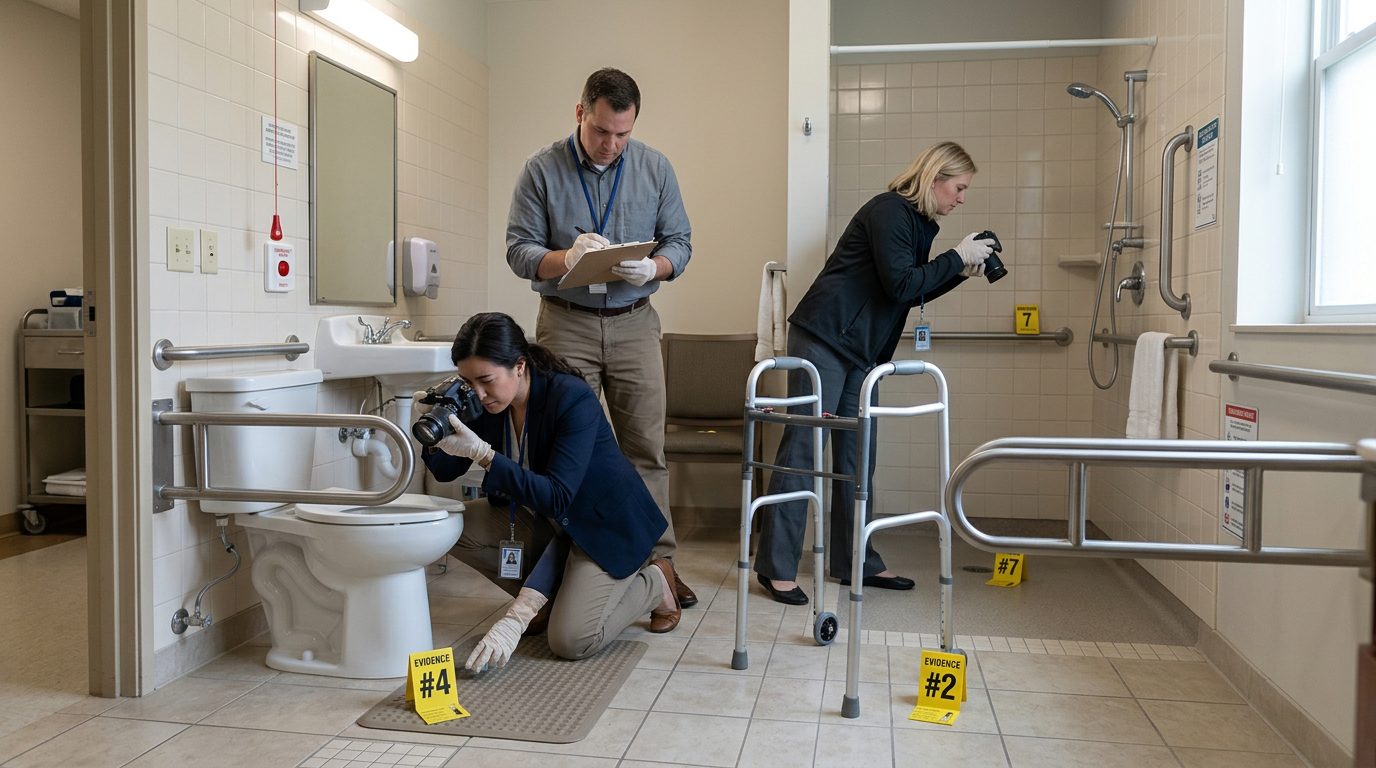
Nursing Home Injury | Georgia
When a Nursing Home Fall Causes Serious Injury
Facilities have a duty to protect residents from preventable falls. If negligence led to your loved one's injury, you deserve answers.
By Peter F. Jaraysi · Published September 26, 2026
Nursing Home Fall Injury Liability in Georgia
A fall at a nursing home may be an accident—or it may result from the facility’s failure to meet its legal duty to keep residents safe. Understanding the difference is the first step in determining whether your loved one’s injury was preventable and whether the facility bears responsibility.
If your loved one fell at a nursing home and you're trying to understand whether the facility may have been negligent, reach out—families in your situation contact us regularly to discuss what happened. Talk it through with our team — the first consultation is free, confidential, and carries no obligation.
Why Nursing Home Falls Matter Legally
Falls are among the most common injuries in nursing homes and assisted living facilities. The Centers for Medicare & Medicaid Services (CMS) tracks fall incident rates as part of federal quality reporting for all certified facilities. But not every fall is the facility’s fault. The key question is whether the facility knew—or should have known—that a resident faced a specific fall risk and failed to take reasonable steps to prevent it.
A nursing home fall injury liability case turns on this distinction: Did the facility breach its legal duty of care, or did the resident simply have an accident despite reasonable precautions?
The Legal Duty Nursing Homes Owe Residents
Georgia law requires nursing homes and assisted living facilities to maintain premises in a reasonably safe condition and to assess each resident’s individual fall risk. This duty is grounded in Georgia’s general negligence law and applies to all care facilities, whether licensed as nursing homes or assisted living communities.
Specifically, facilities must:
- Assess fall risk based on each resident’s medical history, mobility level, medications, and cognitive status
- Develop individualized care plans that document identified fall risks and the steps the facility will take to address them
- Maintain a safe environment free from hazards like wet floors, poor lighting, missing handrails, and broken equipment
- Provide appropriate supervision based on the resident’s needs and known vulnerabilities
- Ensure staff training in fall prevention, proper transfer techniques, and resident mobility assistance
The legal standard is not to prevent all falls. Instead, facilities must exercise reasonable care given what they knew or should have known about the resident’s condition and capabilities.
Common Conditions That Create Nursing Home Fall Liability
Nursing home fall liability often arises from one or more of these preventable failures:
Inadequate supervision. A resident known to be at high risk of falling is left unattended or without appropriate monitoring during vulnerable times—such as at night, during toileting, or when moving between locations.
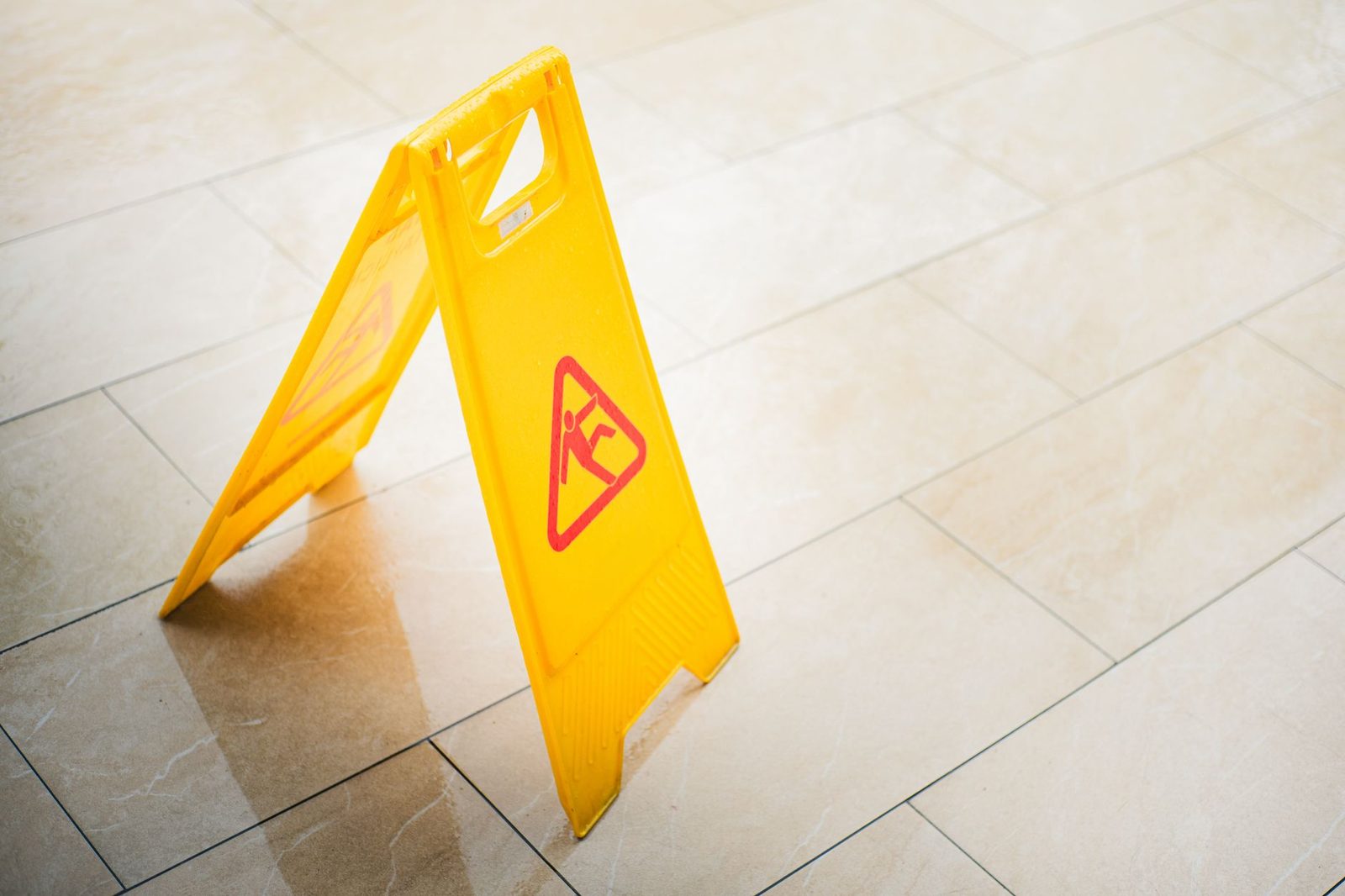
Environmental hazards. Wet floors without warning signs, hallways with poor lighting, cluttered walkways, missing or broken handrails, or equipment in disrepair create unnecessary fall risks.
Medication management failures. Medications known to increase fall risk—such as sedatives, blood pressure medications, or pain relievers—are prescribed or administered without appropriate safeguards or monitoring.
Failure to use assistive devices. A resident who needs a walker, cane, or grab bars doesn’t have access to them, or staff fails to ensure the resident uses them consistently.
Lack of fall prevention protocols. The facility has no documented assessment of fall risk for a particular resident, or no care plan addressing that risk.
Inadequate staff training. Staff are untrained in proper transfer techniques, how to assist residents with mobility, or how to recognize and respond to fall hazards.
Failure to respond to known risks. The facility is aware of a resident’s high fall risk but takes no preventive action or documents no plan to address it.
How Georgia Courts Determine Nursing Home Responsibility
Georgia courts apply a reasonable care standard to nursing home fall cases. The question is: Would a reasonably prudent facility, knowing what this facility knew about the resident, have foreseen the risk and taken steps to prevent it?
Courts examine:
- What the facility knew about the resident’s medical condition, mobility, medications, and prior falls
- The facility’s own policies and care plans for that resident
- Training records and incident reports showing how the facility documented and responded to fall risks
- Expert testimony establishing the standard of care in the nursing home industry and whether this facility fell short
- The resident’s own actions — if a resident ignored staff instructions or deliberately took an unsafe action, that may reduce or eliminate the facility’s liability
The facility’s documentation is critical. If the facility failed to assess fall risk, document it, or create a care plan addressing it, that silence often speaks louder than any explanation.
What You’ll Need to Establish Liability
To build a nursing home fall injury liability claim, families and their legal team typically gather:
- Medical records showing the resident’s fall risk factors, prior falls at the facility, and injuries caused by the fall
- The facility’s care plan and risk assessments for that resident
- Incident reports, maintenance logs, and safety inspection records from the facility
- Staff training and certification records showing what training staff received
- Witness statements from staff, other residents, or family members present
- Medical evidence of the injuries and their severity
- Expert analysis comparing the facility’s actions to industry standards and federal nursing home regulations
Preserving this evidence quickly is critical. Facilities may alter or dispose of records over time, so requesting incident reports and care plans promptly protects your ability to investigate.
Not sure what your next step is?
Talk it through with our team — the first consultation is free, confidential, and carries no obligation.
Defenses Nursing Homes Often Raise
Nursing homes typically defend fall cases by arguing:
- The fall was unavoidable despite reasonable precautions
- The resident’s own actions or decisions caused the fall
- The resident did not follow staff instructions or warnings
- The resident’s medical condition (such as sudden loss of consciousness) made the fall unforeseeable
- The facility had appropriate safeguards in place and the fall was an isolated incident
Understanding these defenses helps you assess whether the facility’s explanations are credible or whether they’re deflecting responsibility for preventable negligence.
The Difference Between a Fall and a Negligent Fall
Not every fall in a nursing home is the facility’s fault. Residents in care facilities are at higher risk of falling due to age, illness, mobility challenges, and medication side effects. Some falls happen despite reasonable precautions.
A negligent fall occurs when the facility knew or should have known of a specific risk and failed to take reasonable steps to prevent it. The question is not whether a fall happened, but whether the facility breached its duty of care in a way that made the fall more likely or more severe.
For example: – A resident with a documented history of falls and balance problems falls while walking to the bathroom at night without assistance—and the facility had no night supervision protocol. That’s negligence. – A resident with no known fall risk slips on a wet floor during a one-time cleaning incident. That’s likely an accident. – A resident on medications known to cause dizziness falls, and the facility never documented the medication’s side effects or implemented fall precautions. That’s negligence.
Frequently Asked Questions
What is the standard of care nursing homes must meet?
Nursing homes must exercise reasonable care to assess each resident’s fall risk and take preventive steps based on what they knew or should have known about that resident’s condition and capabilities.
How do I know if a nursing home is liable for my loved one’s fall?
Liability depends on whether the facility knew of a specific fall risk, failed to take reasonable precautions to prevent it, and that failure contributed to the fall and injury.
Can a nursing home be held responsible if a resident falls despite precautions?
No—if the facility took reasonable steps to prevent the fall and the resident’s own actions or an unforeseeable medical event caused it, the facility is not liable.
What should I do immediately after a loved one falls in a nursing home?
Document the incident, take photographs of the location if possible, request the facility’s incident report, preserve all medical records, and consult with someone experienced in nursing home liability.
How long do I have to file a claim?
Georgia law sets time limits for personal injury claims. Contacting an attorney promptly ensures you don’t miss important deadlines.
If your loved one fell at a nursing home and you’re trying to understand whether the facility may have been negligent, reach out to discuss what happened. Families in your situation contact us regularly to review the facts, examine the facility’s records, and determine whether a claim may be possible.
Know the Standard
Georgia law requires nursing homes to exercise reasonable care to assess each resident's fall risk and take preventive steps based on what they knew or should have known about that resident's condition and capabilities.
What Makes a Nursing Home Liable for a Fall?
Failure to Assess Risk
The facility did not properly evaluate your loved one's fall risk, mobility, balance, or medication side effects that increase fall danger.
Inadequate Supervision
Staff did not provide appropriate monitoring or assistance, especially for residents known to be at high risk of falling.
Unsafe Environment
The facility failed to maintain safe conditions—poor lighting, missing handrails, clutter, wet floors, or broken equipment—that contributed to the fall.
Lack of Preventive Measures
The home did not implement reasonable safeguards such as bed alarms, mobility aids, appropriate footwear, or regular toileting schedules.
How We Help
Thorough Investigation
We examine medical records, facility policies, incident reports, and staff training to identify what the nursing home knew and what it failed to do.
Clear Explanation of Your Claim
We explain in plain language whether the facility's conduct fell short of the standard of care and what your options are.
Compassionate Guidance
We understand how frightening and frustrating a serious fall injury can be. We listen to your family's concerns and work to hold the facility accountable.
Direct Access
You speak with our team about your loved one's case—not an answering service. We're here to answer your questions.