
Nursing Home Abuse | Georgia
Nursing Home Abuse in Georgia: Know Your Rights & Legal Options
If your loved one has been harmed in a nursing home, you have the right to seek accountability. Slam Dunk Attorney represents families across Georgia.
By Peter F. Jaraysi · Published September 14, 2026
Nursing Home Abuse: Know Your Rights and Legal Options in Georgia
Nursing home abuse is intentional or reckless harm—physical, emotional, sexual, or financial—inflicted on a resident by staff, other residents, or through gross neglect of their care needs. Unlike ordinary negligence, abuse often involves deliberate misconduct or willful indifference to a resident’s safety and dignity. If you suspect your loved one is being mistreated in a Georgia nursing home, assisted living facility, or rehabilitation center, understanding what constitutes abuse, how to recognize it, and what legal remedies exist can help you protect them and hold the facility accountable.
Not sure what your next step is?
Talk it through with our team — the first consultation is free, confidential, and carries no obligation.
What Is Nursing Home Abuse?
Nursing home abuse encompasses intentional harm or reckless disregard for resident safety, distinguishing it from simple negligence (failure to meet a standard of care). Abuse can take many forms: physical violence, emotional cruelty, sexual assault, theft or financial exploitation, and severe neglect. The key difference is intent or recklessness—a staff member who strikes a resident, isolates them from family, or deliberately withholds medication is committing abuse; a facility that fails to hire enough staff to prevent falls may be negligent, but if that understaffing is so severe it shows indifference to resident welfare, it may rise to abuse or gross negligence.
Nursing homes, assisted living facilities, memory care units, and rehabilitation centers are all regulated settings where residents depend on staff for their most basic needs. That dependency creates a legal duty (called a duty of care) for the facility to protect residents from harm. When a facility breaches that duty through abuse or reckless neglect, it becomes legally liable for the harm that results.
Types of Nursing Home Abuse and Neglect
Nursing home abuse and neglect take many forms, each with serious consequences for residents and legal implications for facilities.
Physical Abuse includes hitting, slapping, pushing, rough handling, inappropriate use of restraints, and improper medication administration. Residents may sustain bruises, fractures, burns, or head injuries. In the catastrophic-injury cases our attorneys handle, we’ve seen residents suffer lasting pain, disability, and psychological trauma from physical mistreatment.
Emotional and Psychological Abuse involves intimidation, humiliation, isolation from family, verbal threats, and deliberate cruelty. Residents may withdraw, become depressed or anxious, or develop fear of staff members. This abuse is often invisible to outsiders but deeply damaging to mental health and quality of life.
Sexual Abuse includes unwanted sexual contact, assault, or exploitation by staff or other residents. Vulnerable residents with dementia or cognitive decline cannot consent and are at heightened risk. Sexual abuse is both a criminal matter and grounds for civil liability.
Financial Exploitation occurs when staff or facilities misuse a resident’s money, coerce changes to wills or powers of attorney, steal personal items, or charge unauthorized fees. Families often discover unexplained withdrawals, missing funds, or sudden changes to financial or legal documents.
Neglect is the failure to provide food, water, hygiene, medication, medical care, or adequate supervision. Neglect can be passive (staff simply ignoring a resident’s needs) or active (deliberately withholding care). Severe neglect can result in malnutrition, dehydration, infections, pressure sores, and death.
Medical Neglect includes medication errors, failure to treat health conditions, failure to prevent falls or infections, and ignoring complaints of pain. Residents may develop preventable complications or suffer harm from improper medication administration.
Warning Signs Your Loved One May Be Experiencing Abuse
Families are often the first to notice something is wrong. Trust your instincts if you observe any of these warning signs:
- Unexplained injuries: bruises, burns, fractures, lacerations, or bite marks without a clear explanation from staff
- Sudden behavioral changes: withdrawal, fear, aggression, depression, anxiety, or personality shifts
- Poor hygiene and appearance: soiled clothing, matted hair, overgrown nails, or signs of neglect
- Weight loss or malnutrition: signs of inadequate food or water
- Torn or stained clothing: suggesting poor personal care or rough handling
- Unexplained financial changes: missing money, unauthorized withdrawals, sudden changes to wills or powers of attorney
- Medication errors or over-medication: confusion, drowsiness, or complaints that medications aren’t being given correctly
- Pressure sores (bedsores): red, open, or infected areas on the skin caused by prolonged immobility and inadequate care
- Infections or untreated medical conditions: signs that medical care is being withheld or delayed
- Reluctance to discuss facility care: your loved one becomes evasive or fearful when asked about daily life
- Fear of specific staff members: visible anxiety or distress when certain people are present
- Isolation from family: restricted visiting, staff discouraging contact, or your loved one being unavailable during visits
- Complaints of pain, discomfort, or mistreatment: direct statements (if your loved one can communicate) that they are being hurt or neglected
Any combination of these signs warrants investigation. Document what you observe, including dates, times, specific injuries or behaviors, and any statements from your loved one or witnesses.
Why Nursing Home Abuse Happens
Understanding the root causes of abuse helps explain why it occurs and why facilities bear legal responsibility.
Understaffing and inadequate training are among the most common drivers. Facilities cut costs by hiring too few staff, paying low wages, and providing minimal training. Overwhelmed, undertrained workers may resort to shortcuts, physical restraint, or medication overuse to manage residents. Georgia law recognizes that facilities have a duty to maintain adequate staffing and provide proper training; understaffing that endangers residents is a basis for liability.
Lack of oversight and accountability allows abuse to continue. Facilities with weak internal policies, poor supervision, and failure to investigate complaints create environments where misconduct goes unchecked. Regulatory agencies like the Georgia Department of Public Health inspect facilities and maintain complaint records, but gaps in oversight persist.
High staff turnover means inexperienced, poorly supervised workers are frequently in positions of trust. Background checks may be inadequate, and hiring practices may fail to screen out individuals with histories of abuse.
Failure to report or investigate complaints by management enables abuse to escalate. When staff or family members report suspected abuse and the facility ignores or minimizes the report, the facility becomes complicit.
Vulnerable residents are at higher risk. Residents with dementia, cognitive decline, limited communication ability, or severe disability cannot easily report abuse or defend themselves. Predatory staff may target these residents precisely because they are less likely to be believed or to report.
Institutional indifference—a culture that prioritizes profit over resident safety—creates the conditions for abuse. When a facility’s leadership views residents as a burden rather than people deserving dignity and care, abuse becomes normalized.
Legal Liability for Nursing Home Abuse in Georgia
Georgia law provides multiple grounds for holding a nursing home liable for abuse and neglect.
Duty of Care: Nursing homes have a legal obligation to protect residents from harm. This duty includes providing adequate supervision, hiring and training competent staff, maintaining safe premises, and responding to complaints.
Negligence: A facility breaches its duty when it fails to supervise staff, fails to train staff properly, hires or retains staff with known histories of abuse, or fails to maintain safe conditions. Negligence is the foundation of most nursing home abuse claims.
Premises Liability: Facilities are responsible for unsafe conditions that enable abuse, including inadequate security, poor lighting, lack of surveillance, and failure to separate aggressive residents from vulnerable ones.
Vicarious Liability: Facilities may be held responsible for the misconduct of their employees, even if management didn’t directly authorize or know about the abuse. The facility’s liability stems from the employment relationship and its duty to supervise.
Negligent Hiring and Retention: Facilities are liable if they hire or keep staff with known histories of abuse, violence, or misconduct. If a staff member has prior complaints or convictions related to abuse and the facility hired or retained them anyway, the facility is directly liable for resulting harm.
Breach of Contract: Facilities enter into care agreements with residents and families. Abuse or severe neglect may constitute a breach of the facility’s contractual obligations.
Wrongful Death: When abuse or neglect contributes to a resident’s death, families can pursue a wrongful death claim under Georgia law. These claims allow recovery for loss of companionship, funeral expenses, and other damages.
Have questions about what happened?
Ask our team directly. The first conversation is free, confidential, and there is no obligation to continue.
How to Report Nursing Home Abuse
Reporting suspected abuse creates an official record, triggers investigations, and protects other residents. Here’s how to report:
Contact the facility directly: Report to the administrator, compliance officer, or management. Document your report in writing (email is fine) and keep a copy. Note the date, time, person you spoke with, and what you reported.
Georgia Department of Public Health: This agency regulates nursing homes and investigates complaints. You can file a complaint online or by phone. The agency maintains records and can inspect the facility.
Adult Protective Services (APS): APS investigates abuse of vulnerable adults. Contact your local APS office or call the statewide hotline.
Local law enforcement: For criminal abuse or immediate safety concerns, contact police or call 911.
Georgia State Long-Term Care Ombudsman: The ombudsman advocates for residents’ rights and can investigate complaints and help resolve disputes.
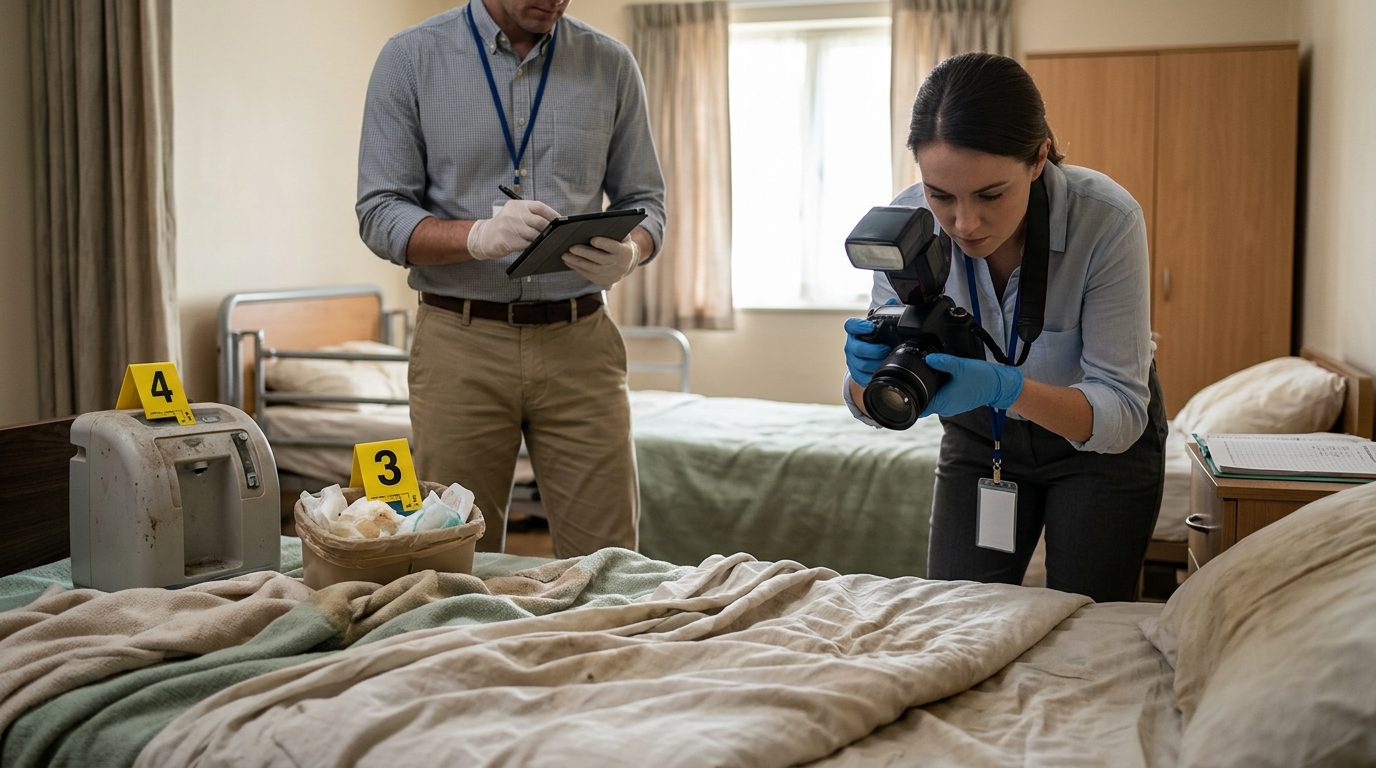
Document everything: Keep detailed records of incidents, dates, times, injuries, photographs (if possible), witness names, and all communications with the facility and authorities. This documentation is critical evidence if you later pursue legal action.
Reporting is not just about your loved one—it protects other residents and creates accountability.
Your Legal Options After Nursing Home Abuse
If your loved one has been abused or neglected, you have several legal and regulatory options.
Civil Lawsuit: You can sue the nursing home for damages. Grounds for suit include negligence, premises liability, breach of duty, and wrongful death. A successful lawsuit can result in compensatory damages (medical expenses, pain and suffering, emotional distress, lost wages) and, in cases of gross negligence or intentional conduct, punitive damages (damages designed to punish the facility and deter future misconduct).
Criminal Prosecution: Law enforcement may pursue criminal charges against individual staff members or, in some cases, the facility itself. Criminal cases are separate from civil lawsuits and are brought by the state, not by you.
Regulatory Action: State agencies may impose fines, sanctions, license restrictions, or license revocation against the facility.
Settlement Negotiations: Many cases are resolved through settlement discussions between your attorney and the facility’s insurance company or legal team. Settlements allow you to recover damages without the time and expense of trial.
Statute of Limitations: Georgia law sets time limits for filing lawsuits. Acting promptly preserves your rights and prevents evidence from being lost or destroyed.
What to Do If You Suspect Nursing Home Abuse
If you suspect abuse, take these steps immediately:
-
Trust your instincts: Unexplained changes in your loved one’s physical or mental condition warrant investigation.
-
Document everything: Write down dates, times, specific injuries or behaviors, statements from your loved one, and names of witnesses. Take photographs of injuries or conditions if possible (with your loved one’s consent).
-
Request medical records and incident reports: Nursing homes are required to maintain records. Request copies of your loved one’s medical records, medication administration records, incident reports, and any internal investigations related to complaints.
-
Speak with your loved one: If they can communicate, ask open-ended questions about their daily life, how they’re being treated, and whether they’re in pain or afraid. Listen carefully and take notes.
-
Talk to other residents and family members: Other families may have noticed similar problems. Shared observations strengthen the case for systemic abuse or neglect.
-
Report to authorities: File reports with the facility, Adult Protective Services, the Georgia Department of Public Health, and law enforcement as appropriate.
-
Consult with an attorney: Legal guidance helps you understand your options, preserve evidence, and protect your rights. An attorney can investigate the facility’s practices, staffing records, and regulatory history.
-
Do not delay: Evidence can disappear, memories fade, and time limits apply. Acting quickly is essential.
Why You Need an Attorney for Nursing Home Abuse Cases
Nursing home abuse cases are complex and require in-depth knowledge and resources.
Investigation: Attorneys investigate the facility’s staffing levels, hiring practices, training records, prior complaints, and regulatory history. This investigation often reveals patterns of neglect or abuse that individual families cannot uncover alone.
Expert testimony: Nursing home abuse cases often require testimony from medical experts (to establish causation and damages), nursing care standards experts (to establish the facility’s breach of duty), and economists (to calculate damages). Attorneys retain and coordinate these experts.
Medical causation: Proving that the facility’s abuse or neglect caused your loved one’s injuries or death requires medical experience. Attorneys work with doctors to establish this causal link.
Negotiation and litigation: Attorneys handle settlement discussions with facility insurers and their legal teams. If settlement fails, attorneys prepare and try the case in court.
Accountability: Pursuing legal action sends a message that abuse will not be tolerated. Judgments and settlements create incentives for facilities to improve practices and prevent future harm to other residents.
Emotional support and guidance: Families navigating abuse cases are often traumatized. Attorneys guide families through the legal process, explain options, and handle the stress of litigation so families can focus on their loved one’s recovery and well-being.
Want to know where you stand?
Tell us what happened and our team will walk you through the options available to you, at no cost.
Nursing Home Abuse Cases in Georgia and Metro Atlanta
Nursing home abuse and neglect occur in facilities across Georgia, including the metro Atlanta area and surrounding communities like Lawrenceville, Johns Creek, Alpharetta, Marietta, Norcross, Kennesaw, and Dunwoody.
The Georgia Department of Public Health regulates nursing homes and maintains inspection ratings and complaint records. Families can review facility compliance data and prior violations to assess quality and safety. Regulatory oversight is an important tool, but it is not a substitute for vigilance by families and legal action when abuse occurs.
Families in Georgia have pursued legal action to hold facilities accountable for abuse and neglect. These cases have resulted in settlements and judgments that compensated families for their loved one’s suffering and sent a message to the industry that abuse will not be tolerated.
Understanding your rights is the first step to protecting your loved one and ensuring that facilities meet their legal and ethical obligations.
Frequently Asked Questions About Nursing Home Abuse
Q: How long do I have to file a lawsuit?
A: Georgia law sets time limits (called statutes of limitations) for filing personal injury and wrongful death claims. Consult an attorney promptly to ensure your claim is filed within the deadline and your rights are preserved.
Q: Can I sue a nursing home if my loved one has passed away?
A: Yes. Wrongful death claims under Georgia law allow families to pursue damages when abuse or neglect contributes to a resident’s death.
Q: What damages can I recover?
A: Compensatory damages include medical expenses, pain and suffering, emotional distress, and lost wages. In cases of gross negligence or intentional conduct, you may also recover punitive damages.
Q: Do I need to report to authorities before filing a lawsuit?
A: Reporting to authorities is important for investigation and accountability, but you can pursue a civil lawsuit independently. In fact, reporting and litigation often proceed in parallel.
Q: What if the nursing home denies the abuse?
A: Attorneys investigate and gather evidence—medical records, witness statements, facility records, regulatory complaints, and expert testimony—to support your claim even when the facility denies wrongdoing.
Q: How long does a nursing home abuse case take?
A: Timeline varies. Some cases settle within months; others require litigation and may take one to three years or longer. Your attorney will explain the likely timeline based on the facts and circumstances.
Q: What is the difference between abuse and negligence?
A: Abuse involves intentional harm or reckless disregard for safety. Negligence is failure to meet a standard of care. Abuse may support punitive damages; negligence typically does not.
Q: Can I hold individual staff members liable, or only the facility?
A: You can pursue claims against both the facility and individual staff members, depending on the circumstances and applicable law.
If you’ve noticed unexplained injuries, sudden behavioral changes, weight loss, or signs of neglect in your loved one’s care, you may have grounds to hold that facility accountable for abuse or negligence. Families facing this situation can reach out to discuss what they’ve observed, what it means legally, and what steps come next—and our team is here to listen, investigate, and guide you through your options. Contact us for a free case review to discuss your loved one’s situation and learn how we can help.
Why Families Choose Slam Dunk Attorney
Focused on Nursing Home Cases
We focus exclusively on personal injury and wrongful death claims, including nursing home abuse. We understand the unique challenges families face.
Compassionate Representation
We treat your family with dignity and respect. Our goal is to hold negligent facilities accountable while you focus on your loved one's care.
Thorough Investigation
We investigate claims carefully, reviewing medical records, facility reports, and witness accounts to build a strong case.
Available When You Need Us
We're based in Duluth and serve families throughout metro Atlanta and Georgia. Contact us anytime for a free case review.
Time Matters
Georgia law sets time limits for filing nursing home abuse and wrongful death claims. Waiting too long can affect your ability to pursue justice. Contact us promptly to protect your rights.
Types of Nursing Home Abuse We Handle
Physical Abuse
Unexplained injuries, bruises, or signs of rough handling. We investigate and hold facilities accountable for harm to residents.
Neglect
Failure to provide proper care, medication, hygiene, or nutrition. Neglect can cause serious harm and suffering.
Emotional Abuse
Verbal threats, humiliation, or isolation. Emotional abuse can deeply affect a resident's mental and physical health.
Financial Exploitation
Unauthorized use of a resident's money or assets. We help families recover losses and prevent further harm.
What to Do If You Suspect Nursing Home Abuse
Document Everything
Keep detailed notes of injuries, behavioral changes, or concerning incidents. Take photos and save medical records and facility communications.
Report to Authorities
Contact your state's Department of Human Services or the facility's administrator. Report suspected abuse to create an official record.
Seek Medical Attention
Have your loved one examined by a physician outside the facility. Medical documentation is crucial for any claim.
Consult an Attorney
Contact Slam Dunk Attorney for a free case review. We'll explain your options and help you understand the next steps.
About Fees
We represent nursing home abuse clients on a contingency basis: no fees unless there is a recovery. You may still owe certain case costs. We'll discuss all fees and costs clearly during your free consultation.