
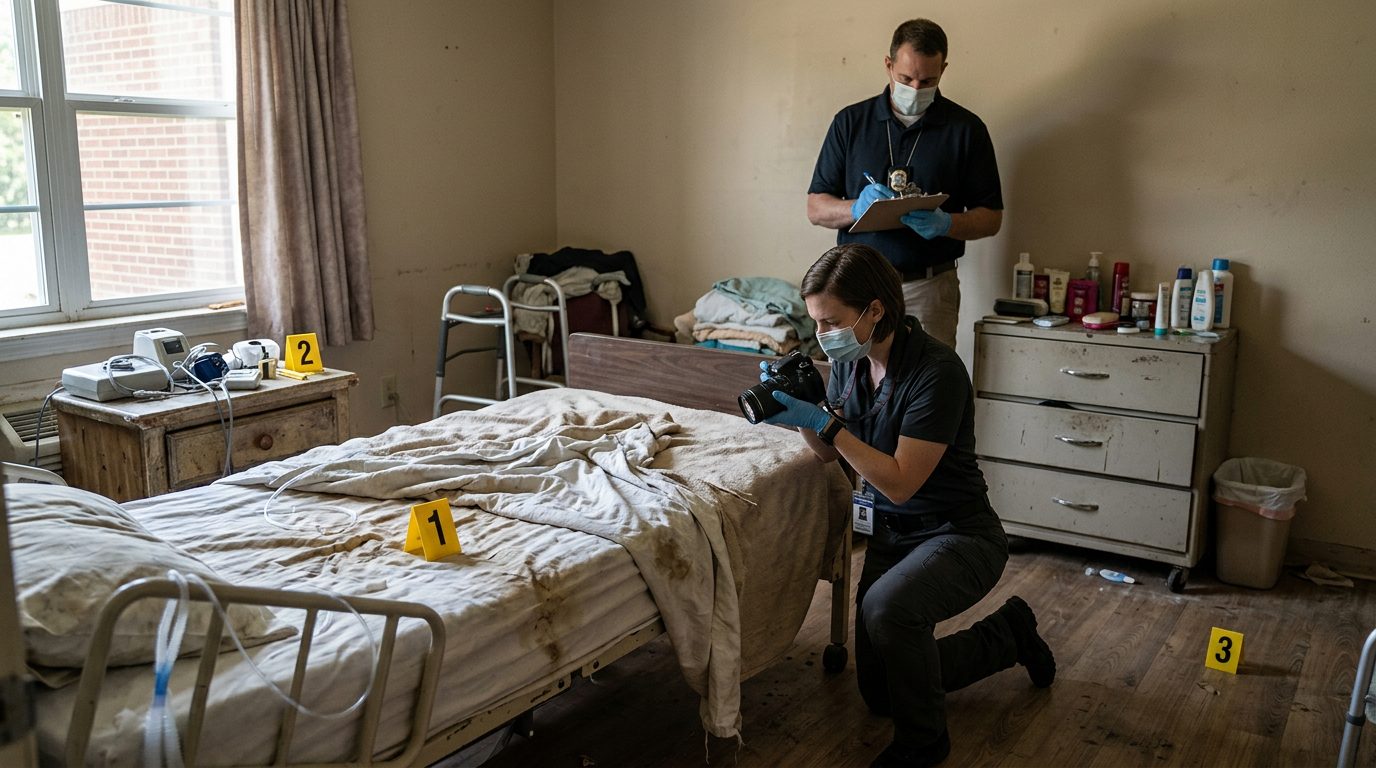
Nursing Home Abuse
When a Nursing Home Misuses a Resident's Money
Financial exploitation of vulnerable adults is a serious form of abuse. If you suspect a loved one's funds have been mishandled, we can help you understand what happened and explore your options.
By Peter F. Jaraysi · Published September 18, 2026
Nursing Home Financial Exploitation Claims in Georgia
Nursing home financial exploitation in Georgia is a form of elder abuse—and you can recover stolen or misappropriated funds through a civil claim. Unauthorized use of a resident’s money, property, or financial resources by facility staff, management, or others with access is both a legal violation and a betrayal of trust. If you’ve discovered missing funds, forged signatures, unauthorized charges, or other signs of financial abuse, you have legal options to hold the facility accountable and recover what was taken.
This guide walks you through what financial exploitation is, how to recognize it, what your claim can cover, and how the process works—so you can make an informed decision about protecting your loved one’s assets.
If you've noticed unexplained withdrawals, missing valuables, or suspicious transactions from a loved one's nursing home account, you may have a claim to recover those funds—and families in your situation can contact us to discuss what happened. Talk it through with our team — the first consultation is free, confidential, and carries no obligation.

What Is Nursing Home Financial Exploitation?
Financial exploitation occurs when someone uses a resident’s money, property, or financial resources without permission or for improper purposes. It’s a deliberate or reckless misuse of a resident’s assets by people in positions of trust or access.
Common Forms of Exploitation
- Unauthorized credit card charges – Staff or others use the resident’s card for personal purchases or services not rendered.
- Forged signatures on checks – Someone signs the resident’s name to withdraw funds without authorization.
- Theft of cash or valuables – Staff or other residents steal money, jewelry, or personal items from the resident’s room.
- Coerced gifts or transfers – Staff pressure or manipulate the resident into giving money or signing over property.
- Misuse of power of attorney – A designated agent uses financial authority for their own benefit instead of the resident’s.
- Billing for services not rendered – The facility charges for care, therapies, or supplies the resident never received.
Why It Happens
Nursing homes create conditions where exploitation can occur: inadequate financial oversight, insufficient background checks on staff, lack of internal controls, high turnover, and residents who are isolated, cognitively declining, or unable to advocate for themselves. Residents with dementia, stroke, or other conditions affecting judgment are at heightened risk.
Legal Status in Georgia
Georgia law recognizes financial exploitation as elder abuse. Both civil remedies (lawsuits to recover money) and criminal remedies (prosecution for theft or fraud) are available. Federal nursing home standards, enforced by the Centers for Medicare & Medicaid Services (CMS), require facilities to implement financial safeguards and protect resident assets. Violations can be cited during inspections and may strengthen your claim.
Who This Is For
This service is for:
- Family members who notice unexplained account withdrawals, missing items, or sudden changes in a resident’s finances.
- Guardians or power-of-attorney holders managing a resident’s finances and discovering unauthorized transactions.
- Residents themselves who suspect exploitation but lack the capacity or support to act alone.
- Executors or heirs discovering financial exploitation after a resident’s death.
If you recognize yourself in any of these situations, you likely have questions about whether you have a valid claim and what recovery looks like. We can answer those questions in a free case review.
What Financial Exploitation Claims Cover
A successful nursing home financial exploitation claim can recover multiple types of damages and costs. Here’s what may be included:
- Stolen or misappropriated funds – Direct reimbursement for money taken without authorization.
- Restitution for unauthorized charges – Credit card fraud, forged checks, unauthorized transfers, and fraudulent billing.
- Emotional distress and loss of dignity – Damages for the harm caused to the resident and family by the violation of trust.
- Investigation and forensic accounting costs – Fees for tracing missing funds, analyzing financial records, and expert testimony.
- Attorney fees and court costs – Where Georgia law permits, the facility may be ordered to pay your legal costs.
- Punitive damages – In cases where the facility’s conduct was intentional, reckless, or grossly negligent, the court may award additional damages to punish the wrongdoing and deter future abuse.
The specific damages available depend on the facts of your case, the type of exploitation, and the facility’s conduct.
How to Recognize Financial Exploitation
Knowing the warning signs helps you catch exploitation early and gather evidence for your claim. Watch for:
- Sudden, unexplained drops in account balance – Frequent large withdrawals that don’t match the resident’s spending patterns or needs.
- Missing jewelry, cash, or valuables – Items that were in the resident’s room are gone, and staff cannot explain why.
- Unfamiliar names on financial documents – Checks, credit card statements, or bank transfers to people you don’t know.
- New staff or ‘friends’ with unusual access – Someone suddenly has regular access to the resident’s room, finances, or personal items.
- Resident confusion about their own money – The resident can’t account for withdrawals, doesn’t recognize charges, or seems confused about their finances.
- Facility staff discouraging family oversight – Staff limit your access to financial records, discourage you from visiting, or become defensive when you ask questions.
- Pressure to sign documents or make gifts – The resident is pressured to sign a will change, power of attorney, or gift documents, especially by staff or new acquaintances.
If you’ve observed any of these signs, document them with dates, amounts, and details. This documentation becomes crucial evidence in your claim.
How Nursing Home Financial Exploitation Claims Work
The process moves from investigation and evidence-gathering through negotiation and, if necessary, litigation. Here’s what to expect:
Step 1: Initial Consultation
You describe what you’ve observed or discovered. We review financial records, bank statements, facility billing documents, and any other evidence you have. We ask detailed questions to understand the timeline, the resident’s capacity, and how the exploitation was discovered.
Step 2: Investigation
We gather comprehensive evidence: – Bank and credit card statements showing the transactions in question. – Facility policies on financial controls, resident account access, and staff training. – Staff employment records, background checks, and disciplinary history. – Testimony from family, residents, facility workers, and others with knowledge. – Forensic accounting to trace missing funds and identify patterns of unauthorized activity.
This phase typically takes 4–8 weeks, depending on how quickly the facility and financial institutions respond to our requests.
Step 3: Demand and Negotiation
We prepare a detailed demand letter to the nursing home and its insurance carrier. The letter outlines the exploitation, the evidence, the damages, and the amount owed. Many cases settle at this stage when the facility recognizes the strength of the evidence and the cost of litigation.
Step 4: Filing a Claim or Lawsuit
If the facility does not respond adequately, we file a civil claim in Georgia court. This preserves your legal rights and allows us to pursue discovery—the formal exchange of documents and information.
Step 5: Discovery and Evidence Gathering
Both sides exchange documents, financial records, and witness statements. We depose (take recorded testimony from) facility staff, management, and others with knowledge of the exploitation. Discovery typically takes 2–4 months.
Step 6: Settlement or Trial
Most cases resolve through settlement negotiation. If necessary, we prepare for trial and present evidence to a judge or jury. Trial preparation and trial itself can take several months.
Timeline: Initial investigation typically takes 4–8 weeks. Settlement negotiations may take 2–6 months. Litigation, if needed, can take 6–18 months depending on court schedules and case complexity.
Not sure what your next step is?
Talk it through with our team — the first consultation is free, confidential, and carries no obligation.
Why Choose Slam Dunk Attorney for Your Claim
We bring specific experience and local knowledge to nursing home financial exploitation cases.
Nursing home abuse experience. We focus on elder abuse and neglect cases, including financial exploitation. We understand how facilities operate, where vulnerabilities exist, and how to prove exploitation occurred.
Georgia-based and local. We are based in Duluth and serve families across metro Atlanta and Georgia. We know Georgia courts, judges, and the legal landscape. We don’t rely on national templates—we know what works in our courts.
Thorough investigation. We don’t accept surface-level evidence. We work with forensic accountants, subpoena facility records, interview witnesses, and build a complete picture of what happened and who is responsible.
Facility accountability. We hold nursing homes responsible for inadequate financial controls, insufficient staff training, failure to prevent exploitation, and negligent hiring or supervision of staff with access to resident funds.
Transparent process. We explain each step in plain language. You’ll know what to expect, why we’re taking each action, and how it serves your case. No surprises, no jargon.
No upfront costs. We handle nursing home financial exploitation claims on a contingency basis. You pay no attorney fees unless we recover money for you. You may still owe case costs (such as court filing fees, expert witness fees, or costs to obtain records), which we discuss upfront so you understand your financial responsibility.
Common Questions About Financial Exploitation Claims
Q: How do I know if what happened is actually financial exploitation, or just poor bookkeeping?
A: Exploitation involves intentional or reckless misuse of a resident’s funds. We investigate to distinguish between honest errors and deliberate theft or fraud. If we find unauthorized transactions, forged signatures, or staff access to resident funds without proper oversight or documentation, that is exploitation.
Q: Can I report this to police instead of filing a lawsuit?
A: Yes. Financial exploitation can be a criminal matter (theft, fraud, forgery). We can help you report it to local law enforcement. A criminal investigation does not prevent you from also filing a civil claim to recover your loved one’s money.
Q: What if the resident has already passed away?
A: You may still have a claim. Exploitation that occurred before death can be pursued by the estate, heirs, or a guardian ad litem. We can discuss your options in a free consultation.
Q: How much money needs to have been stolen to file a claim?
A: There is no minimum. Even smaller amounts can add up over time, and the principle of accountability matters. We evaluate whether the cost and effort of pursuing a claim make sense for your situation.
Q: What if the nursing home says the resident authorized the transactions?
A: Authorization is only valid if the resident had the mental capacity to understand what they were agreeing to and did so freely, without coercion or undue influence. We investigate the resident’s cognitive state at the time and whether staff or others pressured them.
Q: How long do I have to file a claim?
A: Georgia law sets time limits (statutes of limitations) for filing claims. These vary depending on the type of claim and the resident’s age or capacity. We review your specific situation to ensure we file within the deadline.

What to Do Right Now
If you suspect financial exploitation, take these steps immediately:
-
Gather financial records. Collect bank statements, credit card statements, facility billing records, and any documents showing transactions you don’t recognize.
-
Document what you’ve observed. Write down dates, amounts, and specific transactions that seem suspicious. Note any conversations with staff or the resident about missing money.
-
Secure the resident’s accounts. If possible, work with the bank or facility to freeze accounts or add safeguards to prevent further unauthorized access.
-
Do not confront staff alone. Let us handle communication with the facility. Confrontation can lead to retaliation or destruction of evidence.
-
Contact us for a free case review. We will listen to your situation, review your records, and explain your options—with no obligation.
If you’ve noticed unexplained withdrawals, missing valuables, or suspicious transactions from a loved one’s nursing home account, you may have a claim to recover those funds—and families in your situation can contact us to discuss what happened. Call us or request a free consultation today.
What Counts as Financial Exploitation?
Exploitation involves intentional or reckless misuse of a resident's funds—not simple bookkeeping errors. Red flags include unauthorized transactions, forged signatures, staff access to resident accounts without proper oversight, missing funds, or pressure on residents to sign documents they don't understand. We investigate to distinguish between honest mistakes and deliberate theft or fraud.
How We Approach These Cases
Thorough Investigation
We review financial records, facility policies, staff access logs, and resident documentation to uncover patterns of misuse or neglect.
Clear Explanation
We explain what we find in plain language so you understand exactly what happened to your loved one's money.
Advocacy for Your Family
We pursue accountability and work to recover funds on behalf of residents and their families. If there is a recovery, there are no attorney fees—though you may still be responsible for case costs and expenses.
Georgia-Based Representation
Based in Duluth, Georgia, we represent families across metro Atlanta and throughout the state.
What to Do If You Suspect Financial Exploitation
Document Everything
Gather bank statements, facility records, correspondence, and any evidence of unusual transactions or missing funds. Note dates and details of what you observed.
Report to the Facility
Notify the nursing home management in writing. Request a full accounting of your loved one's funds and ask for an explanation of any discrepancies.
Contact Us for a Free Review
Bring your documentation to us. We'll evaluate what happened, explain your options, and discuss how we can help protect your loved one and recover funds if warranted.