

Nursing Home Abuse | Duluth, Georgia
Six Signs of Abuse in a Loved One With Dementia
Knowing what to look for can help you protect a family member who cannot always explain what is happening.
By Peter F. Jaraysi · Published October 30, 2026
What are six signs of abuse in people with dementia? The six signs are unexplained injuries, pressure sores, weight loss or dehydration, poor hygiene, sudden fear or mood change around a caregiver, and missing money or unexplained financial changes. Seeing one of these does not prove abuse. It is a reason to look closer, ask questions, and write things down.
If you’re reading this because a parent or spouse with dementia seems different since moving into a care setting, you’re not overreacting by wanting answers. Dementia can cause confusion, agitation, and falls on its own, which makes the picture harder to read. This guide, from Slam Dunk Attorney in Duluth, Georgia, explains what to check and how to record it. For more background, see our nursing home abuse overview.
Why Abuse Can Be Hard to Spot in a Person with Dementia
Abuse is hard to spot in dementia because the person may not be able to describe what happened clearly. Dementia affects memory, sense of time, and sense of place. A person may not remember a fall, a rough transfer, or a missed meal. They may also fear they won’t be believed, or not know who to tell.
Many dementia symptoms also come from illness or medication. Confusion, agitation, weight loss, unsteady walking, and bruising can all have medical causes. So the useful question is not whether a symptom exists. The useful question is whether the change is new, unexplained, or out of line with the person’s usual condition.
Watch for patterns over weeks, not one bad afternoon. Compare how your relative seems today with how they were before the move or the decline. Write down what you see, with dates.
Your own notes matter because families often rely on the facility for explanations. A dated record gives you facts to bring into that conversation.
If a parent with dementia seems frightened or hurt and you aren't sure why, you don't have to figure it out alone. Slam Dunk Attorney offers a free, confidential first consultation with no obligation to continue. Talk it through with our team — the first consultation is free, confidential, and carries no obligation.
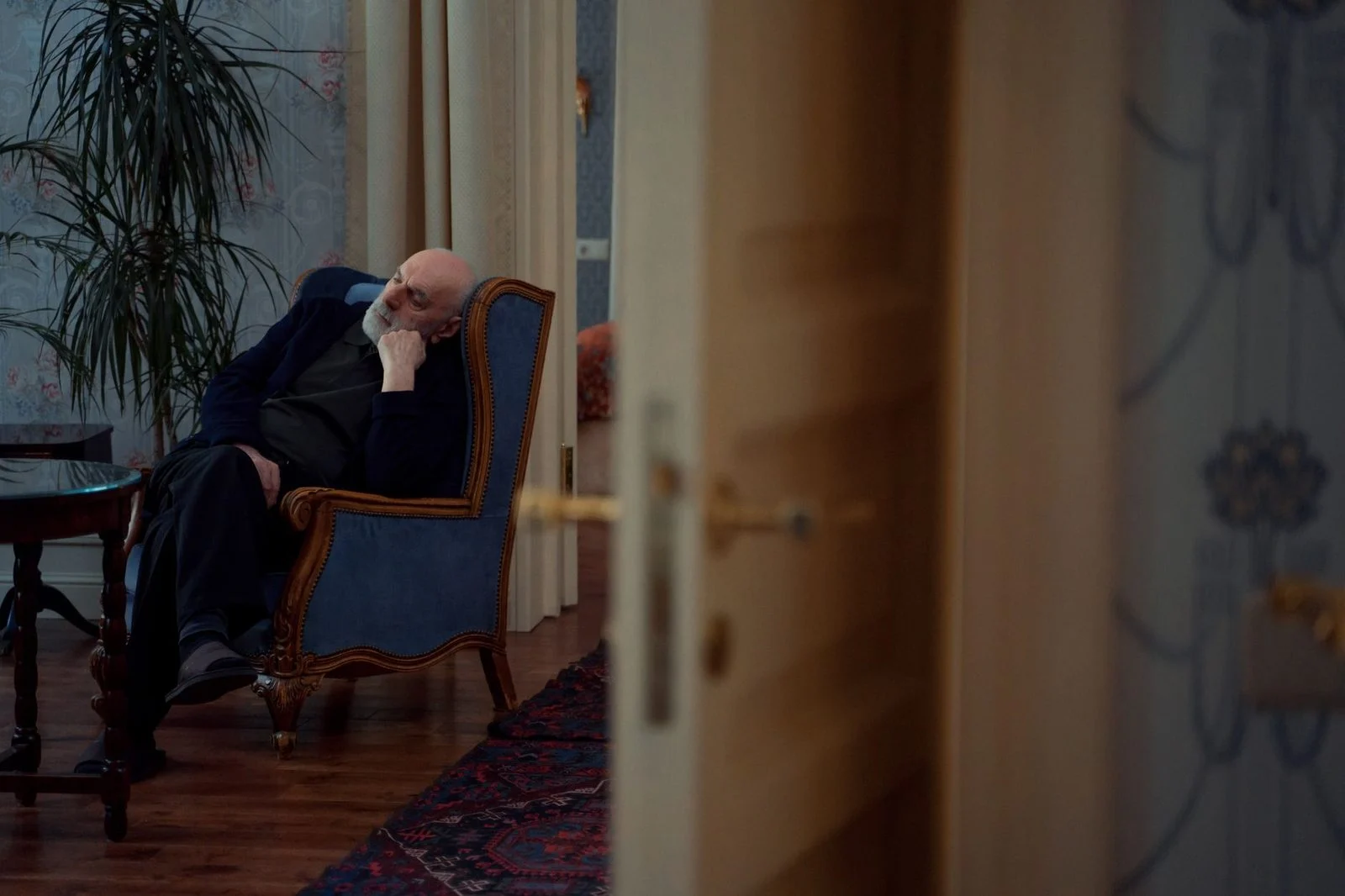
Sign 1: Unexplained Bruises, Welts, Fractures, or Burns
An injury that doesn’t match the stated cause is the first sign to check. Look for bruises on the upper arms, wrists, or inner thighs. Grip-shaped marks, straight-line welts, or marks with a regular shape deserve a question. A fracture or burn with a vague explanation deserves one too.
Timing matters. Bruises at different stages of healing can point to repeated harm rather than one accident. Note the date of each mark, and whether it looks fresh or older.
Falls do happen in dementia care. So ask two key questions: does the explanation fit the injury, and did staff report it promptly? Request the incident report and the physician’s notes. Ask whether the facility told family when the injury happened.
Have any unexplained injury checked by a doctor. A doctor can also say whether the marks fit the explanation you were given.
Sign 2: Pressure Sores and Untreated Wounds
Pressure sores that appear or get worse are a sign of neglect to check closely. Pressure sores, also called bedsores, form when a person who cannot move well stays in one position too long. Someone who needs help turning in bed can develop them within days. They often show up over bony areas such as the tailbone, hips, and heels.
Check for open skin, redness that stays when pressed, a foul smell, drainage, or a wound that looks bigger than at your last visit. Note whether the sore was already there when your relative moved in.
Untreated wounds can become infected quickly. A sore that is open, smells, or seems worse deserves a prompt call to a doctor, not a wait for the next routine visit.
Ask the care team what turning schedule and wound-care plan is documented for your relative. Then compare what is written with what you see on your visits.
Sign 3: Unexplained Weight Loss, Dehydration, or Malnutrition
Steady weight loss, dry mouth, or dark urine can mean food or fluids are not being given or fully assisted. A person with dementia often needs help eating and drinking. They may forget to eat, lose interest in food, or not notice they are thirsty. Without help, meals and drinks get missed.
Signs to check include visible weight loss, loose clothing, sunken eyes, dry lips and mouth, and dark urine. Confusion or unusual sleepiness can also signal dehydration. A sudden change in alertness calls for prompt medical attention.
This is the hard part: decline can look like the disease getting worse. Ask for a doctor’s review of weight and lab results. Request the facility’s meal and fluid records, and ask whether assisted feeding is documented.
Georgia law requires that residents receive care with reasonable care and skill and in compliance with applicable laws and regulations. O.C.G.A. § 31-8-108 sets out these standards.
Sign 4: Poor Hygiene, Soiled Clothing, or Unsanitary Surroundings
A person who is consistently unwashed, in soiled clothing, or living in an unclean room may be receiving neglected care. Look at the person first. Are they clean? Are their clothes and bedding changed? Are hair, nails, and teeth cared for? Does an odor of urine or feces linger after you leave?
Then look at the room. Spoiled food, trash, pests, or a cluttered, unsafe space are worth noting. So is bedding that has not been changed in days.
One dirty visit is not enough to decide anything. Repeated lapses across several visits matter more. Staffing gaps often show up this way.
Georgia’s standards also call for care with respect for personal dignity and privacy, under O.C.G.A. § 31-8-108. Where the facility allows it, take dated photos of the room and your relative. Keep short notes of what you saw and when.
Sign 5: Sudden Changes in Mood, Behavior, or Fear Around a Caregiver
A new fear of a particular person is one of the signs most worth writing down. Watch for withdrawal, new agitation, crying, rocking, or flinching. Pay attention when a specific staff member or visitor is present. A person who used to be calm may plead not to be left with someone, or may seem frightened when that person walks in.
Dementia can cause mood and behavior changes on its own. So compare what you see with your relative’s usual baseline. Ask the doctor whether pain, infection, or a medication change could be part of the picture.
Note who was present, what happened just before the change, and how long it lasted. A short log helps you see whether a pattern is forming.
If you have concerns about how a loved one is being treated in a nursing home, our team is glad to talk with you during a free, confidential initial consultation with no obligation to continue.
Not sure what your next step is?
Talk it through with our team — the first consultation is free, confidential, and carries no obligation.
Sign 6: Missing Money, Belongings, or Unexplained Financial Changes
Missing money, cards, or belongings, and bills that don’t match past spending, are a sign of possible financial exploitation. Check for missing cash, jewelry, checks, debit or credit cards, and personal items. Review bank statements for charges, transfers, or bills that don’t fit your relative’s known spending.
Watch for new names on accounts, unfamiliar signatures on checks or papers, or changes to a will or power of attorney that your relative doesn’t seem to understand. A person with dementia may not be able to protect their money alone.
Contact the bank to review recent activity. Keep copies of statements and any documents you have questions about, in one folder.
What to Do If You Notice These Signs
If someone is hurt or in immediate danger, call 911 first. Then start a written record and request the care records. Don’t wait to gather everything before getting help.
Ask for a full medical evaluation. Request copies of the medical chart, incident reports, medication records, and the care plan. Under O.C.G.A. § 31-8-108, each resident or guardian is entitled to access the resident’s medical records and to receive a copy unless medically contraindicated. The facility may charge a reasonable duplication fee, not to exceed actual cost, under O.C.G.A. § 31-8-108.
Raise concerns in writing with the facility’s administrator or director of nursing, and keep a copy. A written concern shows when you raised the issue. Georgia’s resident rights are set out in the Bill of Rights for Residents of Long-term Care Facilities, cited as O.C.G.A. § 31-8-100.
The Georgia Long-Term Care Ombudsman Program helps residents and families set up resident and family councils. Georgia’s Adult Protective Services also takes reports about vulnerable adults.
Frequently asked questions
Is a bruise always a sign of abuse in dementia?
No. Falls and illness can also cause bruises, so check whether the explanation fits the injury.
Which signs should I check first?
Start with unexplained injuries and pressure sores. You can see them, and a doctor can examine them.
Should I write things down if I’m not sure?
Yes. Dated notes show patterns over time, and you can add to them as you learn more.
The facility may charge a reasonable fee that does not exceed actual cost.
Talking With a Lawyer About a Loved One’s Care
Talking with a lawyer can help a family sort out what they have seen and which records matter. Many families reach this point while still unsure. You may be juggling visits and work while a parent who can’t explain what happened depends on others for care.
Slam Dunk Attorney offers a free, confidential first consultation with no obligation to continue. In that conversation, you can talk through what you have observed and which records you can gather. The firm cannot predict how any particular matter will turn out. The consultation is for understanding your options, not a promise of a result.
Contact Slam Dunk Attorney when you’re ready to talk.
This page is general information, not legal advice. Responsible lawyer: Peter F. Jaraysi, Slam Dunk Attorney, Duluth, Georgia. Contact information is on the contact page.
Six Signs to Watch For
1. Unexplained injuries
Bruises, cuts, burns, or fractures without a clear explanation are a serious warning sign. Note where the injury is, what it looks like, and what staff told you about it.
2. Pressure sores
Sores on the back, hips, heels, or tailbone can develop when a resident is left in one position too long or is not moved or cared for properly.
3. Sudden changes in behavior
Fear, agitation, withdrawal, or distress around a particular caregiver or at certain times of day may signal that something is wrong.
4. Poor hygiene or weight loss
Unwashed clothes, soiled bedding, dehydration, or unexplained weight loss can mean a resident is not receiving basic daily care.
5. Missed medication or medical care
Missed doses, unexplained changes in medication, or delayed visits to a doctor can put a resident's health at serious risk.
6. Unexplained money or belongings missing
Missing cash, checks, jewelry, or account changes that the resident cannot explain should be taken seriously and documented.
If You Notice These Signs
Do not wait to act. Write down what you observed, when you observed it, and who was present. Ask for the resident's medical records and a doctor's examination. Keep copies of any written communication with the facility.
How We Can Help Your Family
Confidential Conversation
Tell us what you have seen and what your family has been told. We will listen with care and explain the questions to consider next.
Organizing the Facts
We help families gather records, notes, and facility documents so that the situation is clear from the start.
Compassionate Guidance
Our lawyers understand how difficult it is to see a parent or loved one harmed. We focus on getting answers and protecting the people who depend on them.
Free First Consultation
Our initial consultation is free, confidential, and comes with no obligation to continue.