
Nursing Home Abuse | Georgia
Understanding What Counts as Abuse and Neglect in a Nursing Home
Clear, plain-language guidance for Georgia families who are worried about a loved one's safety, dignity, and care.
By Peter F. Jaraysi · Published November 13, 2026
Nursing home abuse and neglect can take many forms, and a resident may be harmed in ways that are not always visible. The Centers for Medicare & Medicaid Services, or CMS, sets these standards for nursing homes. This page explains each term in plain language, shows how the definitions connect to a Georgia claim, and lists where families can raise concerns.
Why the CMS definition of abuse and neglect matters
CMS nursing homes guidance describes those standards and how facilities are checked against them. Families often start with this language because it gives them a clear test. A parent who cannot explain what happened may still leave clues, and the definitions show which clues matter. Keep one expectation in mind. The definitions are a starting point. Whether a specific situation meets them depends on the facts, and only a careful review of those facts can answer that question.
If your parent's care looks like the conduct described here, you don't have to sort it out alone, and our team is ready to talk. Talk it through with our team — the first consultation is free, confidential, and carries no obligation.
Where the federal definitions come from
The federal definitions come from CMS’s manual for nursing home surveys. CMS publishes them in its State Operations Manual, Appendix PP, which inspectors use when they check facilities. In Georgia, O.C.G.A. § 31-8-108 says each resident gets care that is adequate and appropriate. That care must be given with reasonable care and skill, follow applicable laws and regulations, not differ in quality based on who pays for it, respect the resident’s dignity and privacy, and aim for the resident’s return home or to a less restrictive setting. Georgia families therefore have both federal and state language to work with.
What the CMS definition of abuse covers
Here is what those words often look like in everyday terms:
- Hitting, shoving, or rough handling a resident
- Restraining a resident without a real need
- Threats or intimidation meant to frighten
- Punishing a resident
- Withholding food, medicine, or basic personal care
Families often ask whether one incident is enough. The answer turns on what happened and what harm followed. That is why facts, dates, and records matter so much. A single event with clear harm can raise serious questions, and a pattern of smaller events can too.
What the CMS definition of neglect covers
Neglect is a facility’s failure to provide the care and services a resident needs, when that failure causes harm. The main difference from abuse is focus. Neglect centers on what was not done. Abuse centers on conduct that hurts the resident. Common neglect issues include:
- Missed medications, meals, or scheduled care
- Falls that follow weak supervision or unsafe conditions
- Bedsores that develop and are not treated
- Dehydration or poor nutrition
- Medication errors
These are examples of the kinds of failures the definition addresses. Neglect often builds slowly. A resident may lose weight, develop a sore, or fall more often over several weeks. Care plans and daily notes show whether staff followed the plan. Gaps in those records can be just as telling as what the records say.
Exploitation, involuntary seclusion, and related terms
Exploitation and involuntary seclusion are separate terms in the federal framework. Money and belongings matter to a resident’s well-being, so the definitions include them. The CMS nursing home provider booklet sets out federal definitions of nursing-home abuse used in Medicaid program-integrity work.
How the ‘physical harm, pain, or mental anguish’ language is read
The phrase ties the definition to what happened to the resident, not only to what staff did. Physical harm is injury to the body. Pain is hurt the resident feels. Mental anguish is serious emotional distress. Reviewers look at the resident’s condition, medical records, incident reports, and the sequence of events. The same facts may be reviewed under the federal rules and under Georgia law, but each review asks its own questions. Georgia law also looks at how much harm was proven. O.C.G.A. § 51-12-4 says damages compensate for injury. It also says that if an injury is small or the mitigating circumstances are strong, only nominal damages are given. That is why the size of the harm and the quality of the proof both matter.
Not sure what your next step is?
Talk it through with our team — the first consultation is free, confidential, and carries no obligation.
What to do when abuse or neglect is suspected
When abuse or neglect is suspected, families can raise concerns with the facility and with state regulators. The Georgia Department of Community Health oversees nursing homes through inspections. Its long-term care page explains how residents and others can report concerns about safety or care. Georgia law also gives residents access to their own records. Under O.C.G.A. § 31-8-108, a resident may inspect and receive a copy of medical records unless medically contraindicated. The facility may charge a reasonable fee that does not exceed actual cost. The same section entitles a resident to have any significant change in the resident’s health status reported to persons of the resident’s choice by the facility within a reasonable time. Keep a written log of dates, what you saw, who you spoke with, and what they said. A clear timeline helps everyone who reviews the situation later.
How these definitions connect to a nursing home injury claim
Did the facility owe a duty of care? Did it breach that duty? Did the breach cause harm? What damages resulted? O.C.G.A. § 51-1-6 allows recovery when a person breaches a legal duty and damage follows. Ordinary diligence is the care that ordinarily prudent people use in similar circumstances. Under O.C.G.A. § 51-1-6, when the law requires a person to perform an act for the benefit of another or to refrain from doing an act which may injure another, the injured party may recover for breach of that legal duty if damage results (Official Code of Georgia). O.C.G.A. § 31-8-126 lets a person harmed by a facility’s violation of resident rights sue for damages. Expect questions about fault, too. Under O.C.G.A. § 51-12-33, damages are reduced in proportion to the injured person’s share of fault. A plaintiff who is 50 percent or more responsible recovers nothing. The federal definitions can help frame what happened. A claim itself is governed by Georgia law and the facts of each case. Useful records often include care plans, incident reports, medical records, and staffing or visitor logs.
Talk with our team about a loved one’s situation
If your parent’s care looks like the conduct described above, you may be carrying a lot right now. Reading federal rules late at night while you worry about someone you love is hard. The next decision can feel urgent, and you don’t have to make it alone. Slam Dunk Attorney offers a free, confidential initial consultation, with no obligation to continue. You can request a consultation through our contact page.
What is the definition of abuse and neglect according to the CMS regulations?
The CMS State Operations Manual Appendix PP is where those definitions appear.
Is neglect the same as abuse under CMS rules?
How long do I have to sue over a nursing home injury in Georgia?
For injuries to the person, Georgia law generally requires filing within two years after the right of action accrues, except that injuries to the reputation must be brought within one year and loss of consortium actions within four years, under O.C.G.A. § 9-3-33.
Can a resident get copies of medical records in Georgia?
Yes, a resident may inspect and receive a copy of records unless medically contraindicated. The facility may charge a reasonable fee that does not exceed actual cost, under O.C.G.A. § 31-8-108.
Disclaimer: This page is general information, not legal advice. Responsible lawyer: Peter F. Jaraysi, Slam Dunk Attorney, Duluth, Georgia. Contact: Slam Dunk Attorney contact page.
How We Can Help Your Family
Plain-Language Answers
We explain the terms regulators and nursing homes use, so you know what your concerns mean in practical terms.
Focused on Protecting Residents
Our team works to help families understand their options when a resident may have been harmed or left without proper care.
Help Organizing Records
We can talk through which care notes, incident reports, and medical records may be useful to gather.
Compassionate Listening
We understand how stressful it is to question the care a loved one is receiving, and we treat every concern with patience.
Concerned About a Loved One?
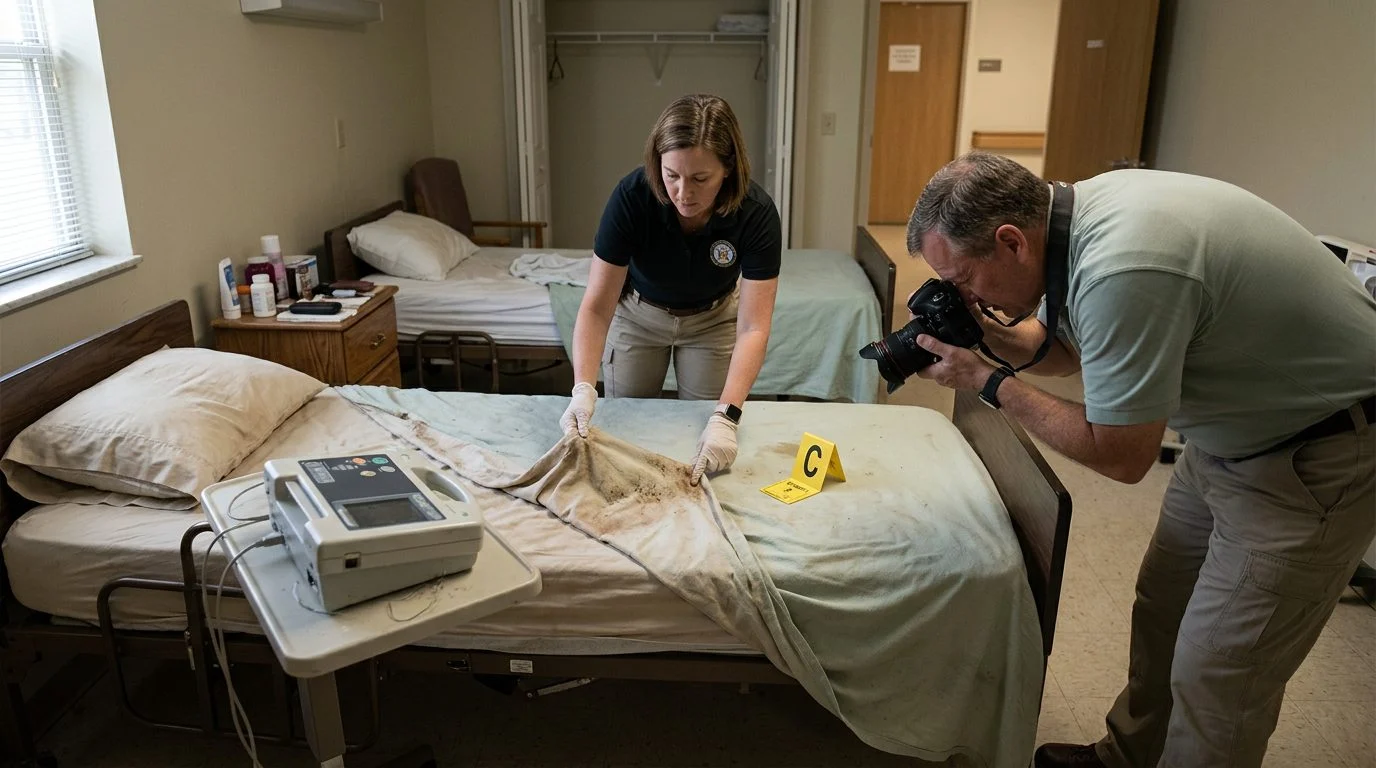
If you notice unexplained injuries, sudden changes in behavior, weight loss, soiled bedding, or missed medications, write down what you see and when. Keep copies of any paperwork you receive, then reach out to our team.
Steps Families Often Take
Document What You Observe
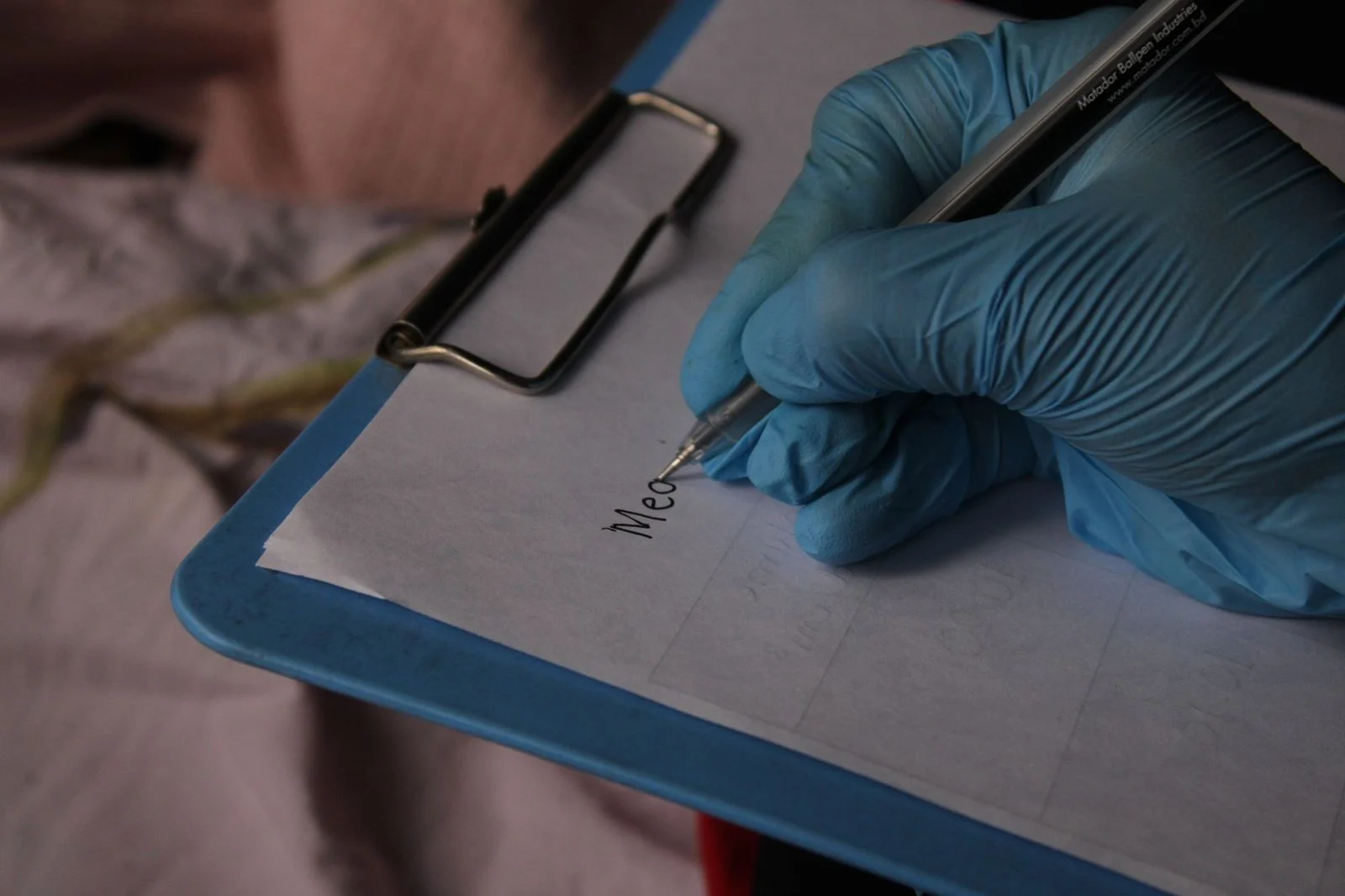
Note dates, times, people involved, and the condition of your loved one at each visit.
Ask for Records
Request care plans, medication logs, and incident reports in writing so you have a clear record.
Speak With the Facility
Raise your concerns in writing and keep a copy of every response you receive.
Get Guidance Early
Talk with our team to understand what your records show and what questions to ask next.