
Nursing Home Abuse
Types of Nursing Home Abuse: Physical, Emotional & Sexual
Recognizing harm in long-term care facilities and understanding your legal options across Georgia.
By Peter F. Jaraysi · Published September 28, 2026
Types of Nursing Home Abuse: Physical, Emotional & Sexual—What You Need to Know
Nursing home abuse takes many forms—physical violence, emotional cruelty, sexual assault, neglect, and financial theft—often overlapping in ways that compound a resident’s harm. Recognizing these categories and their warning signs is the first step to protecting your loved one and understanding whether the mistreatment rises to actionable harm under Georgia law.
Residents in long-term care facilities are among the most vulnerable populations. They depend on staff for daily care, often cannot easily communicate or leave, and may have cognitive or physical limitations that make them unable to report abuse. Understanding what constitutes abuse—and what doesn’t—helps families separate accidents from patterns of harm and know when to seek help.
If you're noticing unexplained injuries, personality changes, or signs of mistreatment in a loved one's care, reach out—families in your situation contact us regularly to understand their options. Talk it through with our team — the first consultation is free, confidential, and carries no obligation.
Understanding Nursing Home Abuse: An Overview
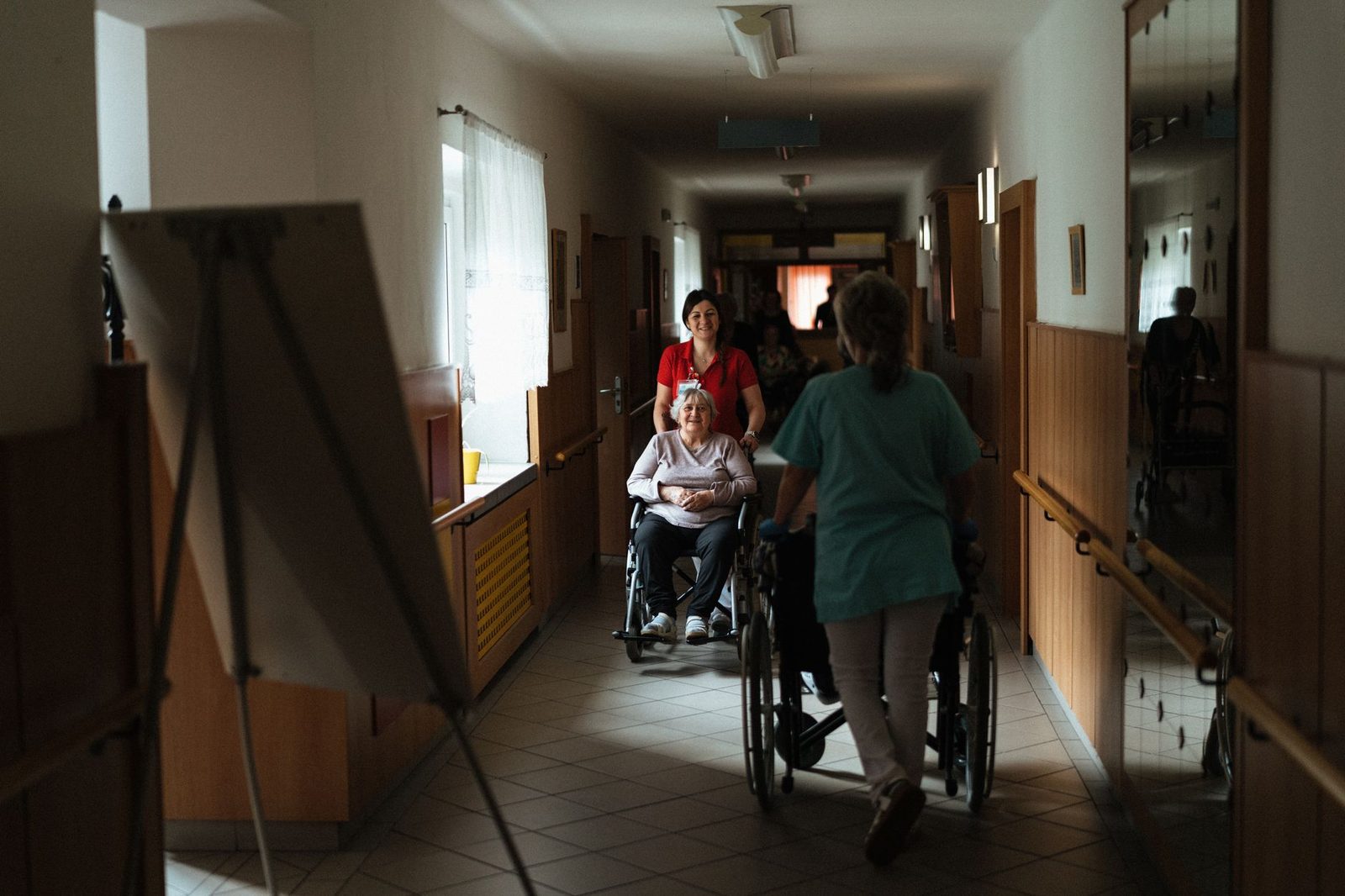
Nursing home abuse is intentional or negligent harm inflicted on a resident by staff, other residents, or individuals with facility access. It encompasses a spectrum of behaviors, from a single violent act to a pattern of deprivation or exploitation over weeks or months.
Why this matters: residents cannot protect themselves. They trust the facility and its staff with their safety, dignity, and belongings. When that trust is broken, the consequences—physical injury, psychological trauma, financial loss, or death—can be severe and irreversible.
Abuse often takes multiple forms simultaneously. A resident may suffer physical injury and be isolated from family to prevent discovery. Another may be neglected and financially exploited. Recognizing these overlapping patterns helps establish a fuller picture of what happened and why it matters legally.
Families need to know the categories of abuse because recognition is the gateway to action. You cannot protect what you don’t understand. This guide walks through each type, its warning signs, and what you can do.
Physical Abuse in Nursing Homes
Physical abuse in nursing homes includes hitting, pushing, slapping, pinching, improper restraint, rough handling, and any intentional or reckless infliction of bodily harm.
Common warning signs include unexplained bruises, fractures, lacerations, or injuries the resident cannot explain. Pay attention to the pattern and location: bruises on the inner arm, grip marks on the wrist, or injuries in clusters suggest intentional harm rather than a fall. A resident who suddenly becomes fearful of a specific staff member, flinches when touched, or refuses care from one caregiver may be signaling abuse.
Physical abuse differs from accidental injury in several ways. Accidents are typically isolated, match the resident’s stated account, and occur in plausible circumstances (a fall near a bed, a slip on a wet floor). Abuse often shows a pattern over time, contradicts the resident’s explanation, or happens in ways the resident’s mobility or condition would not support.
Why does physical abuse happen? Understaffing, inadequate training, and frustration with resident behavior are common factors. A facility stretched thin may use physical restraint as a shortcut instead of proper behavior management. Staff without training in dementia care may resort to force when a resident resists. None of these reasons justify harm, but understanding the context helps document what went wrong.
Under Georgia negligence law, facilities have a duty of care to residents. Physical abuse—whether intentional violence or reckless conduct—breaches that duty and can support a civil claim for damages.
Emotional and Psychological Abuse
Emotional and psychological abuse includes verbal assault, humiliation, intimidation, isolation, threats, and any conduct intended to frighten, shame, or control a resident.
Examples are varied and often subtle. A staff member may yell at a resident for incontinence, use infantilizing language (“sweetie” said with contempt), call the resident names, threaten to withhold care or move them to a worse room, or prevent family visits as punishment for “misbehavior.”
Warning signs include withdrawn behavior, depression, anxiety, reluctance to speak, sudden personality changes, or a resident who becomes unusually quiet or sad after a staff change. Some residents may refuse meals, stop participating in activities, or express fear without being able to name why.
Emotional abuse often leaves no visible marks. A bruise heals in weeks; psychological harm can last years or a lifetime. Research from the National Institute on Aging identifies emotional abuse as a recognized form of mistreatment in long-term care that causes documented lasting psychological harm, yet it is often overlooked because it does not show up in an X-ray or blood test.
Families sometimes discount emotional abuse because “at least they weren’t hit.” That minimizes real harm. A resident who becomes depressed, stops eating, or loses the will to live because of constant verbal cruelty is suffering serious injury—one that can hasten decline and death.
Sexual Abuse and Assault
Sexual abuse and assault in nursing homes includes non-consensual sexual contact, unwanted touching, sexual coercion, and any sexual act imposed on a resident without consent.
Residents are particularly vulnerable to sexual abuse because of cognitive decline, mobility limitations, communication difficulties, or inability to resist. A resident with dementia may not remember an assault or be able to report it. A resident with a stroke may be unable to speak or move to escape. These vulnerabilities make sexual abuse a crime and a serious breach of the facility’s duty of care.
Warning signs include unexplained injuries to the genital area, behavioral changes (fear, aggression, withdrawal), fear of specific individuals, sexually transmitted infections, or a resident’s vague or fragmented account of what happened. Some residents may not report abuse at all due to shame, cognitive impairment, or fear of retaliation.
Barriers to reporting are real. A resident may be too embarrassed to speak. A family member may not want to believe it happened. Staff may discourage reporting to protect the facility’s reputation. These barriers are why professional investigation and legal action are critical—they create accountability and prevent further harm.
Neglect and Deprivation
Neglect is the failure to provide necessary care, food, medication, hygiene, medical attention, or safe living conditions. Unlike abuse, neglect may not be intentional, but it is still actionable under Georgia law because facilities have a legal duty of care regardless of intent.
Examples include missed meals, withheld medications, unsanitary living conditions, lack of bathing or toileting assistance, failure to reposition a bedridden resident (leading to pressure ulcers), and failure to seek medical care for infections or injuries.
Warning signs include malnutrition, dehydration, untreated infections, poor hygiene, medication errors, pressure ulcers, or a resident’s general decline in health. A resident may lose weight rapidly, have sores that don’t heal, or develop preventable infections. Families often notice the change before staff acknowledge it.
Neglect differs from abuse in intent but not in harm. A staff member who forgets to give medication is negligent; one who deliberately withholds it is abusive. Both breaches the duty of care. Both can support a legal claim.
The Centers for Medicare & Medicaid Services (CMS) enforces federal care standards for nursing homes, including requirements for nutrition, medication management, hygiene, and medical attention. Facilities that fail to meet these standards can be cited, fined, or lose their license. If neglect caused injury to your loved one, you may also have a civil claim against the facility.
Not sure what your next step is?
Talk it through with our team — the first consultation is free, confidential, and carries no obligation.
Financial Exploitation
Financial exploitation is the unauthorized use of a resident’s money, property, or assets. It includes coerced gifts, forged signatures, theft, overcharging for services, or manipulation of a resident’s will or power of attorney.
Examples include a staff member pressuring a resident to sign over funds, a caregiver “borrowing” money that is never repaid, theft of jewelry or personal items, or a facility charging inflated fees for services not rendered.
Warning signs include unexplained withdrawals from the resident’s account, missing valuables, sudden changes to the will or power of attorney, a resident’s confusion about their own finances, or a new “friend” or staff member who suddenly becomes close to the resident and has access to their money.
Who exploits? Staff members, family members, outside individuals with facility access, or a combination. Exploitation often goes undetected because residents may not understand what happened, may be embarrassed to report it, or may fear retaliation.
Under Georgia law, financial exploitation is actionable. You can pursue restitution (return of stolen funds) and damages (compensation for the loss and harm). Documentation—bank statements, missing items, changes to legal documents—is critical.
How Abuse and Neglect Often Overlap
Abuse and neglect rarely occur in isolation. A resident may suffer physical abuse and emotional abuse simultaneously—harmed in body and traumatized in mind. A facility may cut corners on staffing and supplies (neglect) while charging full fees (financial exploitation). Sexual abuse is compounded by emotional abuse when staff isolate the resident or blame them for what happened.
Why does categorization matter? Because it helps you identify patterns and establish liability. If your loved one has a single bruise, it might be an accident. If your loved one has bruises, is withdrawn, has lost weight, and you’ve noticed money missing—that’s a pattern. Patterns establish that harm was not random but systemic, making the facility’s liability clearer.
What to Do If You Suspect Nursing Home Abuse
If you suspect abuse or neglect, act quickly. Evidence can disappear, conditions can worsen, and delay can harm your loved one further.
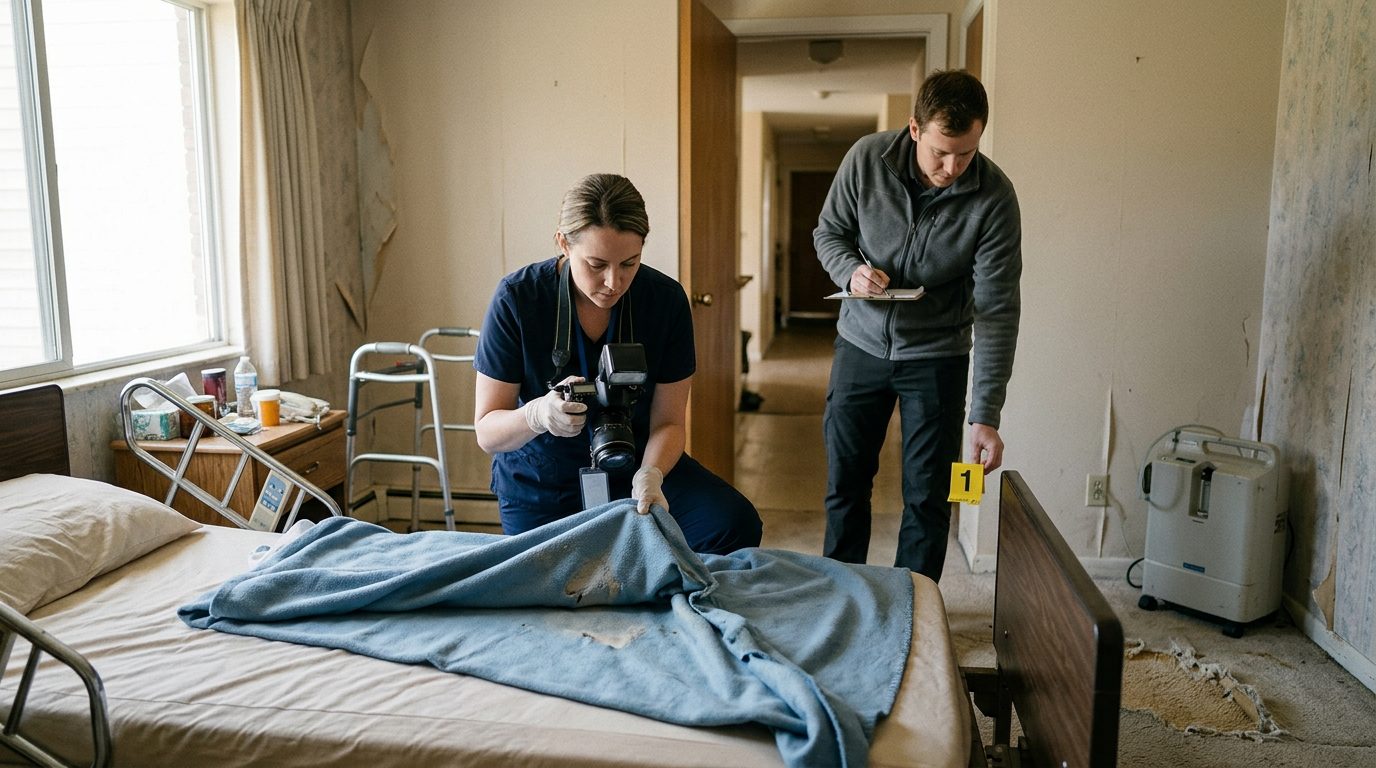
Document everything. Write down dates, times, specific incidents, names of witnesses and staff involved, and your loved one’s account of what happened. Photograph visible injuries or concerning conditions (poor hygiene, unsanitary rooms, lack of food). Keep copies of medical records, incident reports, and facility communications.
Report to facility management and to the Georgia Department of Public Health, which oversees nursing home licensing and investigates complaints. You have the right to file a complaint without fear of retaliation.
Seek medical evaluation. A doctor can document injuries, rule out medical causes, and establish a timeline. Medical records are powerful evidence.
Consult with an attorney who handles nursing home abuse cases. An attorney can review your documentation, advise you on your legal options, and guide you through the process of holding the facility accountable.
Do not delay. The longer you wait, the harder it becomes to prove what happened and the more risk your loved one faces.
Your Rights as a Family Member
You have legal rights as a family member of a nursing home resident, even if you are not the resident’s legal guardian.
Right to access: You can visit your loved one at reasonable times and inspect the facility, including common areas and your loved one’s room.
Right to information: You can request medical records, incident reports, medication lists, and care plans. The facility must provide these within a reasonable time.
Right to report: You can file complaints with state agencies without fear of retaliation. Retaliation—eviction, reduced care, or hostility—is illegal.
Right to legal action: You can pursue civil claims for damages if your loved one is harmed by abuse or neglect. You can also pursue a wrongful death claim if your loved one dies as a result.
These rights exist to protect residents and hold facilities accountable. Using them is not disloyal or adversarial—it is your responsibility as a family member to advocate for your loved one’s safety and dignity.
Frequently Asked Questions
What is the difference between abuse and neglect?
Abuse is intentional or reckless harm; neglect is failure to provide necessary care. Both breach the facility’s duty of care and can support a legal claim.
Can I sue a nursing home for emotional abuse if there are no visible injuries?
Yes. Emotional abuse causes documented psychological harm and is actionable under Georgia law, even without physical injury.
How do I know if an injury is accidental or intentional abuse?
Look for patterns: location (inner arm, wrist, grip marks suggest intentionality), frequency (multiple injuries over time), consistency with the resident’s account, and the resident’s behavior (fear of staff, withdrawal). A single fall may be accidental; repeated bruises in suspicious locations suggest abuse.
What should I do if the facility retaliates against me for reporting abuse?
Report the retaliation to state agencies and consult with an attorney. Retaliation is illegal and can strengthen your legal case.
How long do I have to file a legal claim for nursing home abuse in Georgia?
Georgia’s statute of limitations for personal injury claims is generally two years from the date of injury. However, exceptions apply in cases of wrongful death or when the resident is incapacitated. Consult an attorney promptly to protect your rights.
If you’re noticing unexplained injuries, personality changes, or signs of mistreatment in a loved one’s care, the situation deserves professional attention. Families across metro Atlanta and Georgia who suspect nursing home abuse reach out to discuss what happened, what it means, and what options exist. Contact us for a free case review—we listen, we understand, and we know how to help.
Forms of Nursing Home Abuse
Physical Abuse
Intentional use of force causing injury, pain, or impairment. Examples include hitting, pushing, improper restraint, or rough handling during care. Physical abuse leaves evidence—bruises, fractures, or unexplained injuries—that can support a legal claim.
Emotional & Psychological Abuse
Deliberate infliction of mental anguish through intimidation, humiliation, threats, or isolation. Emotional abuse causes documented psychological harm such as anxiety, depression, or behavioral changes. It is actionable even without visible physical injury.
Sexual Abuse
Non-consensual sexual contact or exploitation by facility staff or residents. Sexual abuse is a serious crime and a breach of the facility's duty to protect residents. Victims may pursue both criminal and civil remedies.
Neglect
Failure to provide necessary care, food, medication, hygiene, or medical attention. Neglect differs from abuse in intent but is equally harmful and legally actionable. It reflects a breach of the facility's duty of care.
Know the Difference
Abuse is intentional or reckless harm; neglect is failure to provide necessary care. Both breach the facility's duty of care and can support a legal claim. If you suspect either, document what you observe and report it to facility management and local authorities.
Why Families Turn to Slam Dunk Attorney
Focused on Nursing Home Claims
We focus exclusively on nursing home abuse and neglect cases across Georgia. We understand facility liability, regulatory failures, and the evidence needed to hold facilities accountable.
Compassionate Representation
We listen to your story and treat your loved one's harm with the seriousness it deserves. We fight for fair compensation and answers.
No Upfront Costs
We work on a contingent-fee basis: no fees unless there is a recovery. You may still owe certain case costs; we'll discuss those clearly upfront.
Serving Metro Atlanta & Georgia
Based in Duluth, we represent families throughout Georgia, including Atlanta, Lawrenceville, Johns Creek, Alpharetta, Marietta, and surrounding areas.
Your Loved One Deserves Protection and Justice
Related practice areas
- Signs of Nursing Home Abuse: Recognition Guide for Family