
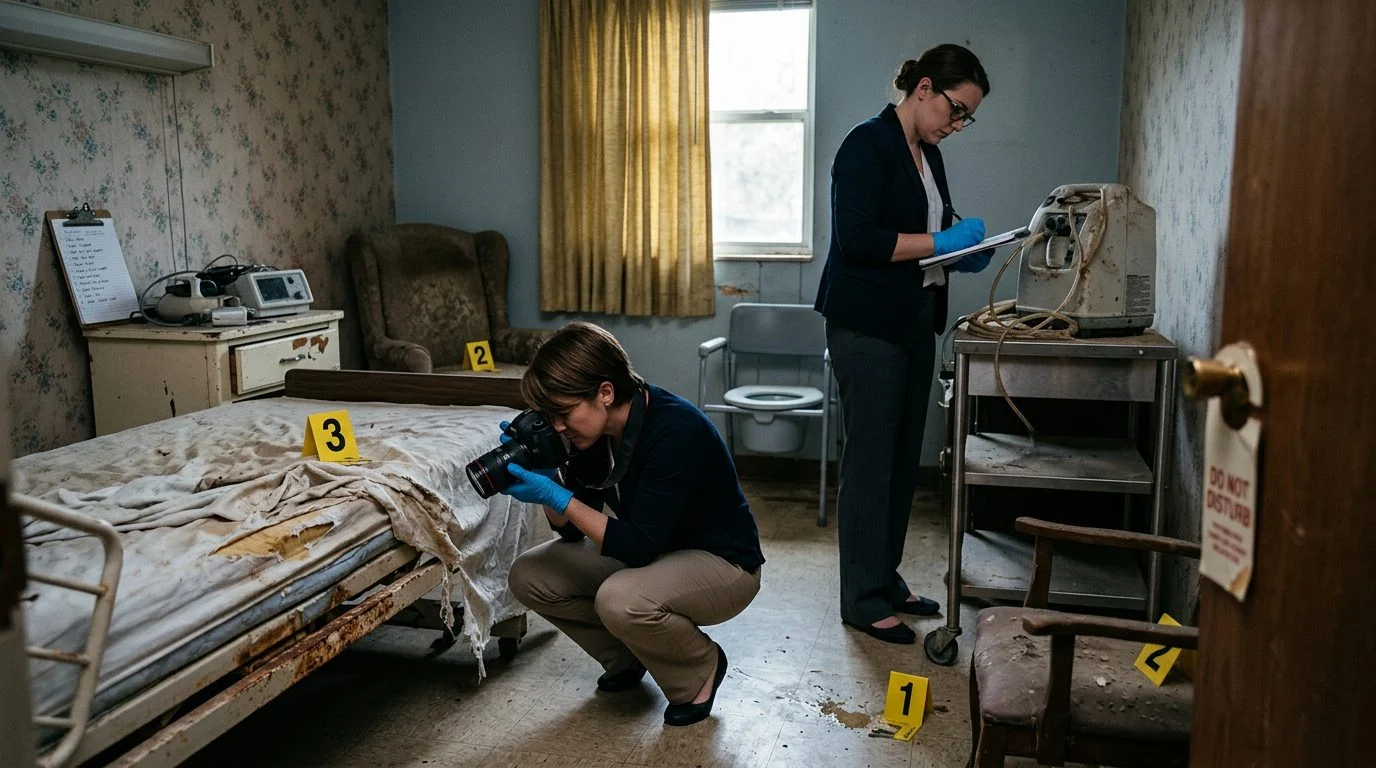
Nursing Home Abuse | Lilburn and Metro Atlanta
Concerned About Restraints Used on Your Loved One?
Slam Dunk Attorney represents Georgia families when a resident in a nursing home is harmed by improper physical or chemical restraints. Our lawyers, including Peter F. Jaraysi, can listen to what happened and explain your options.
By Peter F. Jaraysi · Published October 23, 2026
Restraint abuse in a Georgia nursing home happens when staff control a resident with a device, a method, or a medication in a way that harms them or breaks their rights. If you’re searching for a Lilburn nursing home abuse lawyer, you may be trying to make sense of something you saw. Georgia law may give your family a way to seek damages. This guide explains what restraint abuse looks like, what to write down, and how a claim usually moves forward.
What Restraint Abuse Means in a Georgia Nursing Home
Restraint abuse is control that causes harm or breaks a resident’s rights. Two forms matter most.
- Physical restraint is any device, material, or person-imposed method that limits a resident’s movement or normal access to their body. Examples include bed rails used to confine, belts, vests, or tying someone to a chair.
- Chemical restraint is a medication used to discipline a resident, for staff convenience, or in place of real care. It is not given to treat a documented medical condition.
Good intentions don’t end the question. Staff may believe a restraint keeps a resident from falling. It can still be abuse when no one ordered it, monitored it, or reviewed it.
Georgia law requires care “with reasonable care and skill” and “with respect for the resident’s personal dignity and privacy” (Georgia nursing home resident rights). Federal guidance describes abuse as conduct that causes physical harm, pain, or mental anguish (CMS State Operations Manual). A single event can involve both abuse and neglect.
If your loved one is in a facility now and something about their care doesn't add up, our team can talk it through with you, and you don't have to face it alone. Talk it through with our team — the first consultation is free, confidential, and carries no obligation.
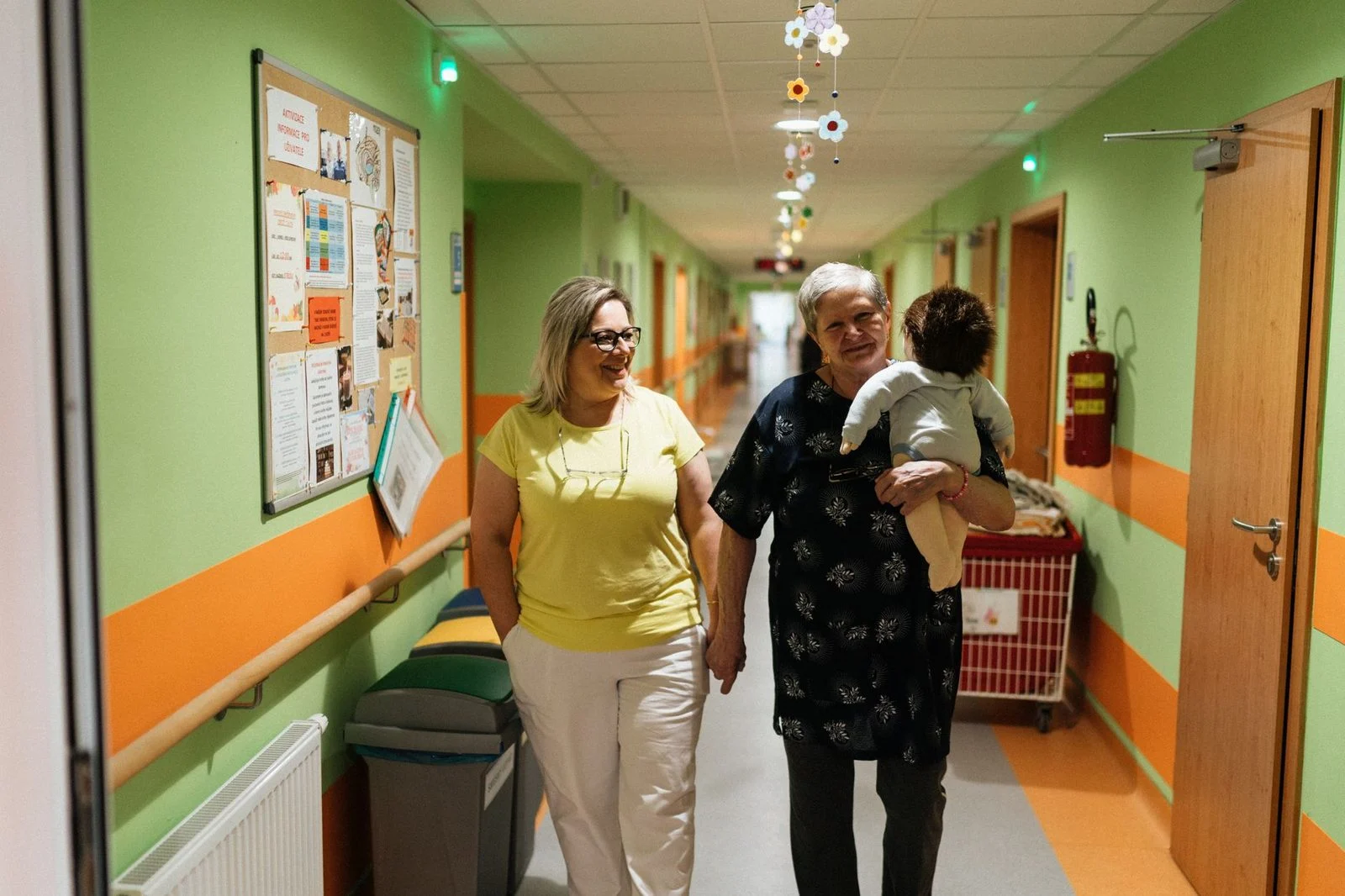
Warning Signs Families Should Write Down
The most useful evidence is what you can record with a date, a time, and a name. Watch for these patterns:
- Physical marks: bruises, rope or strap marks, scrapes, or skin tears on the wrists, ankles, shoulders, or torso.
- Medication changes: unusual drowsiness, slurred speech, unsteady walking, or a resident who is hard to wake.
- Behavior changes: new fear of a certain staff member, withdrawal, agitation during visits, or refusal to talk about care.
- Injury patterns: falls, fractures, pressure sores, or a steady loss of mobility.
Start a simple file today. Take dated photos of any marks. Keep a daily log of what you see and hear. Write down the staff on shift. Keep every incident report and care notice you receive.
Georgia law gives a resident or guardian the right to inspect and copy medical records, unless medically contraindicated. The facility may charge a reasonable fee that does not exceed actual cost (Georgia nursing home resident rights). Ask for records in writing.
Rules Nursing Homes Must Follow
Federal and Georgia rules set the standard for resident care, dignity, and information.
- Care planning: A resident or guardian may take part in overall care planning. They must be informed of that right each time the treatment plan changes substantially.
- Health changes: A facility must report significant changes in a resident’s health to people the resident chooses, within a reasonable time.
- Consent: Experimental research or treatment requires the informed, written consent of the resident or guardian first.
Whether a specific restraint or medication broke these rules depends on the facts and the records. A physician’s orders, the care plan, and the medication log should tell the same story. When they don’t, that gap can matter. Georgia’s Department of Community Health also explains how to report safety concerns about a facility (Georgia long-term care oversight).
What a Restraint Abuse Claim Can Cover
A claim can seek money for medical bills, pain, and lost independence caused by restraint abuse. Georgia law treats different types of harm in different ways.
- Medical costs: Medical expense damages are limited to the reasonable value of medically necessary care. The fact-finder decides that amount (Georgia medical expense rule).
- General and special damages: General damages are presumed to flow from a harmful act, so they need no exact proof of amount. Special damages, such as bills, must be proved (Georgia damages rules).
- Pain and feelings: If the entire injury is to a person’s peace, happiness, or feelings, Georgia law leaves the amount to the enlightened consciences of impartial jurors (Georgia emotional injury rule).
- Loss of function: A restraint-related fall can reduce mobility or independence. Those losses count when the records support them.
- Wrongful death: If restraint-related harm causes death, Georgia law lets a surviving spouse recover the full value of the decedent’s life, or children if there is no spouse, as the evidence shows (Georgia wrongful death rule). When death results from criminal or other negligence, the personal representative may also recover funeral and medical expenses (Georgia personal representative rule).
How a Georgia Restraint Claim Typically Unfolds
Most claims move from a free consultation to a records review, then to a demand or a lawsuit. Here is the usual path.
- Free consultation. You describe what you’ve seen. The lawyer explains which records matter most.
- Records requests. The family asks for the admission file, care plans, physician orders, restraint logs, medication records, incident reports, and staffing information.
- Records review. The team compares those records with what you saw and with the resident’s documented condition. Medical professionals may help with this review.
- Demand or negotiation. A demand is a formal written request for money. The other side may respond, and negotiation may follow. If the matter can’t be resolved fairly, a lawsuit may be filed.
- Lawsuit or settlement. Timing varies with the case’s complexity, the injuries, and the defenses raised. It can take months or longer.
Georgia’s general deadline for injury claims is two years after the right of action accrues (O.C.G.A. § 9-3-33; Kenneth B. Cameron v. Jmp Pizza, Inc (2026)). Exceptions and different timing can apply, so don’t wait to ask about your family’s deadline.
Why Families Work With Slam Dunk Attorney
Families searching for a Lilburn nursing home abuse lawyer want a clear picture of who they would work with. Slam Dunk Attorney is based in Duluth, Georgia, and represents injured people and their families across metro Atlanta and Georgia. Nursing home abuse is one of the matters it handles.
- Responsible lawyer: Peter F. Jaraysi is the responsible lawyer for this page. Our lawyers include Peter F. Jaraysi and Brian D. Wright, who work with the firm’s support staff.
- Related matters: Restraint injuries can overlap with wrongful death and catastrophic injuries, such as fractures or spinal cord or brain injuries. The firm handles both practice areas.
- Approach: Our team reviews records carefully, keeps families informed, and explains what the facts may and may not support.
- Location: Duluth sits in Gwinnett County, the same county as Lilburn.
Not sure what your next step is?
Talk it through with our team — the first consultation is free, confidential, and carries no obligation.

Frequently Asked Questions and Your Next Step
How hard is it to win a lawsuit against a nursing home?
Outcomes turn on the records, the injuries, and the defenses raised. No lawyer can promise a result.
What type of lawyer do I need?
A personal injury lawyer who handles nursing home abuse, wrongful death, and catastrophic injury matters is the right type to speak with. Our lawyers handle all three areas.
Can I sue for emotional distress in Georgia?
Emotional harm can be part of a claim. When feelings are the entire injury, Georgia law leaves the amount to the jury’s judgment.
How many years do I have to sue?
Georgia’s general rule for injury claims is two years under § 9-3-33. Exceptions and different timing can apply.
What does a consultation cost?
The first consultation is free, confidential, and with no obligation to continue. If a fee arrangement comes up, clients may still be responsible for court costs and case expenses.
If your loved one is in a facility right now and something about their care has troubled you, you don’t have to work it out alone. Our team can review what you’ve noticed and talk through the records that may matter. Request a free consultation.
Warning Signs Worth Reporting
Unexplained marks or bruising
Bruises, rope marks, or red areas on the wrists, ankles, or torso can be signs that a resident was tied or held down.
Sudden drowsiness or confusion
A resident who seems unusually sedated, slow to respond, or out of sorts after a change in medication deserves a closer look.
Restraints that are unclear in the records
If restraint use appears in a chart without a clear explanation, or family members were never told about it, ask questions in writing.
New injuries or declining health
Falls, pressure sores, dehydration, or weight loss while a resident was secured can signal a serious problem in their care.
Why Families Bring These Cases to Our Firm
Focused on protecting residents
Our firm focuses on personal injury matters, including nursing home abuse, wrongful death, and catastrophic injury cases across metro Atlanta and Georgia.
Plain-language answers
We explain the process, the records involved, and what to expect in terms you can follow, without legal jargon.
A team that works with you
Our lawyers and support staff keep families informed and make it easier to share what you have seen and documented.
Respect for your family
We understand that a loved one's safety is personal. We approach every conversation with patience and care.
Keep Your Records Safe
Medical charts, incident reports, and staffing logs can be difficult to obtain later. Write down what you observed, when you observed it, and who was present, and keep copies of any letters or messages you receive from the facility.