
Nursing Home Abuse | Duluth, Georgia
When Memory Loss Makes Harm Harder to Report
Residents living with dementia rely on the people around them to notice, listen, and act. Here is how families in Georgia can recognize warning signs and what steps to take next.
By Peter F. Jaraysi · Published November 15, 2026
If you’re asking how dementia makes someone vulnerable, you’re probably worried about someone you love. Dementia weakens the skills that keep people safe: noticing danger, remembering events, explaining pain, and moving with care.
As the condition moves forward, the person depends more on other people for daily life. That dependence is where most of the added risk begins. This page explains how each change works, what to watch for, and what calm next steps look like.
What Dementia Changes About Daily Safety
Dementia changes daily safety because it affects memory, thinking, judgment, and communication all at once. Dementia is an umbrella term for a group of conditions, not a single illness. Symptoms and their pace vary from person to person, so two people with the same diagnosis can have very different days.
Risk tends to grow as the condition progresses. Each new loss adds a task someone else must handle, such as bathing, dressing, taking medicine, or finding the bathroom. Every person who helps becomes part of that person’s safety net, which is why who provides care matters so much.
A physician usually makes the diagnosis, often after a cognitive evaluation. If you have concerns, ask the person’s doctor for a formal assessment. For the wider picture of abuse and neglect in care settings, read our nursing home abuse guide.
If your loved one's care has raised concerns, you don't have to sort out what happened alone. Our team can talk with you about what you've seen. Talk it through with our team — the first consultation is free, confidential, and carries no obligation.
Why Memory Loss Makes It Hard to Report Harm
Memory loss makes it hard for a person with dementia to report harm, because they may not recall what happened. A resident may forget a missed meal, a fall, or rough handling by the time anyone asks. That leaves no clear account for family or staff to work from.
Short-term memory loss can also cause a person to repeat a complaint or forget that they already raised it. Others may then read the concern as unreliable, even when the worry is real. Details may shift from one telling to the next, but a steady theme deserves attention.
The person often depends on the same caregivers they might need to report. That can make speaking up feel risky, so a person may stay quiet about discomfort they are living with. Families who know this can ask whether they were told.
Communication, Recognition, and Fear
Dementia makes it hard to explain pain, hunger, thirst, or fear, and it can blur familiar faces and places. Language problems can stop a resident from finding words or following a conversation. Someone who cannot say “this hurts” may show it in other ways.
Pain often shows up as agitation, withdrawal, moaning, or refusal of care, rather than as a clear statement. A person who suddenly fights bathing or stops eating may be hurting. Changes in behavior deserve a closer look, not a quick label of “difficult.”
Recognition problems add their own risk. When a caregiver changes or a resident moves rooms, the unfamiliar setting can increase confusion and anxiety. Family members who know the resident’s usual mood, eating, sleep, and personality are often the first to notice a change. Write those baseline details down so you can compare them over time.
Physical Dependence, Falls, and Preventable Injuries
Physical dependence can leave a person with advanced dementia at risk of falls, pressure injuries, and poor nutrition when daily care is not watched closely. Many residents need help with bathing, dressing, toileting, eating, and moving. That means close, daily contact with caregivers, and every task is a chance for either good care or a mistake.
Impaired balance and poor judgment about safe movement can lead to falls. Wandering adds to that risk, since a person may walk into areas where they can get hurt. Limited mobility also makes it harder to shift position on their own. That can contribute to pressure injuries, also called bedsores.
Dehydration and malnutrition are quieter dangers. A resident who cannot ask for water or who skips meals can lose weight and strength without anyone noticing right away. Ask how falls, pressure injuries, weight, and fluid intake are tracked and recorded in the care plan. The CMS nursing home guidance describes the federal health and safety standards used to assess a facility’s compliance.
Common Behaviors and Why They Can Increase Risk
Common behaviors such as agitation, wandering, and sundowning are symptoms of dementia, not character flaws. Sundowning means symptoms get worse in the late afternoon or evening. Sleep disruption and repeated questions are also common. Staff who don’t understand these patterns may read them as defiance.
Challenging behavior can sometimes lead to sedating medication or physical restraint. Those choices carry their own risks, including falls and reduced movement. Ask for the current medication list, the reason for each medication, and the name of the prescribing physician. Asking in writing gives you a record.
Wandering and exit-seeking can put a resident in danger outside a secure area. Ask whether the facility has a documented plan for supervision, and how staff check on residents who tend to walk. A written plan is a fair thing to request.
How Care Settings Can Add to the Risk
The setting matters. Staffing, training, supervision, and how management handles concerns all shape how safe a resident with dementia is.
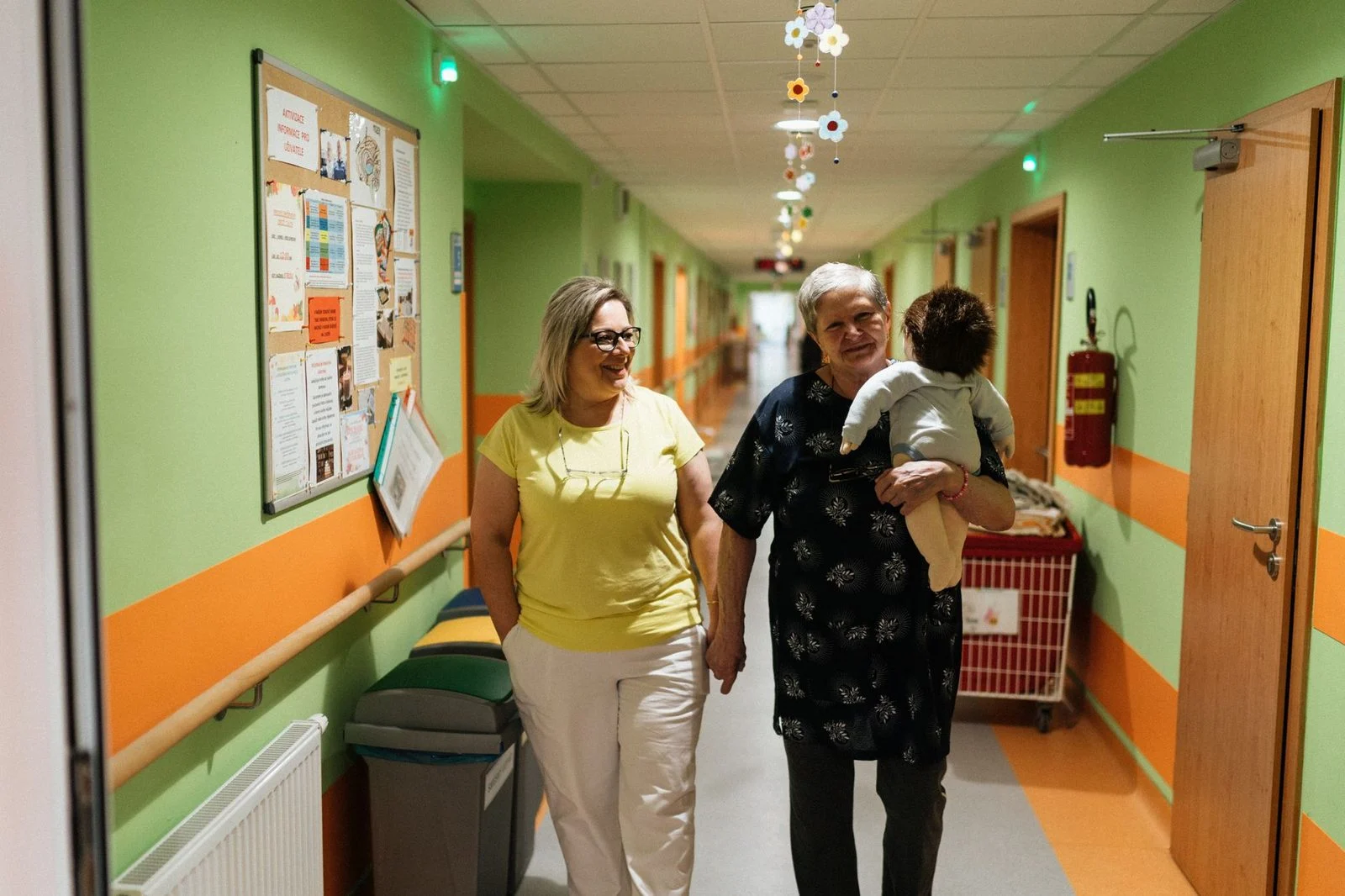
A resident with dementia may share a unit with many others who have cognitive impairment. That can make close, individual attention harder to provide. Note whether the same staff are assigned consistently, whether call lights get prompt answers, and whether staff explain changes in care to the family.
Whether a particular situation amounts to abuse or neglect depends on the facts. Families should document what they observe and when. The Georgia Department of Community Health describes state oversight and inspection of long-term care facilities.
Not sure what your next step is?
Talk it through with our team — the first consultation is free, confidential, and carries no obligation.
Warning Signs Families Can Watch For and Support for Caregivers
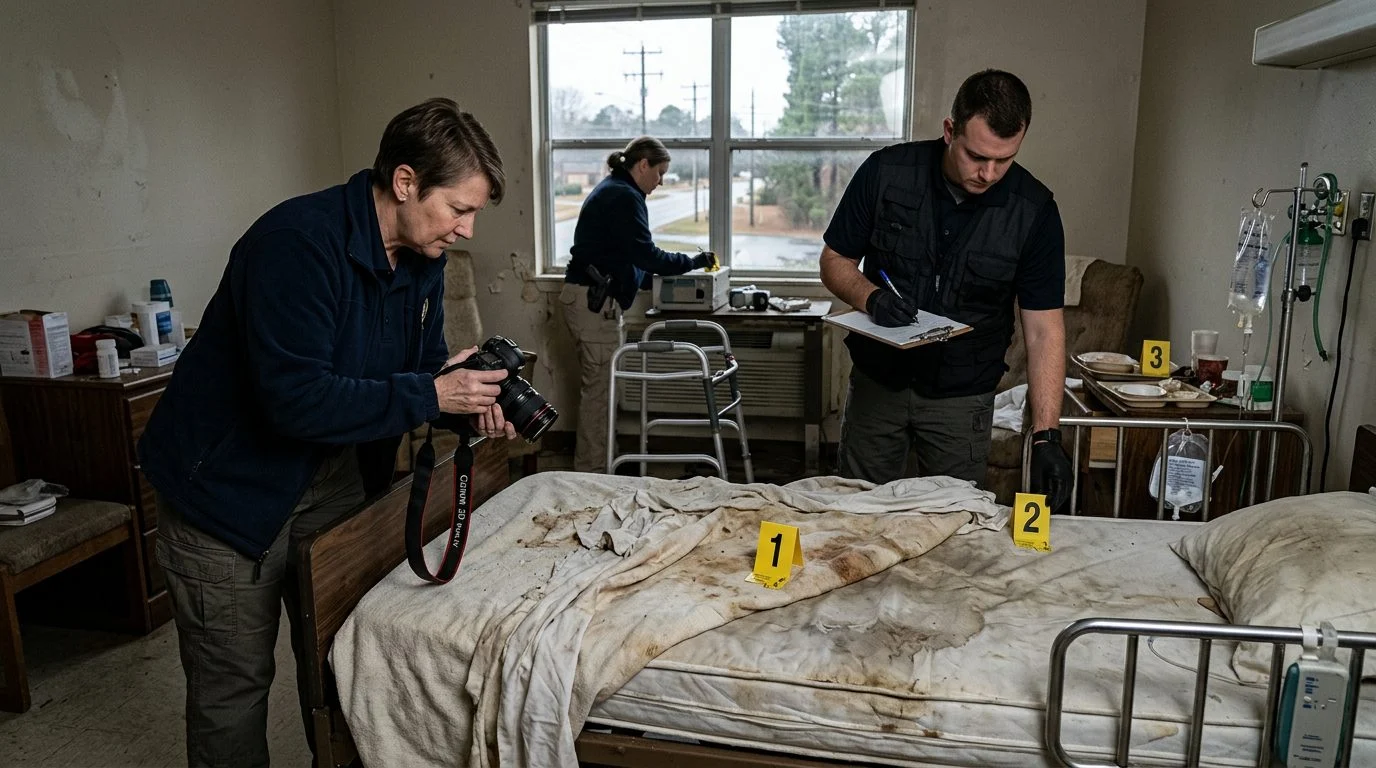
The warning signs to watch for include unexplained bruises, cuts, or burns, sudden weight loss, new pressure sores, and frequent falls. Other signs include poor hygiene, a new fear of a specific caregiver, sudden withdrawal, and soiled bedding left for long periods. Any of these deserves a dated note and a direct question to the facility.
Steps you can take now:
- Keep a dated log of what you observe.
- Photograph any injury, with the date.
- Request the care plan and medication records in writing.
- Ask for a meeting with the director of nursing.
The request must include a HIPAA authorization and a signed written authorization. A person authorized under a durable power of attorney for health care may make that request.
Some changes have medical causes, such as infection or medication effects. Ask a physician to evaluate any sudden change in thinking, mood, or physical condition.
Can a person with dementia still report harm?
A person with dementia can still describe distress, and their words deserve a careful response. Write down what they say, when they say it, and who was nearby.
How do I file a complaint about a nursing home in Georgia?
You can file a complaint with the Healthcare Facility Regulation Division online, by telephone, or by fax. The Georgia Department of Community Health explains the options.
How long do families have to file a claim in Georgia?
Georgia personal-injury lawsuits generally must be filed within two years after the right of action accrues, under the Georgia two-year deadline.
Talk With Our Team About Your Family’s Situation
If your family’s concerns match the warning signs above, our team can talk through what you’ve seen and what options may apply under Georgia law. Reading about dementia and harm is hard when the person is your parent or spouse. You may be tracking medications, visits, and their safety all at once.
You don’t have to sort this out alone. Contact our team for a free case review. The first consultation is free, confidential, and carries no obligation to continue.
Responsible lawyer: Peter F. Jaraysi, Slam Dunk Attorney, Duluth, Georgia.
How our team can help
We listen to your loved one
Our team takes seriously every concern raised by a resident with dementia and by the family members who know them best.
We help organize the facts
Clear records of injuries, changes in condition, and conversations with staff can make a real difference in understanding what happened.
We explain your options in plain language
Our lawyers walk you through the process step by step, so you know what to expect before you decide anything.
We focus on protecting residents
We represent people and families harmed by nursing home abuse and neglect across metro Atlanta and Georgia.
If you believe someone is in danger
If a resident is in immediate danger or has been seriously hurt, make sure they are safe and call 911 first. Then write down what you saw, the date, and the names of anyone who was present.
Warning signs families should not ignore
Unexplained injuries
Bruises, cuts, fractures, or burns without a clear explanation, especially when they recur.
Sudden changes in behavior
New fearfulness, withdrawal, agitation, or reluctance to be near a particular staff member.
Weight loss or dehydration
Visible weight loss, dry skin, or meals and fluids that seem to be going untouched.
Poor hygiene or unsafe conditions
Soiled clothing or bedding, unsanitary rooms, or missed medication and personal care.