
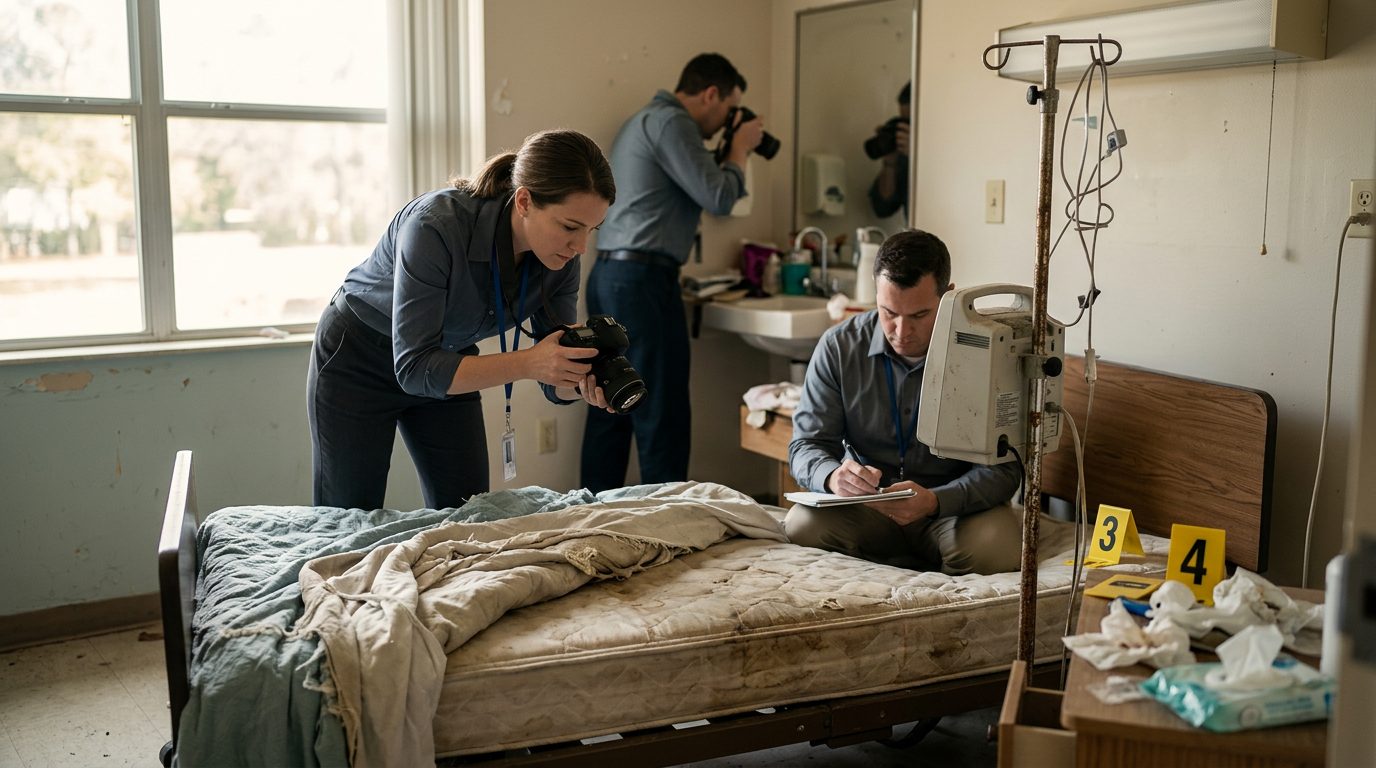
Nursing Home Wrongful Death | Georgia
When Neglect or Abuse Takes a Life
If your loved one died due to nursing home negligence, you deserve answers and accountability. Slam Dunk Attorney investigates these cases and pursues justice for Georgia families.
By Peter F. Jaraysi · Published September 22, 2026
Nursing Home Wrongful Death Claims in Georgia
When a loved one dies in a nursing home due to abuse, neglect, or gross negligence, surviving family members in Georgia have the legal right to file a civil wrongful death claim seeking compensation for their losses. This is a distinct legal action from any criminal prosecution—it focuses on recovering money damages, not criminal penalties. Understanding what these claims cover, how they work, and what timeline you’re facing is essential, because Georgia law imposes a strict deadline that can eliminate your right to sue if missed.
If your family lost a loved one in a Georgia nursing home under circumstances that suggest neglect or abuse, you may have a legal claim—and a strict deadline to file it. Let our team review what happened and explain your options. Talk it through with our team — the first consultation is free, confidential, and carries no obligation.
What Is a Nursing Home Wrongful Death Claim?
A nursing home wrongful death claim is a civil lawsuit filed when a resident dies as a direct result of the facility’s failure to provide proper care, supervision, or medical attention.
This claim is separate from criminal prosecution. While a criminal case seeks to punish the nursing home or individuals for wrongdoing, a civil wrongful death claim seeks financial compensation for the family’s losses. Both can happen, but they operate independently.
Under Georgia law, surviving spouses, adult children, parents, and other dependents may file a wrongful death claim. The specific family members eligible to recover depend on who the deceased resident was supporting or who depended on them for companionship and guidance.
Critical timeline fact: Georgia imposes a strict 2-year statute of limitations from the date of death to file a wrongful death lawsuit. If you do not file within this window, you lose the right to sue entirely. This deadline is not negotiable and does not extend in most circumstances.
Who This Service Is For
Nursing home wrongful death claims are for families who:
- Lost a loved one in a Georgia nursing home under suspicious or neglectful circumstances
- Witnessed warning signs like bedsores, unexplained weight loss, untreated infections, medication errors, or sudden health decline before death
- Are uncertain whether they have a legal claim or what their rights are
- Need experienced legal representation to navigate the claims process and negotiate with nursing homes and their insurance carriers
If you suspect your loved one’s death was caused by nursing home abuse or negligence, this service is designed to help you pursue accountability and recover the compensation your family deserves.
What a Nursing Home Wrongful Death Claim Covers
Nursing home wrongful death claims in Georgia can recover multiple categories of damages:
Medical expenses incurred before death. This includes emergency care, treatment of injuries, infections, or complications that arose from the nursing home’s negligence.
Funeral and burial costs. These are direct, out-of-pocket expenses your family incurred.
Loss of financial support. If the deceased was providing income to a spouse, children, or dependents, you can recover the financial support they would have provided had they lived.
Loss of companionship and emotional support (loss of consortium). This compensates family members for the loss of the relationship, guidance, and emotional bond they had with the deceased.
Pain and suffering endured by the deceased before death. If evidence shows the resident suffered as a result of the nursing home’s negligence—such as pain from bedsores, distress from dehydration, or mental anguish—this can be recovered.
Punitive damages in cases of gross negligence or intentional misconduct. Georgia law allows punitive damages when a nursing home’s conduct was reckless or deliberately indifferent to the resident’s safety. These damages are designed to punish the facility and deter similar conduct.
Attorney fees and case costs. If we recover compensation for you, our fees and reasonable case costs (such as expert fees and court filing fees) are paid from the settlement or judgment, not out of your pocket upfront.
How the Process Works: Step-by-Step
Navigating a nursing home wrongful death claim involves several stages. Here’s what to expect:
Step 1 – Initial Consultation
You meet with our team to discuss the circumstances of your loved one’s death, review available medical records, and establish a timeline. This consultation is free and confidential. We listen to your story and ask detailed questions to understand what happened and whether negligence or abuse played a role.
Step 2 – Investigation
We obtain the nursing home’s records, medical charts, incident reports, and inspection records. We also consult with medical experts to determine whether the facility’s failure to provide proper care, supervision, or medication management directly caused or contributed to the death. Federal nursing home care standards set by CMS (Centers for Medicare & Medicaid Services) establish requirements for nutrition, hydration, infection prevention, medication management, and fall prevention. Violations of these standards can establish negligence.
Step 3 – Demand Letter
We prepare and send a formal demand letter to the nursing home and its insurance carrier. This letter outlines the facts, explains the legal basis for the claim, details the damages your family suffered, and requests a specific amount of compensation.
Step 4 – Negotiation
We negotiate with the nursing home’s legal team and insurance adjuster. Many wrongful death claims settle during this phase without going to trial. We advocate firmly for fair compensation while keeping you informed of all settlement discussions and offers.
Step 5 – Litigation (if needed)
If settlement negotiations do not yield fair compensation, we file a lawsuit and prepare for trial. This includes drafting court filings, conducting discovery (exchanging evidence with the nursing home’s lawyers), taking depositions (recorded testimony), and preparing witnesses and experts for trial.
Step 6 – Resolution
Whether through settlement or a judgment after trial, we ensure you receive the compensation awarded and handle all financial and legal closeout.
Timeline and What to Expect
Understanding the realistic timeline helps you plan and avoid frustration:
- Initial consultation to case decision: 1–2 weeks. We review your situation and decide whether to take your case.
- Investigation phase: 2–4 months. Obtaining records and expert opinions takes time, especially if medical causation is complex.
- Demand and negotiation: 1–3 months. The nursing home and its insurer may respond quickly or drag out negotiations.
- Settlement or litigation: Most cases settle within 6–12 months. If the case goes to trial, resolution may take 1–2 years.
- Payment: After settlement or judgment, funds are typically received within 30–60 days.
Remember: Georgia’s 2-year deadline from the date of death is absolute. Do not delay in reaching out if you believe your loved one’s death was caused by nursing home negligence.
Not sure what your next step is?
Talk it through with our team — the first consultation is free, confidential, and carries no obligation.
Why Slam Dunk Attorney Handles Nursing Home Wrongful Death Claims
In-depth experience. We focus exclusively on personal injury and wrongful death claims across Georgia, including nursing home abuse and neglect cases. We understand the legal landscape and the tactics nursing home insurers use.
Local knowledge. Based in Duluth, Georgia, we are familiar with state regulations, nursing home standards, and how Georgia courts handle wrongful death claims. We know the judges, the local bar, and the insurance carriers involved in these cases.
Medical experience. Proving that a nursing home’s negligence caused death requires strong medical evidence. We work with qualified medical experts who can establish causation—that the facility’s failure to provide proper care directly caused or substantially contributed to the resident’s death.
Negotiation strength. We negotiate firmly with nursing home insurers and are fully prepared to take cases to trial if the nursing home and its insurer refuse to offer reasonable compensation.
Family-centered approach. We handle the legal burden so your family can grieve and focus on what matters. We communicate clearly, keep you informed at every stage, and treat you with the empathy and respect your situation deserves.
No upfront costs. We work on a contingency basis—you pay nothing unless we recover compensation for you. (Note: You may still be responsible for certain case costs, such as expert fees or court filing fees, which we discuss upfront and only pursue with your approval.)
Common Questions About Nursing Home Wrongful Death Claims
Q: How do I know if my loved one’s death was caused by nursing home abuse or neglect?
A: Warning signs include unexplained injuries, pressure ulcers (bedsores), severe unintentional weight loss, untreated infections, medication errors, or a sudden unexplained decline in health or mental status. We investigate thoroughly and consult medical experts to determine whether negligence caused the death.
Q: What if the nursing home says it was “natural causes”?
A: We obtain independent medical records and expert opinions. If the nursing home failed to provide proper care, supervision, or medical attention, that negligence can be the cause of death even if an underlying condition existed. Negligence and natural disease can coexist.
Q: How much can I recover?
A: Every case is unique and depends on the deceased’s age, earning capacity, the severity of neglect or abuse, and the strength of evidence. We do not guarantee or predict a specific amount, but we work to maximize what your family receives based on the facts and applicable law.
Q: Can I still file a claim if my loved one died years ago?
A: Georgia law generally allows 2 years from the date of death. If more time has passed, you may have lost the right to sue. Contact us immediately to discuss your specific situation—we can review the exact date and advise you.
Q: What if I’m not sure whether I have a valid claim?
A: That’s exactly why we offer a free case review. We’ll evaluate the facts, explain your legal options, and tell you honestly whether we believe you have a claim worth pursuing.
Q: Will this case go to trial?
A: Most nursing home wrongful death cases settle before trial, but we prepare every case as if it will go to court. We’re ready to litigate if the nursing home and its insurer won’t offer fair compensation for your family’s losses.

Get Your Free Case Review Today
If your family lost a loved one in a Georgia nursing home and you suspect abuse, neglect, or gross negligence caused the death, you have legal rights—and a limited window to act. Families in your situation reach out to us regularly, and we’re here to listen, investigate, and fight for the compensation you deserve.
Request a free consultation or call us today for a free case review. We’ll review what happened, explain your legal options, and answer your questions—with no obligation and no upfront cost.
Warning Signs of Neglect or Abuse
Unexplained injuries, pressure ulcers (bedsores), severe unintentional weight loss, untreated infections, medication errors, sudden decline in health or mental status, or signs of physical or emotional abuse may indicate negligence. If you noticed these before your loved one's death, preserve all medical records and report details to us immediately.
Why Choose Slam Dunk Attorney
Thorough Investigation
We work with medical experts to determine whether negligence or abuse caused your loved one's death, examining care records, facility policies, and staff conduct.
Compassionate Guidance
We understand the pain of losing a family member to preventable harm. We listen, answer your questions, and guide you through every step in plain language.
No Upfront Fees
We work on a contingent fee basis—no fees unless there is a recovery. You may still owe certain case costs; we'll discuss those clearly upfront.
Focused on Georgia
Based in Duluth and serving families across metro Atlanta and Georgia, we know the state's laws and the facilities in your community.
What Happens Next
Free Consultation
Contact us to discuss what happened and what you've observed. We listen without judgment and explain your options clearly.
Case Investigation
We obtain medical records, facility documentation, and expert opinions to build a clear picture of whether negligence or abuse occurred.
Pursuit of Justice
We pursue accountability and fair compensation for your family's loss, negotiating with the facility or pursuing litigation if necessary.
Your Family Deserves Answers
Related practice areas
- Nursing Home Dehydration & Malnutrition Claims GA