
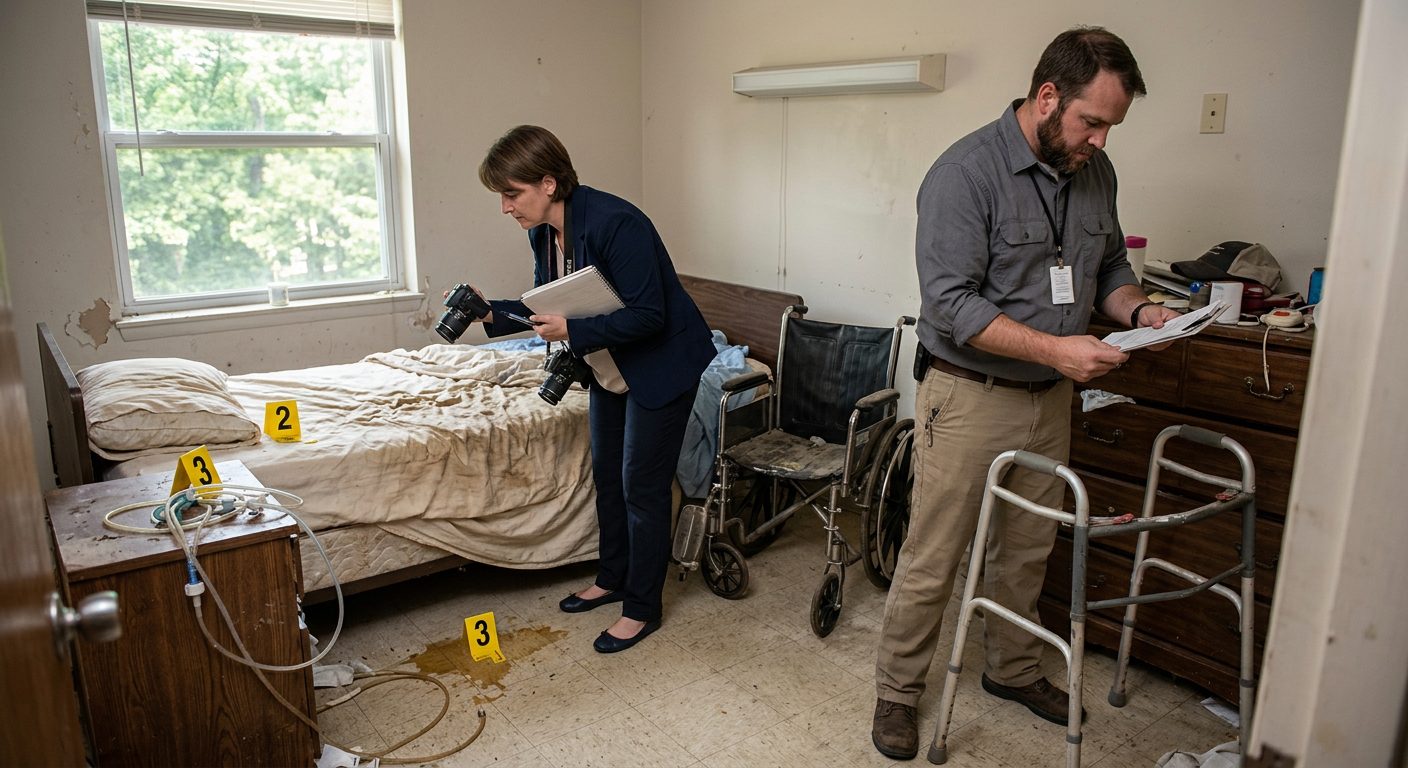
Nursing Home Abuse in Norcross
Know the Signs of Nursing Home Abuse
Recognizing mistreatment and neglect is the first step toward protecting your loved one. Learn what to watch for and what to do.
By Peter F. Jaraysi · Published September 18, 2026
Nursing Home Abuse in Norcross: What Families Need to Know
Nursing home abuse and neglect happen when a facility fails to provide safe care or deliberately mistreats a resident—and it can take many forms, from unexplained injuries and poor hygiene to emotional mistreatment or financial exploitation. If you suspect your loved one is being abused or neglected at a Norcross nursing home or assisted living facility, knowing the warning signs and your legal rights is the first step toward protecting them.
If you've noticed unexplained injuries, behavioral changes, or concerning conditions in your loved one's care—many Norcross families reach out to discuss what they've witnessed and explore their options. Talk it through with our team — the first consultation is free, confidential, and carries no obligation.
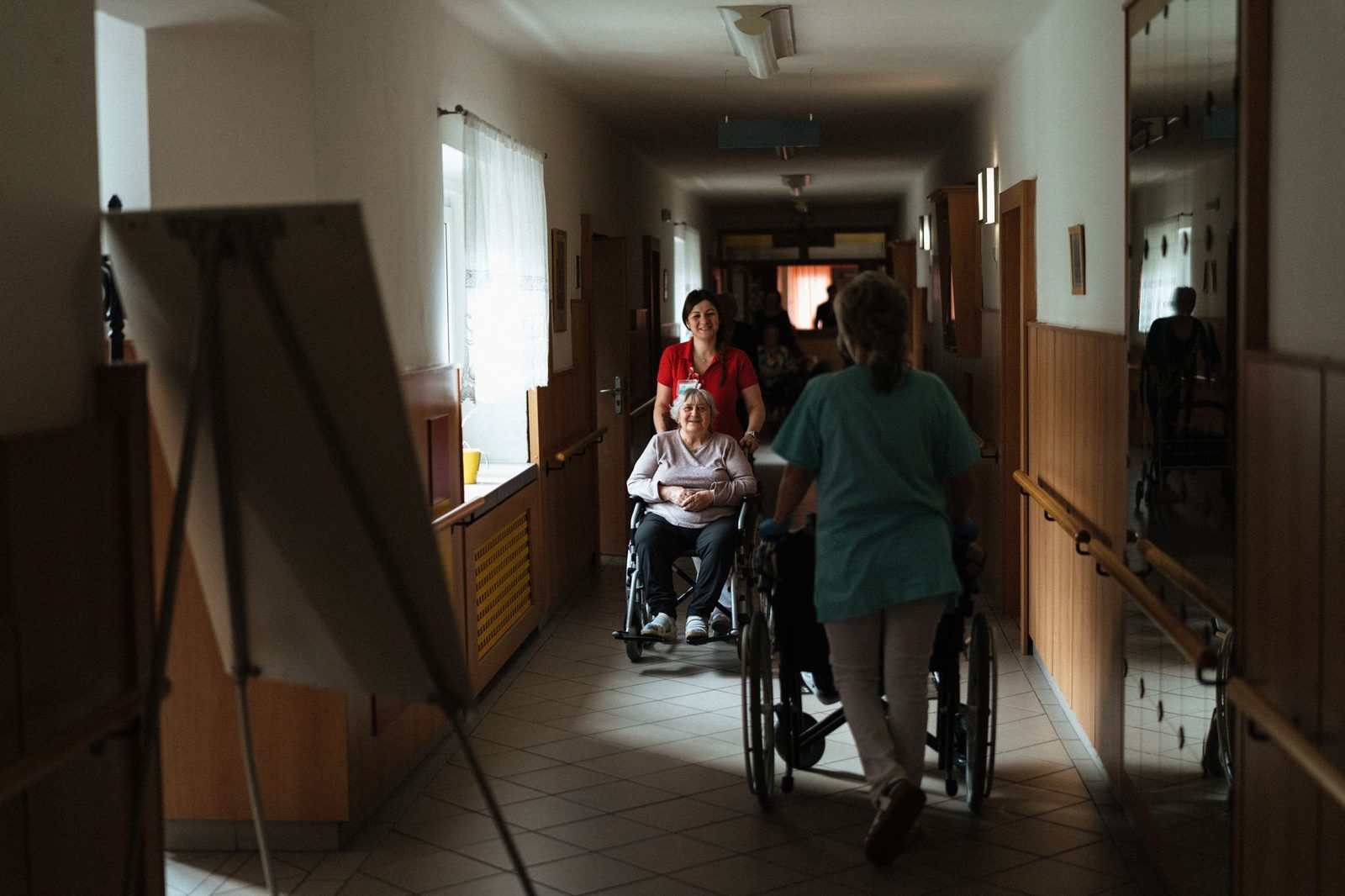
Nursing Home Abuse and Neglect in Norcross
Nursing home abuse encompasses physical, emotional, financial, and sexual mistreatment, as well as neglect—the failure to provide food, medication, hygiene, medical care, or adequate supervision. Norcross families turn to legal help when they witness or suspect mistreatment because facilities have a legal duty to protect residents from harm, and when they fail, residents and their families have the right to seek accountability.
Norcross and the surrounding metro Atlanta area are home to dozens of nursing homes and assisted living facilities. Like facilities everywhere, they vary widely in staffing quality, oversight, and adherence to safety standards. Some warning signs of potential abuse or neglect are visible to family members; others emerge only through careful documentation and investigation.
Warning Signs of Abuse and Neglect
Physical indicators often appear first. Watch for unexplained bruises, cuts, burns, or fractures—especially in patterns that don’t match the resident’s mobility or medical condition. Poor hygiene, weight loss without medical explanation, untreated bedsores, and medication errors are also red flags. Facilities have a duty to maintain cleanliness and administer medications correctly; failure to do so may signal neglect.
Behavioral changes can be equally telling. If your loved one suddenly becomes withdrawn, fearful, or anxious around staff members, or if their mood shifts dramatically, these changes warrant attention. Residents who’ve experienced abuse often become reluctant to talk about their day or show signs of depression or confusion that weren’t present before.
Environmental red flags matter too. During visits, observe staffing levels. Are residents left unattended for long periods? Is the facility clean and well-maintained? Do staff members respond promptly to resident needs? Inadequate staffing, poor sanitation, and lack of supervision create conditions where abuse and neglect thrive.
Financial warning signs are often overlooked. Unexplained withdrawals from a resident’s bank account, sudden changes to a will or power of attorney, or missing jewelry and personal items can indicate financial exploitation. Ask to review your loved one’s financial statements regularly if you have power of attorney or guardianship.
Types of Nursing Home Abuse
Physical abuse and assault occur when staff members or other residents intentionally harm a resident through hitting, pushing, restraining, or rough handling.
Emotional and psychological abuse includes verbal threats, humiliation, intimidation, isolation, or deliberate withholding of care as punishment. This form of abuse often leaves no visible marks but causes deep psychological harm.
Sexual abuse and assault range from unwanted touching to rape. Facilities must protect residents from sexual predators, including other residents and staff.
Financial exploitation happens when someone misuses a resident’s money, property, or identity for personal gain. This can involve staff, family members, or outsiders who gain access to financial information.
Neglect is the failure to provide basic care—food, water, medication, hygiene, medical attention, or supervision. Understaffed facilities often cannot meet residents’ needs, resulting in neglect even without intentional abuse.
Your Rights Under Georgia Law
Georgia nursing homes and assisted living facilities are required to meet federal standards set by the Centers for Medicare & Medicaid Services (CMS) and comply with state regulations. Under Georgia law, facilities have a duty of care to protect residents from harm and provide adequate supervision, staffing, and medical attention.
When a facility breaches this duty and a resident is injured as a result, the facility and its staff can be held civilly liable. This means you may have grounds to pursue a claim for compensation to cover medical expenses, pain and suffering, and other damages resulting from the abuse or neglect.
Georgia residents and their families have the right to report suspected abuse to the Georgia Department of Community Health (DCH) or Adult Protective Services (APS). Facilities are required by law to investigate complaints and document their findings. You can also file a complaint with CMS through their nursing home inspection program, which maintains records of violations and enforcement actions.
The statute of limitations—the deadline for filing a lawsuit—varies depending on the type of claim and when the injury was discovered. For personal injury claims, Georgia typically allows two years from the date of injury or discovery (O.C.G.A. § 9-3-33; Cameron v. JMP Pizza, Inc. (2026)). For wrongful death claims, the timeline may differ. Prompt legal consultation is critical to protect your claim.
What to Do If You Suspect Abuse
Document everything. Write down dates, times, specific incidents, and the names of staff members involved. Take photos of injuries or concerning conditions if it’s safe to do so. Keep records of your loved one’s medical reports, medication lists, and any changes in their physical or mental condition.
Report to facility management. Notify the facility’s administrator or director in writing and request written acknowledgment of your complaint. Keep a copy for your records. This creates a paper trail and puts the facility on notice.
File a formal complaint. Contact the Georgia Department of Community Health or Adult Protective Services to report suspected abuse. These agencies investigate complaints and can take regulatory action against facilities that violate standards.
Seek medical evaluation. Have your loved one examined by a physician who can document injuries, conditions, or medication errors. Medical documentation is essential evidence in any legal claim.
Consult with an attorney. An attorney experienced in nursing home abuse cases can review your situation, investigate the facility’s practices and staffing records, and advise you on your legal options. Early consultation protects your rights and ensures you meet critical deadlines.
Not sure what your next step is?
Talk it through with our team — the first consultation is free, confidential, and carries no obligation.
How Slam Dunk Attorney Can Help
Our team investigates nursing home abuse cases thoroughly. We review facility staffing records, incident reports, inspection histories, and regulatory violations. We coordinate with medical experts to document the harm your loved one suffered and establish a clear link between the facility’s failure and the injury.
We negotiate directly with the facility’s insurance company and legal representatives to pursue fair compensation. If settlement discussions don’t yield a reasonable result, we’re prepared to represent you in litigation.
We work on a contingency basis—you pay no upfront fees, and you pay attorney fees only if we recover compensation for you. You may still owe case costs (such as expert witness fees or court filing fees), which we’ll discuss transparently upfront.
Why Choose a Local Georgia Nursing Home Abuse Attorney
A local attorney knows the Norcross and metro Atlanta nursing home landscape. We’re familiar with specific facilities, their histories, regulatory records, and patterns of violations. We understand Georgia state law and how it applies to nursing home duty of care, resident rights, and civil liability.
We have direct access to local medical experts, investigators, and other professionals who can strengthen your case. We navigate Georgia’s civil litigation process efficiently and know how insurance companies in our region typically handle these claims.
Most importantly, we understand the emotional weight of discovering that your loved one may have been harmed in a place meant to be safe. We approach every case with the seriousness and compassion it deserves.
Frequently Asked Questions
What is the difference between nursing home abuse and neglect?
Abuse is intentional mistreatment (physical, emotional, sexual, or financial); neglect is the failure to provide necessary care. Both are actionable under Georgia law.
How do I report nursing home abuse to authorities?
Contact the Georgia Department of Community Health or Adult Protective Services with details of your concerns. You can also file a complaint with CMS through their nursing home inspection program.
Can I sue a nursing home for abuse or neglect?
Yes. If a facility breaches its duty of care and your loved one is injured, you may pursue a civil claim for compensation.
How long do I have to file a claim?
Georgia’s statute of limitations for personal injury claims is generally two years from the date of injury or discovery (O.C.G.A. § 9-3-33; Cameron v. JMP Pizza, Inc. (2026)). Wrongful death claims may have different timelines. Consult an attorney promptly to protect your rights.
What compensation can I recover?
Compensation may include medical expenses, pain and suffering, emotional distress, loss of enjoyment of life, and in wrongful death cases, funeral costs and loss of companionship.
Will my case go to trial?
Many cases settle before trial. We’ll pursue the best outcome for your situation, whether through negotiation or litigation.
If you’ve noticed unexplained injuries, behavioral changes, or concerning conditions in your loved one’s care—many Norcross families reach out to discuss what they’ve witnessed and explore their options. Contact Slam Dunk Attorney for a free case review today. We’re here to listen and help you protect your loved one.
Abuse vs. Neglect
Abuse is intentional mistreatment—physical, emotional, sexual, or financial. Neglect is the failure to provide necessary care. Both are actionable under Georgia law, and both demand immediate attention.
Warning Signs to Watch For
Physical Signs
Unexplained bruises, burns, fractures, poor hygiene, weight loss, or injuries that don't match the explanation given. These may indicate physical abuse or severe neglect.
Behavioral Changes
Sudden withdrawal, fear of staff, depression, anxiety, or reluctance to discuss daily life. Emotional abuse and neglect often show up in mood and personality shifts.
Financial Red Flags
Unexplained withdrawals, missing valuables, sudden changes to wills or power of attorney, or bills going unpaid. Financial exploitation is a serious form of abuse.
Care Neglect
Untreated medical conditions, medication errors, unsanitary living conditions, or lack of supervision. Neglect puts residents at serious risk of harm.
What You Should Do
Document Everything
Keep detailed notes of dates, times, injuries, behavioral changes, and conversations. Photos and written records are valuable evidence.
Report to Authorities
Contact the Georgia Department of Community Health or Adult Protective Services to file an official report. These agencies investigate nursing home complaints.
Speak with a Lawyer
A personal injury attorney can review your situation, explain your options, and help you pursue accountability and compensation for your loved one's suffering.