
Nursing Home Abuse | Duluth, Georgia and Metro Atlanta
Holding Nursing Homes Accountable for Abuse and Neglect
Slam Dunk Attorney helps families across Georgia understand their options when a loved one has been harmed in a nursing home. Our first consultation is free, confidential, and comes with no obligation to continue.
By Peter F. Jaraysi · Published November 4, 2026
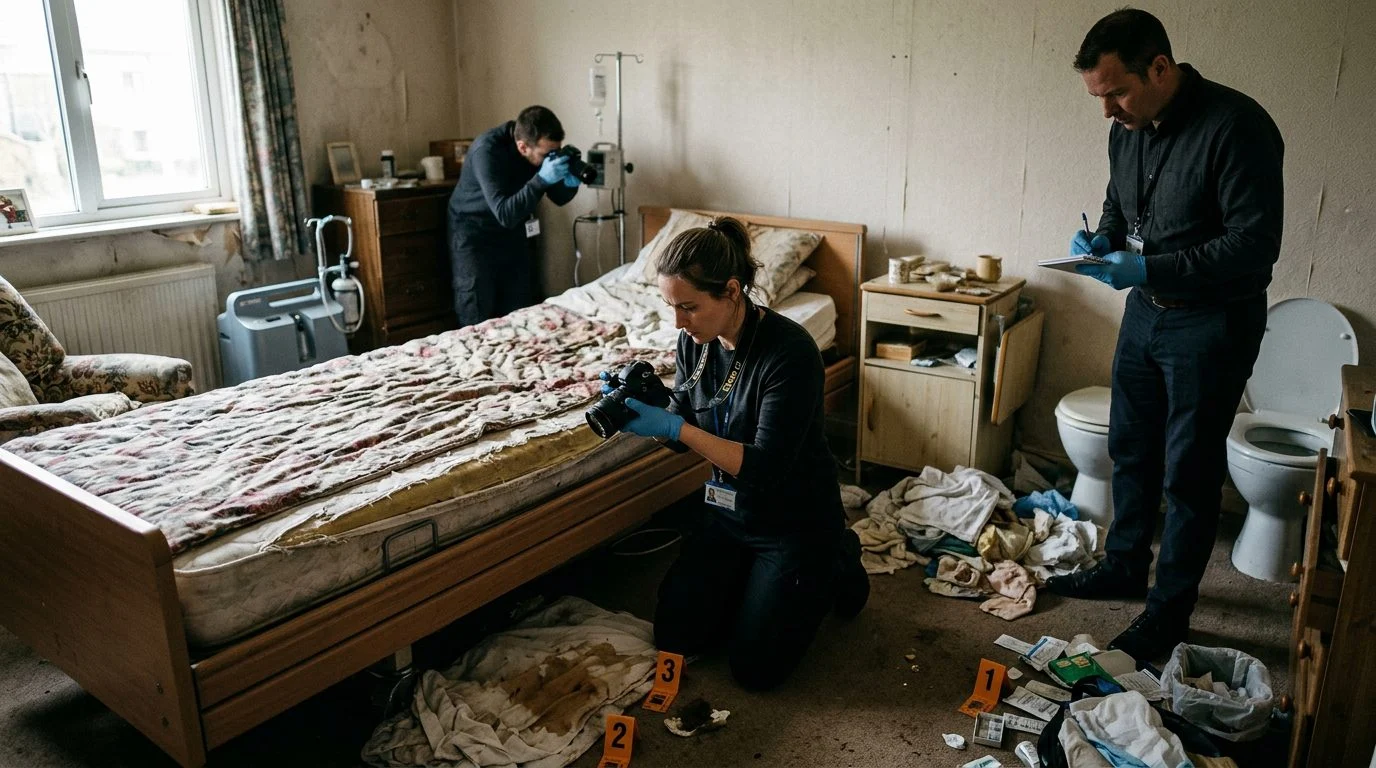
Compensation for nursing home abuse in Georgia can cover the medical costs and other losses a resident suffered because of the abuse. The amount depends on the facts of each case. Physical and chemical restraints are a form of abuse many families don’t recognize at first. This guide explains what they look like, what signs to watch for, and how a claim is generally built.
What Counts as Restraint Abuse in a Georgia Nursing Home
Restraint abuse is using physical or chemical means to control a resident when that control is not medically needed. A restraint is not automatically abuse. The real questions are whether it was necessary, ordered by a physician, monitored, and documented. Georgia law adds its own duty. Under O.C.G.A. § 31-8-108(a), each resident must receive care with reasonable care and skill and with respect for personal dignity and privacy. For the broader picture, read our nursing home abuse guide.
If you are worried about how your loved one is being restrained or sedated, our team can talk through what you have seen with you. Talk it through with our team — the first consultation is free, confidential, and carries no obligation.
Physical Restraints: What They Look Like and Why They Matter
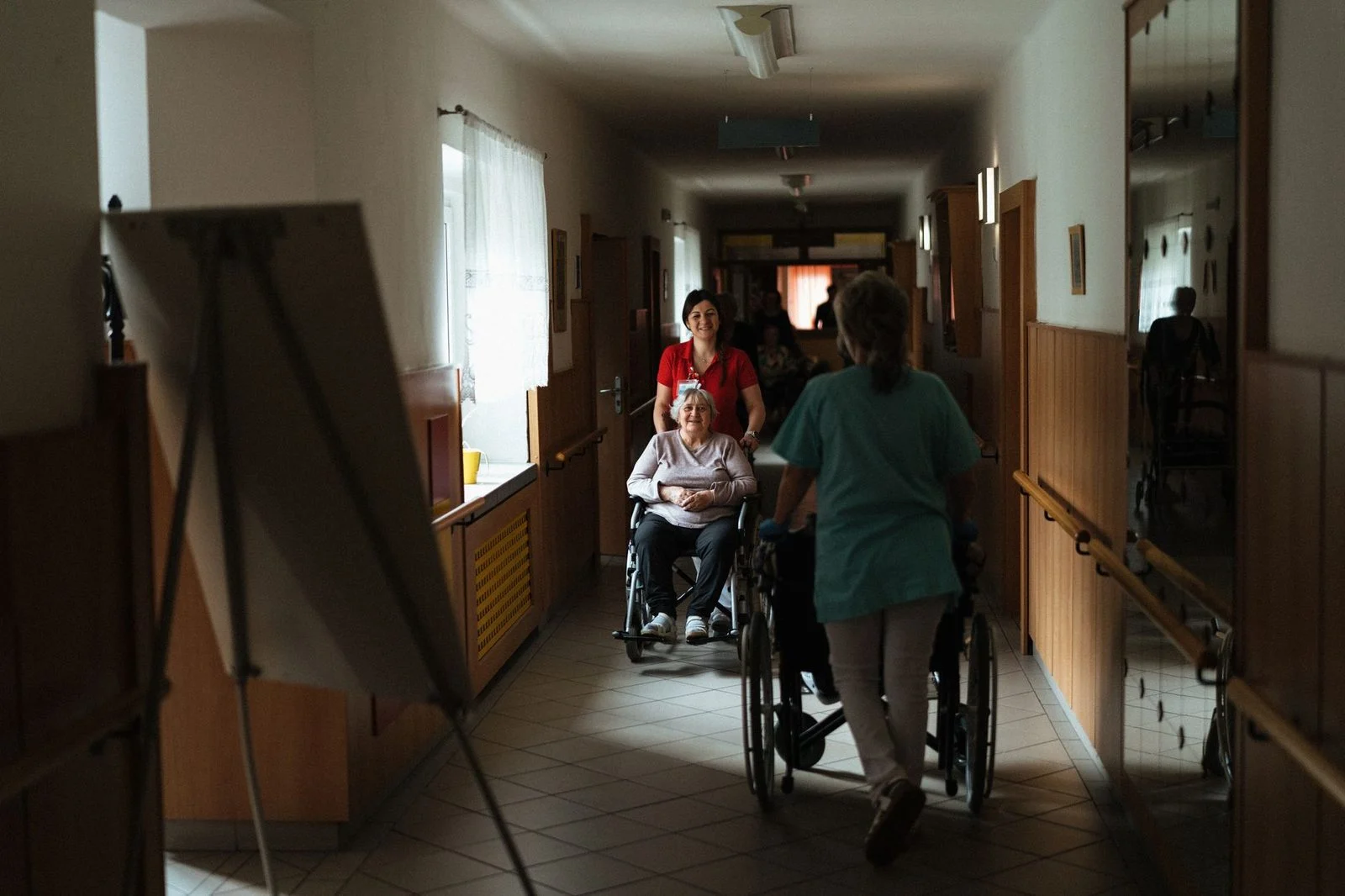
A physical restraint is anything that limits a resident’s movement. Common examples include bed rails that trap a resident instead of helping them get up, limbs tied or strapped down, and chairs fitted so a resident cannot stand. Lap belts and vests used without a clinical reason also count. Each of these carries real risk. A resident can fall while climbing over rails. Straps can burn the skin. Someone kept still for long periods can develop pressure sores and lose strength. Families can act on this now. Ask for the resident’s current restraint orders and care plan. Then compare the paperwork with what you see on visits. A restraint listed in the chart but missing from the room, or in the room but not in the chart, is a gap worth writing down. Georgia law gives residents and guardians a right to take part in planning care. Under O.C.G.A. § 31-8-108(b)(2), they must be told each time a substantial change in the treatment plan is made.
Chemical Restraints: Over-Sedation Used to Control Residents
A chemical restraint is a sedating or psychotropic medication used to control behavior, or for the facility’s convenience, rather than to treat a diagnosed medical condition. Staff may use it to quiet a resident who wanders, calls out, or is hard to manage. A medication can have a doctor’s signature and still work as a restraint if no diagnosis supports it. Watch for signs of over-sedation. These include unusual daytime sleepiness, slurred speech, unsteady walking, drooling, pulling away from meals and activities, and a sudden drop in alertness. When you see these changes, ask for the medication administration record. This chart shows each dose given and when. Ask for the physician’s order, the diagnosis it is based on, and the date of the last review. Under O.C.G.A. § 31-8-108(b)(5), the facility must report a significant change in a resident’s health status to persons the resident chooses, within a reasonable time.
Warning Signs of Restraint Abuse, Including in Residents With Dementia
Warning signs include new bruises, rope marks or scrapes on the wrists and ankles, pressure sores, unexplained falls, weight loss, and dehydration. Another sign is a resident who seems afraid of staff or of one particular caregiver. Residents with dementia often cannot explain what happened to them. Changes in mood, sleep, or eating may be the only clues. A resident who suddenly pulls away from touch may be telling you something. Still, behavior changes have many possible causes. Infection, pain, a new illness, and medication changes can all look similar. That is why a medical evaluation and a review of the records should come before anyone draws conclusions. Write down dates, times, and exactly what you saw. Specific notes are more useful than general impressions. The state oversees Georgia’s long-term care facilities. The Georgia Department of Community Health page explains how that oversight and its inspections work.
Evidence That Can Support a Nursing Home Abuse Claim
The strongest evidence usually sits in the facility’s own paperwork. Key records include medical charts, physician orders, restraint and psychotropic medication orders, medication administration records, care plans, incident and fall reports, staffing schedules, and visitor logs. Under O.C.G.A. § 31-8-108(b)(6), a resident may access medical records and receive copies unless medically contraindicated. Under this section, a resident or the resident’s guardian may access medical records and receive copies unless medically contraindicated. The facility may charge a reasonable copying fee, not more than its actual cost. Families can also keep their own evidence. Take dated photos of visible injuries. Keep a written journal of visits, observations, and conversations with staff. Save any messages from staff. Note the names of staff on duty and anyone else who saw something. Don’t wait to gather these items. Start a folder today. A lawyer can help decide which records matter most and how to preserve them.
Can a Family File a Nursing Home Abuse Lawsuit in Georgia?
A harmed resident may have a claim, and a family may be able to bring it, depending on the facts. Under O.C.G.A. § 31-8-126(a), a person harmed because a long-term care facility violated a right has a cause of action for damages against that facility. If a resident has died, Georgia’s wrongful death statute may apply. Under O.C.G.A. § 51-4-2, a surviving spouse, or a child if there is no surviving spouse, may recover for the death of a spouse or parent. Responsible parties can include the facility operator, a management company, or individual staff members, depending on the facts. Timing matters. Under O.C.G.A. § 9-3-33, Georgia generally requires actions for injuries to the person to be brought within two years after the right of action accrues, except loss of consortium actions, which must be brought within four years. Other rules can apply, so act promptly. For local context, see our Georgia nursing home abuse guide and Atlanta guide.
Not sure what your next step is?
Talk it through with our team — the first consultation is free, confidential, and carries no obligation.
How Compensation for Nursing Home Abuse Is Generally Structured
Compensation is built from the losses the law recognizes. General damages are those the law presumes flow from a wrongful act. Under O.C.G.A. § 51-12-2(a), they can be recovered without proof of any amount. Special damages must be proved, such as bills and receipts, under § 51-12-2(b). For medical costs, Georgia limits recovery to the reasonable value of medically necessary care under O.C.G.A. § 51-12-1.1(b). When a death results from a crime or from criminal or other negligence, the personal representative is entitled to recover funeral, medical, and other necessary expenses, under O.C.G.A. § 51-4-5(b). Fault also matters. Under O.C.G.A. § 51-12-33(a), damages are reduced in proportion to the plaintiff’s share of fault. Under § 51-12-33(g), a plaintiff who is 50 percent or more responsible recovers no damages. Every claim is different, and its value depends on the facts.
Frequently Asked Questions
Is restraint abuse part of nursing home abuse?
Yes. Physical or chemical restraint used without medical need can be part of an abuse claim.
Can I see my parent’s records?
A resident or guardian may access medical records and receive copies unless medically contraindicated, subject to a reasonable copying fee that does not exceed actual cost.
How long do I have to act?
Georgia generally requires injury lawsuits within two years, but other rules can apply to your facts.
Steps to Take Now If You Suspect Restraint Abuse
Start with your loved one’s health. Make sure they get a prompt medical evaluation. Then request restraint orders, medication records, and the care plan in writing. Keep copies of everything you send and receive. Write down every concern with dates, times, and specific observations. Note who was on duty and what they said. Keep a simple calendar of your visits. Bring these notes to any conversation about your options. Our team can review these facts with you. Any review will depend on what the records show, so bring as much detail as you can.
Talk With Our Team About Your Loved One’s Situation
Many families reach this point while watching a parent or relative in a care facility. You may notice marks, unusual sleepiness, or sudden changes. You may be unsure whether to ask hard questions of the staff. You don’t have to sort through those questions by yourself. Our first consultation is free, confidential, and carries no obligation to continue. You can contact our team here to talk through what you have seen.
This page is general information, not legal advice. Responsible lawyer: Peter F. Jaraysi, Slam Dunk Attorney, Duluth, Georgia. Contact information is available on our contact page.
How We Approach These Cases
Compassion First
We understand that deciding to pursue a claim is hard when your loved one is vulnerable. We listen first and explain each step in plain language.
Careful Review of Records
Medical charts, incident reports, staffing information, and facility policies often tell an important story. We work to gather and review what matters.
Clear Communication
You will know what we are doing, why we are doing it, and what questions remain, so you can make informed decisions for your family.
Focus on Protecting Residents
We pursue fair compensation for the harm residents suffer and aim to hold facilities responsible for the care they are required to provide.
If Someone Is in Immediate Danger
If a resident is hurt, being threatened, or is not receiving necessary care right now, contact emergency services or the facility's medical staff first. Then reach out to us so we can talk through your options.
Common Concerns Families Bring to Us
Physical Injuries
Unexplained bruises, fractures, falls, pressure sores, or injuries that the facility cannot clearly explain.
Neglect of Basic Needs
Poor hygiene, dehydration, malnutrition, missed medications, or lack of supervision that leaves a resident at risk.
Emotional and Financial Abuse
Changes in mood or withdrawal, or concerns about misuse of a resident's money, property, or personal information.
Wrongful Death
When a resident dies as a result of abuse or neglect, surviving family members may have questions about their rights and next steps.