
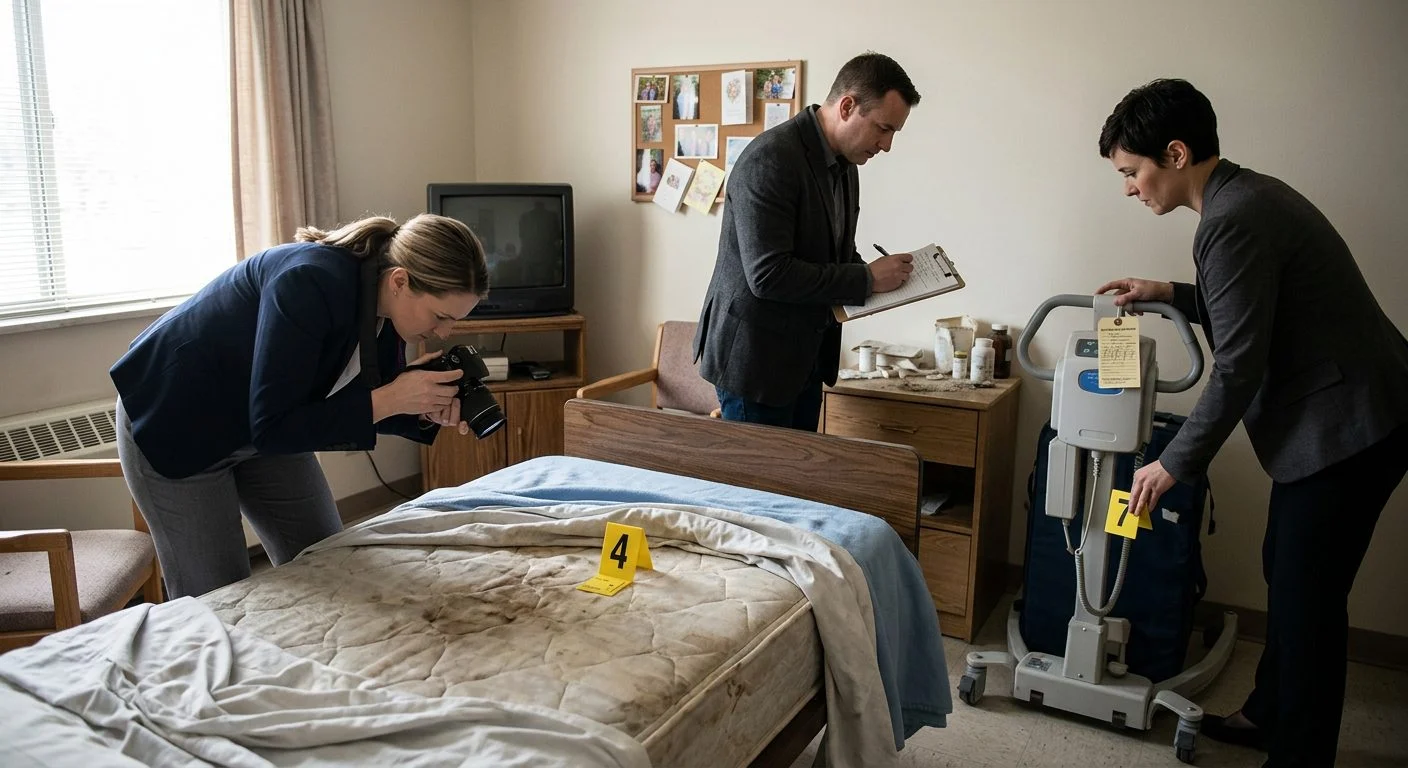
Nursing Home Abuse & Neglect
When a Nursing Home Fails to Protect Your Loved One
Nursing home neglect can cause serious harm. We help families understand what happened and pursue accountability.
By Peter F. Jaraysi · Published September 18, 2026
Nursing Home Neglect Claims in Georgia: What You Need to Know
Nursing home neglect occurs when a facility fails to provide necessary care, supervision, or assistance, resulting in harm or risk of harm to a resident. In Georgia, families who believe their loved one has suffered neglect have the right to pursue a claim for compensation under premises liability and negligence law. This guide explains what neglect is, what a claim covers, how the process works, and why Slam Dunk Attorney is equipped to help you navigate this difficult situation.
If your loved one has suffered unexplained injuries, bedsores, weight loss, or other signs of neglect in a Georgia nursing home, you may have a claim—and families in your situation can contact us for a free case review. Talk it through with our team — the first consultation is free, confidential, and carries no obligation.
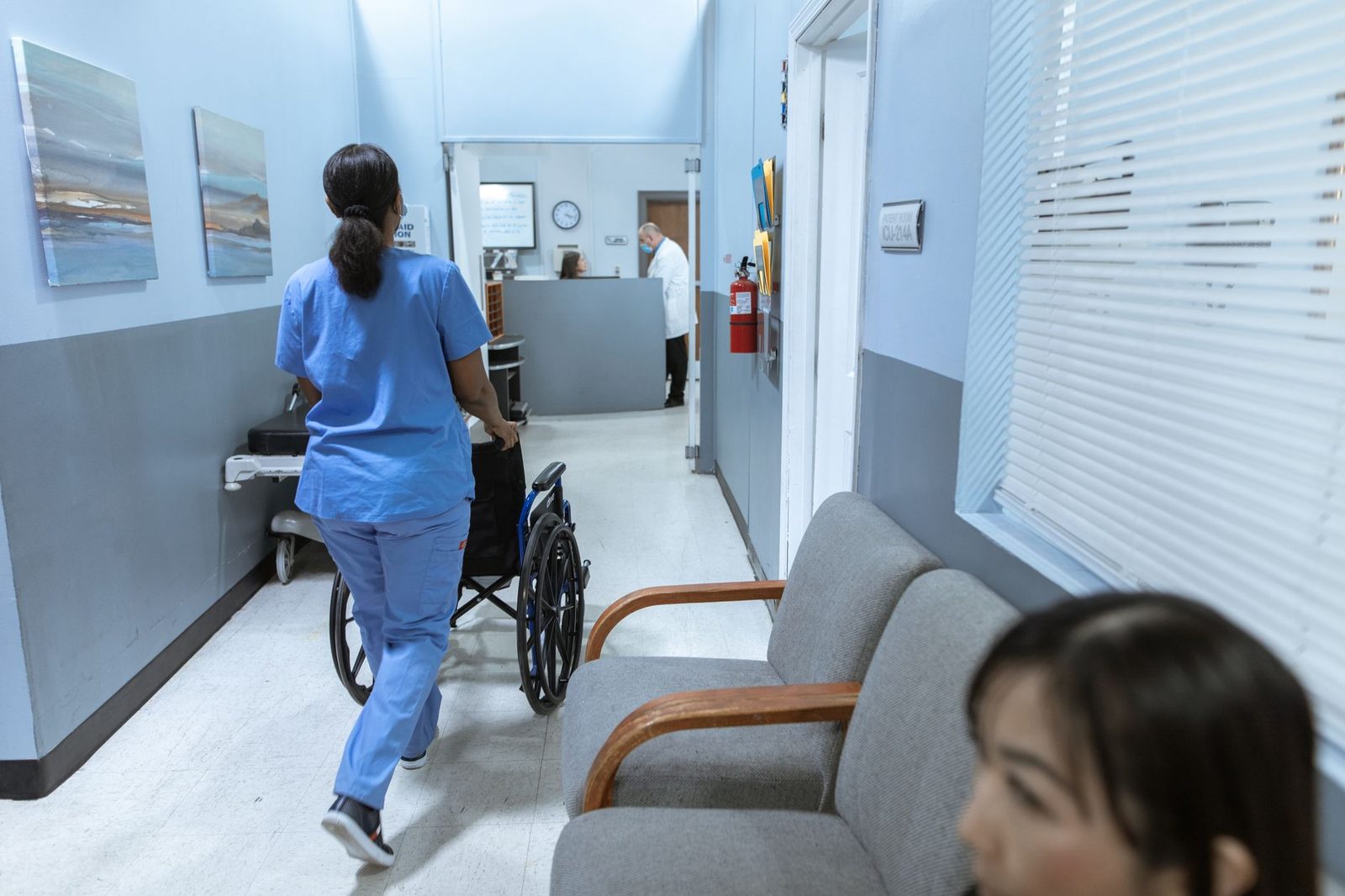
What Is Nursing Home Neglect and Who Can File a Claim?
Nursing home neglect is the failure to provide required care, supervision, or assistance that causes harm to a resident. Under Georgia law, nursing homes have a duty of care to their residents as invitees on the property. When a facility breaches that duty—by failing to provide adequate nutrition, hygiene, medication management, supervision, or medical attention—and that failure results in injury or illness, the facility may be held liable.
Common examples of nursing home neglect include:
- Inadequate nutrition or hydration leading to malnutrition or dehydration
- Poor personal hygiene due to lack of bathing or toileting assistance
- Untreated bedsores (pressure injuries) from prolonged immobility without repositioning
- Medication errors or missed doses
- Falls without intervention or failure to use fall-prevention devices
- Lack of supervision during emergencies or high-risk situations
- Abandonment or failure to respond to calls for help
- Untreated infections or medical conditions
Who can file a claim:
- Adult children and family members of the resident
- Court-appointed guardians or healthcare proxies
- The resident themselves, if they are mentally competent
- The estate representative, if the resident has passed away (wrongful death claim)
What a Nursing Home Neglect Claim Covers
A successful nursing home neglect claim in Georgia may recover several types of damages. It’s important to understand what is included so you know what to expect—and what is not guaranteed.
Medical expenses cover emergency care, hospitalization, surgery, ongoing treatment, rehabilitation, and medications needed to address injuries or conditions caused by the neglect. If your loved one developed bedsores, suffered a fall injury, or contracted an infection due to poor hygiene, those treatment costs may be recoverable.
Pain and suffering compensates the resident for physical pain, emotional distress, anxiety, depression, loss of enjoyment of life, and diminished quality of life resulting from the neglect. This is separate from medical bills and reflects the human cost of the harm.
Lost wages may be recovered if you or another family member took unpaid leave from work to provide care, manage medical appointments, or address the situation created by the neglect.
Punitive damages are available in cases of gross negligence or reckless conduct by the facility. Georgia law allows these damages to punish egregious behavior and deter similar conduct in the future. However, punitive damages require clear and convincing evidence of the facility’s wrongdoing.
Wrongful death damages apply if neglect contributed to the resident’s death. These may include funeral and burial costs, loss of companionship, loss of financial support, and the resident’s pain and suffering before death.
What is not covered: We do not guarantee specific dollar amounts or settlement figures. Each case is unique and depends on the severity of harm, quality of evidence, facility resources, and other factors. Any attorney who promises a specific outcome is not being honest with you.
Signs of Nursing Home Neglect to Watch For
Recognizing the warning signs of neglect is crucial. If you visit your loved one regularly, pay attention to physical changes, behavioral shifts, and environmental conditions.
Physical indicators include unexplained injuries or bruises, bedsores or pressure injuries on the heels, tailbone, or other pressure points, poor personal hygiene (dirty clothes, unwashed hair, body odor), significant weight loss or gain, signs of dehydration (dry skin, sunken eyes), and untreated infections or wounds.
Behavioral changes may signal distress or fear. Watch for withdrawal from activities they once enjoyed, depression or anxiety, reluctance to discuss the facility or staff, fear when certain staff members enter the room, or unusual agitation or confusion.
Medical red flags include missed doctor’s appointments, medication errors or confusion about what medications they’re taking, untreated pain or illness, sudden decline in health or mobility, and gaps in medical documentation.
Environmental concerns suggest systemic problems. These include unsanitary living conditions, strong odors, inadequate staffing (residents waiting long periods for assistance), lack of supervision, missing assistive devices like walkers or hearing aids, and cold or uncomfortable room temperatures.
Documentation gaps in medical records, care plans, and incident reports can indicate that the facility is not monitoring the resident properly or is covering up problems.
If you notice any of these signs, document them with dates, times, and details. Take photographs if possible. Request your loved one’s medical records and care plan. These steps preserve evidence for a potential claim.
How the Nursing Home Neglect Claim Process Works
Understanding what to expect helps you prepare and stay informed. Here’s how a nursing home neglect claim typically unfolds.
Step 1 – Initial consultation: You contact us and describe what happened. We listen carefully and ask detailed questions about your loved one’s condition, the timeline of events, any documented injuries or illnesses, and what communications you’ve had with the facility. We want to understand the full picture before we advise you.
Step 2 – Case evaluation: We review the resident’s medical records, the facility’s care plans, staffing records, state inspection reports, and any incident reports. We compare what the facility was required to do under Georgia law and industry standards against what they actually did. This helps us identify whether neglect occurred.
Step 3 – Investigation: If the case shows promise, we investigate further. We may hire medical experts to review the resident’s condition and care, obtain incident reports and facility policies, interview staff members and other residents, and consult with nursing standards experts. We do not accept the facility’s account at face value.
Step 4 – Demand letter: If evidence supports a claim, we prepare a detailed demand letter to the facility and its insurance company. This letter outlines the neglect, the harm it caused, the damages your loved one suffered, and the compensation we believe is fair. We give them time to respond.
Step 5 – Negotiation: Most nursing home neglect cases settle during this phase. We negotiate with the facility’s insurance adjuster or attorney to reach a fair resolution. We keep you informed of all offers and recommendations, and you make the final decision on whether to accept.
Step 6 – Resolution: If a settlement is reached, we handle all paperwork, ensure the funds are properly distributed, and close the case. If the facility refuses a fair offer, we are prepared to file a lawsuit and litigate the case in Georgia court.
Timeline: From initial consultation to resolution, most cases take 6 to 18 months. Cases that go to trial or involve complex medical issues may take longer. We keep you updated every step of the way.
Why Choose Slam Dunk Attorney for Your Nursing Home Neglect Claim
Focused experience: We focus on nursing home abuse and neglect cases across Georgia. This is not a sideline for us—it’s a core practice area. We understand the legal standards, the medical issues, and the emotional weight of these cases.
Local knowledge: Based in Duluth, Georgia, we understand Georgia’s nursing home regulations, how facilities operate, and how Georgia courts handle these claims. We know the system and the players.
Thorough investigation: We dig deep. We don’t accept a facility’s explanation without verification. We review records, interview staff and residents, hire experts, and build a strong factual foundation for your claim.
Transparent communication: We explain what we find, what it means legally, what realistic options are available, and what we recommend. No surprises. No pressure. You’re in control.
No upfront costs: We work on a contingency basis, meaning you pay no attorney fees unless we recover compensation for you. However, you may still owe case costs such as expert reports, court filing fees, and investigation expenses. We discuss and estimate these costs upfront so you know what to expect.
Compassionate approach: We understand this is deeply personal. Your loved one’s dignity and well-being matter to us. We treat your concerns with respect and handle your case with care.
Not sure what your next step is?
Talk it through with our team — the first consultation is free, confidential, and carries no obligation.
Common Questions About Nursing Home Neglect Claims
Q: How do I know if what happened is actually neglect or just an accident?
Neglect involves a failure to provide required care or supervision. We review the facility’s legal duty, what they should have done, and whether their failure caused harm. Not every bad outcome is actionable neglect, but we help you understand the difference.
Q: Can I still file a claim if my loved one has passed away?
Yes. If neglect contributed to your loved one’s death, you may file a wrongful death claim on behalf of the estate. These claims are important and deserve the same attention as claims for living residents.
Q: What if the nursing home denies responsibility?
Facilities often deny responsibility initially. That’s why we investigate independently. We look at staffing levels, training records, care plans, medical evidence, and expert opinions to build a strong case that speaks for itself.
Q: How much will this cost me?
We charge no upfront attorney fees. You may owe case costs (expert reports, court fees, investigation expenses), which we discuss and estimate before proceeding. We only recover these costs if we win or settle your case.
Q: How long will this take?
Most cases settle within 6 to 18 months. Complex cases or those that go to trial may take longer. We keep you informed of progress and realistic timelines throughout.
Q: Do I have to go to court?
Most nursing home neglect claims settle before trial. However, if the facility refuses a fair settlement offer, we are prepared to take your case to court and litigate it fully.

What to Do Right Now
Document everything: Write down dates, times, observations, and any conversations with staff or family members about your loved one’s condition or changes you’ve noticed.
Gather records: Request and obtain your loved one’s medical records, care plans, incident reports, and any written communications from the facility.
Photograph evidence: If it is safe to do so, photograph visible injuries, bedsores, living conditions, or other signs of neglect. These images can be powerful evidence.
Do not delay: Georgia has a statute of limitations for personal injury and wrongful death claims. Claims must generally be filed within a specific timeframe from the date of injury or discovery of harm. Early action is important to preserve evidence and meet legal deadlines.
Contact us: Call or request a free consultation to discuss what happened and explore your options. There is no obligation, and we can answer your questions about whether you have a claim.
If your loved one has suffered unexplained injuries, bedsores, weight loss, or other signs of neglect in a Georgia nursing home, you may have a claim—and families in your situation can contact us for a free case review. Request a free consultation today to discuss your case with an experienced attorney who understands Georgia nursing home law and is ready to listen.
What Counts as Neglect?
Neglect occurs when a facility fails to provide required care or supervision that a resident needs. This is different from an isolated accident. We review what the facility's legal duty was, what they should have done, and whether their failure caused harm to your loved one.
Common Signs of Nursing Home Neglect
Physical Neglect
Inadequate hygiene, untreated wounds, malnutrition, dehydration, or failure to assist with mobility and daily care.
Medical Neglect
Missed medications, ignored health complaints, failure to monitor vital conditions, or delayed medical attention.
Supervision Failures
Lack of oversight leading to falls, wandering, or preventable injuries—especially for residents with cognitive decline.
Emotional & Social Neglect
Isolation, ignored requests for help, or failure to engage residents in care decisions and activities.
How We Help
We Investigate Thoroughly
We review facility records, staffing levels, care plans, and incident reports to understand what happened and why.
We Handle the Legal Work
From filing claims to negotiating with insurers and the facility, we manage the process so you can focus on your family.
We Listen & Explain
We take time to understand your loved one's situation and explain your options in plain language, without pressure.
No Fees Unless There's a Recovery
We work on a contingency basis. You may still owe case costs; we'll discuss those upfront.
Frequently Asked Questions
Can I file a claim if my loved one has passed away?
Yes. Wrongful death claims can be pursued on behalf of a deceased resident's estate or family members. We can explain who may have standing to file and what the process involves.
How long do I have to file a claim?
Time limits apply to nursing home neglect claims. The sooner you reach out, the sooner we can review your situation and advise you on next steps.
What if the facility says it was just an accident?
Not every bad outcome is actionable neglect. We review the facility's legal duty, what they should have done, and whether their failure caused harm. We help you understand the difference.
Do I need to report this to a regulator first?
You can report concerns to the Georgia Department of Community Health or local authorities, but you don't need to wait for an investigation to contact us. We can advise you on all your options.