
Nursing Home Abuse | Duluth, Georgia
Worried About a Loved One in a Nursing Home? Know Who to Tell First.
A plain-language guide to where to report concerns, what to keep on hand, and how our team can help you decide on next steps.
By Peter F. Jaraysi · Published November 14, 2026
You’ve noticed something wrong with a loved one in a nursing home, or someone has told you about it. Now you need to know who inside the facility should hear about it.
The abuse coordinator is the staff member a nursing home names to receive, track and act on complaints of abuse, neglect and mistreatment. Many facilities give this job to one person, though the title varies. Here is what the role involves, who usually holds it, what happens after a report, and where to report in Georgia.
What an abuse coordinator does in a nursing home
An abuse coordinator is the person who takes in an allegation and makes sure it gets followed up. The job is mostly about process. The coordinator logs each complaint, tracks who is handling it, and keeps the right people informed.
The duties matter more than the title. A facility may use one name on its org chart and another in its policy binder. Look for who receives complaints and who follows up on them.
Georgia law says each resident shall receive care that is adequate and appropriate. That care must be given with reasonable care and skill, and with respect for the resident’s personal dignity and privacy (O.C.G.A. § 31-8-108).
Federal guidance also describes abuse in nursing homes. The CMS nursing home booklet defines nursing-home abuse for providers.
In short, the coordinator is the point person for turning a concern into a tracked, followed-up report.
If you've just learned about possible abuse and aren't sure who to tell next, our team can talk it through with you in a free, confidential initial consultation with no obligation to continue. Talk it through with our team — the first consultation is free, confidential, and carries no obligation.
Who usually holds the role and how to find out
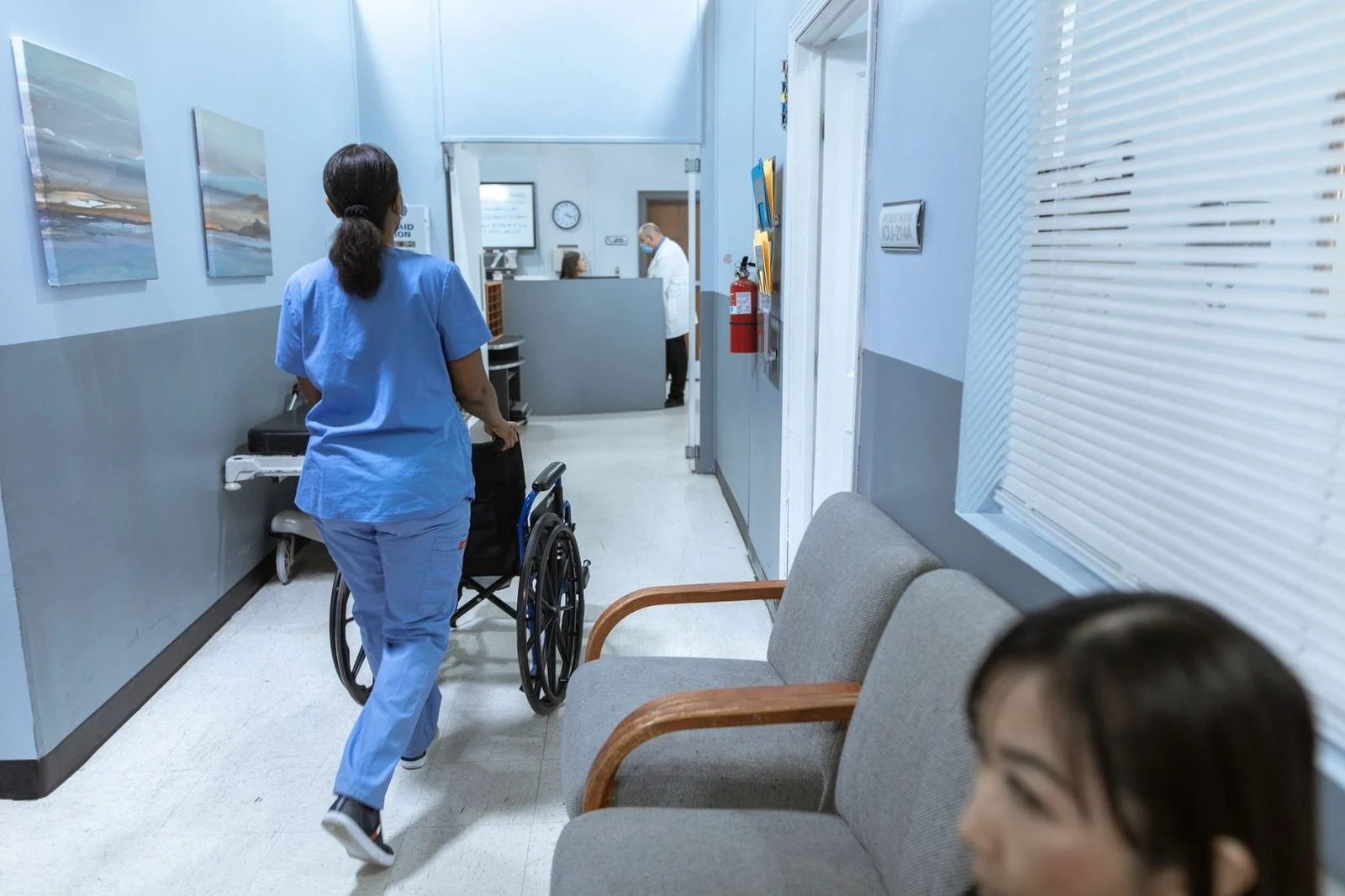
Facilities often give the role to the administrator, the director of nursing, or the social services director. Under Georgia law, the administrator is the licensed person who operates, manages or is in charge of the facility (O.C.G.A. § 31-8-102).
Finding the name is usually simple. Ask the front desk or the administrator for the name, title and phone number of the person who handles abuse complaints. Look at posted resident-rights notices, and ask whether they name a contact. You can also request the facility’s written abuse policy and ask who it names.
Write down the person’s name, title and the date you asked. That record can matter later. Ask for the answer in writing when you can.
Georgia law also gives the resident or guardian a voice in care. They have the right to take part in the overall planning of care and treatment, and the resident or guardian must be informed of this right each time a substantial change in the treatment plan is made (O.C.G.A. § 31-8-108).
What happens after you report to the abuse coordinator
After a report, the facility usually logs the concern, reviews it internally, and takes steps to protect the resident. Typical steps include intake of the allegation, an internal review, steps to keep the resident safe, and follow-up with the family.
The facility runs that review itself. It is separate from any state review. The outcome depends on the facts of each case.
Georgia law gives each resident or guardian the right to have any significant change in the resident’s health status reported to persons of the resident’s choice by the facility within a reasonable time (O.C.G.A. § 31-8-108). If your loved one’s condition changes sharply, ask the facility to notify you.
If a facility violates a resident’s rights, Georgia law gives the person harmed a cause of action against the facility for damages. That action is not barred because the person did not first use administrative relief (O.C.G.A. § 31-8-126).
Keep a dated copy of your written report, and note any reply you get.
Reporting outside the facility in Georgia
Yes, you can report concerns to the state. The Georgia Department of Community Health describes how residents and others can report concerns about resident safety or care.
The Department oversees nursing homes in Georgia and explains its inspection procedures on its long-term care page. The Georgia Long-Term Care Ombudsman Program helps residents and families set up resident and family councils, and it takes part in their meetings as a resource.
If a resident is in immediate danger, call 911 first. Then report to the facility and to the state, and keep copies of what you sent.
When you report, say what you saw, when you saw it, and who was there. Include the resident’s name, the facility’s name and the date of each concern.
Keeping your own record and why it matters
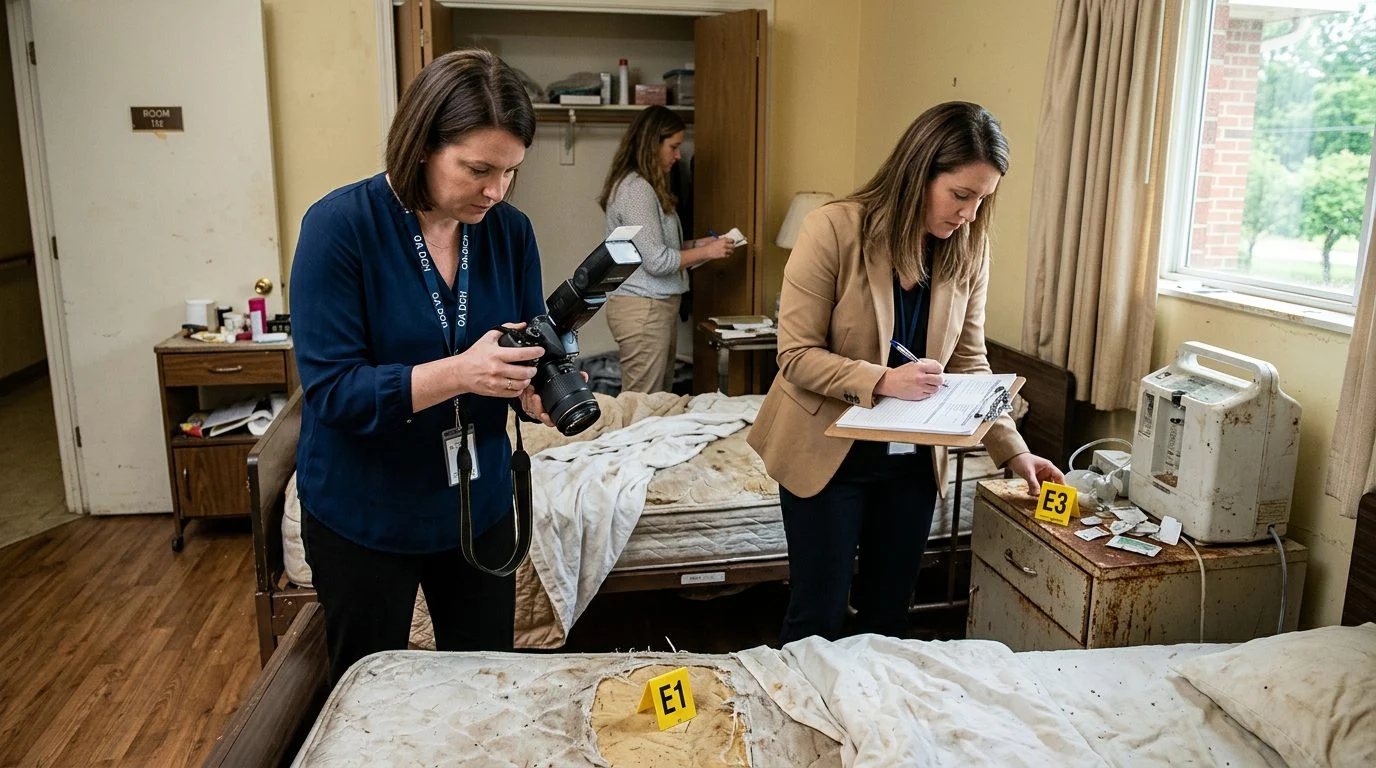
Start a written record the day you raise a concern. Note the date and time, the names of staff involved, what you saw, what you were told, and the response you got.
Keep copies of care plans, incident reports, bills and any written messages from the facility. Write facts, and mark what you saw yourself apart from what someone told you.
Georgia law gives the resident or guardian the right to access all information in the resident’s medical records. They may inspect and receive a copy, unless medically contraindicated. The facility may charge a reasonable duplication fee that does not exceed actual cost (O.C.G.A. § 31-8-108).
A personal record helps you explain what happened to any agency or attorney you speak with later.
Talking with a Duluth, Georgia nursing home abuse lawyer
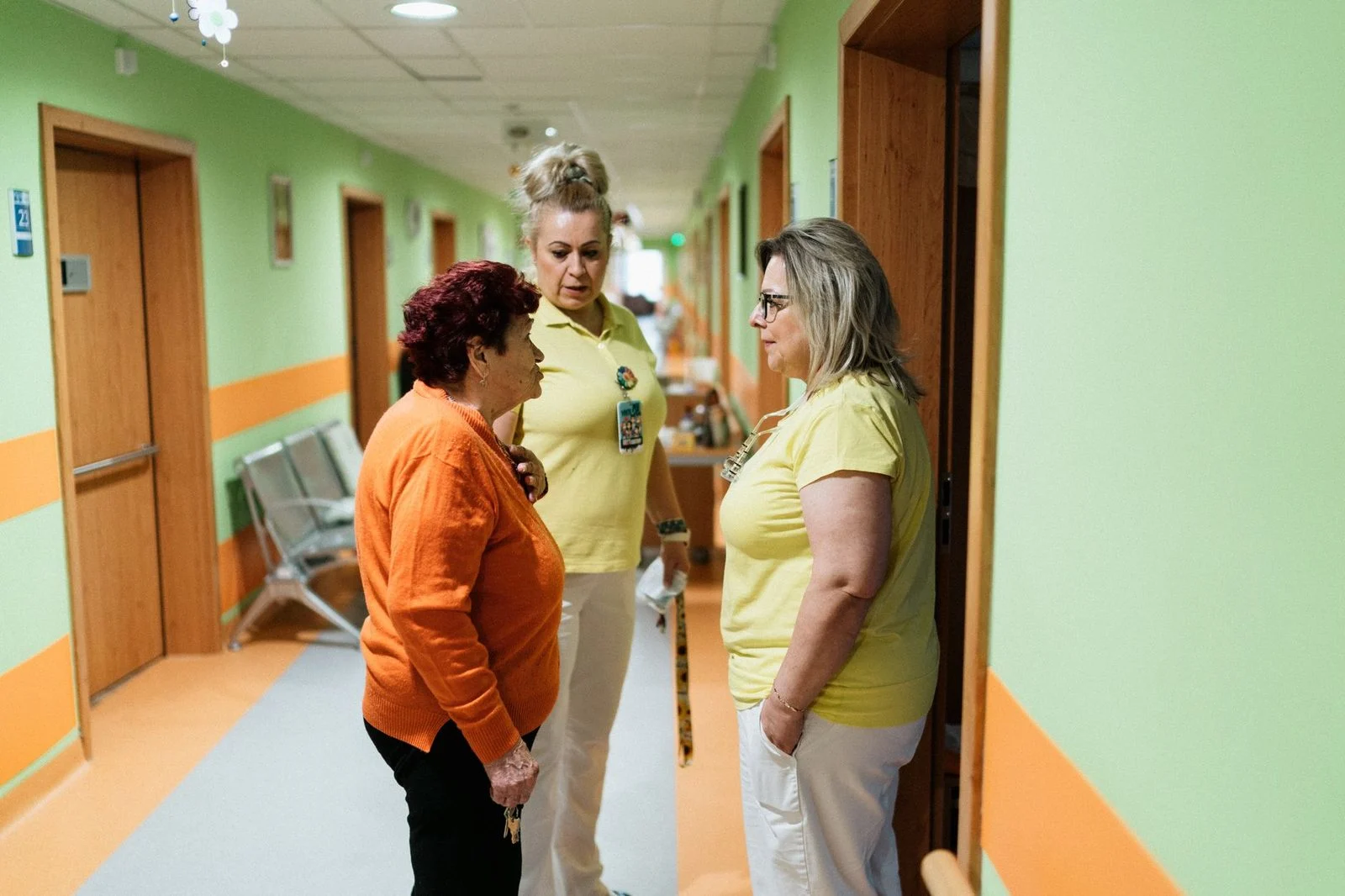
Some families reach this point with a report filed and still unsure what comes next. Our team handles nursing home abuse matters for families across metro Atlanta and Georgia, from our Duluth, Georgia office. Our lawyers, including Peter F. Jaraysi, can explain how Georgia’s rules apply to a specific situation.
For background, see our nursing home abuse guide. We also serve families in Atlanta and across Georgia.
Who do I report to first?
Report in writing to the facility’s abuse coordinator or administrator, and keep a copy. If someone is in immediate danger, call 911 first.
Can I report to the state too?
Yes. The Georgia Department of Community Health describes how to report concerns about resident safety or care.
If you’ve just learned about possible abuse and aren’t sure who to tell next, our team can talk it through with you in a free, confidential initial consultation with no obligation to continue.
How our team can help
Listen first
We take time to understand what you saw or what you suspect, in your own words, at your own pace.
Organize your records
We help you gather notes, photos, medical records and written communications so the facts are easier to follow.
Protect your loved one's safety
Our team focuses on practical steps that address immediate concerns while the situation is reviewed.
Support for families
Our lawyers understand how stressful it is to question the care a family member is receiving, and we explain each option clearly.
Do not wait if someone is in danger
If a resident is being hurt or is at immediate risk, call 911 right away. Then put your concerns in writing and keep a copy for your records.
Who to report to in Georgia
Emergency: 911
Call 911 whenever someone is in immediate danger, injured or cannot be kept safe. Emergency responders come first; reports to other offices can follow.
The facility's abuse coordinator or administrator
Report in writing to the facility's abuse coordinator or administrator, and keep a copy of what you sent and the date you sent it.
The Georgia Department of Community Health
The state agency describes how to report concerns about resident safety and quality of care. A report to the state creates an independent record outside the facility.
Law enforcement
If you believe a crime has occurred, such as theft, assault or financial exploitation, a report to the local police or sheriff's office is appropriate.
Not sure what to do next?
Talk with our lawyers about your loved one's situation in a free, confidential consultation, with no obligation to continue.