
Nursing Home Abuse & Neglect
When a Nursing Home Fails to Prevent Elopement
If a loved one wandered away from a Georgia facility and was harmed, you may have a claim. Slam Dunk Attorney investigates these cases across metro Atlanta and Georgia.
By Peter F. Jaraysi · Published September 28, 2026
Nursing Home Elopement: When a Resident Wanders Away—What Facilities Owe and When They’re Liable
Nursing home elopement occurs when a resident leaves a facility without permission or staff knowledge, putting vulnerable people at serious risk of injury, exposure, traffic accidents, or worse. When a loved one wanders away from a nursing home and is harmed, families often wonder whether the facility’s failure to prevent it amounts to negligence. Understanding what Georgia law requires of nursing homes—and when they breach that duty—is the first step toward determining whether you have a claim.
Not sure what your next step is?
Talk it through with our team — the first consultation is free, confidential, and carries no obligation.
What Is Nursing Home Elopement?
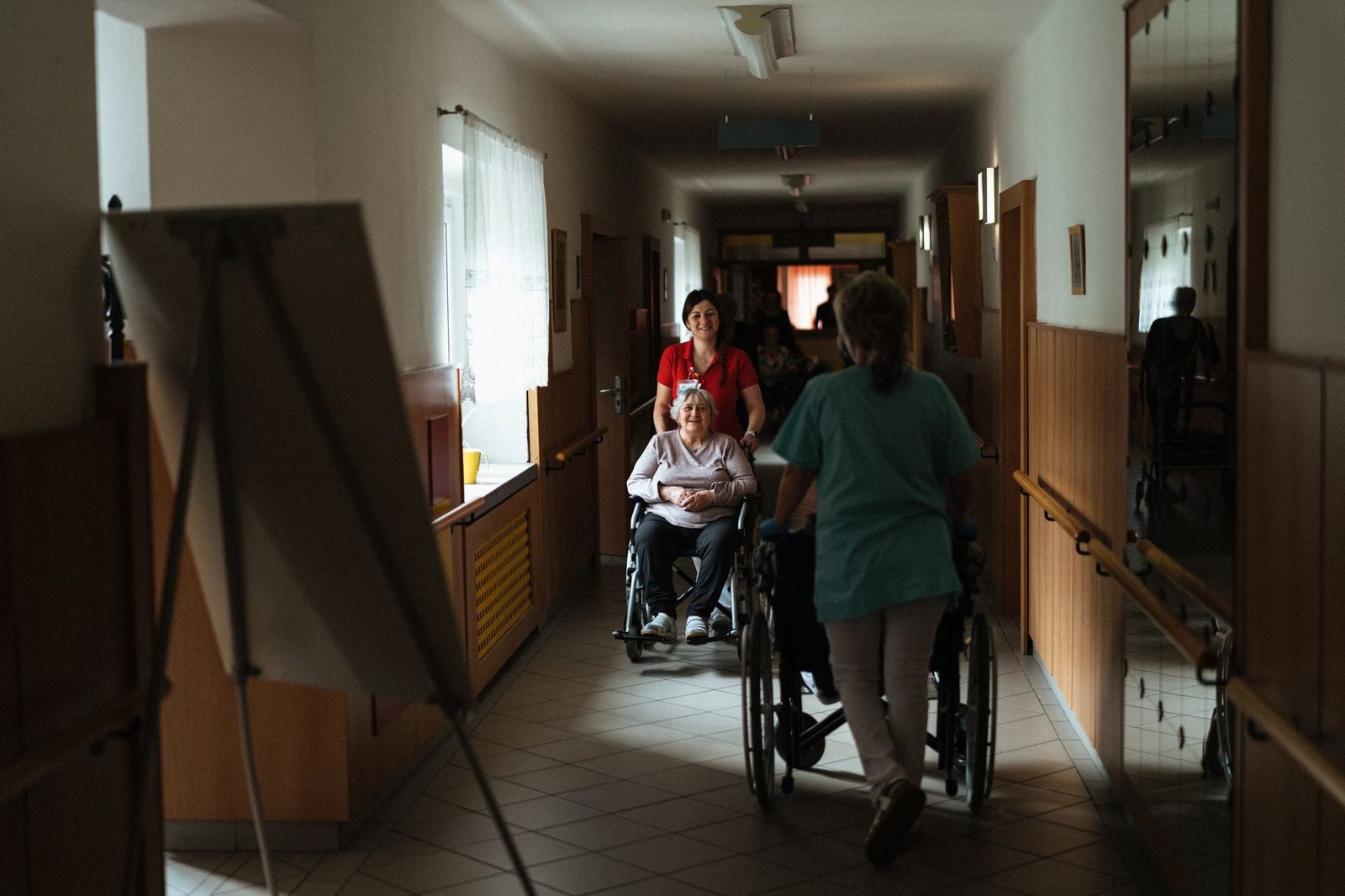
Elopement is a resident leaving the facility without permission or staff awareness, and it’s different from an authorized outing or supervised activity. It matters because residents who elope—especially those with dementia, Alzheimer’s disease, or cognitive decline—face immediate danger: exposure to weather, traffic accidents, falls, dehydration, hypothermia, and becoming lost or disoriented.
Elopement often happens because residents are confused, responding to medication side effects, seeking a familiar place, or reacting to distress. The resident may not understand they’ve left the building or where they are. A person with advanced dementia may wander looking for a home they lived in decades ago. These aren’t character flaws; they’re symptoms of the conditions that landed the person in the facility in the first place.
Why Elopement Is a Serious Concern in Nursing Homes
Residents at highest risk are those with dementia, Alzheimer’s disease, cognitive decline, or a documented history of wandering. These individuals cannot protect themselves from traffic, weather, or disorientation. They don’t understand danger the way a healthy adult does.
The physical dangers are real and immediate: a resident missing for hours in winter can develop hypothermia. A confused resident wandering near a road risks being struck by a vehicle. Someone with diabetes who misses meals faces dangerous blood-sugar swings. A resident with mobility problems who falls while lost may lie injured for hours before being found.
Beyond physical harm, elopement causes psychological trauma. The resident experiences terror and disorientation. Family members experience guilt, fear, and loss of trust in the facility that was supposed to keep their loved one safe. Nursing homes have a duty to anticipate and prevent elopement because residents cannot do it themselves.
What Duty of Care Do Georgia Nursing Homes Owe?
Under Georgia negligence law, nursing homes generally must provide reasonable care and supervision appropriate to each resident’s individual needs, but how that standard applies depends on the facts of each case, so consult a lawyer about your own situation. That duty includes assessing elopement risk, implementing prevention measures, monitoring residents, and responding promptly if elopement occurs.
Care plans are a key way facilities address this duty, identifying residents at risk and documenting specific safeguards. A resident with a history of wandering may need a care plan that addresses that risk, and staff may need training to recognize wandering behavior and follow protocols to prevent it. How these practices apply depends on the facts of each case, so consult a lawyer about your own situation.
This isn’t a one-size-fits-all standard. A resident with early-stage dementia and no history of wandering may need less intensive monitoring than a resident with advanced Alzheimer’s disease who has repeatedly tried to leave. The facility’s job is to assess each person’s risk and tailor prevention accordingly.
When Is a Nursing Home Liable for Elopement?
Negligence claims generally involve four elements: (1) a duty owed by the facility, (2) breach of that duty, (3) causation between the breach and harm, and (4) actual injury or damages to the resident. How these elements apply depends on the facts of each case, so consult a lawyer about your own situation.
Facilities are generally expected to provide reasonable supervision and care, though how that standard applies depends on the facts of each case. The breach occurs when the facility fails to meet that standard. Common breaches include:
- Failure to assess elopement risk despite knowing the resident has dementia or a history of wandering
- Inadequate supervision during high-risk times, such as nights or shift changes when fewer staff are present
- Missing or broken door alarms, locks, or monitoring systems that would alert staff to an exit
- Failure to monitor high-risk residents or leaving them unsupervised in common areas
- Staff inattention or failure to account for the resident’s whereabouts
- Failure to communicate with family about documented wandering behavior or risk
- Slow or inadequate response when elopement is discovered—for example, not calling police immediately or not searching the facility first
Causation means the breach directly led to the elopement. Whether a missing alarm or an undocumented risk played a role in a particular elopement depends on the facts of that case, so no outcome can be predicted from a general example. Speak with a lawyer about the specific facts of your own situation.
Damages are the harm the resident suffered: medical costs for treatment of injuries, pain and suffering, loss of quality of life, or in the worst cases, wrongful death.
Red Flags That May Indicate Negligence
Several warning signs suggest a facility may have breached its duty:
- The resident has a documented history of wandering but the facility took no preventive steps
- The care plan does not address elopement risk despite known cognitive decline
- Staffing appears inadequate, especially during nights or shift changes
- Door alarms are broken, missing, or not functioning
- The facility was unaware of the resident’s whereabouts for an extended period
- There is no emergency response protocol, or the facility’s response was delayed
- Family members repeatedly warned the facility about wandering behavior and were ignored
- The resident has eloped more than once, suggesting a pattern of systemic failure rather than an isolated accident
One elopement incident might be an accident. Repeated incidents may suggest the facility knew about the risk and failed to prevent it, but whether that is the case depends on the facts of each situation.
Not sure what your next step is?
Talk it through with our team — the first consultation is free, confidential, and carries no obligation.
What Happens After an Elopement Incident?
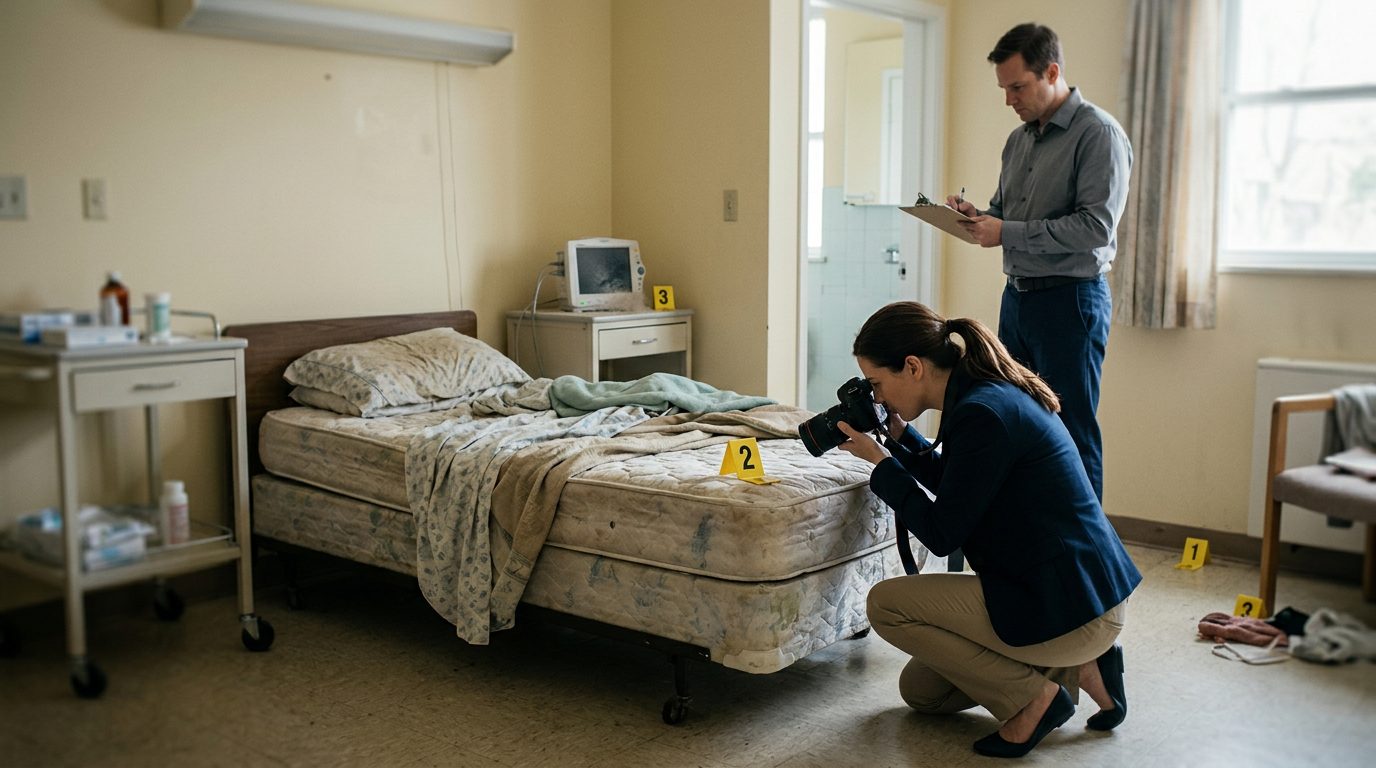
Immediately after elopement, the facility should search, contact emergency services, notify family and police, and begin documenting the incident. The facility should prepare an incident report with a timeline of events, actions taken, and the outcome.
Your role as a family member is to gather documentation and preserve evidence. Request and keep copies of:
- The care plan and any updates or revisions
- Incident reports and the facility’s account of what happened
- Staffing logs showing who was on duty and when
- Medical records and any evaluation of the resident after being found
- Communications with the facility (emails, call notes, letters)
- Photos of the facility layout, alarm systems, and exits if you can access them
Document your own observations too: dates and times you visited, conversations with staff, warnings you gave the facility about wandering behavior, and anything the staff said about supervision or risk.
Ask the facility directly: Was elopement risk documented in the care plan? What prevention measures were in place? How long was the resident missing? How was the incident handled? Did the facility follow its own emergency protocol? If answers are vague or contradictory, that’s a red flag.
Elopement and Broader Nursing Home Abuse
Elopement negligence often occurs alongside other forms of abuse or neglect. Inadequate supervision may indicate systemic staffing or training failures that affect the entire facility. A facility that fails to prevent elopement may also fail to provide medication on time, fail to assist with hygiene, or fail to provide adequate nutrition.
Failure to prevent elopement can compound other harms: the resident may suffer injuries while missing, miss scheduled medications, or experience dehydration and exposure. A pattern of repeated elopement incidents suggests the facility has systemic problems, not just bad luck.
What Can Families Do?
Start by gathering documentation. Request the resident’s complete medical record, care plan, incident reports, staffing schedules, and any communications with the facility. Preserve emails, text messages, and notes from conversations with staff.
Report the incident to Georgia Department of Community Health (DCH), which regulates nursing homes and investigates complaints of neglect and abuse. A DCH investigation can uncover whether the facility violated state or federal standards.
Consult an attorney who understands Georgia negligence law and nursing home standards of care. An attorney can evaluate whether the facility breached its duty, investigate the incident by obtaining records and interviewing staff, determine what damages you may be entitled to, and represent your interests if negotiation or litigation becomes necessary.
FAQ
What is the legal definition of nursing home elopement?
Elopement is a resident leaving a facility without permission or staff knowledge, putting the resident at serious risk of injury, exposure, or worse.
What duty of care do Georgia nursing homes owe residents at risk of wandering?
Nursing homes must assess elopement risk, develop individualized care plans, implement prevention measures, monitor high-risk residents, and respond promptly if elopement occurs.
How do I know if a nursing home is liable for my loved one’s elopement?
Liability generally requires proof that the facility owed a duty, breached it (by failing to assess risk, supervise adequately, or maintain safety equipment), the breach caused the elopement, and the resident was harmed. How these elements apply depends on the facts, so consult a lawyer about your own situation.
Can a nursing home be held liable if a resident with dementia elopes?
Possibly, if the facility knew or should have known the resident was at high risk and failed to take reasonable precautions to prevent elopement. Outcomes depend on the facts of each case, so consult a lawyer about your own situation.
What should I do immediately after a nursing home elopement?
Ensure your loved one receives medical evaluation, request incident reports and care plans from the facility, document your own observations, and report the incident to the appropriate state regulatory agency.
If your loved one wandered away from a nursing home and was injured or harmed, understanding whether the facility failed in its duty to protect them is crucial. A lawyer can help you understand what happened and what options may be available. We’re here to listen and to help you understand your rights. Contact us for a free case review.
Time Matters
Elopement incidents require prompt investigation to preserve evidence and identify what safeguards were—or were not—in place. Contact us as soon as possible if your loved one has been harmed.
What We Look For in Elopement Cases
Risk Assessment & Care Planning
Did the facility properly evaluate your loved one's elopement risk? Was an individualized care plan developed and followed?
Supervision & Monitoring
Were adequate staffing levels maintained? Did staff monitor residents at risk of wandering, especially during high-risk times?
Facility Security & Safeguards
Were doors, exits, and grounds secured? Were alarms or other protective systems in place and working?
Response & Documentation
How quickly did staff discover the elopement? What records exist about the incident and the facility's response?
Why Choose Slam Dunk Attorney
Focused on Nursing Home Abuse
We focus exclusively on cases where residents are harmed due to facility negligence, including elopement incidents.
Serving Metro Atlanta & Georgia
Based in Duluth, we represent families across the region who have suffered losses in nursing home settings.
Thorough Investigation
We obtain facility records, interview witnesses, and work with medical professionals to build a clear picture of what happened.
Plain-Language Guidance
We explain your rights and options in straightforward terms, so you understand every step of the process.