
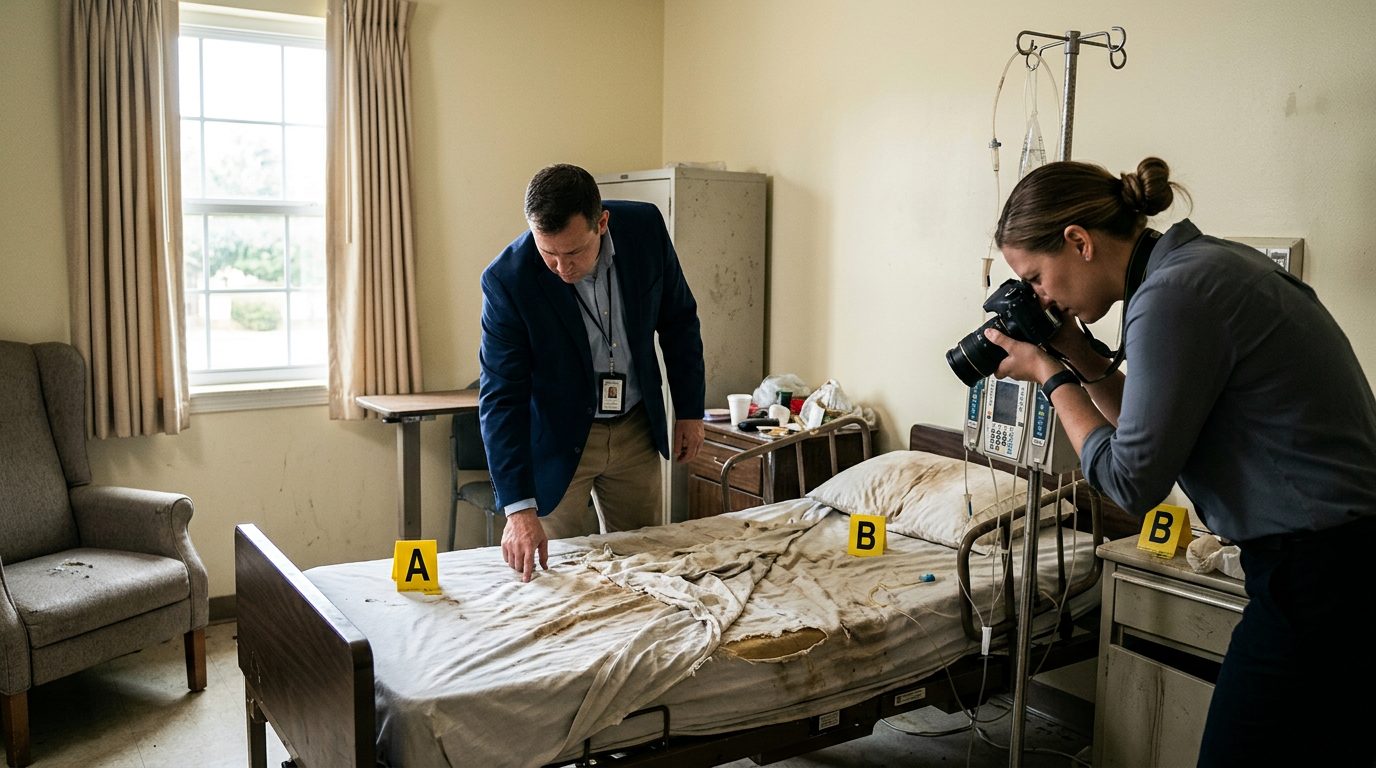
Nursing Home Abuse | Georgia
Nursing Home Abuse Damages in Georgia
When a loved one is harmed in a nursing home, you deserve fair compensation. Slam Dunk Attorney pursues damages for medical costs, pain, and accountability.
By Peter F. Jaraysi · Published September 24, 2026
What Damages Can You Recover in a Nursing Home Abuse Case in Georgia?
When a nursing home fails to protect a resident from abuse or neglect, Georgia law allows families to seek financial compensation through several categories of damages. Understanding what damages may be recoverable—and how they’re calculated—is the first step in evaluating whether you have a claim.
This guide explains the main types of damages available in Georgia nursing home abuse cases. Keep in mind: this page describes the categories and legal framework. It does not predict what your case will be worth or guarantee any specific outcome. Every case is unique, and the amount of damages depends on the facts, evidence, and severity of harm.
If your loved one has suffered abuse or neglect in a nursing home, you're likely wondering what financial recovery might be available—families in your situation reach out to us regularly to understand their options. Talk it through with our team — the first consultation is free, confidential, and carries no obligation.
Understanding Damages in Nursing Home Abuse Cases
Damages are financial compensation awarded when a nursing home’s negligence or abuse causes harm to a resident. Georgia law recognizes several categories of recoverable damages in personal injury and wrongful death cases, each serving a different purpose.
The amount and type of damages depend on the specific facts, severity of harm, medical evidence, and testimony in each case. Some damages—like medical bills—are straightforward to calculate. Others—like pain and suffering—require judgment and evidence to establish a reasonable amount.
This page explains the main categories so you understand what may be recoverable. It is not a prediction of what your case will be worth.
Compensatory Damages: Medical Expenses
Medical expenses cover past and future medical treatment related to the abuse or neglect. This includes emergency care, hospitalization, therapy, medications, wound care, and specialized treatment for injuries caused by the nursing home’s failure to protect or care for the resident.
Documented medical records and bills form the foundation of this category. Your attorney will gather hospital records, physician notes, therapy invoices, and pharmacy records to establish what treatment was necessary and what it cost.
Future medical expenses must be reasonably foreseeable and supported by medical evidence. For example, if a resident suffered a pressure ulcer (bedsore) due to neglect and requires ongoing wound care and skin grafts, those future costs can be included. A medical expert may testify about the likely duration and cost of ongoing treatment.
Compensatory Damages: Pain and Suffering
Pain and suffering damages address the resident’s physical pain, emotional distress, and reduced quality of life caused by abuse or neglect. This includes trauma, fear, humiliation, loss of dignity, and psychological harm.
Unlike medical bills, pain and suffering is not a fixed number—it depends on the severity and duration of harm and the resident’s circumstances. A resident who endured months of physical abuse and neglect may have a larger pain and suffering claim than one who experienced a single incident.
Testimony from family members, caregivers, medical providers, and the resident (if able to communicate) helps establish this damage. Family members can describe changes in the resident’s mood, behavior, and emotional state. Medical providers can testify about the physical pain and psychological trauma they observed.
Compensatory Damages: Loss of Enjoyment of Life
Loss of enjoyment of life recognizes when abuse or neglect permanently diminishes a resident’s ability to engage in activities, relationships, or independence they previously enjoyed. This may apply when a resident loses mobility, cognitive function, or the ability to participate in hobbies or social connections.
This damage is distinct from pain and suffering. Pain and suffering focuses on the resident’s emotional and physical distress. Loss of enjoyment of life focuses on lost opportunities and reduced quality of life.
Proving this damage requires evidence of what the resident could do before the harm and what they cannot do after. Family members can testify about activities the resident enjoyed—visiting grandchildren, attending church, gardening—and how the abuse or neglect has prevented them from doing so now.
Compensatory Damages: Caregiver and Family Costs
In some cases, damages may include reasonable costs for additional care, supervision, or assistance needed as a result of the abuse or neglect. This can cover family members’ time spent providing care or attending medical appointments, if documented and reasonable.
These costs must be tied to harm caused by the nursing home’s conduct. For example, if a resident requires 24-hour supervision after suffering a stroke caused by the nursing home’s negligence, the cost of that supervision may be recoverable.
Not sure what your next step is?
Talk it through with our team — the first consultation is free, confidential, and carries no obligation.
Punitive Damages in Nursing Home Abuse Cases
Punitive damages are available when a defendant’s conduct is “willful, wanton, or in reckless disregard” of the rights of others. Under Georgia law (O.C.G.A. § 51-12-5.1), punitive damages are designed to punish egregious conduct and deter similar behavior—not to compensate the victim.
Nursing home abuse cases involving gross negligence, deliberate indifference, or intentional harm may support a punitive damages claim. For example, if a nursing home knowingly failed to provide adequate supervision despite prior complaints, or if staff deliberately withheld food or medication, punitive damages may be appropriate.
Punitive damages are not automatic. They require clear and convincing evidence of the defendant’s state of mind—that is, proof that the nursing home acted with knowledge of the risk and conscious indifference to the consequences.
Wrongful Death Damages
If abuse or neglect leads to a resident’s death, Georgia law allows the family to recover damages on behalf of the deceased’s estate. Wrongful death damages include medical and end-of-life expenses, funeral and burial costs, and the value of the relationship and support the deceased provided.
Surviving family members may also recover for their own loss of companionship, guidance, and financial support. A spouse may recover for loss of financial support and companionship. Adult children may recover for loss of parental guidance and relationship.
Wrongful death claims are subject to Georgia’s statute of limitations and procedural requirements. An attorney can guide your family through the process and ensure your claim is filed correctly and on time.
Factors That Affect the Amount of Damages
The amount of damages in a nursing home abuse case depends on many factors:
- Severity and duration of the abuse or neglect. More severe or prolonged harm typically results in higher damages.
- Age, health status, and life expectancy of the resident. A younger resident with a longer life expectancy may have higher medical and pain-and-suffering damages.
- Quality and completeness of medical documentation and evidence. Strong medical records support higher damage awards.
- Testimony from medical experts, family members, and witnesses. Credible, detailed testimony helps establish the harm and its impact.
- The resident’s ability to testify or communicate about their experience. A resident who can describe their suffering may strengthen the claim.
- Whether the nursing home’s conduct was negligent, reckless, or intentional. More culpable conduct may support punitive damages.
- Insurance coverage and the defendant’s financial resources. The nursing home’s ability to pay affects settlement negotiations.
Why You Need an Attorney to Evaluate Your Case
Calculating damages requires understanding Georgia law, medical causation, and how courts and juries value different types of harm. An experienced attorney can identify all recoverable categories and gather evidence to support each one.
Federal nursing home regulations enforced by the Centers for Medicare & Medicaid Services establish care standards and inspection ratings. Facilities found in violation of these standards may be cited in abuse and neglect claims as evidence of systemic failure.
Nursing homes and their insurers often dispute damage claims. An experienced advocate can build a strong case, obtain expert testimony, and negotiate on your behalf. Many families do not know what damages are available or how to prove them without legal guidance.
Frequently Asked Questions
What’s the difference between compensatory and punitive damages?
Compensatory damages reimburse you for actual harm—medical bills, pain, lost enjoyment of life. Punitive damages punish the nursing home for egregious conduct and deter future abuse.
Can I recover damages if the nursing home was just negligent, not intentional?
Yes. Compensatory damages are available for negligence. Punitive damages require a higher standard—willful, wanton, or reckless conduct.
How long do I have to file a nursing home abuse claim in Georgia?
Georgia law sets time limits for filing claims. An attorney can explain the deadline that applies to your case.
What if my loved one has passed away?
Wrongful death damages allow your family to recover on behalf of the deceased’s estate and for your own loss of companionship and support.
If your loved one has suffered abuse or neglect in a nursing home, you’re likely wondering what financial recovery might be available. Families in your situation reach out to us regularly to understand their options and what steps come next. Contact us for a free case review—we serve families across metro Atlanta and Georgia and can explain what damages may apply to your case.
Types of Damages in Nursing Home Abuse Cases
Compensatory Damages
Reimburse you for actual harm: medical treatment, rehabilitation, medication, pain and suffering, loss of enjoyment of life, and other documented losses tied to the abuse or neglect.
Punitive Damages
Awarded when a nursing home's conduct was egregious or reckless. These damages punish the facility and send a message that abuse will not be tolerated.
Negligence vs. Intentional Harm
You can recover compensatory damages even if the nursing home was negligent rather than intentionally abusive. Gross negligence and recklessness can also support punitive damages.
Wrongful Death
If a loved one dies as a result of nursing home abuse or neglect, surviving family members may recover damages for medical expenses, funeral costs, loss of companionship, and other harms.
Why Choose Slam Dunk Attorney for Your Nursing Home Abuse Claim
Focused on Your Case
We focus exclusively on personal injury claims, including nursing home abuse. We understand the physical, emotional, and financial toll on families.
Clear Fee Structure
We work on a contingency basis: no fees unless there is a recovery. You may still owe case costs. We'll explain all costs upfront.
Compassionate Representation
We treat your family with respect and dignity. We listen to your story and fight for fair compensation without sensationalism or pressure.
Serving Metro Atlanta and Georgia
Based in Duluth, Georgia, we represent clients across the Atlanta area and throughout Georgia in nursing home abuse and neglect claims.
Important: Nursing Home Liability Is Complex
Nursing homes have a legal duty to protect residents from abuse and neglect. If that duty is breached and your loved one is harmed, the facility may be liable. However, each case is unique. Documenting the abuse, gathering medical records, and understanding Georgia law are critical steps.