
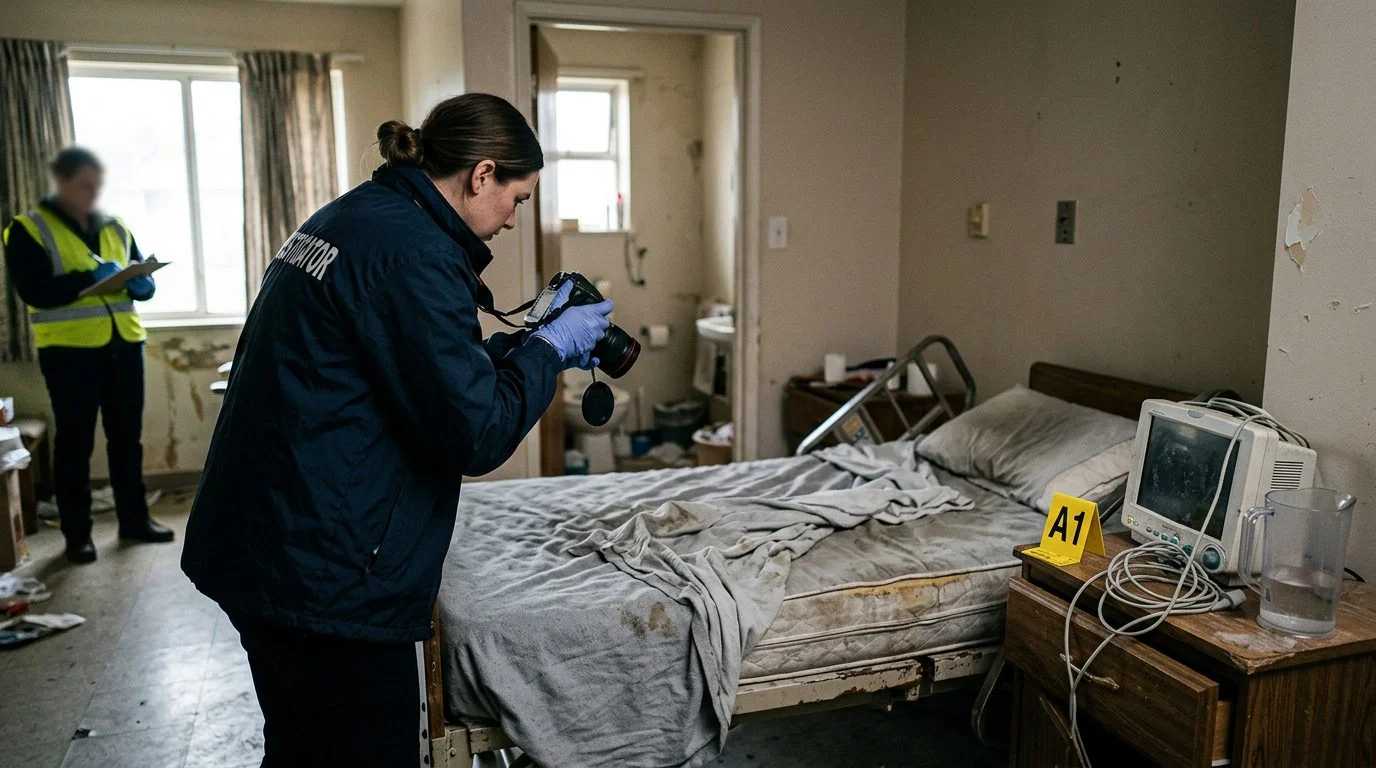
Nursing Home Abuse | Atlanta, Georgia
Worried About a Loved One's Care? Know When to Call a Nursing Home Abuse Attorney
Signs of neglect or abuse can be hard to see from the outside. Our team in Duluth, Georgia helps families understand their options and protect important records. Your first consultation is free, confidential, and comes with no obligation to continue.
By Peter F. Jaraysi · Published November 7, 2026
When should you contact a nursing home abuse attorney in Atlanta? As early as you can. If your loved one died or was seriously hurt in a nursing home, talking with a lawyer soon gives your family time to request records and protect evidence.
Losing someone in a care setting is painful. Many families don’t know which questions to ask or what deadlines apply. This guide explains when to act, what a wrongful death claim covers, and what the process looks like in Georgia.
Slam Dunk Attorney is a personal injury firm based in Duluth, Georgia. Peter F. Jaraysi is the responsible lawyer for this page.
What a Nursing Home Wrongful Death Claim Covers and Who Can File It
A nursing home wrongful death claim says a resident died because of a facility’s negligence, abuse, or the failures of its staff. Georgia law sets out who may bring it.
Under § 51-4-2, a surviving spouse may recover for the death of a spouse. If there is no surviving spouse, a child or children may recover for a parent’s death. The recovery is the “full value of the life of the decedent, as shown by the evidence.”
If no one is entitled to sue under those sections, the administrator or executor may bring the action for the next of kin, under § 51-4-5.
Common care failures that can lead to death include:
- Falls that are not reported or treated
- Bedsores that become infected
- Dehydration and malnutrition
- Medication errors
- Delayed emergency care
A resident’s own rights claim is a separate matter. Under § 31-8-126, a person harmed when a long-term care facility violates a resident’s rights may sue the facility for damages. Whether either claim exists depends on the facts.
If you're worried that a loved one's death in a care facility raised questions, you don't have to sort out the timeline alone. Our team can talk it through in a free, confidential consultation. Talk it through with our team — the first consultation is free, confidential, and carries no obligation.
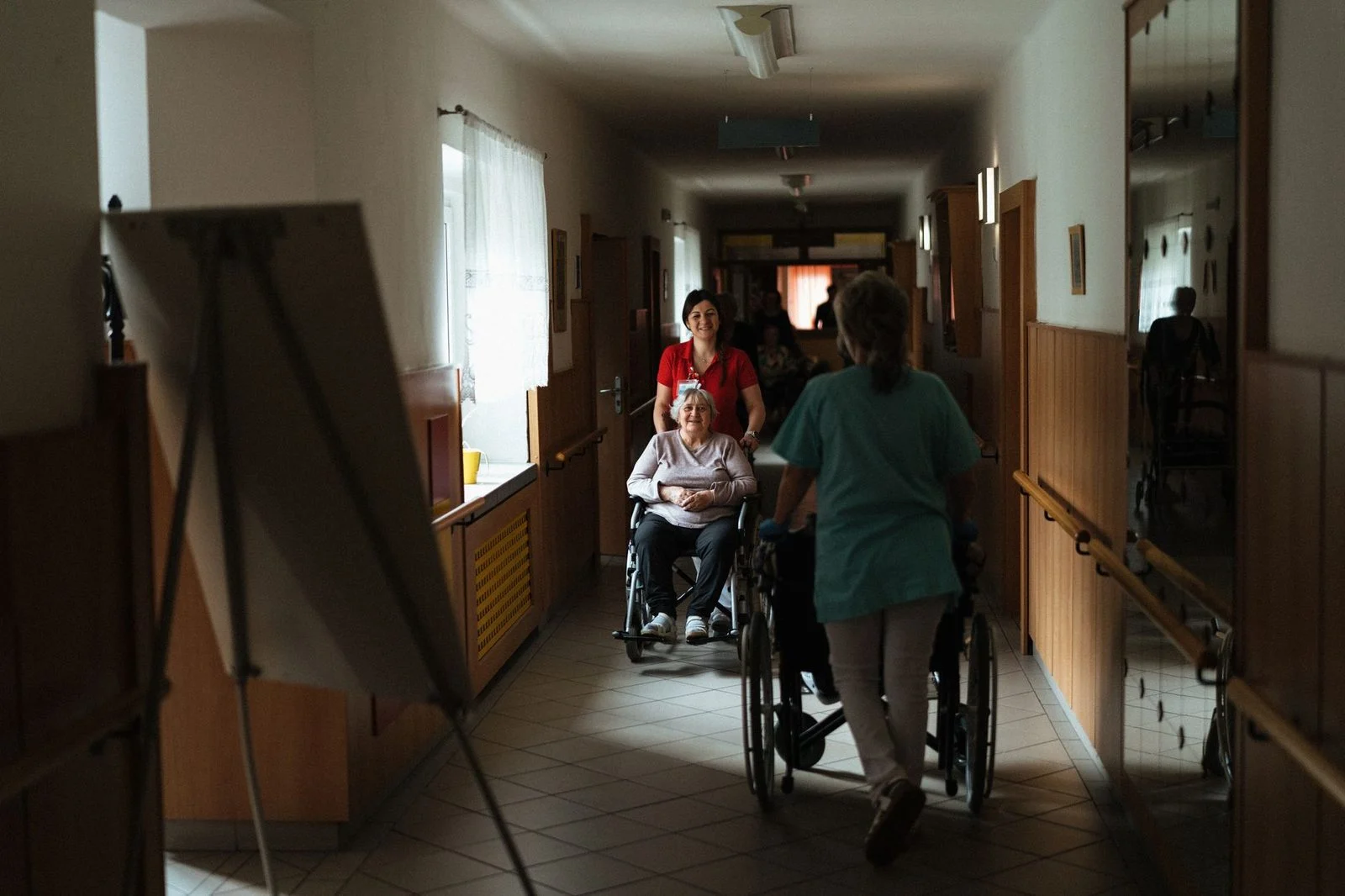
Warning Signs and Common Causes Behind Nursing Home Deaths
Warning signs include a sudden decline in health, injuries no one explains, and a facility that is slow to share news. Georgia law says each resident must receive care “with reasonable care and skill,” in line with applicable laws and regulations, under § 31-8-108.
Watch for these physical signs:
- A sudden drop in health or alertness
- Unexplained bruises or fractures
- Pressure sores, repeated infections, or rapid weight loss
- Dehydration
- Soiled or unchanged bedding
Watch for these communication problems:
- Delayed notice about a fall, hospital transfer, or change in condition
- Explanations for an injury that change over time
- Pressure to make decisions quickly
Medication and care-plan problems matter too. Look for missed or wrong doses, medication changes no one reviewed, and care plans that were not followed.
Signs like these do not prove neglect by themselves. They are reasons to ask questions and keep records.
When to Contact a Nursing Home Abuse Attorney in Atlanta
Contact a nursing home abuse attorney in Atlanta as soon as you suspect neglect or abuse played a part in a death. Early contact gives your family time to request records and protect evidence while it still exists.
Georgia generally gives two years to bring an action for injuries to the person under O.C.G.A. § 9-3-33. Other deadlines and exceptions can apply, so don’t wait to ask. If a criminal case arises from the same events, the time limit is tolled for a victim of an alleged crime under § 9-3-99 from the date of the crime until the prosecution becomes final or is otherwise terminated. Under § 9-3-99, that pause cannot exceed six years, except as otherwise provided in Code Section 9-3-33.1.
Call a lawyer now if:
- A resident died unexpectedly after a stay
- A death followed a fall or hospital transfer
- The facility gives conflicting explanations
- The facility delays or refuses records
- Other residents were also harmed
Before you sign anything from the facility or its insurer, such as a release or settlement offer, have a lawyer review it. While the details are fresh, write down dates, staff names, and what you were told.
Reporting Concerns and Protecting Records in Georgia
Call 911 if a resident is in immediate danger or needs emergency care. For facility concerns, the Georgia Department of Community Health explains nursing home oversight and how to report concerns about resident safety or care.
Take these steps to protect records:
- Ask the facility in writing who handles abuse and neglect reports. Keep the answer.
- Request the complete chart in writing. Ask for care plans, medication administration records, incident and fall reports, and nursing notes.
- Know the cost rule. Under § 31-8-108, a facility may charge a fee for copies, but the fee cannot exceed actual cost.
- Keep texts, emails, photos, discharge papers, bills, and any clothing or belongings that may show condition or injuries. Don’t alter or discard them.
Georgia’s Long Term Care Ombudsman Program helps set up resident and family councils and serves as a resource at their meetings.
What Evidence Supports a Nursing Home Wrongful Death Claim
Strong claims usually rest on medical records, facility documents, and a clear link between a care failure and the death. Showing that something bad happened is not enough on its own.
Key evidence often includes:
- Medical records from before and after admission, including hospital transfer records
- The death certificate and the cause of death listed by the treating physician or medical examiner
- Care plans, staffing schedules, incident reports, and fall logs, which show what the facility knew and when
- Names and contact details for witnesses, such as other families, visitors, and former staff
- A medical review that connects the care gap to the outcome
Damages can include necessary costs. Under § 51-4-5, when a death results from a crime or from criminal or other negligence, a personal representative may recover funeral, medical, and other necessary expenses. Georgia also allows a personal representative to recover funeral, medical, and other necessary expenses when a death results from a crime or from criminal or other negligence, under § 51-4-5.
No one can predict the value of a claim before the records are reviewed.
What to Expect: The Claim Process Step by Step
A claim often moves from a consultation to records review, a demand, and a lawsuit if needed.
- Consultation. You share the timeline and what you know. The first consultation is free.
- Records and investigation. A claim often involves formal records requests and letters asking the facility to preserve evidence. The care history gets reviewed.
- Evaluation. The review looks at who may be responsible, such as the facility, its operator, or a staffing contractor. Georgia uses modified comparative fault. Under § 51-12-33, a plaintiff who is 50 percent or more responsible for the injury or damages claimed is not entitled to receive any damages.
- Demand. The claim is presented to the responsible party or its insurer.
- Lawsuit, if needed. If the case does not settle, it may move into discovery, mediation, or trial. Timelines vary widely.
Not sure what your next step is?
Talk it through with our team — the first consultation is free, confidential, and carries no obligation.
Why Families Work With Slam Dunk Attorney
Slam Dunk Attorney is a personal injury firm based in Duluth, Georgia. It represents families across metro Atlanta and Georgia, including Lawrenceville, Johns Creek, Alpharetta, Marietta, Norcross, Kennesaw, and Dunwoody.
The firm handles nursing home abuse, wrongful death, and catastrophic injury matters, along with other personal injury work.
Peter F. Jaraysi is the responsible lawyer for this page. The firm’s lawyers include Brian D. Wright. Our team also includes assistants and office staff.
We don’t advertise case results or verdicts. During the consultation, we’ll explain how we approach a case and how we would look at your family’s situation. We can’t promise an outcome.
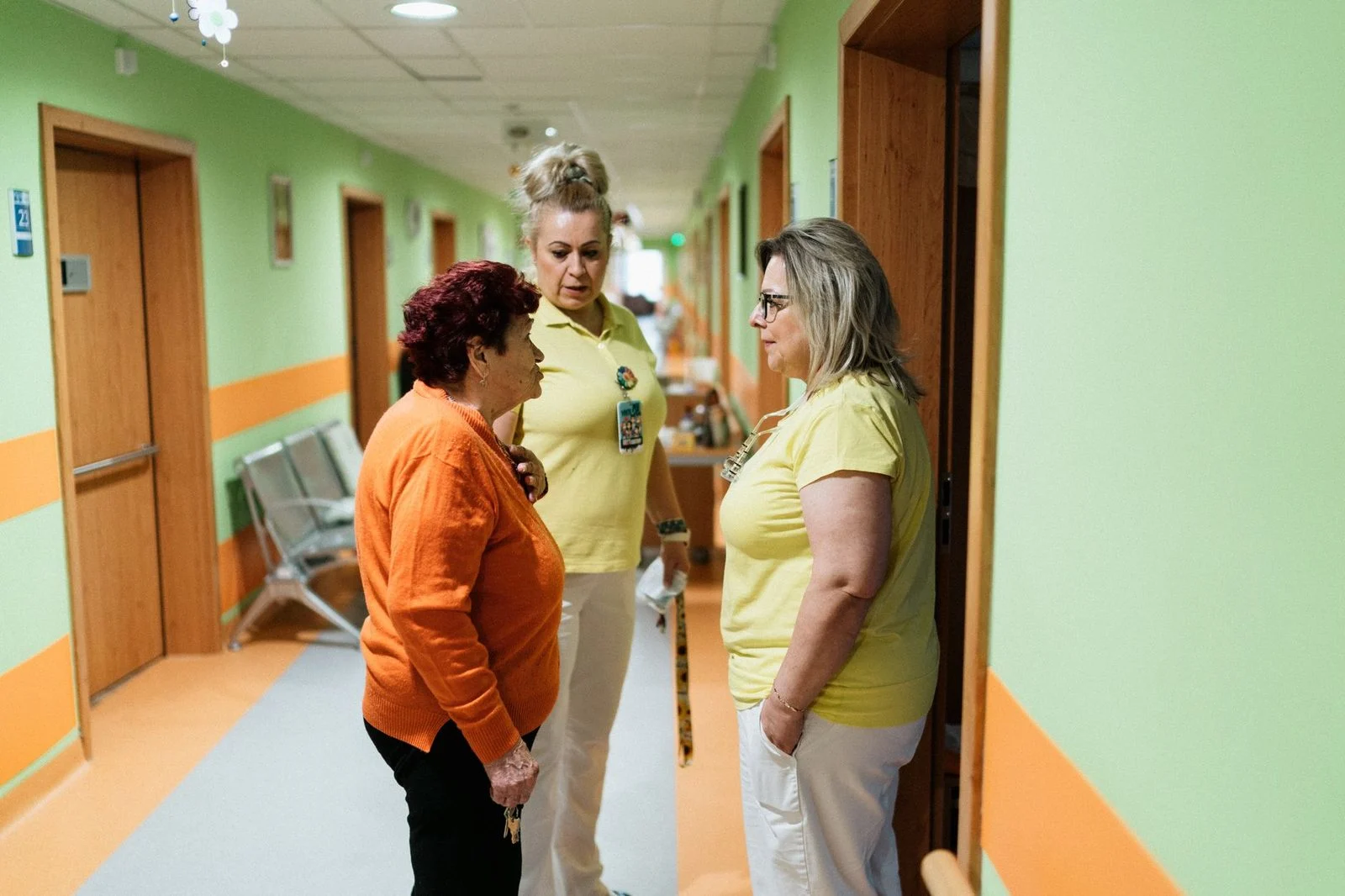
Frequently Asked Questions About Nursing Home Wrongful Death Claims
When should I contact a nursing home abuse attorney in Atlanta?
Sooner is better. Early contact helps families request records and protect evidence while there is still time.
Can I sue a nursing home in Georgia after a death?
Family members may have a claim when neglect or abuse caused a death. Whether one exists needs a review of the records.
Do I need proof before I call a lawyer?
No. You can start with what you have, and a lawyer can help request the rest.
What if my family member died in the hospital after a facility stay?
That matters. A hospital transfer is an important part of the timeline, so raise it at the consultation.
What does a consultation cost?
The first consultation is free, confidential, and without obligation to continue. If a case moves forward, you may still be responsible for court costs and case expenses.
If you’re wondering whether your loved one’s death raised questions about their care, you don’t have to work through the deadlines alone. Request a free consultation with Slam Dunk Attorney, and we’ll talk through your options.
Warning Signs Families Should Not Ignore
Unexplained injuries
Bruises, cuts, burns, fractures, or pressure sores that the facility cannot clearly explain.
Sudden changes in behavior
Fear, withdrawal, agitation, or reluctance to be alone with a particular staff member.
Medication or care problems
Missed medications, wrong doses, dehydration, malnutrition, or weight loss over a short period.
Gaps in records or documentation
Incomplete care plans, missing incident reports, or charts that do not match what you are seeing.
Being denied access or put off
Repeated delays or pushback when you ask about your loved one's condition or request their file.
A decline after a move or change
A serious drop in health or safety after a transfer, a change of staff, or a stay in the facility.
Do Not Wait to Ask Questions
If you suspect abuse or neglect, write down what you have observed, with dates, and photograph visible injuries when it is safe to do so. Ask the facility for copies of your loved one's records. Early contact with a lawyer can help families request records and preserve evidence while it is still available.
What Families Can Do Right Now
Document what you see
Keep a simple log of visits, changes in condition, conversations with staff, and any injuries, with the date and time of each entry.
Request the records
Ask the facility in writing for your loved one's medical chart, medication logs, care plan, and incident reports.
Protect your loved one's safety
If you believe someone is in immediate danger, call 911. Then arrange for a medical evaluation as soon as possible.
Talk with a lawyer
Share what you know with our team. We will review the facts, explain the process in plain language, and answer your questions at no cost.