
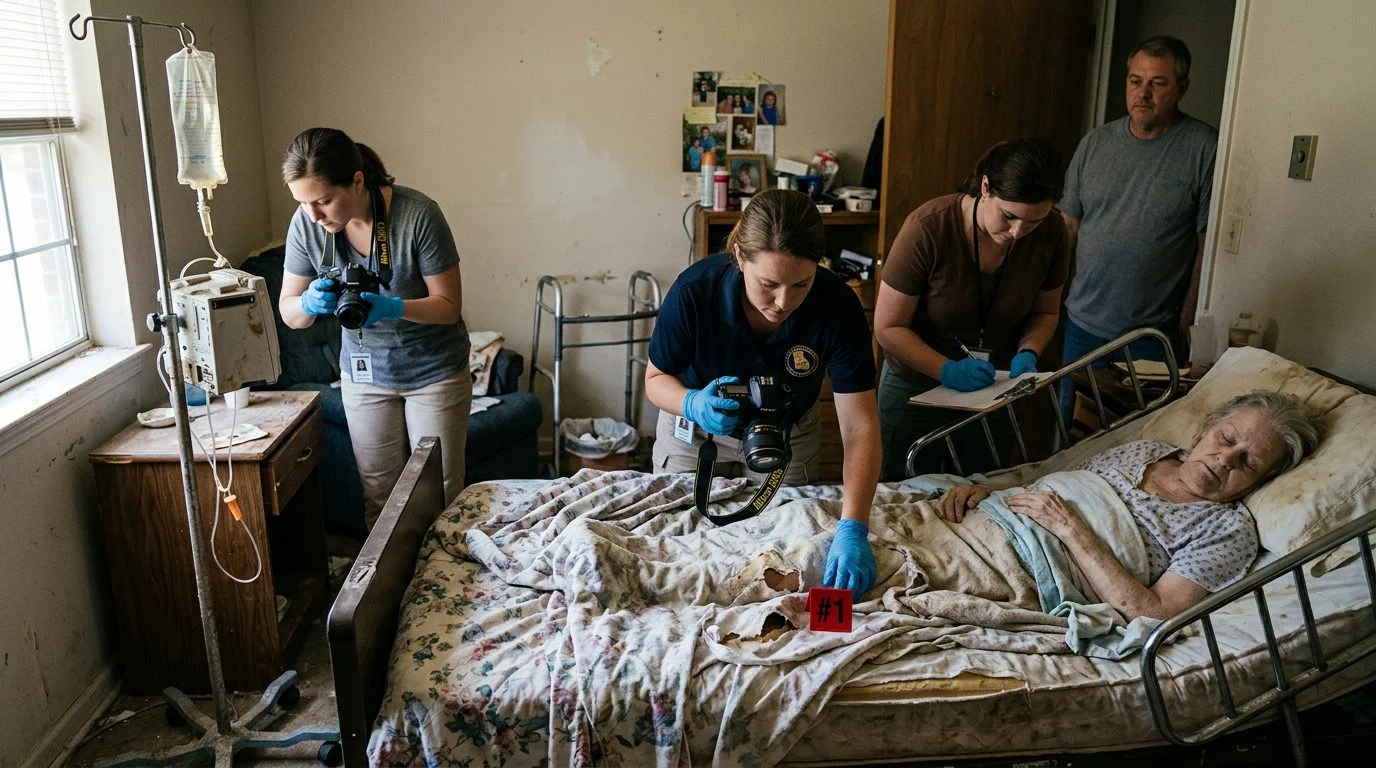
Nursing Home Abuse | Duluth, Georgia
Who Is Really Responsible for Your Loved One's Care?
A plain-language guide to the people and agencies that oversee nursing homes in Georgia, and what their roles mean for families.
By Peter F. Jaraysi · Published November 4, 2026
The short answer: oversight is shared, not held by one person
Who oversees a nursing home? Oversight is shared among government regulators, the owners and governing body, the administrator, nursing leadership, the medical director, and resident advocates.
Each group has a different job. Knowing which one handles your question can save time when you’re worried about someone you love.
You may also see nursing homes called skilled nursing facilities or long-term care facilities. Official rules often use the term “nursing facility,” so you’ll see that phrase in documents too.
Why does the split matter? A question about medication timing goes to a different person than a question about licensing or staffing. Sending your concern to the right role gets you a faster answer.
This guide explains roles in general terms. Every facility is set up a little differently, so titles and reporting lines may vary from home to home.
If your loved one was hurt or neglected in a nursing home, you don't have to sort out these roles alone. Our team offers a free, confidential first consultation with no obligation to continue. Talk it through with our team — the first consultation is free, confidential, and carries no obligation.
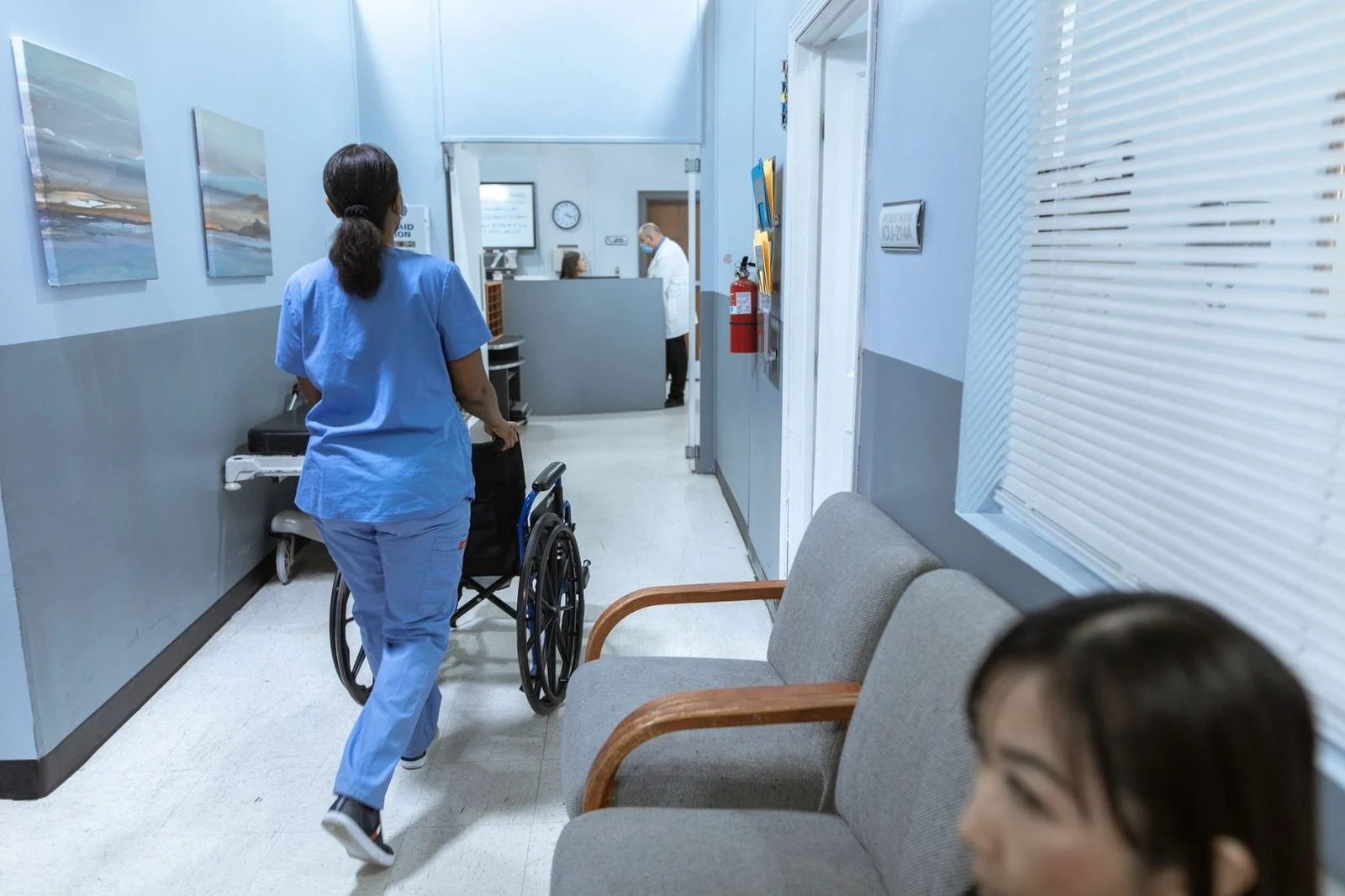
State and federal regulators
Government agencies are the outside watchdogs for nursing homes. They set minimum standards and check whether facilities meet them.
In Georgia, the Department of Community Health oversees long-term care facilities through its Healthcare Facility Regulation Division. You can read about the process on the Georgia long-term care oversight page.
The Centers for Medicare & Medicaid Services (CMS) publishes guidance on those rules and the survey protocols used to check compliance, in its CMS nursing home rules guidance.
Inspectors visit on a schedule and also after complaints. Their visits show whether a facility met the standards that apply.
Regulators set standards for things like staffing and resident rights. They don’t manage daily care at any single home. That job belongs to the facility.
To raise a concern about care, you can file a complaint with HFRD online, by telephone, or by fax.
Owners and the governing body
The owner is the person or company that holds the facility’s license and runs its business side. Many nursing homes are owned by corporations, limited liability companies, or larger chains.
The governing body is the group legally responsible for the whole facility. It sets policy, approves the budget, and answers for overall quality of care.
Budget choices shape daily life at the home. They affect how many staff work each shift and how much supervision they get.
Ownership can be confusing. The name on the sign isn’t always the name of the company that holds the license. Ask the administrator who holds the license, and ask for the answer in writing.
When a concern traces back to a policy or budget problem, such as too few aides on nights, the issue may reach the governing body. That is the group with authority over those decisions.
The nursing home administrator
The administrator runs the facility day to day. This person is the main contact for the whole home, from policy questions to billing.
Typical duties include managing budgets and staffing, making sure the facility follows state and federal rules, and responding to inspection reports. Administrators also talk with families when concerns come up.
The administrator reports to the governing body. The administrator also works with the director of nursing and the medical director on resident care. Decisions about care usually pass through several people.
Families usually start with the administrator for questions about policies, staffing levels, billing, and inspection reports. Ask for answers in writing when you can. A written reply gives you a record of what the facility told you and when.
The director of nursing and nursing staff
The director of nursing leads the nursing team and oversees daily clinical care. This role is usually held by a registered nurse who manages the staff who give hands-on care.
Common duties include scheduling, supervising nurses and aides, reviewing care plans, managing medications, and training staff. When a care plan changes, the director of nursing is often part of that decision.
Nursing staff do the everyday work. Licensed practical nurses and registered nurses handle medications, assessments, and changes in health. Nursing assistants help with bathing, feeding, dressing, and turning residents in bed.
Why this matters: early warning signs often show up first with nursing staff. Weight loss, pressure sores, missed medications, and sudden changes in behavior are usually noticed and recorded on the floor. Those shift records are often the first place to look when something goes wrong.
The medical director
The medical director is the physician responsible for the facility’s overall medical care. This role sets clinical standards for the whole building.
Typical duties include helping shape medical care policies, reviewing care for quality, coordinating with physicians who treat residents, and working with nursing leaders on clinical concerns.
The medical director usually doesn’t handle bedside care for each resident. Residents keep their own attending physicians, who order and manage individual treatment. Georgia law gives each resident the right to choose the resident’s physician, under O.C.G.A. § 31-8-108.
For a question about a diagnosis, a medication change, or a doctor’s orders, start with the attending physician and the nursing leader on duty. Take a concern about clinical patterns across the home to the medical director.
Not sure what your next step is?
Talk it through with our team — the first consultation is free, confidential, and carries no obligation.
Resident advocates and where to report abuse or neglect
Concerns can go to the state licensing agency, a long-term care ombudsman, or Adult Protective Services. Each handles a different part of the problem.
The long-term care ombudsman program advocates for residents of nursing homes and assisted living facilities. Ombudsman representatives look into complaints and work with residents and families to address problems.
Adult Protective Services takes reports of suspected abuse, neglect, or exploitation of vulnerable adults in Georgia. A report to APS is separate from a complaint about the facility itself.
The state licensing and inspection agency takes complaints about facility conditions and compliance with rules.
Families also have rights to information. Under Georgia law, a significant change in a resident’s health status must be reported to persons the resident chooses within a reasonable time. Residents or guardians may also inspect and receive copies of medical records unless doing so is medically contraindicated, and the facility may charge only a reasonable fee that doesn’t exceed actual cost (O.C.G.A. § 31-8-108).
If someone is in immediate danger, call 911 first. Then notify facility leadership and the agencies above.
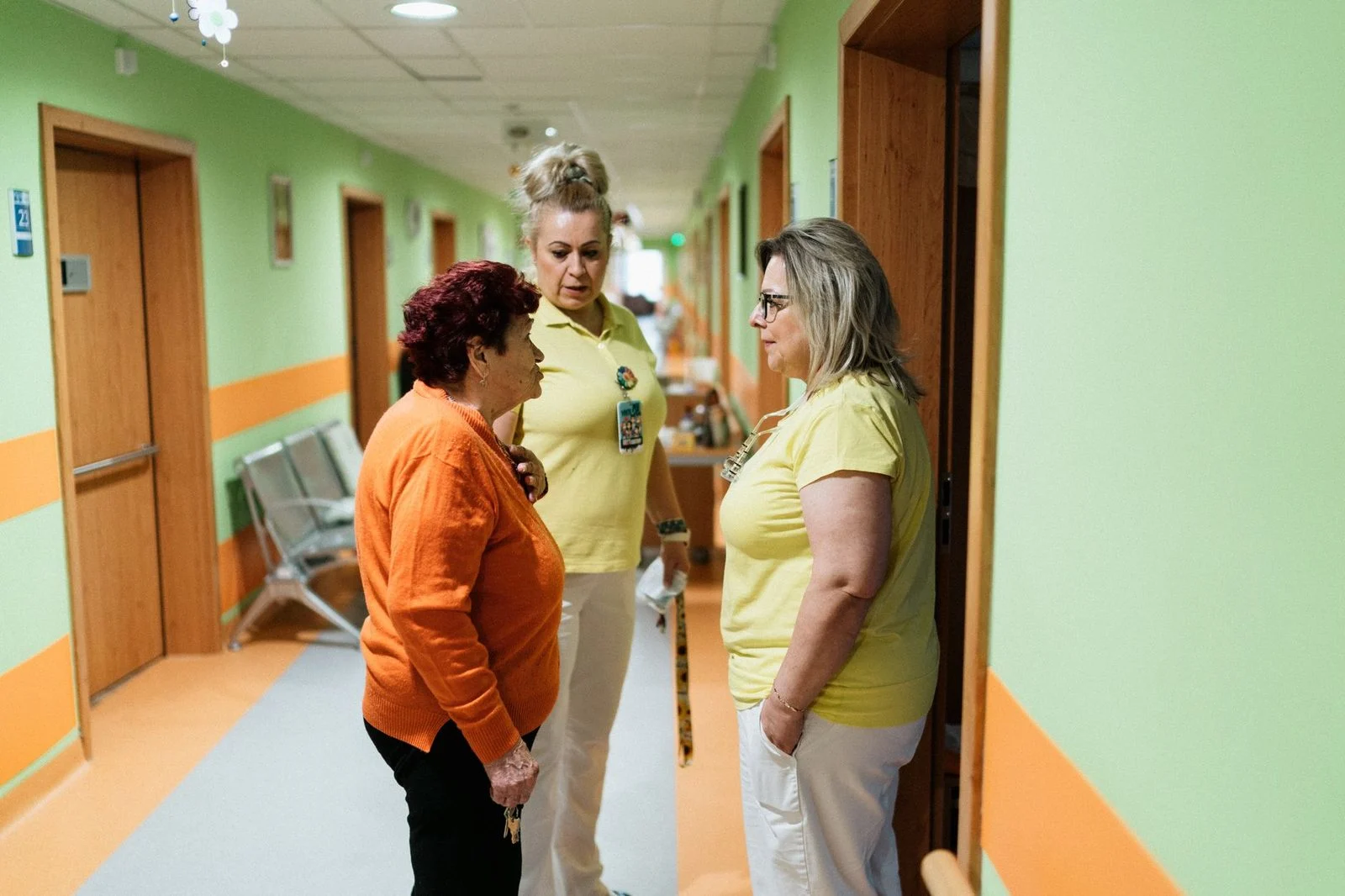
When care goes wrong, and your next step
If a resident is hurt or neglected, get them safe first, then write down what you’ve seen. A state inspection and a civil claim for damages are separate tracks.
Georgia law says a person harmed because a long-term care facility violated or failed to provide a resident’s right may have a cause of action for damages. That person doesn’t have to finish administrative steps first (O.C.G.A. § 31-8-126).
Useful records include dates, injuries, changes in condition, conversations with staff, and copies of care plans or incident reports you receive.
Who regulates nursing homes in Georgia?
The Georgia Department of Community Health oversees long-term care facilities.
Who is in charge of a nursing home?
The administrator runs the facility day to day. The governing body is responsible for the facility as a whole.
What else is a nursing home called?
It is often called a skilled nursing facility or a long-term care facility.
Slam Dunk Attorney is based in Duluth, Georgia, and represents people in nursing home abuse matters across metro Atlanta and Georgia. Peter F. Jaraysi is the responsible lawyer for this page.
If you’re making sense of a loved one’s care after a fall, a sudden decline, or an injury you didn’t expect, you don’t have to do it alone. Our team offers a free, confidential first consultation with no obligation to continue, so you can request a free consultation and talk through what you’ve seen.
The Main Roles in Georgia Nursing Home Oversight
The administrator
The administrator runs the facility day to day, from staffing and budgets to daily resident care and compliance with state rules.
The governing body
The governing body is responsible for the facility as a whole. It sets policy and is accountable for the quality and safety of the care provided.
Nursing and medical leadership
The director of nursing and the medical director oversee clinical care, medication management and how staff respond to changes in a resident's health.
The long-term care ombudsman
Ombudsman programs advocate for residents, look into complaints and help families understand their options within the care system.
Concerned about your loved one's safety?
Injuries, sudden changes in health, unexplained bruises, weight loss or missed medication can all be warning signs. Write down what you notice, dates and names, and keep any records you have. Reporting concerns to the facility and to state agencies is an important first step.