
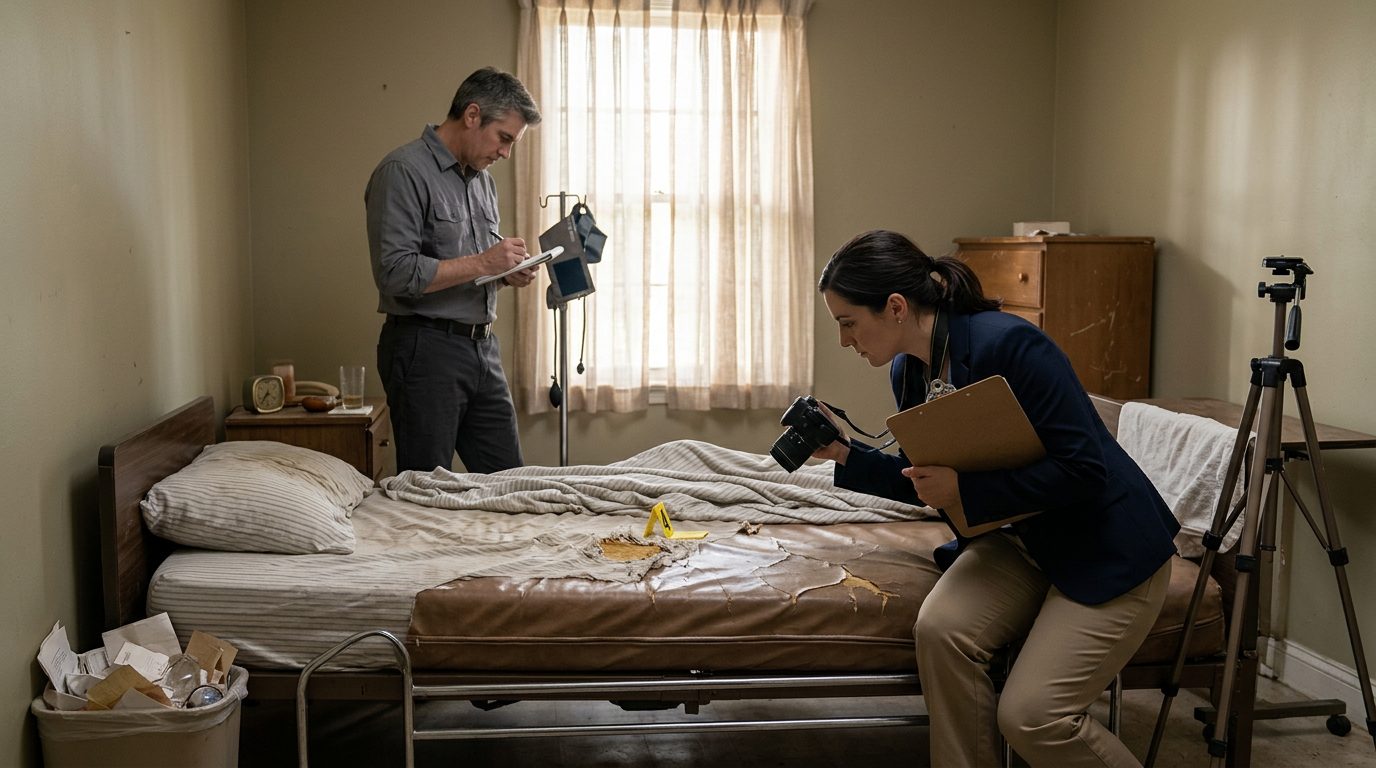
Nursing Home Abuse | Georgia
Nursing Home Bedsore Lawyer Georgia
Bedsores are preventable. If your loved one developed one due to neglect, we can help you pursue accountability and fair compensation.
By Peter F. Jaraysi · Published September 17, 2026
Nursing Home Bedsore & Pressure Ulcer Neglect Claims in Georgia
Bedsores (pressure ulcers) are largely preventable injuries that develop when a nursing home fails to provide basic, standard care—and they’re a serious sign of neglect. If your loved one developed bedsores while under nursing home care in Georgia, you may have a legal claim for compensation. Slam Dunk Attorney focuses on nursing home abuse and neglect cases across metro Atlanta and Georgia, and we understand both the medical and legal dimensions of bedsore negligence.
If your loved one developed bedsores in a Georgia nursing home despite being immobile and under staff care, you may have a claim for negligence—and families in your situation can reach out to us. Talk it through with our team — the first consultation is free, confidential, and carries no obligation.
What Are Bedsores and Pressure Ulcers, and When Is a Nursing Home Liable?
Bedsores (also called pressure ulcers) form when prolonged pressure on skin reduces blood flow, causing tissue damage that ranges from surface redness to deep wounds involving muscle and bone. They’re almost entirely preventable with proper nursing care.
Nursing homes are liable for bedsore neglect when they fail to provide reasonable care to prevent or treat these injuries. That includes:
- Regular turning and repositioning: immobile residents should be turned at least every 2 hours to relieve pressure.
- Moisture management: keeping skin dry and clean to prevent breakdown.
- Nutrition and hydration: adequate protein and fluids support skin health and healing.
- Skin monitoring: staff should inspect residents’ skin daily and report early signs of redness or breakdown.
- Pressure-relief equipment: using mattresses, cushions, or other devices designed to reduce pressure on vulnerable areas.
When a nursing home ignores these standards—leaving a resident in the same position for hours, failing to manage incontinence, or disregarding early warning signs—that’s negligence. In the bedsore cases we handle, we often find that the harm was entirely preventable and that facility records show staff knew or should have known about the risk.
Who These Claims Are For
Bedsore neglect claims are for:
- Family members of nursing home residents who developed bedsores during care.
- Individuals who suffered bedsores due to nursing home neglect and are seeking accountability and compensation.
- People across metro Atlanta and Georgia—including Duluth, Lawrenceville, Johns Creek, Alpharetta, Marietta, Norcross, Kennesaw, Dunwoody, and surrounding areas.
- Anyone unsure whether their loved one’s bedsore constitutes actionable neglect and needs clear legal guidance.
You don’t need to know whether you have a strong case before reaching out. That’s what our free consultation is for.
What a Bedsore Neglect Claim Covers
Compensation in a bedsore negligence claim may include:
- Medical expenses: past and ongoing treatment, wound care, antibiotics, hospitalization, surgery, and specialized wound dressings.
- Pain and suffering: compensation for physical pain, emotional distress, and reduced quality of life caused by the bedsore.
- Lost wages: if you or a family caregiver lost income due to medical appointments or recovery care.
- Punitive damages: in cases of gross negligence or reckless disregard, Georgia law may allow additional damages to punish the facility and deter future misconduct.
- Wrongful death: if bedsore-related complications—such as infection, sepsis, or other systemic illness—led to your loved one’s death, survivors may pursue a wrongful death claim.
How We Investigate and Build Your Case
A strong bedsore negligence case rests on thorough investigation and medical evidence. Here’s what we do:
Medical Records Review
We obtain and analyze the nursing home’s charts, wound assessments, physician notes, and treatment records. This timeline shows when the bedsore appeared, how staff responded (or didn’t), and whether care met accepted standards.
Expert Consultation
We work with wound care specialists and geriatric nurses to review the facility’s actions and determine whether they fell below the standard of care. Their expert opinion is often decisive in proving negligence.
Facility Records
We request incident reports, care plans, staffing logs, and training records. These documents often reveal systemic failures—understaffing, lack of training, or ignored protocols—that led to neglect.
Photographic Evidence
We document the bedsore’s severity and progression. Photos are powerful evidence of the harm and often show that the facility’s care was inadequate.
Witness Statements
We interview family members, other residents, and staff who observed the care (or lack thereof). These accounts often corroborate neglect.
Regulatory History
We check whether the facility has prior citations, complaints, or violations related to skin care or neglect. A pattern of violations strengthens your case.
The Legal Process: What to Expect
Understanding the timeline and steps ahead helps you prepare. Here’s how bedsore negligence cases typically proceed:
Initial Consultation (Week 1)
You meet with our team to discuss what happened, review documents you have, and determine whether you have a viable claim. This consultation is free and confidential.
Investigation & Evidence Gathering (Weeks 2–8)
We obtain medical records, hire experts, and request facility records. We also document the bedsore’s progression and gather witness statements.
Demand Letter (Weeks 8–12)
We send a detailed letter to the nursing home and its insurance company outlining the neglect, the harm caused, the medical evidence, and our settlement demand.
Negotiation (Months 3–18)
Most cases settle during this phase. We advocate for fair compensation based on medical evidence, comparable outcomes, and the severity of harm. Insurance adjusters often move toward settlement once they see the strength of our evidence.
Litigation (if needed)
If settlement talks stall, we file a lawsuit in Georgia state court. Discovery (exchange of documents and witness statements) follows, and we prepare for trial. Litigation can extend 2–3 years depending on court schedules and complexity.
Your Role Throughout
You provide information, attend key meetings, and stay informed. We handle legal strategy, expert coordination, and negotiations. You’re never alone in this process.
Not sure what your next step is?
Talk it through with our team — the first consultation is free, confidential, and carries no obligation.
Why Slam Dunk Attorney Handles These Cases Effectively
Nursing Home Abuse Focus
We focus on nursing home neglect claims across Georgia, including bedsore cases, falls, medication errors, dehydration, and wrongful death. We know the industry’s common failures and how to prove them.
Medical-Legal Experience
We understand wound care standards, geriatric medicine, and how to translate clinical evidence into persuasive legal arguments. We speak both languages—medical and legal.
Georgia-Based
We’re licensed in Georgia, familiar with state courts, and know the regulatory landscape for long-term care facilities. We understand Georgia negligence law and how juries in our communities view nursing home cases.
Thorough Investigation
We don’t settle quickly. We dig into records, hire qualified experts, and build strong cases that maximize your recovery. Facilities know we’re serious.
Transparent Communication
We explain the process in plain language, keep you updated, and answer your questions honestly. You’ll never wonder where your case stands.
No Upfront Costs
We work on contingency—you pay nothing unless we recover compensation for you. We also discuss case costs (expert fees, records, filing fees) upfront so there are no surprises.
Common Questions About Bedsore Neglect Claims
How do I know if a bedsore is the nursing home’s fault?
Bedsores are preventable with proper care. If your loved one was immobile, staff should have turned them regularly, managed moisture, and monitored skin. If they didn’t, that’s negligence.
What evidence do I need?
Medical records, photos of the bedsore, witness statements, and expert opinions. We gather these during investigation.
Can I sue even if my loved one had other health conditions?
Yes. Nursing homes must still provide standard preventive care. Pre-existing conditions don’t excuse neglect.
What if the bedsore healed?
You can still pursue a claim for past medical costs, pain, and suffering. Healing doesn’t erase the harm or the facility’s liability.
How much is my case worth?
Value depends on severity, medical costs, age, life expectancy, and other factors. We evaluate this during consultation and don’t speculate on outcomes.
Will this go to trial?
Most settle. We prepare for trial to show we’re serious, but settlement is often faster and more certain for families.
What about case costs?
We advance costs (expert fees, records, filing fees). If we don’t recover, you don’t owe us costs—but discuss this detail during your consultation.
What Residents and Families Should Know About Prevention
If your loved one is currently in a nursing home, these steps help protect them and create a record if problems arise:
- Inspect skin regularly: ask to see your loved one’s skin during visits; report any redness, blistering, or open areas immediately.
- Ask about care plans: request a copy of the facility’s skin care and pressure-relief plan; it should be specific and documented.
- Monitor positioning: ensure staff are turning your loved one at least every 2 hours if they’re immobile.
- Nutrition matters: pressure ulcers heal poorly without adequate protein and hydration; verify your loved one is eating and drinking.
- Speak up: if you notice neglect, report it to the facility’s management, the state ombudsman, and the Georgia Department of Public Health.
- Document everything: keep notes of visits, observations, and conversations with staff—this becomes evidence if you need to pursue a claim.

Next Steps: How to Move Forward
If you believe your loved one suffered bedsores due to nursing home neglect, don’t wait. Georgia has a statute of limitations on personal injury and wrongful death claims, and time matters.
Gather what you have: medical records, photos, incident reports, and any correspondence with the facility.
Contact us for a free case review: we’ll discuss your situation with an attorney, answer your questions, and tell you honestly whether you have a claim.
No obligation: a consultation is free and confidential. You’re not committing to anything by reaching out.
If your loved one developed bedsores in a Georgia nursing home despite being immobile and under staff care, you may have a claim for negligence—and families in your situation can reach out to us. Request a free consultation with Slam Dunk Attorney today, or call us to discuss your case. We’re here to help.
Why Choose Slam Dunk Attorney
Focused on Nursing Home Abuse
We focus exclusively on personal injury cases, including nursing home neglect. We understand the signs of preventable bedsores and the care standards that facilities must meet.
We Handle the Investigation
We gather medical records, photograph injuries, interview witnesses, and work with medical professionals to build a clear picture of what happened.
Transparent, Compassionate Approach
We listen to your family's story and explain your options in plain language. No pressure, no jargon—just honest guidance.
Serving Metro Atlanta & Georgia
Based in Duluth, Georgia, we represent families across the region, including Lawrenceville, Johns Creek, Alpharetta, Marietta, Norcross, Kennesaw, and Dunwoody.
What You Need to Know About Bedsores in Nursing Homes
Bedsores Are Preventable
When a resident is immobile or has limited mobility, nursing home staff must turn them regularly, manage moisture, keep skin clean and dry, and monitor for early signs of breakdown. Failure to do so is negligence.
Evidence Matters
Medical records, photographs of the bedsore, witness statements from family and staff, and expert medical opinions all help show what care was—or wasn't—provided.
No Fees Unless There Is a Recovery
We work on a contingency basis. You do not pay attorney fees unless there is a recovery. You may still owe case costs; we'll discuss those upfront.
Time Is Critical
Nursing home abuse claims are subject to strict deadlines. The sooner you reach out, the sooner we can preserve evidence and protect your family's rights.
Don't Wait
Bedsores worsen quickly and can lead to serious infection or other complications. If your loved one has developed a bedsore in a nursing home, contact us right away so we can review the circumstances and advise you on next steps.