
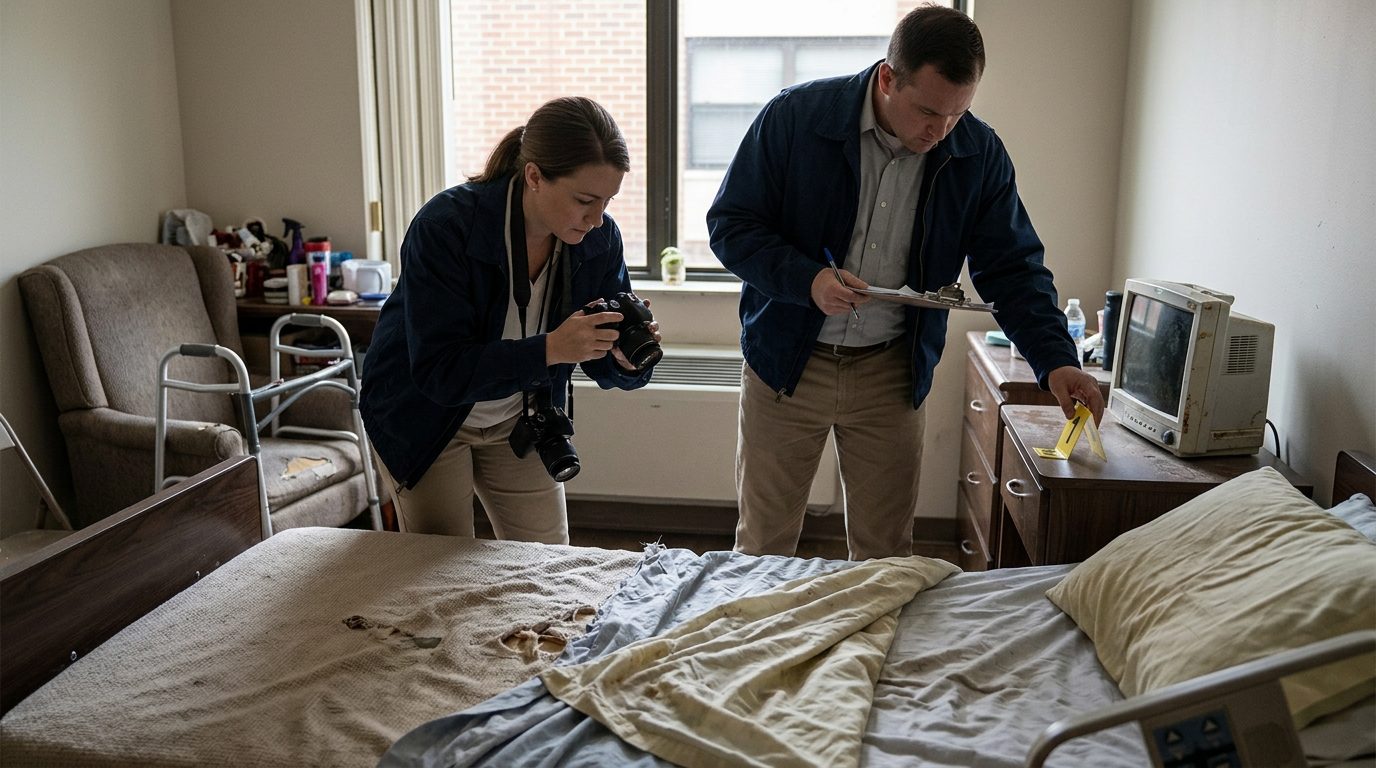
Nursing Home Abuse | Atlanta and Georgia
Nursing Home Lawsuit Lawyer in Georgia: The Key Facts Families Need
Learn how a civil lawsuit can hold a nursing home accountable for neglect or abuse, what evidence matters, and how our team at Slam Dunk Attorney can help your family take the next step.
By Peter F. Jaraysi · Published October 23, 2026
You need a Georgia personal injury lawyer who handles civil claims, including nursing home neglect and wrongful death. Suing a nursing home is usually a civil case, not a criminal one.
If you are asking what type of lawyer do I need to sue a nursing home, you are probably worried about someone you love. You may feel rushed and unsure where to start. Asking this question is a sensible first step.
The short answer: a civil personal injury lawyer
A civil personal injury lawyer handles lawsuits that ask a court for money to make up for harm. In a nursing home case, that harm often comes from negligence, neglect, or abuse. Common examples include falls, pressure sores (bedsores), medication errors, dehydration, malnutrition, physical abuse, and financial exploitation.
Georgia law says each resident must receive care that is adequate and appropriate. That care must come with reasonable care and skill, and with respect for the resident’s dignity and privacy. O.C.G.A. § 31-8-108 sets out these rights.
Under O.C.G.A. § 31-8-126, a person harmed because a long-term care facility violated or failed to provide any of these rights has a cause of action against the facility for damages.
A Georgia case is filed in a Georgia court. So the lawyer you choose should be licensed to practice in Georgia. Ask about this first.
If your parent's care has changed and you're unsure what comes next, our team offers a free, confidential consultation with no obligation to continue. Talk it through with our team — the first consultation is free, confidential, and carries no obligation.

Civil lawsuit, criminal charges, and state complaints are different
A civil lawsuit asks a court for money damages. The money compensates the injured resident, or the family of someone who died. Criminal charges are a separate process. Prosecutors decide whether to bring them, not your civil lawyer.
State agencies also oversee care facilities. A report to an agency is not the same as a lawsuit. A report alone does not pay for a resident’s medical bills or other losses.
The Georgia Long-Term Care Ombudsman Program helps residents and families set up resident and family councils. The Georgia Bureau of Investigation also publishes a comparison of elder abuse laws. It covers which statutes address abuse, neglect, and exploitation of vulnerable adults.
A civil claim and a criminal or agency matter can run at the same time. You do not have to choose one path before you talk with a lawyer.
If a resident is in immediate danger, get help for them first. Safety comes before any legal question.
Which claims a nursing home lawyer handles
A nursing home lawyer handles claims for neglect in care, injuries from falls or pressure sores, and abuse. The lawyer also handles wrongful death when a resident dies. Each claim turns on what the facility did, or failed to do.
Wrongful death works differently. Under O.C.G.A. § 51-4-5, when no one may bring a wrongful death action, the administrator or executor may bring it for the next of kin. Where death of a human being results from a crime or from criminal or other negligence, the same law lets the personal representative recover funeral, medical, and other necessary expenses. So a family member cannot always file on their own. The right person to file can vary from case to case.
Restraint and abuse claims raise their own questions. Our guide on restraint abuse claims explains them in more detail. Emotional harm can also be part of a claim. Read about emotional distress claims in Georgia to learn more.
Our nursing home abuse overview covers the whole practice area.
What a nursing home lawyer does in the case
A nursing home lawyer gathers and reviews evidence. The lawyer also works with medical professionals to explain what happened and why it matters. The records often shape the case more than anything else.
Families can start by requesting records. Under O.C.G.A. § 31-8-108, a resident or guardian may inspect and receive a copy of medical records. O.C.G.A. § 31-8-108 reads: “Each resident shall have access to all information in the medical records of the resident and shall be permitted to inspect and receive a copy of such records unless medically contraindicated.” The facility may charge a reasonable fee, not more than actual cost. Useful records include the medical chart, care plans, incident reports, and staffing information.
Timing matters. Georgia generally requires an action for injuries to the person to be brought within two years after the right of action accrues. That rule comes from O.C.G.A. § 9-3-33. Ask a lawyer soon, because the clock may already be running.
Family roles can be complicated. Ask who can make decisions for the resident, and who the lawyer will update.
Questions to bring to a first meeting
Good questions make the first meeting more useful. Ask them early, and get the answers in writing when you can.
- Is the lawyer licensed in Georgia, and who handles day-to-day calls?
- How do fees and case costs work? Who pays court costs and case expenses, and what happens to them if the case does not succeed?
- What records will the lawyer need first? Common items include the resident’s medical chart, admission agreement, care plan, and any incident or discharge papers.
- Who can file on the resident’s behalf, and what paperwork proves that right?
The firm’s stated terms for its initial consultation are free, confidential, and carry no obligation to continue.
How the firm approaches these cases
Slam Dunk Attorney is a personal injury firm based in Duluth, Georgia. Its lawyers handle nursing home abuse and neglect claims. The firm also handles car, truck, motorcycle, rideshare, premises liability, and wrongful death matters across metro Atlanta and Georgia.
If you live in the metro area, you can read our Atlanta nursing home abuse page.
Peter F. Jaraysi is the responsible lawyer for this page. You can reach the firm through its contact page. This page is general information, not legal advice, and reading it does not create a lawyer-client relationship.
Not sure what your next step is?
Talk it through with our team — the first consultation is free, confidential, and carries no obligation.
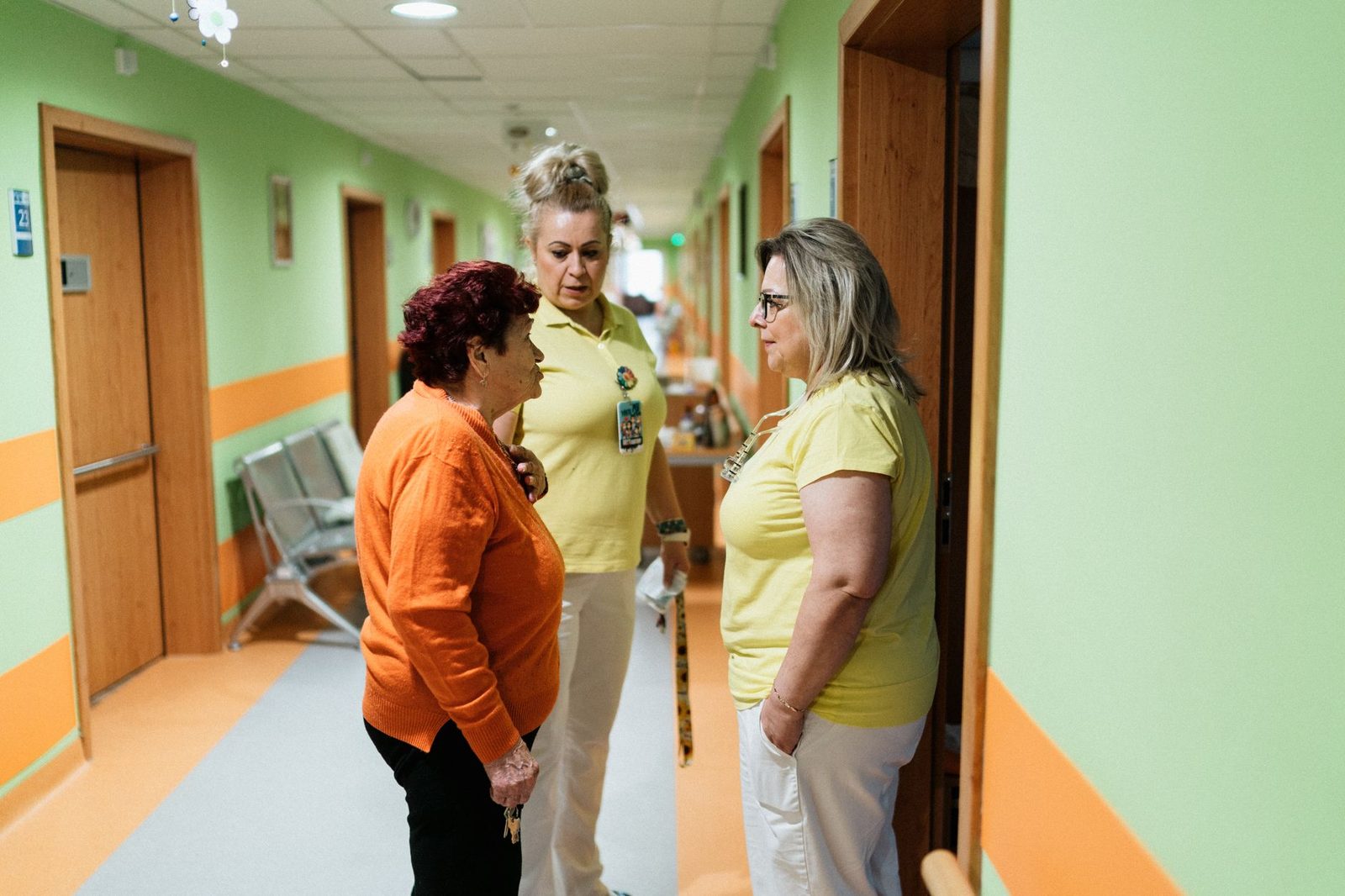
Talking through your situation with our team
Maybe your parent’s care has changed. Maybe a fall or an injury has raised hard questions. Deciding what to do next is difficult to do alone, and you do not have to face it alone. Our team can talk through the facts with you. Request a free consultation and bring your questions.
Frequently asked questions
What type of lawyer do I need to sue a nursing home?
You need a personal injury lawyer who handles civil claims in Georgia. That includes nursing home neglect and wrongful death.
Is suing a nursing home a criminal case?
No. A lawsuit is civil and asks a court for money damages. Criminal charges are a separate process run by prosecutors.
Talk with a lawyer soon.
Is the first consultation free?
Yes. The firm’s initial consultation is free, confidential, and carries no obligation to continue.
What to Know Before You Take Action
A lawsuit is a civil case
A nursing home lawsuit asks a court for money damages to compensate your loved one's injuries and losses. Criminal charges are a separate process handled by prosecutors.
Several parties may be involved
Depending on the facts, a claim may involve the facility, its management company, or other parties responsible for care. Our team reviews who was involved in your loved one's care.
Records matter
Care plans, medication logs, incident reports, staffing records and photos can help show what happened. Preserving these details early can make a difference.
Your family's concerns come first
We know these situations are painful. We listen carefully, explain your options in plain language, and focus on the well-being of the person you love.
Act Quickly If You See Warning Signs
If you notice sudden injuries, infections, or changes in your loved one's health, ask the facility for records in writing and keep a log of dates, names and conversations. Do not wait for the problem to resolve on its own.
Common Signs of Nursing Home Neglect
Bedsores and pressure injuries
Sores that develop or worsen can signal that a resident is not being repositioned or cared for properly.
Unexplained injuries
Bruises, fractures, cuts or burns with no clear explanation deserve a closer look and a clear answer from the facility.
Weight loss and dehydration
Rapid weight loss or signs of dehydration may point to missed meals, assistance problems, or poor monitoring.
Medication errors
Missed doses, wrong medications or overmedication can cause serious harm, especially for residents with complex health needs.