
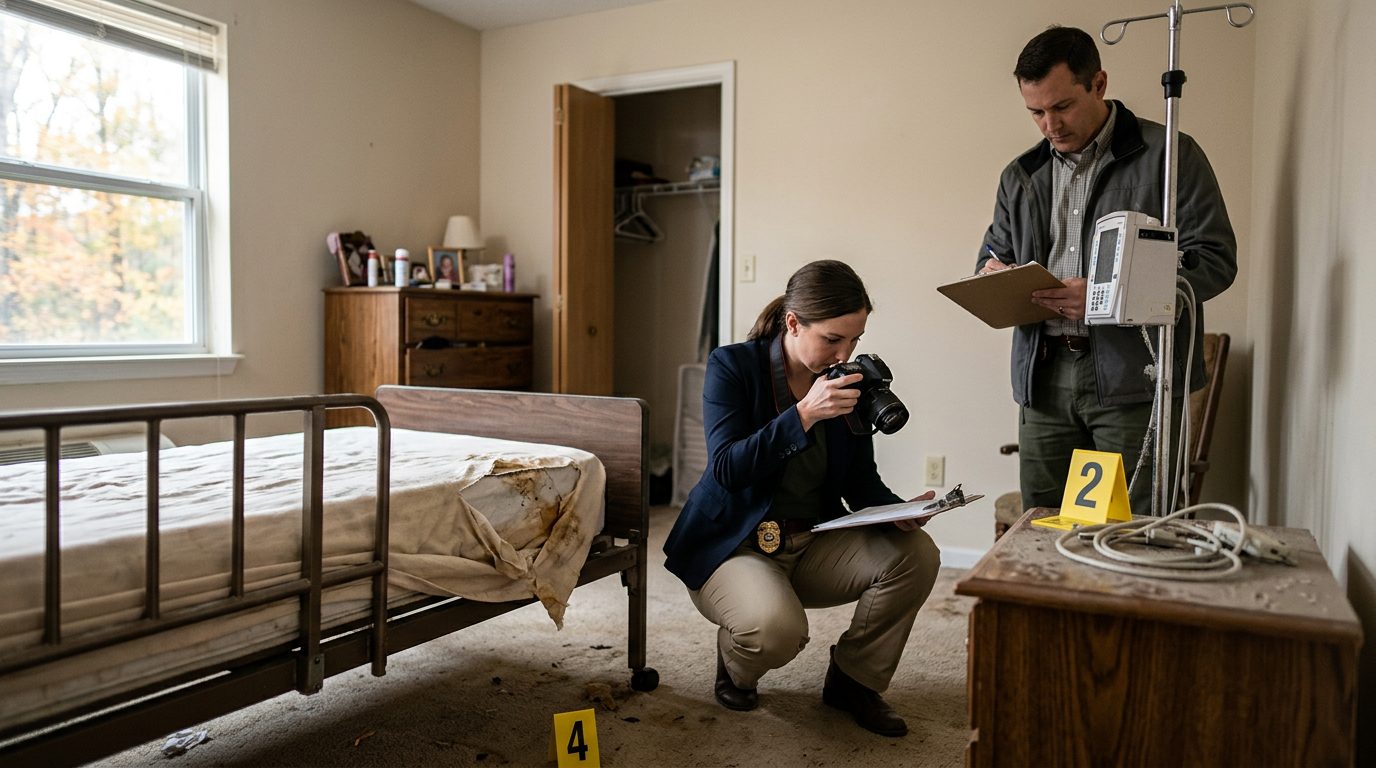
Nursing Home Abuse & Neglect
Nursing Home Medication Error Claims in Georgia
When a medication mistake causes harm, you deserve answers and accountability. Slam Dunk Attorney represents families across Georgia.
By Peter F. Jaraysi · Published September 22, 2026
Nursing Home Medication Error Claims: What You Need to Know
A nursing home medication error claim is a legal action you can bring when a facility or its staff administers the wrong medication, wrong dose, wrong route, or wrong patient due to negligence—and that error causes injury or worsens the resident’s condition. These are preventable failures in care, not unavoidable side effects. If your loved one has suffered harm from a medication mistake, you may have the right to pursue compensation for medical expenses, pain and suffering, and other damages.
If a medication error at a nursing home has harmed your loved one, you may have a legal claim for the harm and expenses that resulted—and families in this situation reach out to us regularly to understand their options. Talk it through with our team — the first consultation is free, confidential, and carries no obligation.
What Is a Nursing Home Medication Error Claim?
A medication error claim arises when a nursing home or its staff fails to follow standard care procedures and that failure causes harm to a resident.
Medication errors are distinct from unavoidable side effects of correctly prescribed drugs. A side effect is a known, inherent risk of a medication. A medication error is a preventable mistake—the wrong drug given, the wrong amount, the wrong time, or the wrong patient. These errors stem from negligence: a failure to follow the procedures that exist to prevent them.
Medication errors can occur at any point in the care chain:
- Nursing staff administering the medication incorrectly
- Pharmacy staff filling the prescription wrong or failing to flag dangerous interactions
- Facility systems failing to maintain accurate medication records, store drugs safely, or communicate changes in a resident’s medications
- Aides or other caregivers giving medication without proper training or oversight
Who can file a claim? The resident (if they are mentally competent), a family member on the resident’s behalf, or the estate of a deceased resident. If the medication error caused or contributed to the resident’s death, the family may pursue a wrongful death claim.
Who These Claims Are For
These claims are for residents who suffered injury, illness, hospitalization, or a worsening condition directly caused by a medication error.
Family members often discover the error when:
- A resident develops sudden, unexplained symptoms (confusion, severe pain, dizziness, nausea, behavioral changes)
- A hospital transfer or specialist visit reveals the medication mistake
- The nursing home’s own incident report or medication records show the error
- The resident is rushed to an emergency room with symptoms inconsistent with their known conditions
You may also have a claim even if the resident has already recovered. Recovery doesn’t erase the medical expenses, pain, suffering, and lost time that resulted from the error.
If the medication error caused or hastened your loved one’s death, you have the right to pursue a wrongful death claim on behalf of the estate.
What a Medication Error Claim Covers
Compensation in a nursing home medication error claim can include:
Medical Expenses
Emergency room visits, hospitalization, diagnostic testing, surgery, ongoing treatment, rehabilitation, and any other medical care needed to address the consequences of the error.
Pain and Suffering
Physical pain, emotional distress, anxiety, and loss of quality of life caused by the error and its effects on the resident.
Lost Wages
If you or another family member had to leave work for medical appointments, hospital stays, or additional caregiving.
Wrongful Death Damages
If a medication error caused or contributed to the resident’s death, you may recover funeral and burial expenses, loss of companionship, and the pain and suffering the resident experienced before death.
Punitive Damages
In cases involving gross negligence or reckless conduct by the facility, Georgia law allows punitive damages—additional compensation intended to punish the wrongdoer and deter similar conduct.
Facility Accountability
We pursue claims against the nursing home itself, its owner or operator, and the individual staff members responsible for the error.
Common Types of Medication Errors in Nursing Homes
Understanding what went wrong is the first step to proving negligence. Common medication errors include:
- Wrong medication: The resident receives a different drug than prescribed.
- Wrong dose: Too much or too little of the correct medication is given.
- Wrong time: Medication is given at incorrect intervals, causing overdose or under-treatment.
- Wrong route: Medication is given orally instead of injected (or vice versa), affecting how the body processes it.
- Wrong patient: Medication intended for one resident is given to another.
- Failure to administer: A prescribed medication is not given at all, leading to a worsening condition.
- Drug interactions: Staff failed to check for dangerous interactions with other medications or supplements the resident is taking.
- Allergic reaction: A resident is given medication despite a documented allergy in their medical chart.
Each of these errors represents a failure to follow standard care procedures that exist to protect residents.
How to Recognize a Medication Error
You may suspect a medication error if you notice:
- Sudden or unexplained symptoms: New pain, confusion, dizziness, nausea, tremors, or behavioral changes shortly after medication administration.
- Medication discrepancies: Medication bottles or nursing records don’t match what the resident reports receiving.
- Emergency hospitalization: The resident is rushed to the hospital with symptoms that don’t fit their known medical conditions.
- Documented errors: Nursing home incident reports, pharmacy records, or hospital notes mention a medication mistake.
- Visible changes: The resident looks or acts noticeably different, or complains of unusual side effects.
- Medical review findings: A hospital doctor or specialist identifies an error during a transfer or consultation.
If you suspect an error, document everything: the date, time, symptoms, and any statements by staff or the resident.
Not sure what your next step is?
Talk it through with our team — the first consultation is free, confidential, and carries no obligation.
How Nursing Home Medication Error Claims Work
Here’s what to expect when you bring a medication error claim to us.
Step 1 – Initial Consultation
You contact us with details about the medication error, the resident’s condition before and after, and the harm suffered. We listen carefully, ask clarifying questions, and explain your legal rights in plain language.
Step 2 – Investigation
We obtain the resident’s complete medical records, medication administration records (MARs), pharmacy records, and any incident reports filed by the nursing home. We identify exactly what went wrong, when it happened, and who was responsible.
Step 3 – Medical Review
We work with qualified medical experts to establish that the medication error caused or worsened the resident’s injury or illness, and to quantify the harm (medical expenses, pain and suffering, lost function).
Step 4 – Demand and Negotiation
We prepare a detailed demand letter outlining the error, the evidence, the medical causation, and the damages. We send it to the nursing home’s insurance company and begin negotiations to reach a fair settlement.
Step 5 – Litigation (If Necessary)
If the insurance company refuses a reasonable offer, we file a lawsuit in Georgia court. We prepare the case for trial, including discovery (exchanging documents and information), depositions (recorded witness interviews), and expert testimony.
Step 6 – Resolution
We work toward a settlement or judgment that compensates the resident or estate for all documented harm caused by the medication error.
Timeline and What to Expect
Immediate (Days 1–7)
You contact us; we gather initial information and begin requesting medical records from the nursing home and any hospitals involved.
Short-Term (Weeks 2–8)
Medical records arrive. We review them with medical experts to confirm the medication error and establish its impact on the resident’s health.
Mid-Term (Months 2–6)
We prepare a comprehensive demand package and send it to the facility’s insurance company. Negotiations begin.
Settlement or Litigation (Months 6–18+)
If a settlement is reached, we finalize it and distribute funds to you. If not, we file suit and proceed through discovery, depositions, and trial preparation.
Critical deadline: Under Georgia law, you generally have two years from the date of injury to file a personal injury claim. For wrongful death, it’s two years from the date of death. Acting quickly preserves evidence, keeps memories fresh, and strengthens your case.
Why Choose Slam Dunk Attorney for Your Medication Error Claim
Nursing Home Abuse Experience
We focus on nursing home neglect and abuse cases across Georgia, including medication errors, dehydration, malnutrition, fall injuries, and wrongful death. We understand the patterns of negligence that occur in these facilities.
Georgia-Based and Local
We are based in Duluth and serve families throughout metro Atlanta and Georgia. We know Georgia nursing home regulations, court procedures, and the judges and insurance companies we work with.
Thorough Investigation
We don’t accept the nursing home’s explanation at face value. We dig into records, interview witnesses, consult medical experts, and build a case that proves negligence.
No Upfront Costs
We work on a contingency basis: you pay no attorney fees unless we recover compensation for you. You may still owe case costs (expert fees, court filing fees, medical records requests), but we discuss these upfront and transparently.
Transparent Communication
We explain the process in plain language, keep you updated on progress, and answer your questions honestly—including about realistic timelines and outcomes.
Compassionate Approach
We understand the emotional toll of discovering your loved one was harmed by a preventable error. We treat your family with respect and dignity throughout the process.
Frequently Asked Questions
Q: How do I know if the nursing home is liable for the medication error?
Liability exists if the nursing home or its staff failed to follow standard care procedures (checking the resident’s chart, verifying the medication, confirming the dose) and that failure caused harm.
Q: What if the resident had a pre-existing condition?
Pre-existing conditions don’t shield the nursing home from liability. If a medication error worsened the condition or caused new injury, the facility is still responsible for the additional harm.
Q: Can I sue if the resident has already recovered?
Yes. Even if the resident recovered, they may have incurred medical expenses, pain and suffering, and lost time. We can pursue a claim for those damages.
Q: What if the nursing home says it was an honest mistake?
Honest mistakes can still constitute negligence. Negligence is about failure to exercise reasonable care, not intent.
Q: How long does a medication error claim take?
Most settle within 6–12 months. Complex cases or those requiring litigation may take 12–24 months or longer.
Q: Will this case go to trial?
Most cases settle before trial. However, if the insurance company refuses a fair offer, we are prepared to take your case to court.
Q: What if the resident is deceased?
You may have a wrongful death claim. We can pursue damages for medical expenses, funeral costs, pain and suffering before death, and loss of companionship.

What You Should Do Right Now
Document Everything
Write down the date, time, and details of the medication error and any symptoms or harm that followed. Include names of staff members present.
Preserve Records
Request and keep copies of the resident’s medical records, medication administration records, and any incident reports filed by the nursing home.
Photograph Evidence
If there are visible injuries or the resident’s condition has changed noticeably, take photos (with the resident’s or family’s consent).
Report to Authorities
File a complaint with the Georgia Department of Community Health or your local health department. This creates an official record and may trigger an inspection.
Do Not Delay
The sooner we investigate, the fresher the evidence and the stronger your case. Memories fade, records are lost, and the statute of limitations is finite.
If a medication error at a nursing home has harmed your loved one and you’re facing unexpected medical bills, emotional distress, or the loss of a family member, you don’t have to navigate this alone. Families in this situation regularly reach out to us to understand whether they have a claim and what compensation may be available. Contact us today for a free consultation to discuss your case with an experienced Georgia nursing home attorney.
Act Quickly
Medication errors in nursing homes can cause serious injury or death. If you suspect your loved one has been harmed by a medication mistake, document what happened and contact us promptly. Time matters in these cases.
What Makes a Nursing Home Liable for Medication Errors?
Failure to Follow Standard Care
Nursing homes must verify the resident's chart, confirm the correct medication and dose, and check for allergies or drug interactions. Skipping these steps—or doing them carelessly—can establish liability if harm results.
Staff Negligence or Inadequate Training
If staff members are untrained, understaffed, or fail to follow the facility's own medication protocols, the nursing home can be held responsible for the resulting injury.
Pre-Existing Conditions Don't Shield the Facility
A resident's prior health problems do not excuse a medication error. If the error worsened their condition or caused new harm, liability may still exist.
Failure to Monitor and Report
Nursing homes must watch for adverse reactions and report problems to the resident's doctor. Ignoring signs of harm or failing to communicate can constitute negligence.
How Slam Dunk Attorney Can Help
Investigation & Evidence Gathering
We review medical records, medication logs, and facility policies to identify what went wrong and who is responsible.
Clear Explanation of Your Claim
We explain the facts of your case in plain language, so you understand the basis for holding the nursing home accountable.
Compassionate Representation
We understand the emotional toll of a loved one's injury or death. We handle the legal work so you can focus on what matters.
Direct Access & Communication
You'll work with our team and have your questions answered promptly. We keep you informed every step of the way.