
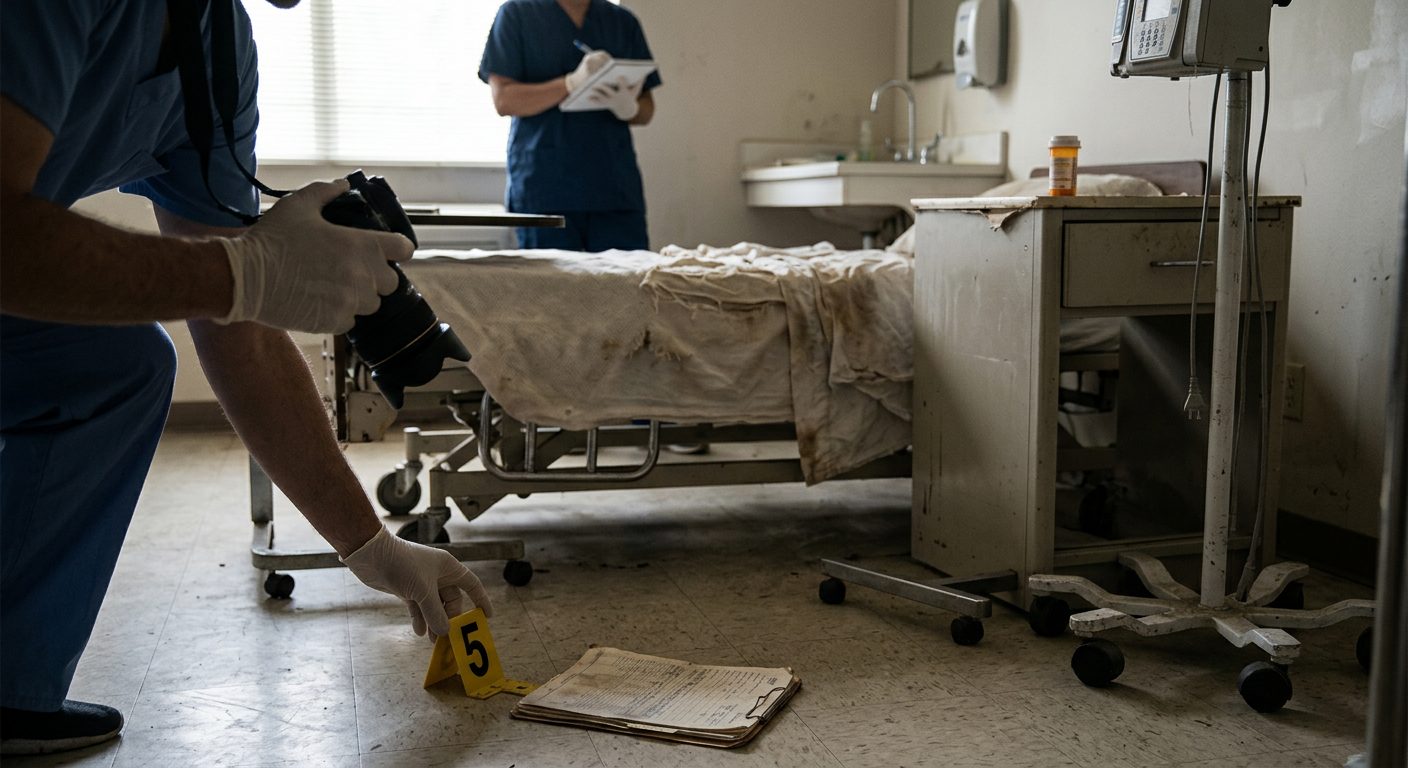
Nursing Home Abuse & Neglect
Know Your Legal Rights When a Loved One Is Harmed in Care
If your family member has been abused or neglected in a Georgia nursing home, you have options. Slam Dunk Attorney helps families hold facilities accountable.
By Peter F. Jaraysi · Published September 24, 2026
Nursing Home Abuse: Your Legal Rights in Georgia
If you suspect your loved one is being abused or neglected in a Georgia nursing home, you have legal rights—and the facility may be held responsible. Georgia law protects nursing home residents from abuse, neglect, exploitation, and mistreatment, and gives families concrete remedies when those protections fail. Understanding what the law says, what constitutes abuse, and what steps you can take is the first step toward protecting your loved one and holding wrongdoers accountable.
If you've noticed unexplained injuries, sudden behavioral changes, or signs of neglect in your loved one—and you're wondering whether the facility or its staff may be liable—our team helps families in your situation understand their options and next steps. Talk it through with our team — the first consultation is free, confidential, and carries no obligation.
What Constitutes Nursing Home Abuse Under Georgia Law
Nursing home abuse under Georgia law includes physical harm, emotional harm, sexual abuse, and financial exploitation of residents.
Abuse is different from neglect, though both are serious violations. Abuse is intentional or reckless harm—hitting a resident, yelling threats, touching them sexually, or stealing their money. Neglect is the failure to provide necessary care: not giving medication on time, denying food or water, ignoring hygiene needs, or leaving a resident unsupervised when they need help.
In the cases our attorneys handle, common warning signs include:
- Unexplained bruises, fractures, or injuries
- Medication errors or missing doses
- Improper use of restraints or isolation
- Sudden behavioral changes or depression
- Poor hygiene or malnutrition
- Missing personal belongings or funds
- Verbal mistreatment or threats
- Isolation from family members
Georgia law imposes a clear duty on nursing homes and their staff to provide safe living conditions, adequate supervision, and respectful care. When a facility or staff member breaches that duty and a resident is harmed, the resident—or their family—may have a legal claim.
Legal Rights of Nursing Home Residents in Georgia
Every resident in a Georgia nursing home has fundamental legal rights, regardless of age or health status.
Residents have the right to be free from abuse and neglect. Georgia Code § 34-8-2 establishes that facilities must provide safe, clean environments and protect residents from harm. Residents also have the right to:
- Live in safe conditions with adequate supervision
- Maintain dignity, respect, and privacy
- Report abuse without fear of retaliation
- Have family members present and involved in care decisions
- Access their medical records and incident reports
- Refuse unwanted treatment or medication
- Manage their own finances (or have a trusted representative do so)
These aren’t just guidelines—they’re enforceable legal rights. When a facility violates them, residents and families can pursue legal action.
Who Can Be Held Liable for Nursing Home Abuse
Multiple parties can be held responsible for nursing home abuse in Georgia.
The facility itself can be liable under a legal theory called vicarious liability (the facility is responsible for the wrongful acts of its employees) and corporate negligence (the facility failed to hire, train, supervise, or retain safe staff). Individual staff members—nurses, aides, administrators—can be sued directly for their own negligent or intentional acts. Facility owners and administrators can be held liable for failure to supervise, failure to investigate complaints, or failure to remove known abusers from positions of authority.
In some cases, third parties on the premises—contractors, visitors, or other residents—may also bear responsibility. Georgia courts examine whether the facility knew or should have known of a dangerous condition and failed to protect residents from it.
To establish liability, you must show that the facility or staff member owed a duty of care to the resident, breached that duty, and caused harm as a result. Our attorneys investigate these claims thoroughly, gathering medical records, facility policies, staff training files, and incident reports to build a clear picture of what happened and who is responsible.
Types of Damages Available in Georgia Nursing Home Abuse Cases
If you prove nursing home abuse, Georgia law allows you to recover several types of damages.
Economic damages cover actual out-of-pocket costs: medical expenses for treatment of injuries, ongoing care and rehabilitation, and lost wages if the resident was still working. Non-economic damages compensate for pain, suffering, emotional distress, loss of enjoyment of life, and loss of companionship.
In cases where abuse is willful, reckless, or grossly negligent, Georgia law also permits punitive damages—additional money awarded not to compensate the victim but to punish the wrongdoer and deter similar conduct. If abuse contributed to a resident’s death, families may recover wrongful death damages, including funeral expenses, loss of financial support, and loss of companionship.
The specific damages available depend on the facts of your case, the severity of the abuse, the resident’s age and health, and the degree of the facility’s wrongdoing. An experienced attorney will evaluate all available remedies.
Statute of Limitations for Nursing Home Abuse Claims in Georgia
You have a limited window to file a nursing home abuse claim in Georgia.
The general statute of limitations for personal injury claims in Georgia is two years from the date you discovered the injury. This is called the “discovery rule”—the clock starts when you knew or reasonably should have known that abuse occurred, not necessarily when the abuse happened.
For vulnerable adults with cognitive impairment (dementia, Alzheimer’s, intellectual disability), Georgia courts may apply special considerations. If the resident cannot recognize or report abuse due to their condition, the discovery period may be extended or tolled (paused). However, these exceptions are narrow and fact-specific.
Don’t delay. Evidence can be lost, destroyed, or become unreliable. Facility records may be altered or discarded. Witnesses move away or their memories fade. The sooner you consult with an attorney and begin documenting evidence, the stronger your claim will be.
Not sure what your next step is?
Talk it through with our team — the first consultation is free, confidential, and carries no obligation.
Steps to Take If You Suspect Nursing Home Abuse
If you believe your loved one is being abused, act promptly and deliberately.
Document everything. Write down dates, times, and detailed descriptions of what you observed. Take photographs of injuries, living conditions, or other evidence. Record the names of witnesses—staff, other residents, visitors—who saw the abuse or can corroborate your concerns. Keep copies of medical records, incident reports, and any written complaints you’ve filed.
Report to the facility. Notify the facility’s management or administrator in writing (email is acceptable). Request written acknowledgment of your report. Keep a copy for your records.
Report to state authorities. File a report with the Georgia Department of Community Health (DCH) or Adult Protective Services (APS). These agencies investigate nursing home abuse and can take regulatory action against the facility. You can often report anonymously.
Seek medical evaluation. Have your loved one examined by a physician who can document injuries, assess their overall health and care, and provide expert testimony if needed later.
Consult an attorney. Contact an experienced nursing home abuse attorney as soon as possible. An attorney can advise you on your legal rights, investigate the claim, and handle communication with the facility and its insurance company.
How Georgia Law Protects Whistleblowers and Reporters
You and your loved one are protected if you report abuse.
Georgia law prohibits retaliation against residents or family members who report suspected abuse in good faith. Retaliation—threats, reduced care, isolation, or any adverse action—is itself illegal and can support an additional claim.
Facility staff who report abuse in good faith are also protected. Healthcare providers and facility employees have a mandatory duty to report suspected abuse to state authorities; failing to report is itself a violation of law and professional ethics.
You have the right to report anonymously to the Georgia Department of Community Health or Adult Protective Services. You do not have to identify yourself to file a report or to cooperate with an investigation.
Why You Need an Attorney for a Nursing Home Abuse Claim
Nursing home abuse cases are complex, and the stakes are high.
Nursing home regulations are intricate. Federal standards set by the Centers for Medicare & Medicaid Services (CMS) and Georgia state regulations create detailed requirements for staffing, training, supervision, and resident care. Violations of these standards can support a negligence claim, but proving the violation and its connection to your loved one’s harm requires experience.
You’ll likely need expert medical testimony to establish that the injuries were caused by abuse, not by a pre-existing condition or accident. Facilities and their insurance companies have experienced legal teams and investigators working to minimize liability. Without an attorney, you’re at a significant disadvantage.
An attorney can investigate thoroughly, obtain facility records, interview witnesses, retain medical experts, and negotiate with the facility’s insurance company on your behalf. Most nursing home abuse attorneys work on a contingency fee basis, meaning you pay no upfront legal costs—the attorney’s fee comes from any settlement or judgment recovered. This removes the financial barrier to getting experienced legal help.
Frequently Asked Questions
What’s the difference between nursing home abuse and neglect?
Abuse is intentional or reckless harm (hitting, sexual contact, theft); neglect is failure to provide necessary care (medication, food, hygiene, supervision).
Can I report nursing home abuse anonymously?
Yes, you can file a report with the Georgia Department of Community Health or Adult Protective Services without identifying yourself.
How long do I have to file a claim?
You generally have two years from the date you discovered the injury, though special rules may apply if the resident has cognitive impairment.
What if the facility retaliates against my loved one after I report?
Retaliation is illegal under Georgia law and can support an additional legal claim against the facility.
Do I need to prove the facility intentionally abused my loved one?
No. You can hold a facility liable for negligence even if the abuse was unintentional—for example, if the facility failed to hire, train, or supervise staff properly.
If you’ve noticed unexplained injuries, sudden behavioral changes, or signs of neglect in your loved one—and you’re wondering whether the facility or its staff may be liable—our team helps families in your situation understand their legal rights and the steps available to hold wrongdoers accountable. Reach out for a free case review at https://slamdunkattorney.com/contact-us/.
Signs of Abuse vs. Neglect
Abuse involves intentional or reckless harm—hitting, sexual contact, theft, or verbal mistreatment. Neglect is the failure to provide necessary care: medication, food, hygiene, supervision, or medical attention. Both are grounds for legal action.
What You Can Do
Document Everything
Keep detailed notes of injuries, behavioral changes, medical records, and witness statements. Photos and dates matter. This evidence supports your claim.
Report to Georgia Authorities
File a report with the Georgia Department of Community Health or Adult Protective Services. You can report anonymously. This creates an official record.
Consult an Attorney
A lawyer can review your case, explain your rights, and determine whether the facility's conduct violated its duty of care to your loved one.
Understand Liability
Nursing homes are legally responsible for the safety and well-being of residents. Facilities can be held accountable for abuse, neglect, and inadequate staffing or training.
Why Families Choose Slam Dunk Attorney
Focused on Nursing Home Cases
We focus exclusively on nursing home abuse and neglect claims across Georgia. We understand facility liability, regulatory standards, and what families need.
Empathetic Representation
We treat your family with respect and listen to your story. Our goal is to help you get answers and hold negligent facilities accountable.
Clear Legal Guidance
We explain your rights in plain language, walk you through the process, and answer your questions so you understand your options.
Available to Talk
We offer free consultations and case reviews. Contact us to discuss what happened and learn how we can help your family.
Common Questions
Can I report abuse anonymously?
Yes. You can file a report with the Georgia Department of Community Health or Adult Protective Services without identifying yourself. An official investigation will follow.
What if the nursing home denies responsibility?
Facilities often deny fault. An attorney can gather evidence, interview staff and witnesses, review medical records, and build a case showing the facility's failure to protect your loved one.
How long do I have to file a claim?
Time limits apply. Contact an attorney promptly to understand the deadline for your situation and protect your right to pursue a claim.
What damages can I recover?
Compensation may cover medical bills, pain and suffering, emotional distress, and other losses. An attorney will evaluate your case and explain what may be recoverable.
Your Family Deserves Answers
Related practice areas
- Nursing Home Abuse in Atlanta
- Nursing Home Abuse Damages in Georgia | Types & Recovery