
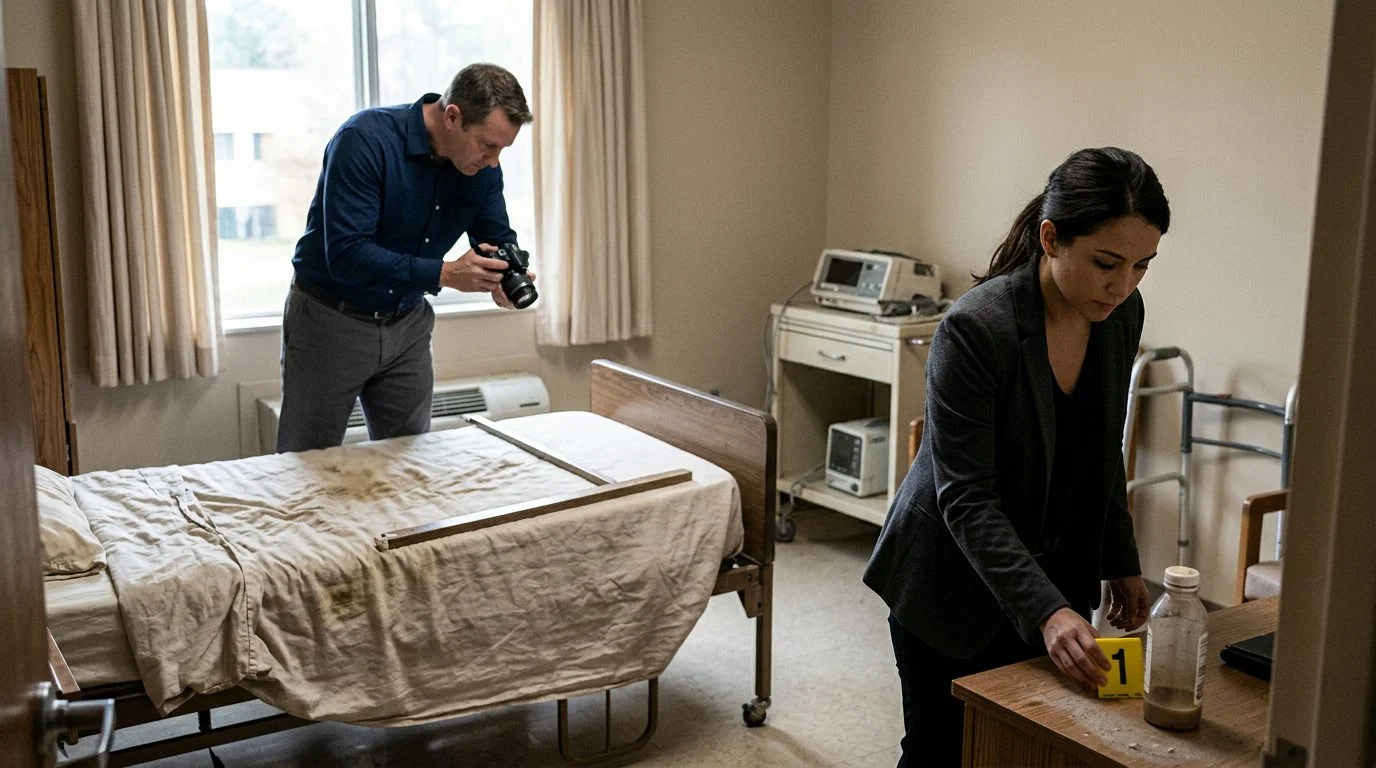
Nursing Home Abuse | Duluth, Georgia
Who Investigates Nursing Home Abuse in Georgia?
A plain-language guide to the agencies that look into complaints, what they do, and how a personal injury attorney can help families in metro Atlanta and across Georgia.
By Peter F. Jaraysi · Published October 27, 2026
Several Georgia agencies can investigate nursing home abuse, and each has a different job. The Georgia Department of Community Health oversees licensed nursing homes, the Long-Term Care Ombudsman helps resolve resident complaints, and law enforcement handles suspected crimes. If someone is in danger right now, call 911 first.
If you’re trying to figure out who investigates nursing home abuse, you’re probably worried and short on time. This guide explains each agency’s role, what to write down, and how an agency report differs from a legal claim. Slam Dunk Attorney, based in Duluth, Georgia, represents people harmed in nursing home cases across metro Atlanta and Georgia.
Who Investigates Nursing Home Abuse in Georgia?
Three main groups investigate, and each looks at a different side of the problem.
- Georgia Department of Community Health. This agency regulates licensed nursing homes and takes complaints about resident safety and care. Its Georgia Department of Community Health page explains how to report concerns.
- Long-Term Care Ombudsman. The Georgia Long-Term Care Ombudsman Program investigates complaints affecting nursing home residents and works to resolve them. It protects the confidentiality of residents and the people who complain.
- Local law enforcement. Police investigate suspected crimes, such as assault, theft, or financial exploitation.
These agencies look into what happened and push for fixes. They don’t decide how much money a family may recover. That question belongs to a separate civil claim, covered below.
If you're worried about what happened to someone you love in a Georgia care facility, you don't have to sort out the next steps alone. Slam Dunk Attorney offers a free, confidential first consultation with no obligation to continue. Talk it through with our team — the first consultation is free, confidential, and carries no obligation.
What Counts as Nursing Home Abuse and Neglect?
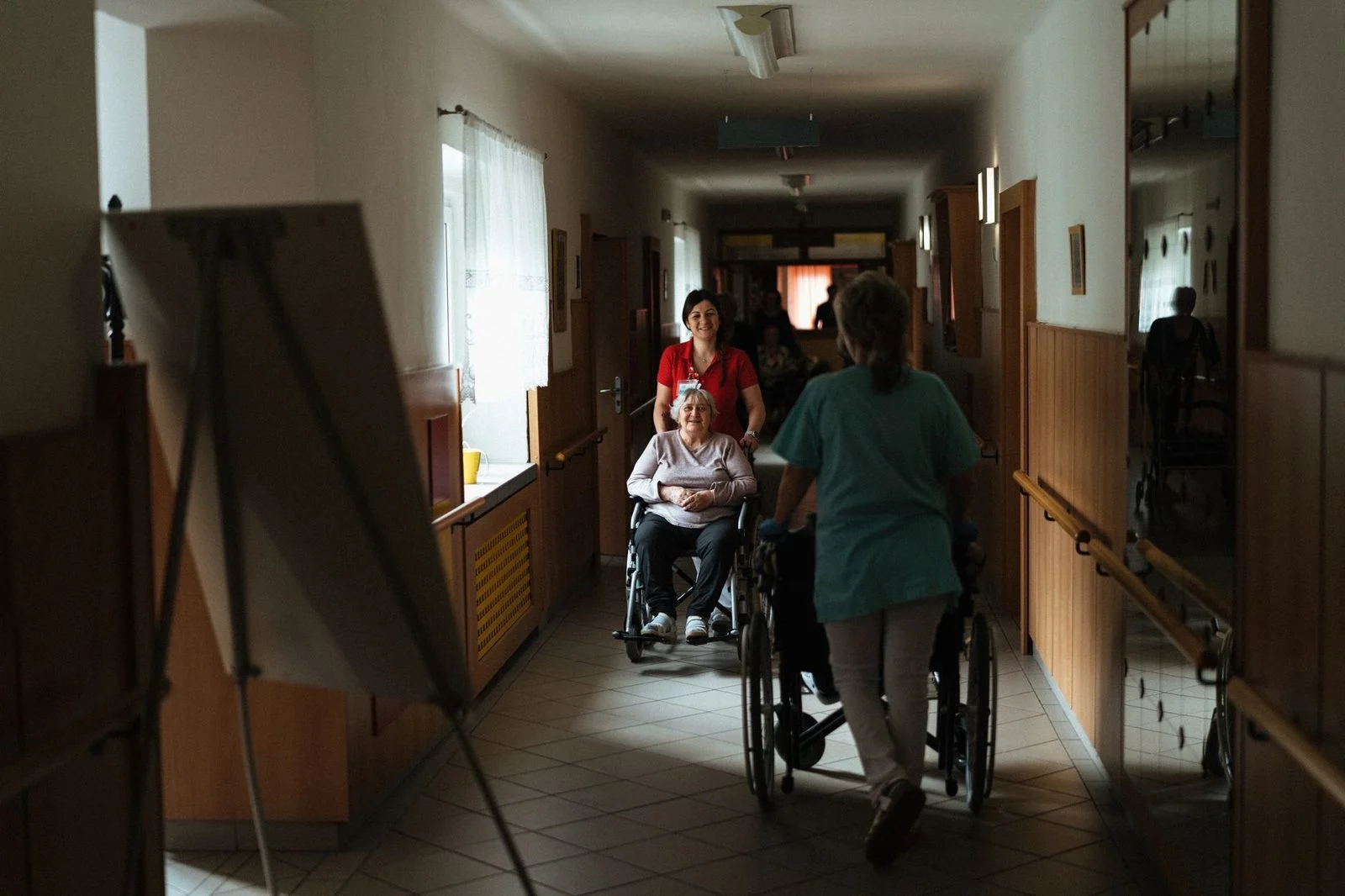
Abuse is harm done on purpose, and neglect is failing to give a resident the care they need. Abuse, neglect, misuse of a resident’s property, and exploitation are serious concerns that families may want to watch for in a loved one’s care.
In plain terms, the most common problems fall into three groups:
- Abuse: hitting, rough handling, threats, humiliation, or other intentional harm.
- Neglect: missed meals or fluids, poor hygiene, skipped medication, lack of supervision, or delayed medical care.
- Financial exploitation: misuse of a resident’s money or property.
Georgia law adds another standard. Under Georgia resident care standards, care must be given “with reasonable care and skill” and with respect for the resident’s dignity and privacy. A facility that falls short of that standard may face consequences, even if no one intended harm.
Warning Signs Families Should Write Down
Unexplained injuries, sudden weight loss, and changes in behavior are signs worth recording right away. Don’t wait to see whether things improve.
- Unexplained bruises, cuts, fractures, or burns, especially when the explanation is vague.
- Pressure sores, dehydration, sudden weight loss, or poor hygiene.
- Repeated falls, or falls with no documented follow-up.
- Missed or wrong medication doses, or sudden changes in sleepiness or behavior.
- Fear of certain staff members, withdrawal, or reluctance to talk when you’re present.
Keep a dated log of each sign, what staff told you, and who was there. Take photos of injuries and the room, and save texts, emails, and bills.
Georgia law also gives residents a right to their records. A resident may inspect and receive copies of medical records “unless medically contraindicated.” The facility may charge a fee, but it “shall not exceed actual cost,” according to the Georgia resident care standards.
What to Do Right Now if Someone Is in Danger
If someone is hurt or in immediate danger, call 911 first. Then work through these steps while the facts are fresh.
- Call 911 for any medical emergency or immediate threat. Yes, you can call 911 from a nursing home.
- Get medical care for the resident and ask for a written record of any injuries.
- Request records in writing. Ask for the medical chart and care plan, and keep copies of everything you receive.
- Ask that changes be reported. Georgia law entitles a resident to have any significant change in health status reported to a person they choose within a reasonable time.
- Report in writing. Send your concerns to the facility administrator, and note the date and the response.
- Report to the right agency. Use the Department of Community Health for facility safety, the Ombudsman for care complaints, and police for crimes.
How an Agency Investigation Usually Unfolds
An agency usually logs the report, decides whether it needs an inspection, reviews records, and then makes findings. Knowing the sequence helps you ask the right questions.
- Intake: The agency records the report and decides whether to inspect or refer it to another office.
- Investigation: Inspectors or investigators may interview residents, staff, and family, and review records.
- Findings: A facility may receive citations or orders to fix problems. For violations repeated under the same license within 12 months, the state may assess a civil penalty of up to $75.00 per violation for each day it continues, capped at $2,500.00 per violation, under the Georgia resident care standards.
The timing varies with each report, and agencies may not share every detail with the family. Ask the agency what has been decided and what happens next.
An Agency Report Is Not the Same as a Legal Claim
An agency report starts an investigation, while a civil claim asks for compensation for the injured resident or, after a death, the family. The two paths can run at the same time.
Georgia law says a person harmed when a long-term care facility violates a resident’s rights has a cause of action against the facility for damages. That claim does not require using administrative remedies first, under the Georgia resident care standards.
Time limits matter. Georgia’s general deadline for a personal injury lawsuit is generally two years, as a Georgia appellate opinion explains. Early evidence, such as medical records, photos, and witness names, often supports both paths.
Not sure what your next step is?
Talk it through with our team — the first consultation is free, confidential, and carries no obligation.
How Slam Dunk Attorney Can Help Families in Metro Atlanta
Slam Dunk Attorney represents people harmed in nursing home abuse and neglect cases across metro Atlanta and Georgia. The firm is based in Duluth, Georgia. Peter F. Jaraysi is the responsible lawyer for this page, and the firm’s lawyers and support staff work with families in cities such as Dunwoody, Marietta, and Kennesaw.
The firm also handles car, truck, motorcycle, pedestrian, premises liability, and wrongful death matters.
The first consultation is free, confidential, and carries no obligation to continue. During that conversation, the firm reviews what you’ve observed, what records exist, and which questions matter most for your family. Case costs and expenses may be your responsibility, and the firm explains how those costs work during the consultation.

Frequently Asked Questions
Can you call 911 from a nursing home?
Yes. Call 911 for any medical emergency or immediate danger.
What is the definition of abuse and neglect?
Abuse is intentional harm, and neglect is failing to provide needed care.
Who investigates nursing home abuse in Georgia?
The Department of Community Health, the Long-Term Care Ombudsman, and local law enforcement each investigate, depending on the issue.
Do I need a lawyer to report abuse?
No. You can file an agency report on your own.
Does reporting to an agency mean I have a lawsuit?
Not automatically. An agency report and a civil claim are separate paths.
If your family is trying to make sense of what happened to a loved one in a Georgia nursing home, you don’t have to work through it alone. You can contact Slam Dunk Attorney for a free, confidential first consultation, with no obligation to continue.
How Slam Dunk Attorney Can Help
Confidential Conversation
Tell us what happened to your loved one. We will listen, answer your questions, and explain the options in plain language.
Review of Records
Our team can help you gather facility documents, care notes, incident reports, and agency findings so the full picture is clear.
Advocacy for Residents
We focus on holding responsible parties accountable so that residents and their families are treated fairly.
Compassionate Support
Caring for a family member is hard enough. We aim to make the legal process clearer and less stressful for you.
If Someone Is in Immediate Danger
Call 911 right away for any medical emergency or immediate danger. Your loved one's safety comes first. Then, when it is safe, you can take steps to report the concern and speak with an attorney.
Who Handles Nursing Home Concerns
Emergency Responders
Call 911 for medical emergencies, injuries, or any situation where a resident is in danger.
State Regulators
Georgia's Department of Community Health oversees licensed nursing homes and investigates complaints about facility care and conditions.
Adult Protective Services
Georgia's Division of Aging Services and Adult Protective Services accept reports of suspected abuse, neglect, or exploitation of older adults and vulnerable adults.
Law Enforcement
Police can investigate suspected crimes, including physical assault, theft, or financial exploitation of a resident.