
Nursing Home Abuse | Georgia
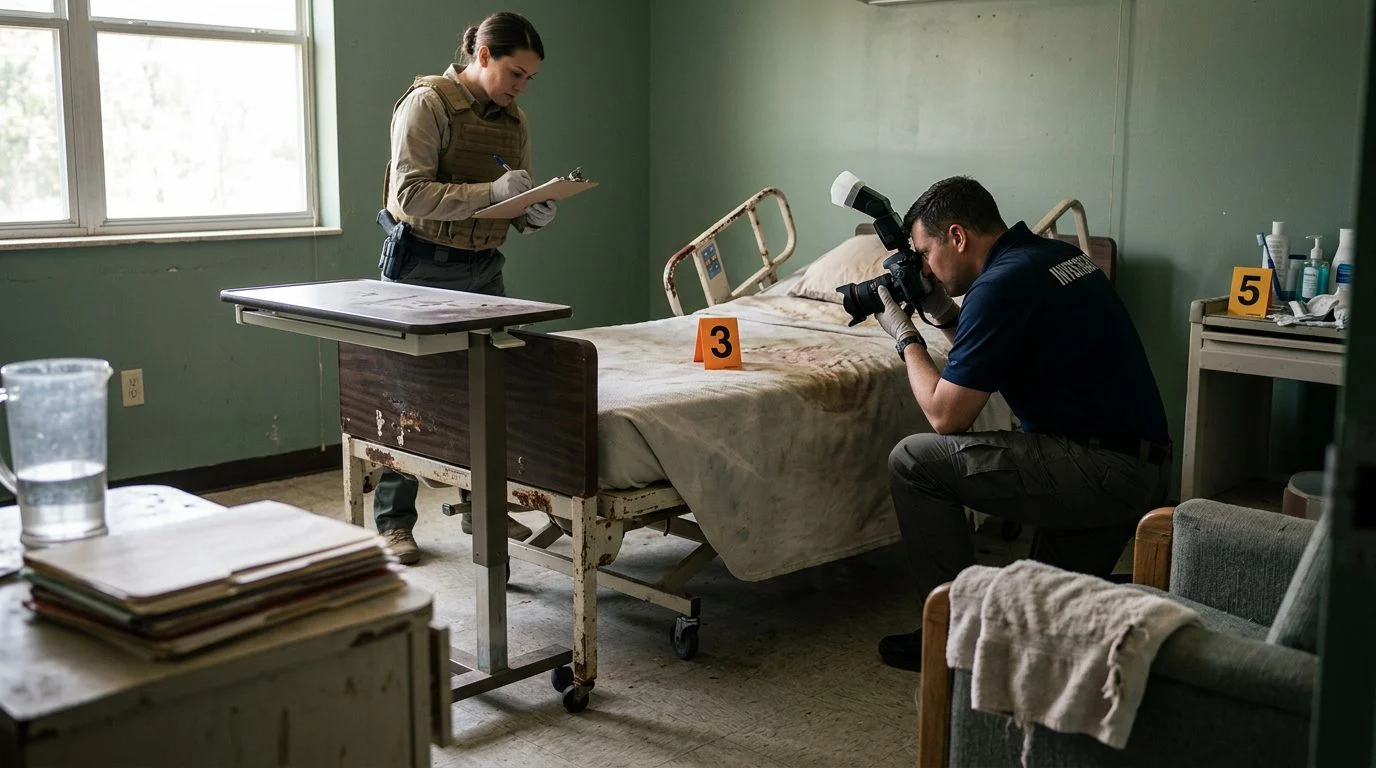
Physical Abuse in Nursing Homes Demands Accountability
If your loved one has been harmed by staff negligence or intentional misconduct, we investigate and pursue justice on your behalf.
By Peter F. Jaraysi · Published September 21, 2026
Nursing Home Physical Abuse Claims in Georgia: What You Need to Know and How We Can Help
If you suspect your loved one has been physically abused at a nursing home, you’re facing a painful and urgent situation. Physical abuse in a nursing home is intentional force that causes injury, pain, or harm to a resident—and it’s a serious violation of their safety and dignity. Understanding what constitutes abuse, what you can recover, and how the legal process works will help you decide your next steps with confidence.
If your loved one has unexplained injuries, was struck, roughly handled, or improperly restrained, we can evaluate whether it meets the legal definition. Talk it through with our team — the first consultation is free, confidential, and carries no obligation.
What Is Nursing Home Physical Abuse?
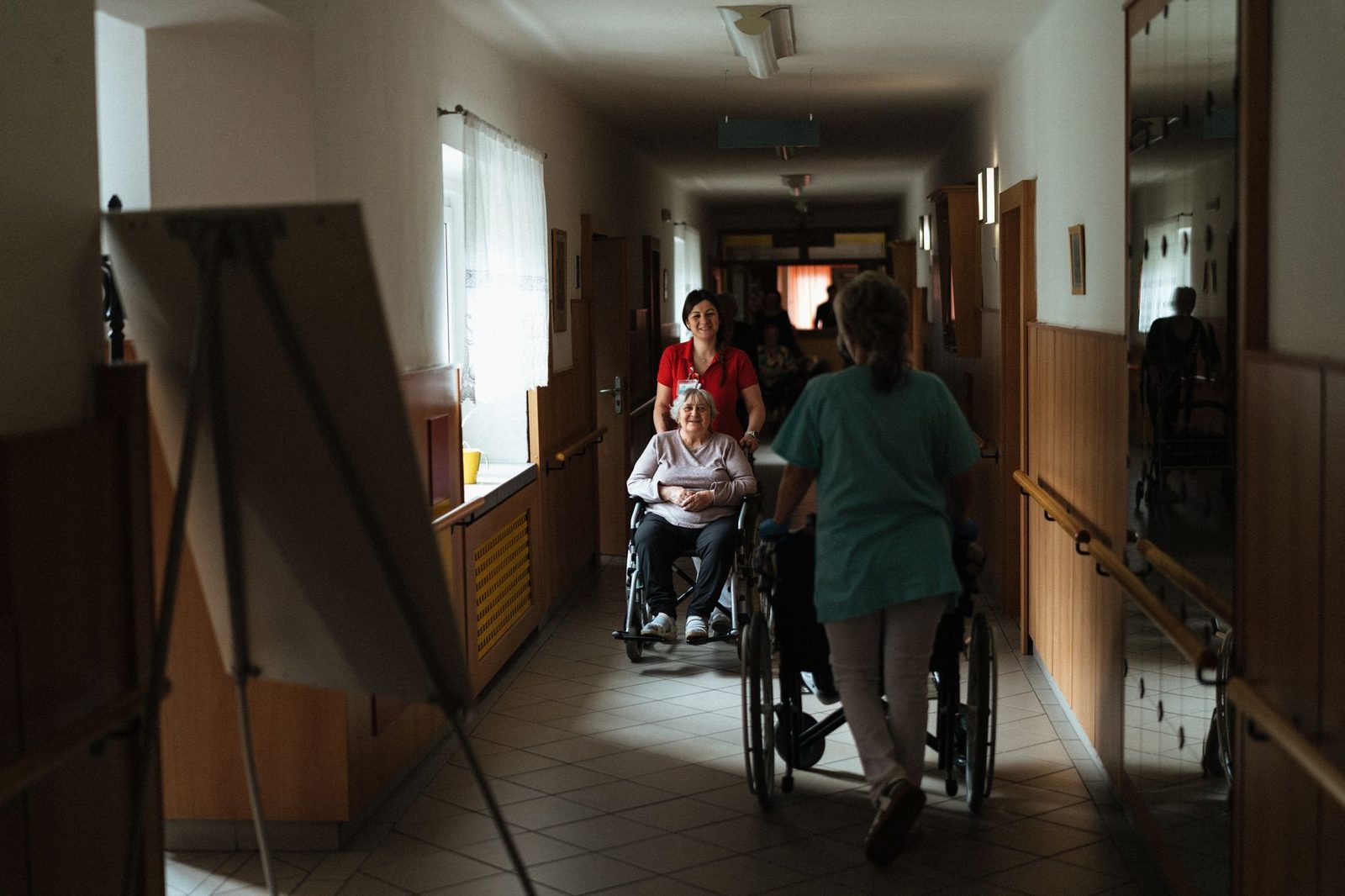
Physical abuse in a nursing home is the intentional use of force that causes injury, pain, or harm to a resident, and it is distinct from accidents or standard care procedures.
Common examples include hitting, pushing, rough or aggressive handling, unnecessary physical restraint, and misuse of medication to sedate a resident without medical justification. Abuse may also involve denying care or forcing a resident into unsafe positions.
The key difference between abuse and accidents is intent and reasonableness. A resident who falls while walking is an accident. A resident who is struck by staff or restrained improperly is abuse. Standard care—like helping someone bathe or move—is not abuse; rough handling that causes pain or injury is.
Red flags that suggest physical abuse include:
- Unexplained bruises, fractures, burns, or lacerations
- Injuries that don’t match the resident’s mobility level or medical condition
- Behavioral changes: fear of specific staff members, withdrawal, aggression, or anxiety
- Reluctance to go to certain areas of the facility or be around certain people
- Torn clothing or signs of struggle
- Repeated “accidents” or injuries over time
If you’ve noticed any of these signs on your loved one, trust your instincts and take action.
Who This Service Is For
This service is for family members, guardians, and power of attorney holders who have discovered or witnessed signs of physical abuse at a nursing home.
You may be wondering whether what you observed truly constitutes abuse. You may have seen bruises you can’t explain, heard your loved one express fear of staff, or witnessed rough handling firsthand. You may be unsure whether to report it, whether you have legal grounds for a claim, or what happens next.
If any of these describe your situation, we can help you understand your options and protect your loved one.
What a Nursing Home Physical Abuse Claim Covers
A nursing home physical abuse claim can recover compensation for multiple categories of harm and loss.
Medical expenses include emergency care, ongoing treatment, rehabilitation, physical therapy, mental health counseling, and any future medical needs related to the abuse.
Pain and suffering compensates for physical pain, emotional distress, loss of quality of life, and the trauma of being harmed by someone entrusted with care.
Lost wages may be recovered if you or another family member took time off work to care for your loved one, attend medical appointments, or support their recovery.
Investigation and expert costs cover the expenses we incur to build your case: obtaining medical records, consulting with medical experts, and gathering evidence.
Facility liability extends beyond the individual staff member who caused harm. Nursing homes can be held responsible for negligent hiring (failing to screen staff for a history of violence), inadequate training, failure to supervise, and failure to report abuse to authorities as required by law.
Punitive damages may be available in cases involving gross negligence or intentional misconduct, where applicable under Georgia law, to punish the facility and deter future abuse.
How the Process Works: Step-by-Step
Understanding the legal process removes uncertainty and helps you prepare for what’s ahead.
Step 1 – Free Consultation
We listen to your account in detail, review any medical records, incident reports, or photographs you have, and explain your legal options with no obligation. This is your chance to ask questions and understand whether you have a claim.
Step 2 – Investigation
We independently gather evidence. This includes medical records, facility incident reports, staff employment records, witness statements from other residents or family members, and expert medical opinions. We do not rely on the nursing home’s version of events.
Step 3 – Demand Letter
We send a formal written notice to the facility and its insurance company. The letter outlines the abuse, the injuries your loved one suffered, and the damages you’re seeking. This initiates settlement discussions.
Step 4 – Negotiation
We pursue settlement talks with the facility’s insurance carrier. Many cases resolve at this stage without the need for trial. We keep you informed and advise you on any settlement offers.
Step 5 – Litigation (if needed)
If settlement is not reached, we file a lawsuit in Georgia court and prepare for trial. We handle all court filings, discovery (exchanging evidence with the other side), depositions, and trial preparation.
Step 6 – Resolution
Whether through settlement or a jury verdict, we work to secure the compensation your loved one deserves and explain the outcome to you.
Timeline and What to Expect
The timeline for a nursing home physical abuse claim varies based on the complexity of your case and the facility’s responsiveness.
Initial consultation typically occurs within days of your call.
Investigation phase generally takes 2 to 6 months, depending on how quickly we can obtain medical records, facility documents, and expert opinions.
Demand and negotiation usually take 1 to 3 months, though some cases settle faster.
Litigation (if necessary) can take 6 to 18 months or longer, depending on court schedules, the number of parties involved, and case complexity.
We keep you informed at every stage and explain what’s happening and why.
Not sure what your next step is?
Talk it through with our team — the first consultation is free, confidential, and carries no obligation.
Why Choose Slam Dunk Attorney for Your Nursing Home Abuse Claim
Focused practice in nursing home abuse. We concentrate our practice in nursing home physical abuse cases across Georgia. This isn’t one of many practice areas for us—it’s what we do. That focus means we devote significant time and attention to this area of law.
Local Georgia experience. Based in Duluth and serving metro Atlanta and throughout Georgia, we know Georgia courts, nursing home regulations, and how facilities operate in our state. We understand local patterns and can navigate the system efficiently.
Independent investigation. Nursing homes often claim injuries were accidents. We don’t accept that narrative. We independently investigate, gathering evidence and consulting medical experts to establish what actually happened.
Compassionate approach. We understand the emotional toll of discovering abuse. We handle your case with sensitivity, urgency, and respect for your loved one’s dignity.
No upfront costs. We work on a contingency basis, meaning you pay no attorney fees unless we recover compensation for you. You may be responsible for case costs, such as expert fees and court filing fees, but we discuss these with you upfront and work to keep them reasonable.
Common Questions About Nursing Home Physical Abuse Claims
Q: How do I know if what happened is legally considered abuse?
Physical abuse is intentional force that causes harm. If your loved one has unexplained injuries, was struck, roughly handled, or improperly restrained, we can evaluate whether it meets the legal definition. Many situations that seem ambiguous are actually clear-cut abuse.
Q: What if the nursing home says it was an accident?
We investigate independently. Facilities often claim accidents to avoid liability. Our investigation looks at the injury pattern, witness accounts, facility records, and expert medical opinion to determine what actually happened.
Q: Do I need to report this to authorities first?
Reporting to Adult Protective Services or law enforcement is important and often required by law. We can advise you on reporting, and a criminal investigation does not prevent a civil claim for damages.
Q: How long do I have to file a claim?
Georgia law sets strict deadlines. Generally, you have two years from the date of injury to file a lawsuit, though exceptions may apply. Do not delay; contact us immediately to protect your rights.
Q: What if my loved one has passed away?
If death resulted from physical abuse, you may have a wrongful death claim. We handle these cases and can explain your options.
Q: Will this go to trial?
Many cases settle before trial, but we are prepared to litigate if necessary. We will discuss the likelihood and your preferences as the case progresses.
What Happens If You Don’t Take Action
Delaying or avoiding action has serious consequences—for your loved one and for other residents.
The staff member who caused the abuse may remain employed at the facility, putting other residents at risk of harm. Without accountability, the facility has no incentive to improve hiring practices, training, or supervision. Your loved one’s injuries may worsen without proper medical care and without the facility being forced to address the underlying problem. The statute of limitations will eventually expire, barring any claim and leaving your family without legal recourse. And your family loses the opportunity to recover compensation for medical costs, pain, suffering, and lost wages.
Taking action protects your loved one and sends a message that abuse will not be tolerated.
Next Steps
Gather documentation. Collect any available medical records, photos of injuries, incident reports, and names of witnesses.
Write down details. Record dates, times, what you observed, and who was present while the details are fresh in your mind.
Contact us for a free consultation. Call or fill out our contact form for a confidential, no-pressure conversation about your situation and your options.
If you’ve discovered unexplained injuries on your loved one or witnessed rough handling by nursing home staff, you likely have questions about what happens next—and whether you have a claim. People in your situation reach out to us regularly, and we’re here to help. Request a free consultation today to speak with an attorney who understands Georgia nursing home abuse law and is ready to fight for your loved one’s rights.
Unexplained Injuries Are a Red Flag
Bruises, fractures, burns, or other injuries without a clear explanation—or explanations that don't match the injury—warrant immediate investigation. Physical abuse in nursing homes is often concealed or minimized by staff.
Signs of Physical Abuse to Watch For
Visible Injuries
Unexplained bruises, welts, lacerations, burns, or fractures. Injuries in various stages of healing. Injuries inconsistent with your loved one's mobility or the stated cause.
Behavioral Changes
Sudden fear of specific staff members. Withdrawal, anxiety, or agitation when certain caregivers are present. Reluctance to discuss how an injury occurred.
Improper Restraint or Handling
Marks from restraints used without medical justification. Complaints of rough handling or being grabbed. Injuries consistent with falls caused by inadequate supervision or improper assistance.
Neglect Compounding Abuse
Injuries left untreated or inadequately documented. Lack of incident reports despite obvious harm. Staff indifference to your loved one's pain or distress.
How We Approach Nursing Home Abuse Claims
Thorough Investigation
We obtain medical records, incident reports, facility policies, and staff training documentation. We identify patterns of misconduct and hold facilities accountable for systemic failures.
Clear Legal Standards
Physical abuse is intentional force that causes harm. We evaluate whether injuries meet the legal definition and whether the facility failed in its duty to protect your loved one.
Your Advocate
We listen to your concerns, answer your questions in plain language, and keep you informed throughout the process. Your loved one's safety and dignity matter.
Compassionate Representation
We understand the emotional toll of discovering abuse. We pursue accountability while treating your family with respect and empathy.
Common Questions About Nursing Home Abuse Claims
How do I know if what happened is legally considered abuse?
Physical abuse is intentional force that causes harm. If your loved one has unexplained injuries, was struck, roughly handled, or improperly restrained, we can evaluate whether it meets the legal definition. Many situations that seem ambiguous are actually clear-cut abuse.
What if the nursing home says it was an accident?
Facilities often claim accidents to avoid liability. We investigate thoroughly—examining medical records, incident reports, witness statements, and facility policies—to determine whether negligence, inadequate supervision, or intentional misconduct caused the injury.
What happens if I report abuse to the facility?
Reporting is important, but facilities may not investigate fairly or may retaliate. We can help you navigate the reporting process, protect your loved one, and pursue a legal claim independently if necessary.
How are nursing home abuse cases resolved?
Cases may be resolved through negotiation with the facility's insurance company or, if necessary, through litigation. We pursue fair compensation for medical expenses, pain and suffering, and other damages while advocating for changes that protect other residents.