
Nursing Home Abuse Recognition
Know the Signs: A Guide to Recognizing Nursing Home Abuse
Family members are often the first to notice changes. Learn what to look for and what to do if you suspect abuse.
By Peter F. Jaraysi · Published September 28, 2026
How to Recognize Signs of Nursing Home Abuse: A Guide for Family Members
Your loved one deserves safety and dignity in a nursing home. Yet residents—especially those with cognitive decline, mobility challenges, or communication difficulties—often cannot report abuse themselves. That’s why family vigilance matters. Recognizing the signs of nursing home abuse early can prompt protective action and prevent harm from escalating.
This guide walks you through the physical, behavioral, financial, and environmental red flags you may notice during visits or conversations. Trust your instincts. If something feels wrong, it often is.
If you've noticed troubling changes in your loved one's condition or behavior during nursing home visits, you're not alone—and documenting what you see is an important first step toward protecting them. Talk it through with our team — the first consultation is free, confidential, and carries no obligation.
Why Recognizing Abuse Matters
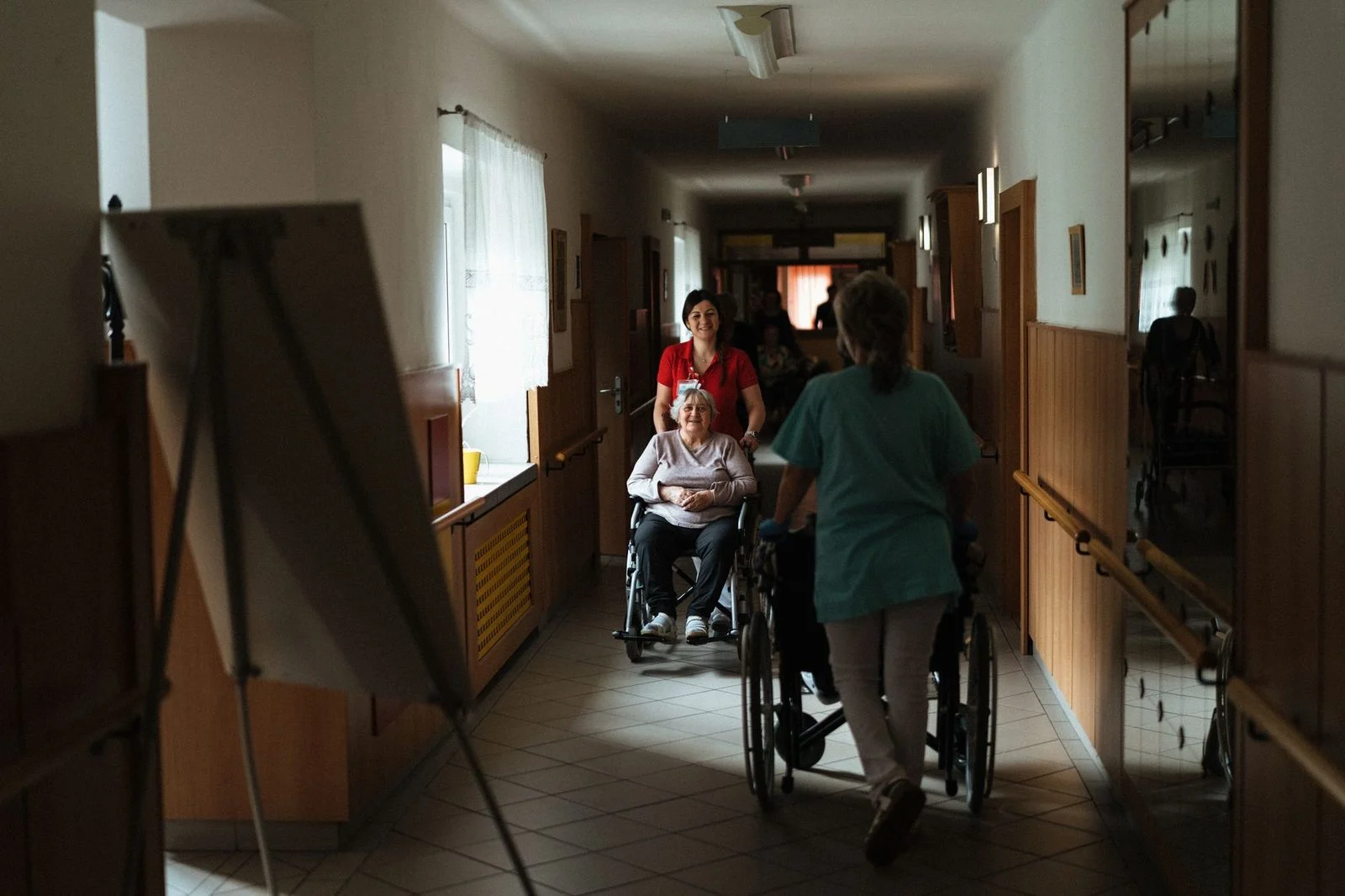
Family members are often the first line of defense for nursing home residents who cannot advocate for themselves. Many residents lack the ability—or the fear-free opportunity—to report mistreatment to staff or authorities. Your role as an observer and advocate can make the difference between early intervention and prolonged suffering.
Understanding what to look for removes guesswork from your visits. Instead of a vague sense that something is off, you’ll have a concrete framework. Early recognition can prevent escalation, protect your loved one’s health, and preserve evidence if legal action becomes necessary.
Physical Signs of Nursing Home Abuse
Unexplained injuries are among the clearest red flags. Look for bruises, welts, or marks in various stages of healing—especially if the facility’s explanation doesn’t match the injury pattern or your loved one’s mobility level. Fractures, sprains, or dislocations without a clear cause warrant immediate inquiry.
Signs of physical restraint include marks, bruising, or chafing on the wrists, ankles, or torso. Residents should never be restrained without medical necessity and proper documentation.
Poor hygiene and neglect are visible during every visit. Soiled clothing, unwashed skin, matted hair, or an unkempt appearance suggest staff aren’t providing basic personal care. Sudden weight loss or visible malnutrition—despite the facility serving meals—indicates your loved one may not be eating or may be skipping meals due to neglect or abuse.
Untreated wounds, bedsores (pressure ulcers), or other skin breakdown signal inadequate care. These injuries are preventable with proper positioning, hygiene, and nutrition. Their presence suggests neglect.
Medication errors often show up as behavioral changes. If your loved one suddenly appears over-sedated, confused, or unusually drowsy—especially when they were normally alert—ask the nursing staff about recent medication changes. Over-medication can mask abuse or be used to control a resident.
Behavioral and Emotional Changes
Sudden withdrawal or fearfulness is a powerful indicator. If your loved one becomes quiet, anxious, or visibly tense around certain staff members, that’s worth investigating. Ask them directly, in a calm tone, what’s happening.
Reluctance to discuss daily activities or evasiveness about facility life is another red flag. Residents who suddenly avoid talking about their day, change the subject, or seem afraid to speak freely may be concealing abuse or fearing retaliation.
New or worsening emotional distress—crying, depression, hopelessness—warrants attention, especially if it coincides with a specific staff member’s shift or a recent incident. Sudden confusion or disorientation that worsens rapidly may indicate medication tampering or a head injury.
Aggression or agitation out of character can reflect fear, pain, or trauma. Regression in cognitive function—losing skills or interests they once had—or withdrawal from activities they enjoyed often accompanies abuse or severe neglect.
Reluctance to be alone with a particular staff member is a serious behavioral sign. Trust your loved one’s instinct and your own.
Financial Abuse Red Flags
Financial exploitation of nursing home residents is common and often goes undetected. Watch for unexplained withdrawals from bank accounts or missing funds. If your loved one can no longer manage finances, you should have oversight through power of attorney or guardianship.
Sudden changes to wills, power of attorney documents, or beneficiary designations—especially if your loved one lacks capacity to make such decisions—are major warning signs. Unpaid bills or overdue notices despite adequate financial resources suggest someone may be misusing funds.
Unfamiliar names on bank statements or credit card charges, or transactions your loved one doesn’t remember, indicate potential theft. Pressure from staff or facility representatives to sign financial documents, make donations, or change beneficiaries is a form of coercion and abuse.
Neglect and Environmental Concerns
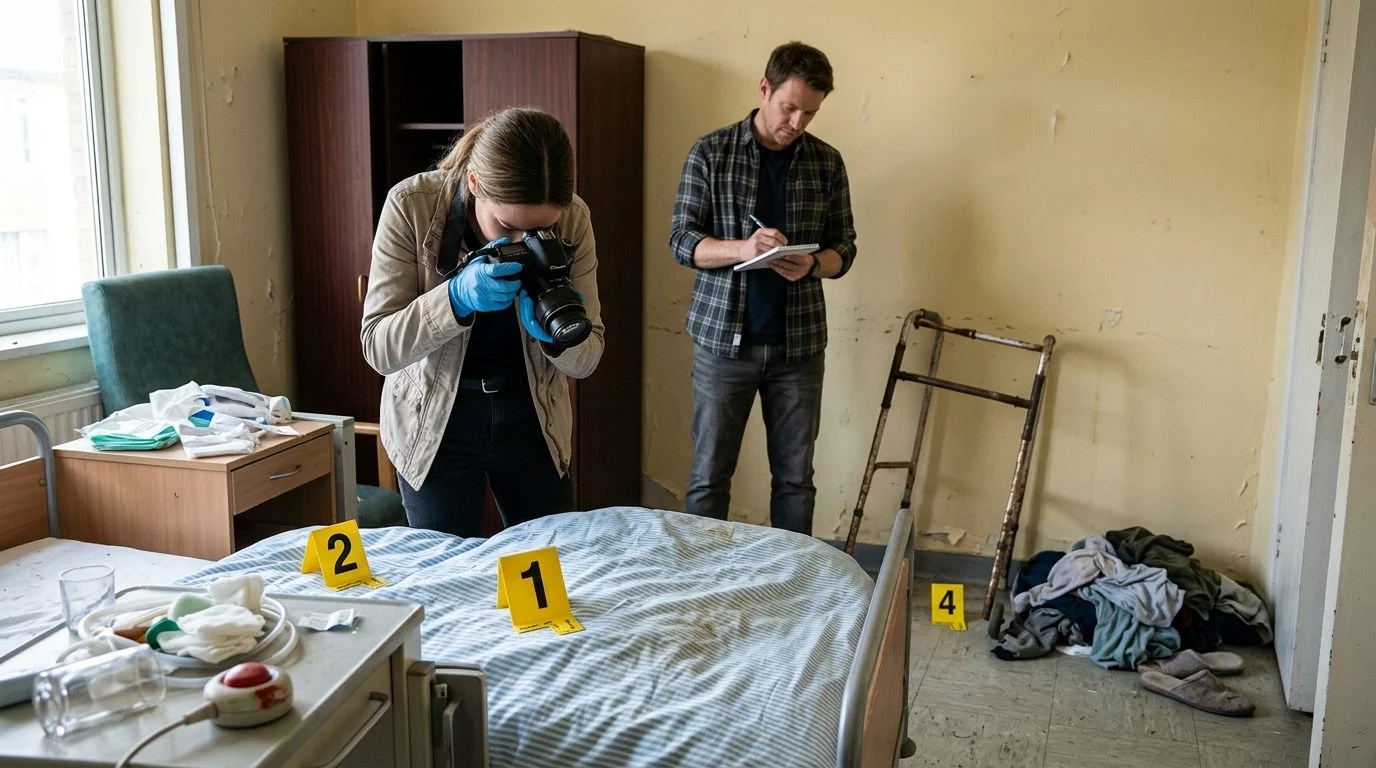
Neglect is one of the most common forms of nursing home abuse. Dirty or unsafe living conditions in your loved one’s room or common areas—stained bedding, clutter, debris—violate basic care standards.
Lack of basic supplies—clean linens, toiletries, appropriate seasonal clothing—shows inattention to daily needs. Inadequate lighting, heating, or cooling makes the environment uncomfortable and unsafe. Pest infestation or odors suggesting poor sanitation are unacceptable in any care facility.
Medication not being administered on schedule, lack of supervision with mobility or personal care, and no evidence of social activities, therapy, or engagement programs all indicate systemic neglect. Residents need more than a bed; they need care, attention, and dignity.
Not sure what your next step is?
Talk it through with our team — the first consultation is free, confidential, and carries no obligation.
Sexual Abuse Indicators
Sexual abuse of nursing home residents is underreported and deeply traumatic. Unexplained injuries or bleeding in genital or anal areas, torn or stained underclothing, or a newly diagnosed sexually transmitted infection warrant immediate investigation and reporting.
Sudden onset of fear around a specific staff member, new or inappropriate sexual behavior or language, and difficulty walking or sitting without a clear medical cause are serious red flags. If you suspect sexual abuse, report it immediately to facility management, local law enforcement, and adult protective services.
What to Do If You Notice These Signs
Document everything. Write down the date, time, specific injuries or behavioral changes, names of staff present, and what your loved one said. Take photographs of visible injuries or unsafe conditions if permitted. This documentation strengthens any report and preserves evidence.
Ask your loved one directly. In a calm, non-leading way, ask what happened. Listen without judgment. Don’t put words in their mouth, but do take what they tell you seriously.
Speak with facility staff and management. Report your concerns to the nursing director or administrator. Keep a record of these conversations—who you spoke with, when, and what was said.
Request medical records and incident reports. You have the right to see your loved one’s medical records and any incident reports filed by the facility. These documents may reveal patterns of injury or neglect.
Contact your state’s long-term care ombudsman or adult protective services. Georgia’s long-term care ombudsman and adult protective services investigate nursing home complaints and can take action independent of the facility. These are official channels designed to protect residents.
Consult with an attorney. If you believe your loved one has been abused or neglected, an attorney who handles nursing home abuse cases can review the facts, advise you on your options, and help protect your loved one’s rights and interests.
Trust Your Instincts
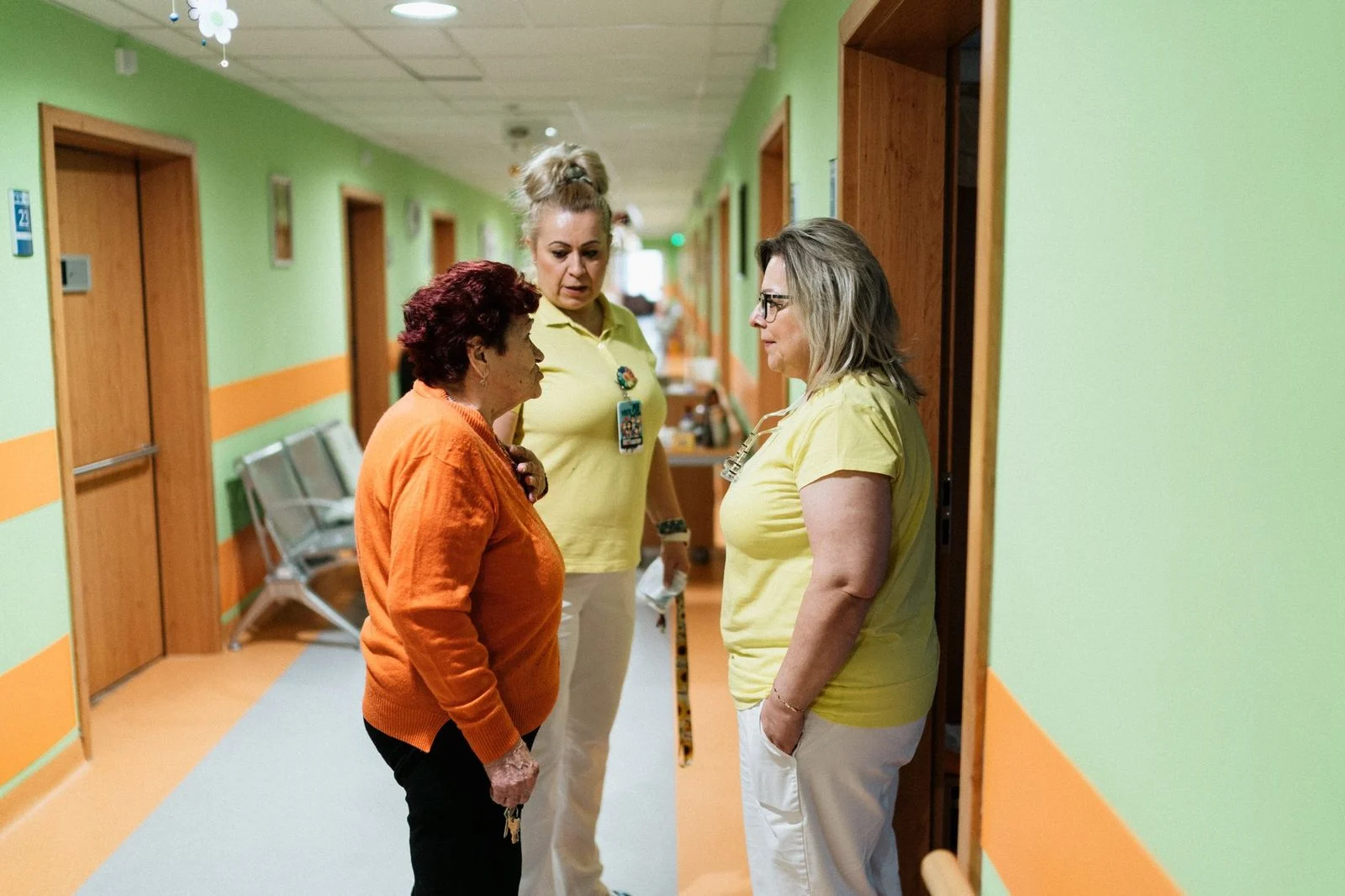
You know your loved one better than anyone. Changes in behavior, appearance, mood, or function warrant investigation. Don’t dismiss your concerns or accept a facility’s dismissal of them.
Multiple small signs often paint a clearer picture than one isolated incident. A combination of physical injuries, behavioral withdrawal, and reluctance to discuss facility life suggests a pattern worth pursuing.
Your role as an advocate can make the difference in your loved one’s safety and dignity. Nursing home residents depend on family vigilance because they often cannot speak for themselves.
Frequently Asked Questions
What should I do if my loved one admits to abuse?
Document exactly what they tell you, including the date and time. Report it immediately to facility management, adult protective services, and law enforcement if it involves a crime. Consult an attorney who handles nursing home abuse cases.
Can I take photos or videos in a nursing home?
Most facilities allow you to photograph your loved one’s room and common areas for documentation purposes, but policies vary. Ask the facility for its photography policy in writing.
What is a long-term care ombudsman?
A long-term care ombudsman is a state-appointed advocate who investigates complaints about nursing homes and helps resolve disputes between residents and facilities. Services are free and confidential.
How long do I have to report suspected abuse?
Report suspected abuse immediately. The sooner authorities know, the sooner they can investigate and protect your loved one. There’s no waiting period—act as soon as you notice signs.
What if the facility retaliates against my loved one or me?
Retaliation for reporting abuse is illegal. If you experience retaliation, document it and report it to the ombudsman and adult protective services.
If you’ve noticed troubling changes—unexplained injuries, sudden behavioral shifts, signs of neglect, or your loved one’s reluctance to discuss facility life—you’re in a position to help. Many family members in Georgia face this situation and reach out to understand their options. We’re here to listen and guide you through next steps. Contact us for a free case review to discuss what you’ve observed and what it might mean for your loved one’s safety and your family’s rights.
Common Warning Signs
Physical Indicators
Unexplained bruises, welts, burns, or injuries in various stages of healing. Broken bones, sprains, or repeated falls. Poor hygiene or neglected wound care. Sudden weight loss or malnutrition.
Behavioral Changes
Withdrawal, depression, or sudden fearfulness around staff. Reluctance to discuss daily life or injuries. Confusion or anxiety that wasn't present before. Flinching when touched or approached.
Emotional & Psychological Signs
Increased agitation, anger, or mood swings. Loss of interest in activities they once enjoyed. Expressions of shame or guilt without clear cause. Statements suggesting fear of staff or other residents.
Neglect & Environmental Red Flags
Dirty or soiled clothing and bedding. Untreated medical conditions or missed medications. Lack of supervision or assistance with daily needs. Unsanitary living conditions or pest infestations.
Trust Your Instincts
If something feels wrong, it may be. Changes in your loved one's physical health, mood, or behavior warrant investigation. Don't dismiss concerns as normal aging—abuse thrives when families don't ask questions.
What to Do If You Suspect Abuse
Document Everything
Write down dates, times, and specific details of injuries, statements, or behavioral changes. Take photos of visible injuries (with your loved one's permission when possible). Keep records of conversations with staff and facility management.
Report to the Facility
Notify facility management and the administrator in writing. Request a formal investigation and keep copies of all correspondence. Ask for incident reports and medical records related to your concerns.
Contact Adult Protective Services
File a report with your state's Adult Protective Services (APS) or the Long-Term Care Ombudsman. These agencies investigate allegations of abuse, neglect, and exploitation in care facilities.
Consult an Attorney
An attorney who handles nursing home abuse cases can review your documentation, advise you on next steps, and protect your loved one's rights. Legal action may be necessary to stop the abuse and hold the facility accountable.
Why Report Nursing Home Abuse
Protect Your Loved One
Reporting creates a record and can prompt immediate intervention to stop ongoing harm.
Ensure Accountability
Facilities are required to maintain safe environments. Reporting holds them to that standard.
Prevent Future Abuse
Documentation and formal complaints encourage facilities to improve training, staffing, and oversight.
Build a Legal Record
Timely reports and documentation strengthen any potential legal claim on behalf of your loved one.