
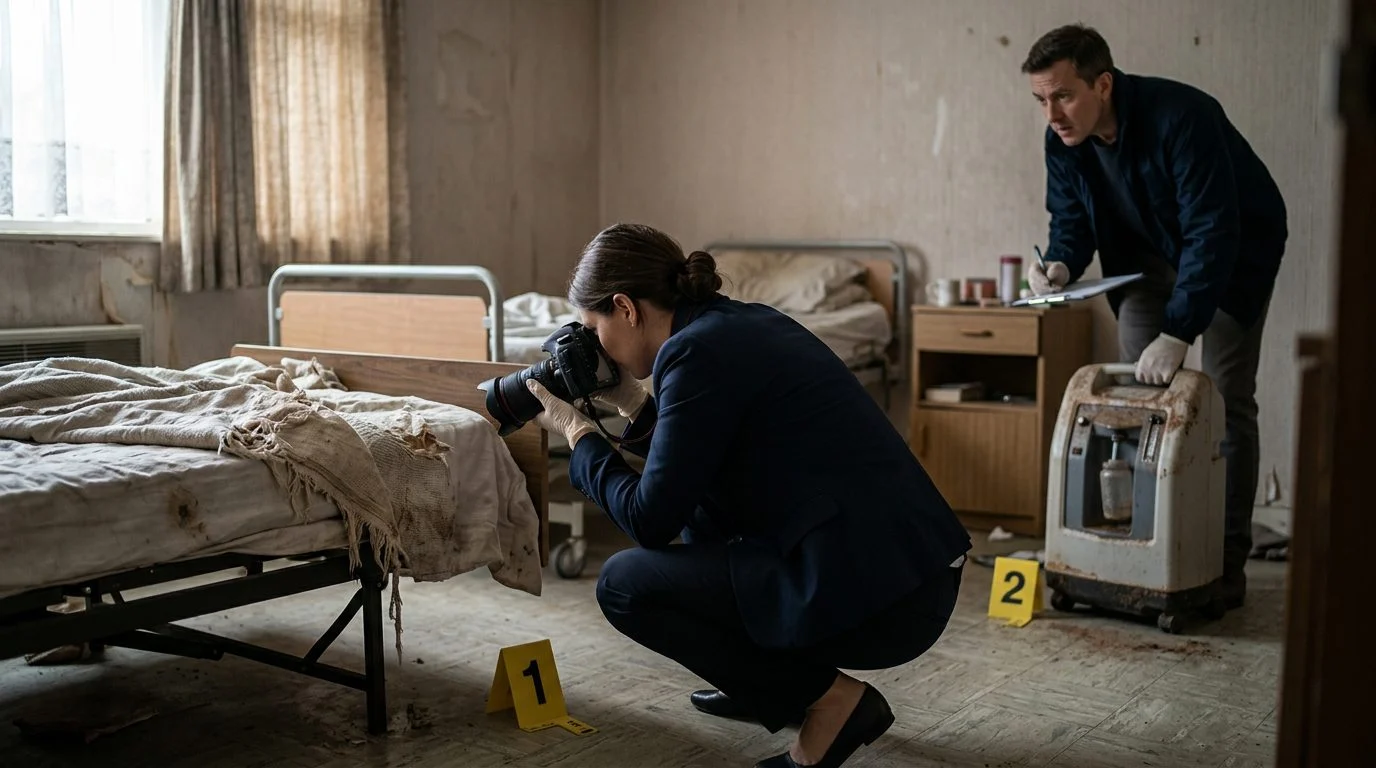
Nursing Home Abuse | Georgia
When Memory Loss Makes Harm Harder to See, Your Family Needs Someone Watching Closely
A resident with dementia may struggle to describe what happened to them. Here is how families across Georgia can recognize warning signs and protect a loved one.
By Peter F. Jaraysi · Published November 8, 2026
If you’ve noticed a change in a parent or spouse with dementia, you may be asking why people with dementia are more vulnerable to abuse. Dementia weakens memory, communication and judgment, and each of those changes can make harm harder to notice and harder to report.
This page explains the main reasons, the warning signs families can watch for, and the Georgia protections that apply to residents in long-term care. It is general information, not legal advice.
Why Dementia Raises the Risk of Abuse
Dementia raises the risk because it weakens a person’s ability to protect themselves and to tell others what happened.
Dementia is a progressive condition. It affects memory, thinking, language and judgment. As it advances, many people need help with food, medicine, bathing, dressing and moving around. That care is necessary, but it also gives caregivers and staff a high level of control over daily life. A resident who cannot easily check on that control may have no clear way to stop a harm that keeps happening.
Under O.C.G.A. § 31-8-102, a “resident” is any person receiving treatment or care in a long-term care facility, including skilled nursing homes and intermediate care homes.
Elder abuse can happen at home, in nursing homes and in memory care units. Dementia adds risk in each of those settings.
If you're worried a parent with dementia is being hurt in care, our team can talk through what you've noticed, free and confidentially, with no obligation to continue. Talk it through with our team — the first consultation is free, confidential, and carries no obligation.
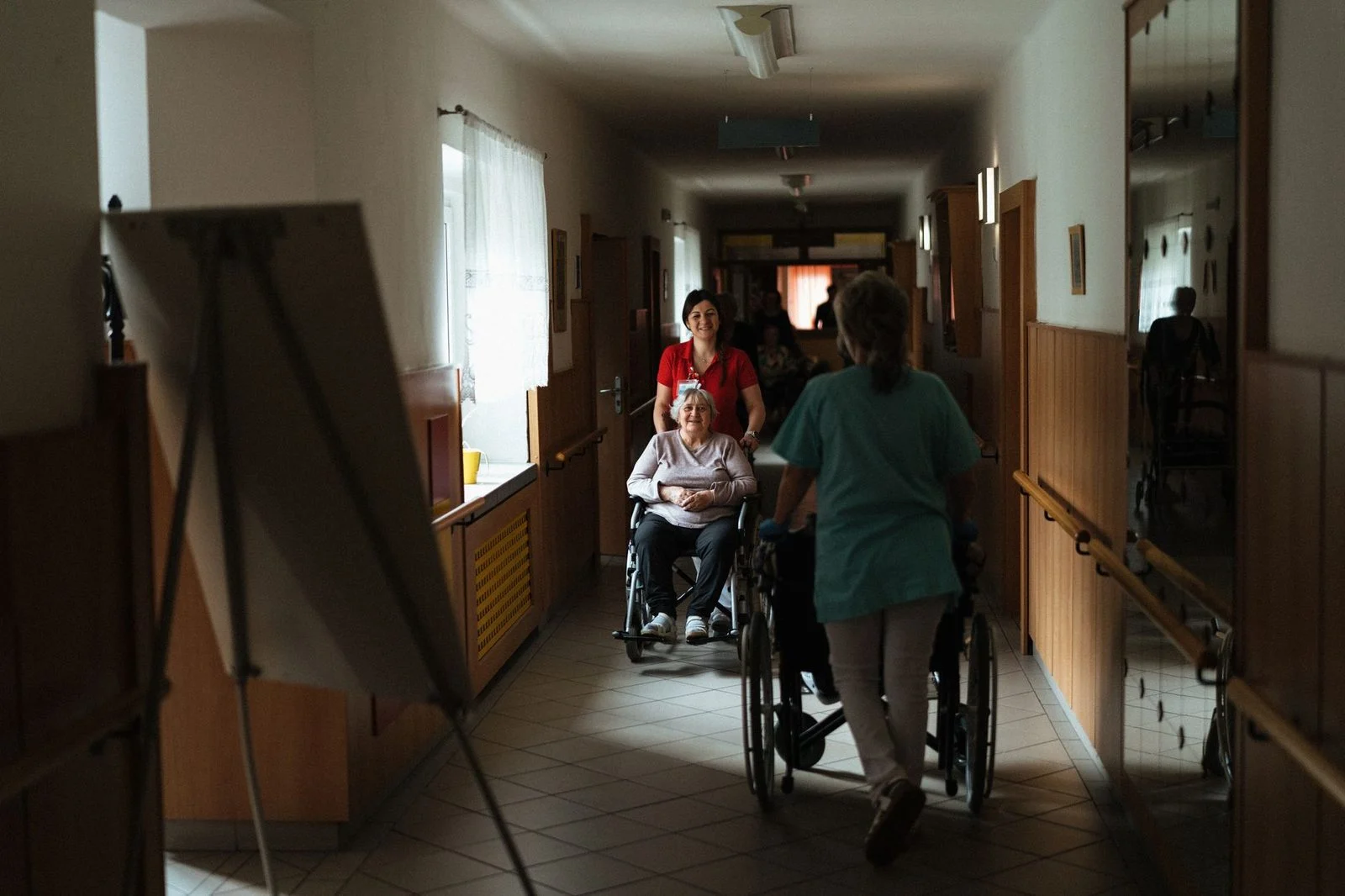
Memory Loss Makes It Hard to Report What Happened
Memory loss makes reporting hard because a person may not remember the event or when it happened.
Short-term memory loss can erase an incident within minutes or hours. A resident may remember feeling afraid or hurt but not what was done, who did it or when. Some residents do not realize that what happened was wrong, so they never raise it at all.
When a resident does try to tell someone, family and staff may struggle to judge whether the account is accurate. That doubt can lead to the concern being brushed off. Families who visit only now and then may miss the clues entirely, such as a bruise no one can explain or a missing item.
Write down what you see as you see it. Note the date, the time, what you noticed and who was there.
How Communication Changes Can Hide or Distort Signs
Communication changes can hide abuse because a person with dementia may not be able to say what hurts or frightens them.
Dementia can reduce the ability to find words, follow a conversation or describe pain. Some residents grow quiet and withdrawn. A quiet resident can be mistaken for a content one, so a warning sign goes unseen.
Others describe frightening events in confused or inconsistent ways. Those accounts are sometimes dismissed as symptoms of the illness instead of being checked. Hearing and vision changes, which often come with dementia, can make it harder to take in questions and answer them.
When a resident’s way of speaking changes, treat it as a reason to ask more questions.
Dependence on Others for Daily Care
Dependence makes abuse harder to prevent because the person must accept help from people they may not know well.
As dementia advances, a person may need help with nearly every task. That can mean accepting care from aides, nurses or other helpers who change often. Limited mobility or frailty can make it hard to leave a room, call for help or resist rough handling.
Reduced understanding of a procedure or medication can also make it harder to refuse something unsafe or unwanted. Staffing shortages and heavy workloads can mean fewer checks, so problems continue unnoticed.
Under O.C.G.A. § 31-8-108, each resident must receive care with reasonable care and skill, and with respect for personal dignity and privacy.
Behavioral Symptoms That Can Be Misread or Mishandled
Behavior changes can be blamed on the disease alone, so the cause behind them can go unchecked.
Agitation, confusion, wandering, sundowning and aggression are common in dementia. They can strain caregivers who have limited training or limited time. When behavior is hard to manage, some caregivers turn to restraints, sedating medicine or isolation. These responses can cause harm of their own.
New injuries, weight loss or mood changes may be attributed to the disease instead of investigated. Isolation from friends and outside visitors also reduces the number of people who notice a change.
Under O.C.G.A. § 31-8-108, a resident is entitled to have any significant change in health status reported to persons of the resident’s choice within a reasonable time.
Signs of Abuse in a Person With Dementia
The most telling signs are injuries that do not fit an explanation, sudden weight loss and a new fear of a particular person. Watch for these patterns:
- Unexplained bruises, cuts, burns, fractures or pressure sores, especially on the inner arms, torso or inner thighs.
- Sudden weight loss, dehydration, poor hygiene, or care needs that do not match the care plan.
- New fear of a particular caregiver, unusual withdrawal, or agitation that starts after certain visits.
- Changes in sleep or appetite that have no clear medical cause.
- Missing money, medication or personal items, unexplained changes to financial or legal papers, or long stretches alone.
A single sign does not prove abuse. Other causes are common, so a medical professional should check any change in condition.
Not sure what your next step is?
Talk it through with our team — the first consultation is free, confidential, and carries no obligation.
If You Are Worried About a Loved One, Talk to Our Team
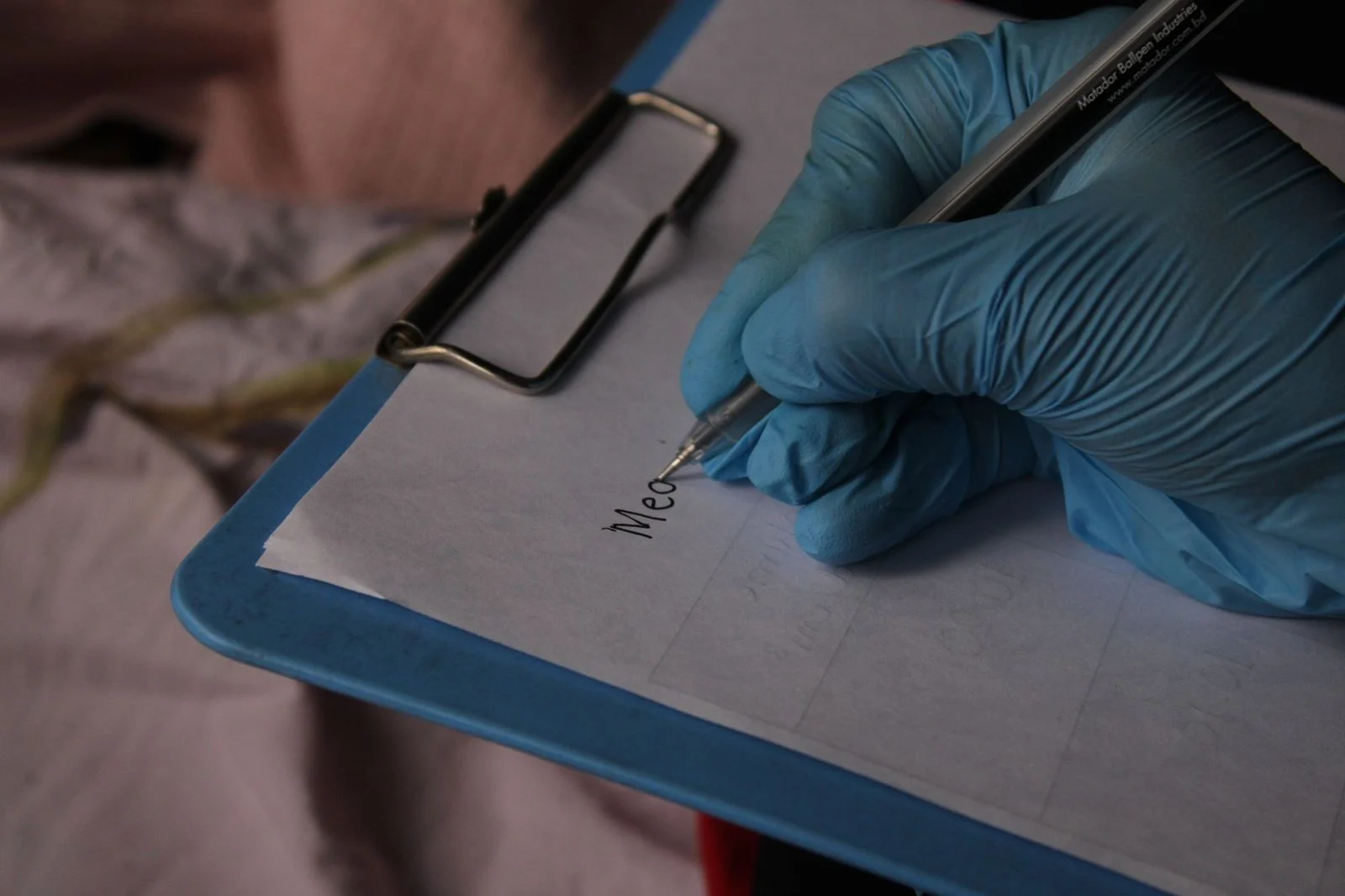
If you suspect a resident is being harmed, act quickly and start a written record.
If someone is in immediate danger, call 911 first. Then write down what you saw, when you saw it, and who was present. Ask the facility for the resident’s medical records and care plan in writing.
Under O.C.G.A. § 31-33-2, a provider must furnish a complete and current copy of a record within 30 days of a qualifying written request, along with the required authorizations. If the patient has died, the request may come from the estate’s executor, administrator, or temporary administrator if one has been appointed; if none has been appointed, from the surviving spouse, then a surviving child, then any parent if no child survives.
Concerns about care can also go to the state. The Georgia Department of Community Health says a person may file a complaint online, by telephone or by fax with its Healthcare Facility Regulation Division.
Under O.C.G.A. § 31-8-126, a person aggrieved because a long-term care facility violated or failed to provide any right granted under this article has a cause of action against the facility for damages. Georgia’s injury filing deadline is not stated in O.C.G.A. § 31-8-126, which gives an aggrieved person a cause of action against the facility for damages and such other relief as the court deems proper.
For how these claims work in Georgia, see our nursing home abuse guide.
If you’re watching a parent with dementia and something doesn’t add up, you don’t have to sort it out alone. Our team can talk through what you’ve noticed in a free first consultation, which is confidential and comes with no obligation to continue. Contact us here.
Common Questions
Why are people with dementia more vulnerable to abuse?
Dementia can weaken memory, communication and judgment, which makes harm harder to notice and report. Many residents also depend on others for daily care.
Can a person with dementia report abuse?
They can, but memory and communication changes can make their account hard to confirm. Written notes from family members can help.
Do Georgia resident protections cover people with dementia?
Yes, Georgia’s definition of a resident covers anyone receiving care in a long-term care facility.
This page is general information, not legal advice. Slam Dunk Attorney is a personal injury law firm based in Duluth, Georgia, serving Atlanta and communities across Georgia. Responsible lawyer: Peter F. Jaraysi. Contact: https://slamdunkattorney.com/contact-us/
Why Dementia Makes Residents More Vulnerable
Daily care depends on others
Many residents with dementia rely on staff for bathing, dressing, eating, and medication. That dependence leaves them open to neglect or rough treatment.
Harm is harder to notice
Confusion and changes in behavior can hide new bruises, weight loss, or sudden mood shifts. Staff and family may attribute these to the disease itself.
Reporting can be difficult
Memory and language changes can make it hard for a resident to explain what happened or to name the person responsible.
Family observation matters
Regular visits, honest questions, and careful notes help families spot changes early and share accurate information with others.
Act Quickly If You Suspect Harm
If a resident is in immediate danger, call 911. If you notice unexplained injuries, sudden changes, or signs of neglect, ask for a written explanation from the facility and keep a record of what you see.
Steps Families Can Take Now
Write down what you observe
Note dates, times, injuries, changes in behavior, and what staff told you. Specific details help clarify what happened.
Ask for care records
Request the resident's care plan, medication logs, and incident reports in writing. Keep copies of everything you receive.
Talk with a lawyer
The attorneys at Slam Dunk Attorney, based in Duluth, Georgia, can review your concerns, explain your options, and help you decide what comes next.