
Nursing Home Abuse Lawyer
Assisted Living Facility Abuse Lawyer Georgia
If your loved one has been harmed in an assisted living facility, we investigate what happened and hold negligent facilities accountable. Free consultation.
By Peter F. Jaraysi · Published September 17, 2026
Assisted Living Facility Abuse Lawyer in Georgia
When a senior you love lives in an assisted living facility, you trust the staff to provide safe, dignified care. If that trust is broken—through abuse, neglect, or exploitation—you have the right to hold the facility accountable and recover compensation for your loved one’s harm. Slam Dunk Attorney represents families across metro Atlanta and Georgia in assisted living facility abuse and neglect claims.
If you've discovered or suspect your loved one has been harmed in an assisted living facility, you may have a legal claim—and families in your situation can reach out to us. Talk it through with our team — the first consultation is free, confidential, and carries no obligation.
What Is Assisted Living Facility Abuse and Who We Represent
Assisted living facilities have a legal duty to protect their residents from harm through adequate supervision, trained staff, and proper care. When a facility breaches that duty—whether through intentional mistreatment or negligent failure to act—residents can suffer serious physical, emotional, and financial injury.
We represent adult children, family members, guardians, and power-of-attorney holders seeking justice for seniors harmed in assisted living settings. You don’t need to prove the facility intentionally abused your loved one; Georgia law holds facilities liable for negligence—failure to provide the standard of care a reasonable facility would offer.
Common warning signs families notice include:
- Unexplained bruises, cuts, burns, or other injuries
- Sudden behavioral changes: withdrawal, fear, anxiety, or aggression
- Poor hygiene, weight loss, or signs of malnutrition or dehydration
- Torn or soiled clothing; signs of sexual abuse or assault
- Missing money, jewelry, or personal items
- Medication errors or untreated medical conditions
- Isolation from family or restricted communication
If you’ve noticed these signs, your instincts matter. Document everything and reach out to us.
Types of Abuse and Neglect We Handle
Abuse and neglect in assisted living facilities take many forms. Each one is serious, each one is actionable, and each one demands investigation and accountability.
Physical abuse includes hitting, pushing, rough handling, inappropriate restraint, or any intentional use of force that causes injury or pain.
Neglect is the failure to provide adequate food, water, hygiene, medication, medical care, or supervision. Neglect can be just as damaging as intentional abuse—a resident left in soiled conditions, denied medication, or left unattended and injured suffers real harm.
Emotional abuse involves verbal threats, intimidation, humiliation, isolation, or psychological manipulation. These injuries are invisible but profound.
Financial exploitation includes unauthorized use of funds, coercion into signing documents, theft of personal items, or misuse of power of attorney. Seniors are frequent targets.
Sexual abuse and assault are crimes and civil wrongs. Facilities have a duty to prevent and report them.
Medication errors and improper care occur when staff fail to administer prescribed medications correctly, give wrong dosages, or fail to monitor for side effects or interactions.
We investigate each type thoroughly, using medical records, facility reports, witness statements, and expert testimony to establish what happened and who is responsible.
What Your Claim Can Cover
Georgia law allows you to recover several categories of damages in an assisted living abuse or neglect case.
Medical expenses cover treatment for injuries, infections, malnutrition, dehydration, psychological trauma, or other health consequences of abuse or neglect.
Pain and suffering compensates your loved one for physical pain, emotional distress, humiliation, loss of dignity, and diminished quality of life.
Lost wages may be recovered if you took unpaid time off work to care for your loved one, advocate for their needs, or address injuries caused by facility negligence.
Punitive damages are available in cases of gross negligence or intentional misconduct. These damages punish the facility and deter future wrongdoing—they go beyond compensating the victim.
Wrongful death damages apply if abuse or severe neglect contributed to your loved one’s death. Family members can recover for loss of companionship, funeral expenses, and other harms.
Facility liability holds not only the facility itself accountable, but also management, individual staff members, and the facility’s corporate owner where applicable.
How the Legal Process Works
Understanding what to expect helps you feel confident moving forward. Here’s how we handle assisted living abuse cases from start to finish.
Step 1 – Free Consultation
You describe what happened. We listen carefully and ask detailed questions: When did the abuse or neglect occur? What injuries resulted? Who witnessed it? What facility records exist? Are there photographs or video? Have you reported to Adult Protective Services or law enforcement? This conversation helps us understand your case and whether we can help.
Step 2 – Investigation
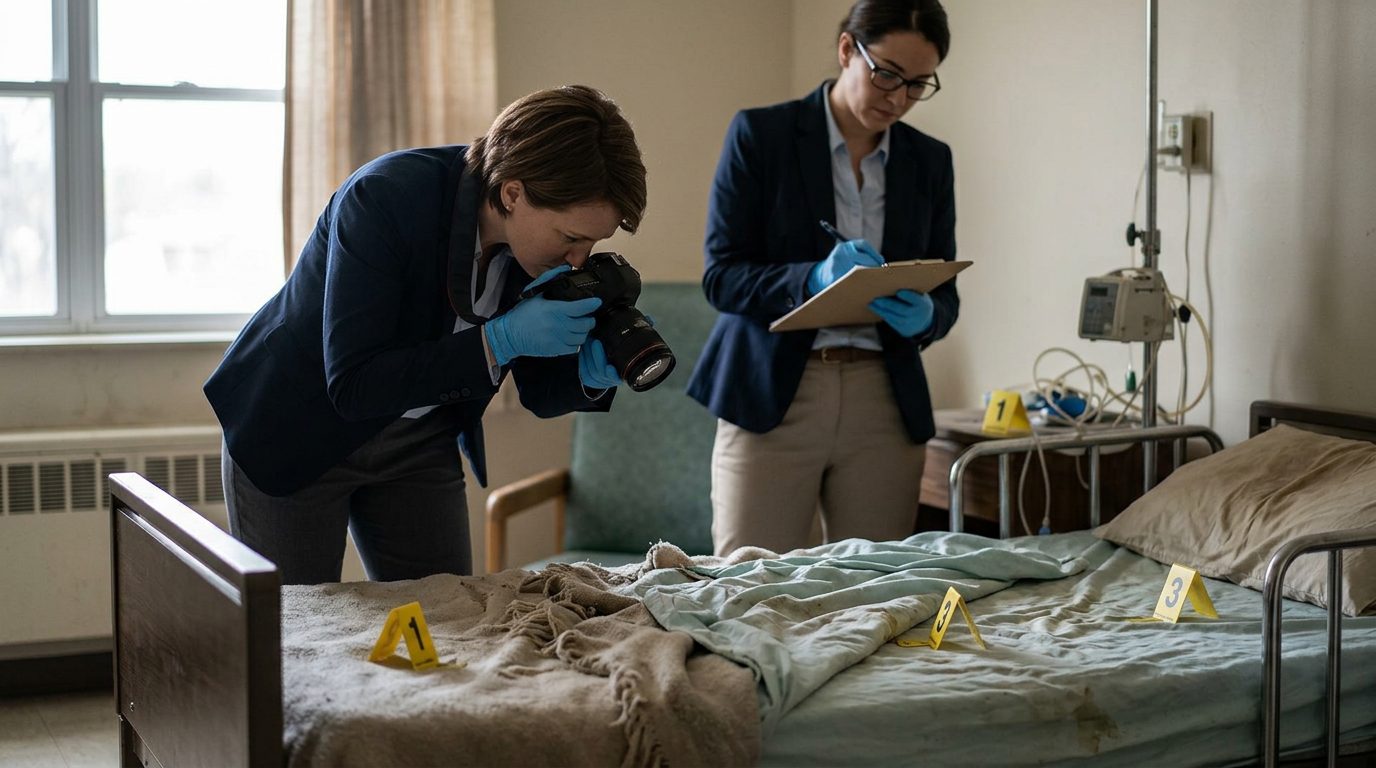
We don’t rely on the facility’s account of events. We obtain medical records, facility incident reports, state inspection records, staffing logs, and any available video surveillance. We interview witnesses—staff members, other residents, family members. We review the facility’s policies, training records, and history of prior complaints or violations.
Step 3 – Expert Review
For complex cases, we consult medical experts, elder care specialists, or other professionals to establish the standard of care expected in assisted living and how the facility fell short. Expert testimony is often crucial in proving negligence.
Step 4 – Demand and Negotiation
We send a detailed demand letter to the facility’s insurance carrier, explaining the facts, the facility’s breach of duty, the harm caused, and the damages owed. We then negotiate in good faith. Many cases settle at this stage without trial.
Step 5 – Litigation (if needed)
If settlement fails, we file a lawsuit and proceed through discovery (exchanging evidence), depositions (recorded testimony), and, if necessary, trial. We prepare every case for trial, but we also work to reach fair settlements that resolve your claim efficiently.
Timeline: Most cases take 1–3 years from initial consultation to resolution, depending on complexity and whether trial is necessary.
Why Families Choose Slam Dunk Attorney
Duluth-based, Georgia-focused. We know Georgia law, local courts, and the assisted living industry in metro Atlanta and across the state. We’re not a national chain; we’re your neighbors.
Nursing home and assisted living experience. We handle cases involving facility negligence, abuse, and wrongful death. We understand how these facilities operate and where they cut corners.
Thorough investigation. We dig into records, interview witnesses, and consult experts. We don’t accept the facility’s version of events.
Transparent communication. We explain your options, realistic timelines, and costs upfront. No surprises, no pressure.
Compassionate approach. We understand the emotional toll of discovering your loved one was harmed. We treat your family with respect and urgency.
No upfront fees. We work on contingency—you pay nothing unless we recover compensation for you. We discuss case costs (expert fees, court filings, records requests) clearly before proceeding.
Not sure what your next step is?
Talk it through with our team — the first consultation is free, confidential, and carries no obligation.
Common Questions Families Ask
Do I have to prove the facility intentionally abused my loved one?
No. Georgia law holds facilities liable for negligence—failure to provide adequate care, supervision, or staffing. We must show the facility breached its duty and that breach caused harm. Intent is not required.
What if my loved one can’t testify?
Medical records, photographs, witness statements from staff and other residents, facility inspection reports, and expert testimony can all establish what happened. Your loved one’s inability to testify does not prevent you from pursuing a claim.
How long do I have to file a claim?
Georgia’s statute of limitations is generally two years from the date of injury or discovery of abuse. For wrongful death, it’s two years from death. Don’t delay—evidence can disappear and memories fade.
Will this go to trial?
Many cases settle during negotiation or mediation. We prepare every case for trial, but we also work to reach fair settlements that avoid prolonged litigation.
What about costs?
We handle the case on contingency, meaning you owe us nothing upfront. You may still be responsible for case costs (expert fees, court filings, records requests) if we recover money. We discuss this clearly before proceeding.
Can I sue if my loved one has already passed away?
Yes. Wrongful death claims allow family members to recover damages if abuse or severe neglect contributed to death. We handle these cases with the same dedication.

What to Do Right Now
If you suspect abuse or neglect, act now. Evidence can disappear, and Georgia’s statute of limitations is finite.
Document everything: dates, times, injuries, behavioral changes, conversations with staff, and any photographs or video.
Preserve records: request and keep copies of medical records, incident reports, and facility inspection reports.
Report to authorities: contact Adult Protective Services (APS) and local law enforcement if you suspect abuse. Reporting does not preclude a civil lawsuit.
Contact us: call or fill out our online form for a free, confidential consultation. We respond quickly.
If you’ve discovered or suspect your loved one has been harmed in an assisted living facility, you may have a legal claim—and families in your situation can reach out to us. Request a free consultation today or call us to speak with an attorney about what happened and your legal options. There’s no obligation, and we’ll give you honest advice about whether you have a claim and what to expect.
Why Choose Slam Dunk Attorney for Facility Abuse Cases
We Focus on Facility Negligence
Georgia law holds assisted living facilities responsible for failing to provide adequate care, supervision, and staffing. We investigate whether the facility breached its duty of care and caused harm to your loved one.
We Build Cases on Evidence
Medical records, photographs, facility staffing logs, witness statements, and expert review form the foundation of your case. We don't require your loved one to testify if they cannot.
We Understand the Human Impact
Facility abuse and neglect cause real suffering. We listen to your story, treat your family with respect, and pursue accountability with transparency and empathy.
We Handle the Legal Work
From investigation through negotiation or trial, we manage the case so you can focus on your loved one's recovery and well-being.
Common Questions About Assisted Living Facility Abuse Cases
Do I have to prove the facility intentionally abused my loved one?
No. Georgia law holds facilities liable for negligence—failure to provide adequate care, supervision, or staffing. We must show the facility breached its duty and that breach caused harm. Intent is not required.
What if my loved one can't testify?
Medical records, photographs, witness statements from staff or other residents, facility documentation, and expert analysis can all support your case. We build the strongest possible record without requiring testimony your loved one cannot give.
What types of harm are covered?
Assisted living facility abuse and neglect cases address physical injuries, emotional trauma, medication errors, falls due to inadequate supervision, unsanitary conditions, financial exploitation, and wrongful death. Each case is unique.
How does payment work?
We work on a contingency basis: no fees unless there is a recovery. You may still owe certain case costs. We'll explain all fees and costs clearly before you decide to work with us.
Act Quickly
If you suspect your loved one has been harmed in an assisted living facility, document everything—photographs, medical records, dates, and names of staff—and contact us as soon as possible. Time matters in these cases.