
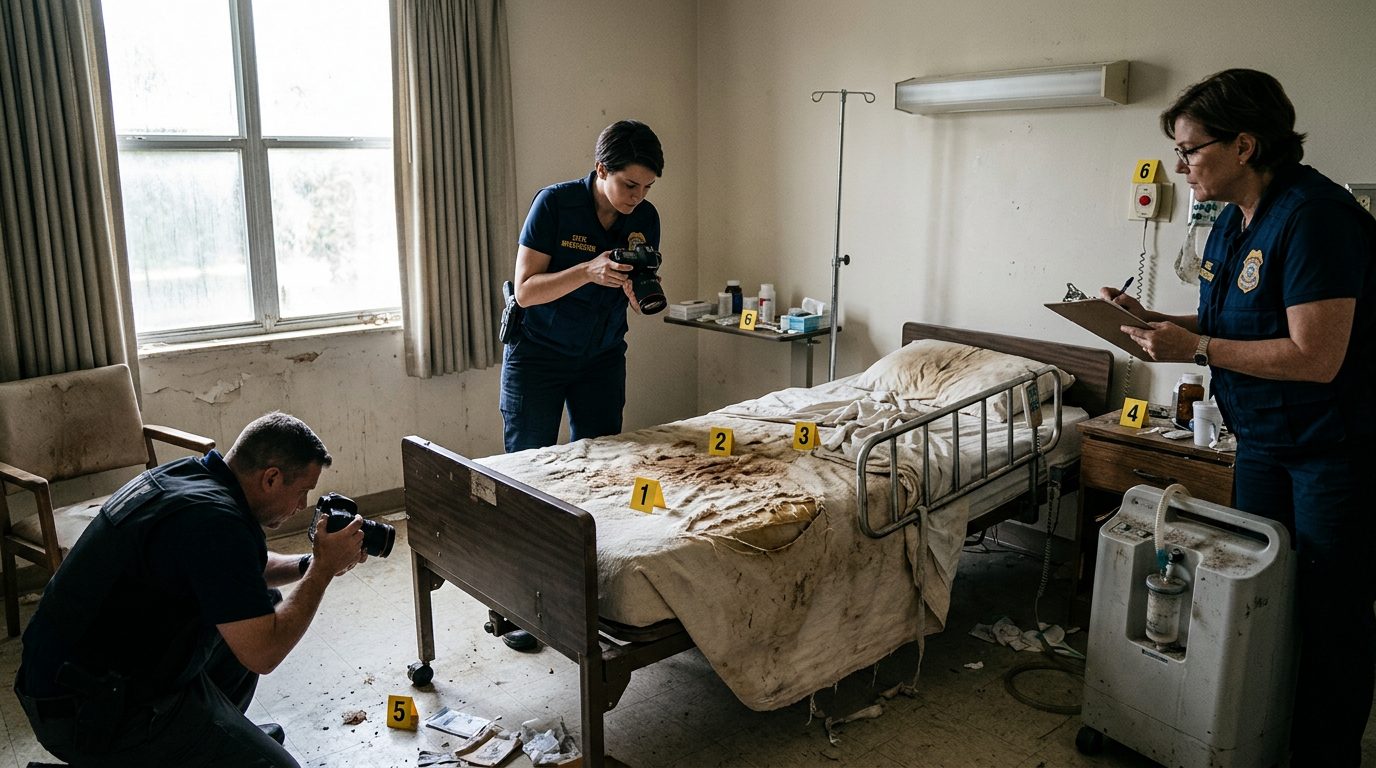
Nursing Home Wrongful Death | Georgia
When Neglect or Abuse Causes a Nursing Home Death
Families deserve answers and accountability. Slam Dunk Attorney represents grieving families across Georgia in wrongful death claims against nursing facilities.
By Peter F. Jaraysi · Published September 21, 2026
Nursing Home Wrongful Death Claims in Georgia
When a nursing home resident dies due to negligence, abuse, or inadequate care, surviving family members have the legal right to file a wrongful death claim against the facility. This is a civil lawsuit—separate from any criminal investigation—that seeks to recover damages and hold the nursing home accountable for a preventable death.
If you suspect your loved one’s death resulted from the facility’s failure to meet its duty of care, understanding what a wrongful death claim covers, how the process works, and what evidence matters will help you decide whether to pursue legal action.
If your loved one died in a nursing home under suspicious or preventable circumstances, you may have grounds for a wrongful death claim—and families in your situation contact us regularly to explore their options. Talk it through with our team — the first consultation is free, confidential, and carries no obligation.
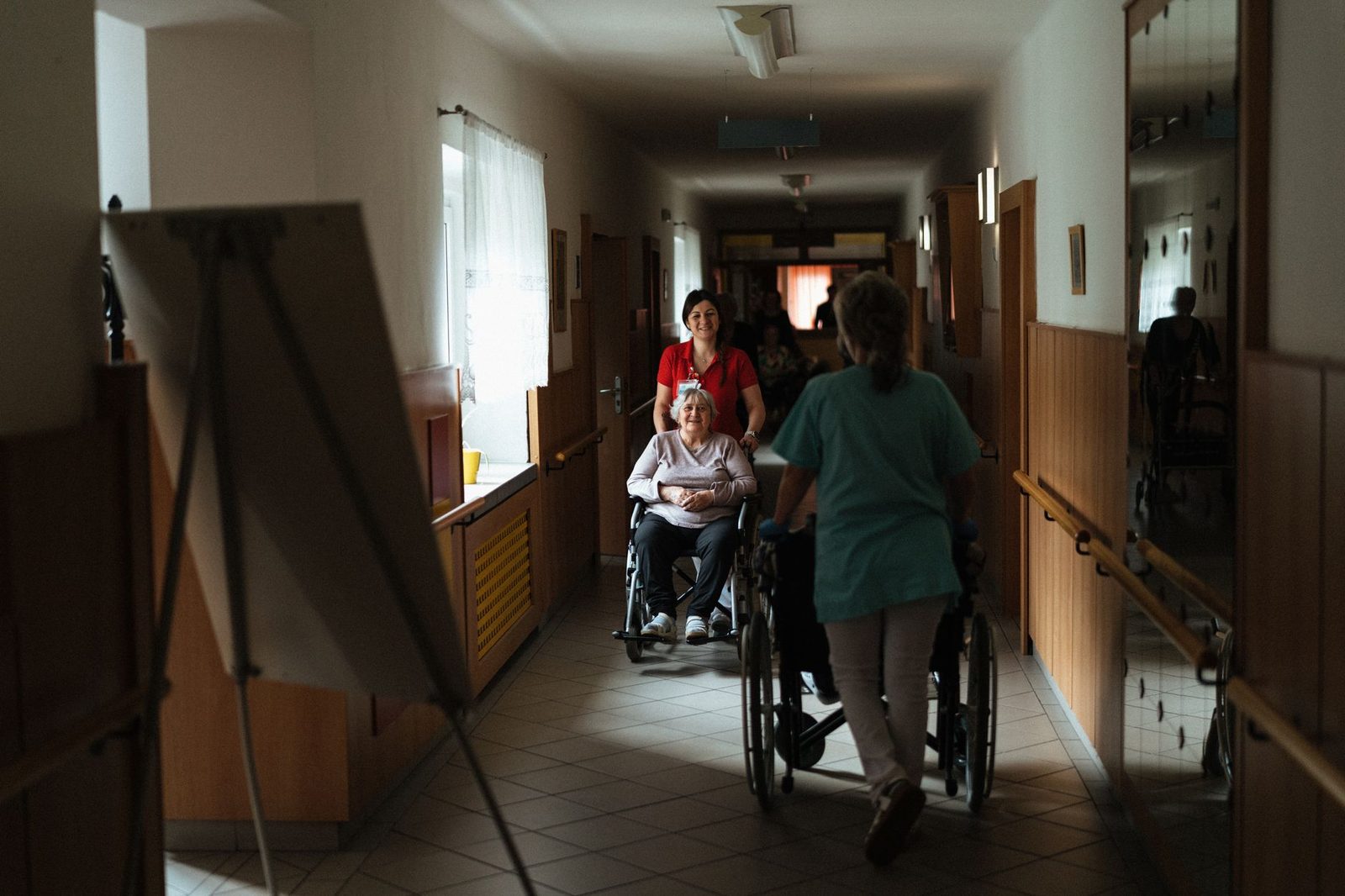
What Is a Nursing Home Wrongful Death Claim?
A nursing home wrongful death claim is a civil lawsuit filed when a resident dies as a result of the facility’s negligence, abuse, or failure to provide adequate care.
This is not the same as a personal injury lawsuit. In a personal injury case, the injured person sues on their own behalf. In a wrongful death case, the resident is deceased, so the claim is filed by the surviving spouse, adult children, parents, or the estate representative on behalf of the deceased’s family.
Wrongful death claims are governed by Georgia’s wrongful death statute, which sets out who can sue, what damages may be recovered, and the deadline for filing. Nursing homes are also regulated under federal standards by the Centers for Medicare & Medicaid Services (CMS), which establish care requirements and resident safety standards that form the basis for negligence claims.
A wrongful death claim is distinct from a criminal case. The state may pursue criminal charges against the facility or individual staff members separately. You can file a civil claim even if no criminal charges are filed, or if criminal proceedings result in acquittal.
Who These Claims Are For
Nursing home wrongful death claims are for families of residents who died under suspicious or preventable circumstances.
Common situations include:
- Neglect: failure to provide adequate nutrition, hydration, hygiene, or medical attention
- Abuse: physical, emotional, or sexual harm by staff or other residents
- Medication errors: administering wrong medications, wrong doses, or failing to administer prescribed medications
- Fall injuries: inadequate supervision or failure to implement fall-prevention measures despite documented fall risk
- Infections: poor sanitation, wound care, or hygiene leading to preventable infections
- Malnutrition or dehydration: failure to monitor or address nutritional decline
- Inadequate monitoring: failure to respond to changes in a resident’s condition
If you’ve already reported concerns to the facility or state agencies without resolution, or if your loved one’s death came suddenly or without clear medical explanation, a wrongful death claim may be appropriate.
These claims are for families who want answers and accountability, not just to move forward.
What a Nursing Home Wrongful Death Claim Covers
Wrongful death damages in Georgia are designed to compensate the surviving family members for losses caused by the resident’s death.
Recoverable damages typically include:
- Medical expenses incurred before death: hospitalization, emergency care, treatment for injuries or infections caused by negligence
- Funeral and burial costs: the full cost of arranging and conducting the funeral
- Loss of financial support: income the deceased would have provided to surviving spouse or dependent children
- Loss of companionship and guidance: the value of the relationship between the deceased and surviving family members (varies by relationship and state law)
- Pain and suffering of the resident before death: if evidence shows the resident suffered due to negligence or abuse
- Punitive damages: in cases of gross negligence or intentional misconduct, Georgia law allows additional damages to punish the facility and deter similar conduct
Attorney fees and court costs are typically recovered from a settlement or judgment, not paid upfront by the family. The specific amount depends on the resident’s age, earning capacity, family relationships, and the severity of the facility’s conduct.
What does NOT typically recover:
- Speculative or indirect losses
- Grief or emotional distress of family members (though loss of companionship may apply)
- Punitive damages are not automatic—they require clear evidence of recklessness or intentional harm
How the Process Works: Step-by-Step
Understanding the wrongful death process helps you know what to expect and how long it may take.
Step 1: Initial Consultation
You meet with an attorney to discuss the circumstances of your loved one’s death, review medical records, and discuss facility reports or complaints. This consultation is confidential and at no cost.
Step 2: Investigation & Evidence Gathering
The attorney obtains medical records from the nursing home and any hospitals, incident reports, state inspection records, witness statements, and expert medical opinions. This phase establishes whether the facility failed to meet the standard of care and whether that failure caused or contributed to the death.
Step 3: Demand Letter
If evidence supports a claim, the attorney sends a formal demand to the nursing home’s insurance carrier. The letter outlines the facts, the facility’s breach of duty, and the damages sought.
Step 4: Negotiation
The insurance company and attorney negotiate a settlement. Many cases resolve at this stage without the need for a lawsuit.
Step 5: Lawsuit Filing (if needed)
If settlement talks stall, the attorney files a wrongful death lawsuit in Georgia court on behalf of the estate or surviving family members.
Step 6: Discovery
Both sides exchange documents, medical records, and deposition testimony. Experts may be retained to review the case and provide opinions on standard of care and causation.
Step 7: Settlement or Trial
The case may settle during discovery or proceed to trial before a jury, which will decide whether the facility is liable and what damages to award.
Timeline: Most nursing home wrongful death cases take 1–3 years from filing to resolution, depending on the complexity of the case and whether trial is necessary.
What You’ll Need to Provide
To move forward, gather the following documents and information:
- Death certificate and autopsy report (if available)
- Medical records from the nursing home and any hospitals
- Facility admission documents and care plans
- Correspondence with the nursing home about concerns or complaints
- Documentation of any state agency reports or investigations (e.g., Georgia Department of Community Health)
- Proof of family relationship (to establish your legal standing to sue)
- Information about the resident’s financial dependents and family relationships
Having these materials ready speeds up the investigation and helps the attorney assess your case quickly.
Not sure what your next step is?
Talk it through with our team — the first consultation is free, confidential, and carries no obligation.
Why Slam Dunk Attorney Handles These Cases
We bring deep experience with Georgia nursing home regulations and wrongful death law—not a sideline practice.
Our advantages include:
- Local experience: Based in Duluth with familiarity of metro Atlanta nursing homes, Georgia courts, judges, and insurance carriers
- Medical expert access: Relationships with physicians and specialists who review records and testify about standard of care
- Investigation resources: Connections with investigators who focus on nursing home negligence and abuse
- Accountability focus: Commitment to holding facilities responsible for preventable deaths and giving families answers
- Transparent fees: Contingency basis (no upfront attorney fees; we’re paid only if the case settles or wins), but families may owe case costs (expert fees, court filing fees, investigation expenses) depending on the fee agreement
Common Questions Families Ask
How do I know if I have a case?
Not every death in a nursing home is actionable. We look for evidence that the facility failed to meet the standard of care—for example, ignored a resident’s medical needs, failed to prevent a fall despite known fall risk, or allowed abuse. A free consultation will clarify whether your situation warrants a claim.
How long do I have to file?
Georgia law generally allows two years from the date of death to file a wrongful death lawsuit. Don’t wait; evidence can be lost, and memories fade.
Will this be expensive?
We work on contingency, so you pay no attorney fees upfront. You may owe case costs (expert reports, court fees, etc.), which we’ll discuss before incurring them.
What if the nursing home says it was natural causes?
We investigate. Medical experts can often determine whether negligence or abuse contributed to death, even if the underlying condition was age-related or chronic.
Can I sue if the resident had dementia or other conditions?
Yes. Nursing homes have a duty to care for all residents, including those with cognitive decline. Neglect or abuse is still actionable.
How much can I recover?
Every case is different. Damages depend on the resident’s age, earning capacity, family relationships, and the severity of the facility’s conduct. We cannot promise a specific amount, but we’ll give you a realistic estimate after investigation.
Red Flags That Suggest Negligence or Abuse
If you notice any of these warning signs, they may indicate actionable negligence or abuse:
- Unexplained injuries, bruises, or bedsores
- Rapid decline in health or mental state without medical explanation
- Medication errors or missing medications
- Signs of malnutrition or dehydration
- Untreated infections or wounds
- Fall injuries despite documented fall risk
- Lack of documentation or missing medical records
- Staff complaints or high turnover at the facility
- Prior state inspection violations or complaints
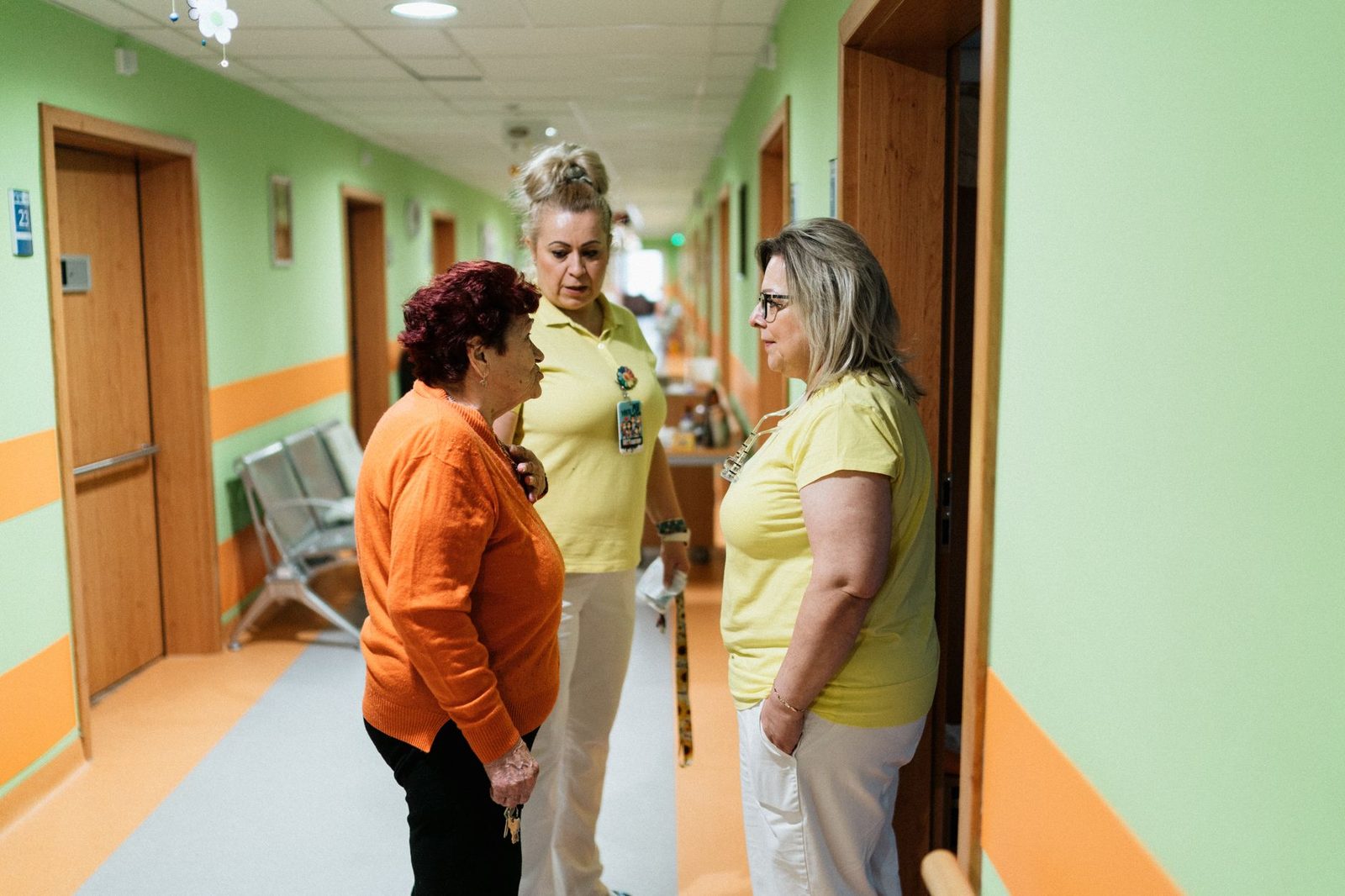
Next Steps
If your loved one died in a nursing home under circumstances that concern you, the first step is a confidential conversation with an attorney who understands Georgia wrongful death law.
When you reach out, have ready (or be prepared to discuss):
- The death certificate
- Medical records from the nursing home and any hospitals
- Facility admission and care documents
- A timeline of events leading up to the death
- Any complaints you filed with the facility or state agencies
An attorney will explain whether a claim is viable, what the process looks like, and what your family can expect. If you decide to proceed, we handle the investigation and legal work while you focus on your family.
If your loved one died in a nursing home under suspicious or preventable circumstances, you may have grounds for a wrongful death claim—and families in your situation contact us regularly to explore their options. Request a free case review today.
Why Families Choose Slam Dunk Attorney
Compassionate Representation
We understand the pain of losing a loved one in a nursing home. We listen, ask hard questions, and pursue accountability with care and respect for your family.
Thorough Investigation
We review medical records, facility policies, staffing logs, and incident reports to uncover evidence of neglect, abuse, or failure to provide proper care.
Georgia-Based Advocacy
Based in Duluth and serving families throughout metro Atlanta and Georgia, we know the local courts, regulations, and standards that apply to nursing homes in our state.
Clear Communication
We explain the process in plain language, answer your questions, and keep you informed every step of the way.
Common Signs of Nursing Home Neglect or Abuse
Unexplained Injuries or Decline
Sudden bruises, fractures, weight loss, or rapid deterioration without clear medical explanation may signal neglect or abuse.
Inadequate Medical Care
Failure to treat infections, manage medications, monitor vital signs, or respond to complaints can lead to preventable death.
Fall-Related Deaths
Deaths from falls may be actionable if the facility knew of fall risk but failed to provide proper supervision or safety measures.
Bedsores and Infections
Severe pressure ulcers or infections from poor hygiene and care can become life-threatening if left untreated.
Important: Time Matters
Georgia law sets strict time limits for filing wrongful death claims. Delays can affect your ability to pursue justice. Contact us promptly to discuss your situation and protect your family's rights.
Questions Families Often Ask
How do I know if I have a case?
Not every death in a nursing home is actionable. We look for evidence that the facility failed to meet the standard of care—for example, ignored a resident's medical needs, failed to prevent a fall despite known fall risk, or allowed abuse. A free consultation will clarify whether your situation warrants a claim.
What is wrongful death?
Wrongful death occurs when someone dies due to the negligence, abuse, or recklessness of another. In nursing homes, this may include failure to provide adequate care, medication errors, abuse by staff, or unsafe conditions.
Who can file a wrongful death claim?
In Georgia, the right to file belongs to the deceased's family members—typically a spouse, children, or parents. We can advise you on your standing and options during a free consultation.
How are these cases handled?
We investigate thoroughly, gather evidence, and work to reach a fair resolution. Many cases are resolved through negotiation; others proceed to trial. We handle the legal work so you can focus on your family.
Your Family Deserves Answers
Related practice areas
- Nursing Home Physical Abuse Claims Georgia | Slam Dunk