
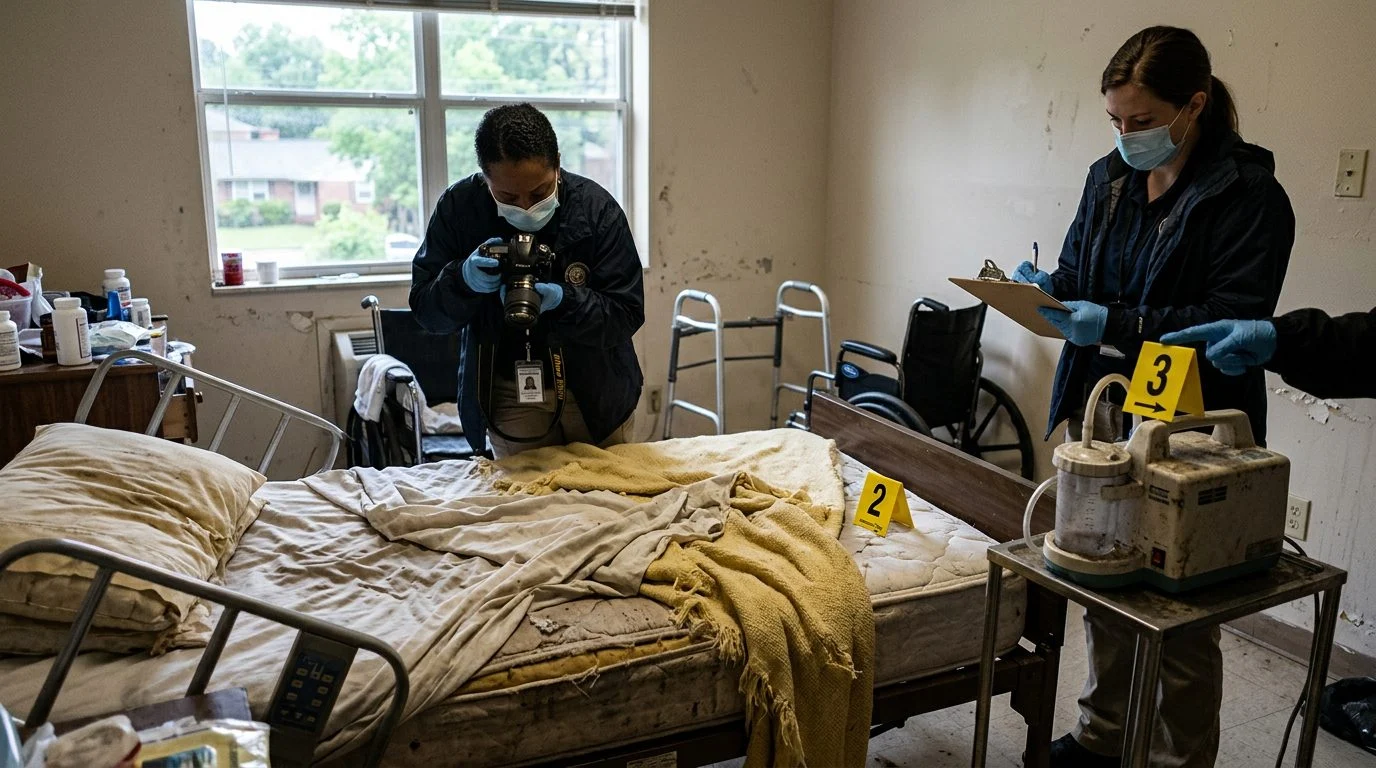
Nursing Home Abuse and Wrongful Death | Atlanta, Georgia
Standing with Families When Someone in Care Is Harmed
Learning that a loved one was neglected or hurt is frightening, and the questions can feel overwhelming. Our team offers a calm, plain-language place to start.
By Peter F. Jaraysi · Published November 11, 2026
Losing a parent or loved one in a nursing home is painful. It’s harder when you suspect neglect or abuse played a part. Families who need an Atlanta nursing home abuse attorney often ask one question first: can we bring a claim? In many cases, Georgia law lets certain family members or the estate file a wrongful death claim after a resident dies from neglect, abuse, or unsafe care. The rules on who may sue, what can be recovered, and when to file are specific, so it helps to learn them early.
What a Nursing Home Wrongful Death Claim Is
A nursing home wrongful death claim is a legal claim brought after a resident dies, when the death is linked to neglect, abuse, or unsafe care at a facility.
Georgia law gives a person harmed when a long-term care facility fails to honor resident rights a right to sue for damages (O.C.G.A. § 31-8-126). Death claims follow their own rules, covered below.
This page serves families in Atlanta, Lawrenceville, Johns Creek, Alpharetta, Marietta, Norcross, Kennesaw, Dunwoody, and elsewhere in Georgia. Slam Dunk Attorney is based in Duluth, Georgia, and handles nursing home abuse and wrongful death matters across metro Atlanta and Georgia. Peter F. Jaraysi is the responsible lawyer for this page.
If your mother, father, or another family member died after neglect or abuse in a nursing home, you may have a claim, and our team can review it with you. Talk it through with our team — the first consultation is free, confidential, and carries no obligation.

Neglect and Abuse Warning Signs Families Often See
Common warning signs include worsening pressure sores, dehydration, untreated infections, missed medications, and repeated falls. Families often notice several signs together.
- Pressure sores (bedsores) that grow larger or deeper instead of healing.
- Dehydration or malnutrition, including sudden weight loss.
- Untreated infections or fevers that were never addressed.
- Missed medications or dosing errors.
- Falls, choking, or wandering when safety steps were not followed.
- Injuries that don’t fit the explanation given for them.
- Sudden withdrawal, fear of certain staff, or major changes in behavior.
Residents must receive care “with reasonable care and skill” and in compliance with applicable laws (O.C.G.A. § 31-8-108). Georgia law also requires that a significant change in health be reported to a person the resident chooses within a reasonable time.
Write down what you saw, with dates, times, and staff names. A short note made the same day is often more useful than memory weeks later. Ask the facility for the chart. Concerns about care can also go to the Georgia Department of Community Health, which accepts complaints online, by telephone, or by fax. If your loved one needs medical care, get that care first. The legal questions can wait.
Who Can Bring a Claim in Georgia and the Filing Deadline
Under Georgia law, a surviving spouse may bring a wrongful death claim. If there is no surviving spouse, a child or children may bring it (O.C.G.A. § 51-4-2). If no one is entitled to sue, the administrator or executor may bring the action for the next of kin (O.C.G.A. § 51-4-5).
Georgia’s general deadline for actions for injuries to the person is two years after the right of action accrues (O.C.G.A. § 9-3-33). A death claim raises its own timing questions, so an early review matters.
Evidence can disappear over time. Georgia’s duty to preserve evidence can arise once litigation is reasonably foreseeable to the party that controls the evidence (Phillips v. Harmon). Keep your own copies of bills, letters, photos, texts, and discharge papers.
What a Wrongful Death Claim Can Recover
A Georgia wrongful death claim seeks the full value of the decedent’s life, as shown by the evidence (O.C.G.A. § 51-4-2). That value is measured without deducting the decedent’s necessary or personal expenses had they lived (O.C.G.A. § 51-4-1).
If death of a human being results from a crime or from criminal or other negligence, the personal representative may also recover funeral, medical, and other necessary expenses tied to the injury and death (O.C.G.A. § 51-4-5). Medical expenses are limited to the reasonable value of medically necessary care (O.C.G.A. § 51-12-1.1). If there is a surviving spouse, that spouse receives no less than one-third of a recovery under subsection (a) (O.C.G.A. § 51-4-2).
Each family’s situation is different. No dollar amount can be predicted in advance, and the right approach depends on the evidence gathered.
How the Process Works, Step by Step
The process starts with a consultation and moves through records, evaluation, talks, and a lawsuit only if needed.
- Free, confidential consultation. You share what happened and any paperwork you have. The first consultation is free, confidential, and carries no obligation to continue.
- Records and review. The firm’s lawyers request the chart, care plans, staffing and incident reports, and medication logs.
- Evaluating the claim. The lawyers look at who may be responsible, such as the facility, its operator, or a staffing company. Georgia courts require an employer to use ordinary care not to hire or keep an employee it knew or should have known posed a risk of harm (Munroe v. Universal Health Services).
- Talks and decisions. Some claims are resolved through talks with insurers or the other side. The family makes decisions at each stage.
- Lawsuit if needed. If talks do not resolve the claim, a lawsuit is filed within the legal deadline. Timelines vary, and the lawyers explain each stage as it arrives.
Why Families Work With Slam Dunk Attorney
Slam Dunk Attorney is a personal injury firm based in Duluth, Georgia. It handles nursing home abuse and wrongful death matters across metro Atlanta and Georgia.
Our lawyers include Peter F. Jaraysi and Brian D. Wright. Our assistants and office staff help families with records requests, scheduling, and questions between meetings.
The firm also handles car, truck, and motorcycle accidents, pedestrian accidents, dog bites, premises liability, slip and fall, negligent security, rideshare accidents, short-term rental injuries, and catastrophic injuries such as traumatic brain injury and spinal cord injury.
Our team explains what we know, what we still need, and what happens next, in plain language.
Not sure what your next step is?
Talk it through with our team — the first consultation is free, confidential, and carries no obligation.
Frequently Asked Questions
Does a pre-existing condition stop a nursing home neglect claim?
Not automatically. Whether a claim exists depends on the facts, including the care given and what caused the death.
Do I need the nursing home’s records before I call?
No. Many families start with what they have, and the lawyers can request records during the review.
Who can bring the claim if my parent had a spouse?
Under Georgia law, the surviving spouse may bring the claim first. If there is no surviving spouse, a child or children may.
Is the consultation really free?
Yes. The first consultation is free and confidential, and it carries no obligation to continue.
If your mother, father, or another family member died in a nursing home and you believe neglect or abuse played a part, contact Slam Dunk Attorney to request your free consultation. Our team can review the records and deadlines with you.
Attorney advertising. Responsible lawyer: Peter F. Jaraysi, Slam Dunk Attorney, Duluth, Georgia. Contact: https://slamdunkattorney.com/contact-us/. This page is general information, not legal advice.
How Our Lawyers Approach Your Case
We Listen First
Every family's situation is different. We take time to understand what happened, what you have noticed, and what matters most to you.
We Review the Records
Many families begin with what they already have. Our lawyers can request facility and medical records as part of the review.
Clear, Plain Communication
We explain the process in everyday language so you know what to expect and can make informed decisions at each step.
Confidential Conversations
What you share with us stays private. You can speak openly about your concerns without any obligation to move forward.
Protect the Evidence
Write down what you have observed, including dates, injuries, changes in condition, and names of staff. Keep photos, messages, and copies of any records you receive. Talk with a lawyer before signing releases or other paperwork from the facility or its insurer.
Situations We Help Families With
Nursing Home Neglect
Bedsores, dehydration, falls, medication errors, or poor supervision that leave a resident harmed or in decline.
Abuse in Care
Physical, emotional, or financial abuse by staff, other residents, or people with access to a vulnerable adult.
Wrongful Death
When a loss of life may have been caused by someone else's negligence, the family may have legal options to pursue.
Catastrophic Injuries
Serious harm connected to care, including spinal cord injury, traumatic brain injury, or other injuries that change daily life.