
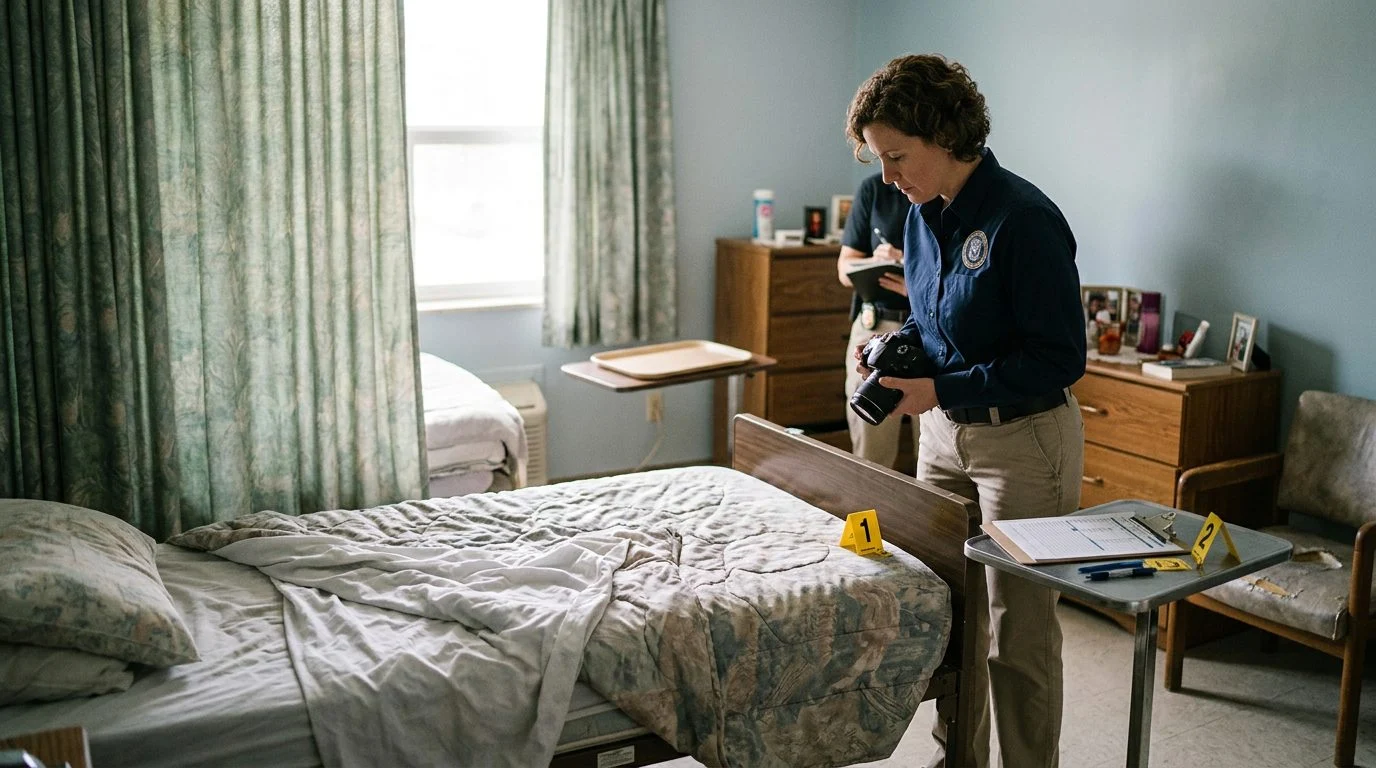
Nursing Home Abuse | Georgia
Emotional Abuse in Nursing Homes Demands Accountability
If your loved one has suffered verbal mistreatment, isolation, humiliation, or neglect at a Georgia facility, we can help. Call for a free case review.
By Peter F. Jaraysi · Published September 23, 2026
Nursing Home Emotional Abuse & Neglect Claims in Georgia
Emotional abuse and neglect in nursing homes are serious, actionable harms under Georgia law—and they’re often overlooked because they leave no visible bruises. If your loved one has withdrawn, expressed fear of staff, or shown signs of psychological distress since entering a facility, you may have grounds for a claim. Here’s what you need to know about nursing home emotional abuse claims in Georgia, how they work, and what to expect.
If you've noticed sudden behavioral changes, withdrawal, or signs of mistreatment in your loved one since they entered a nursing home, you may have grounds for a claim—and families in your situation reach out to us regularly. Talk it through with our team — the first consultation is free, confidential, and carries no obligation.
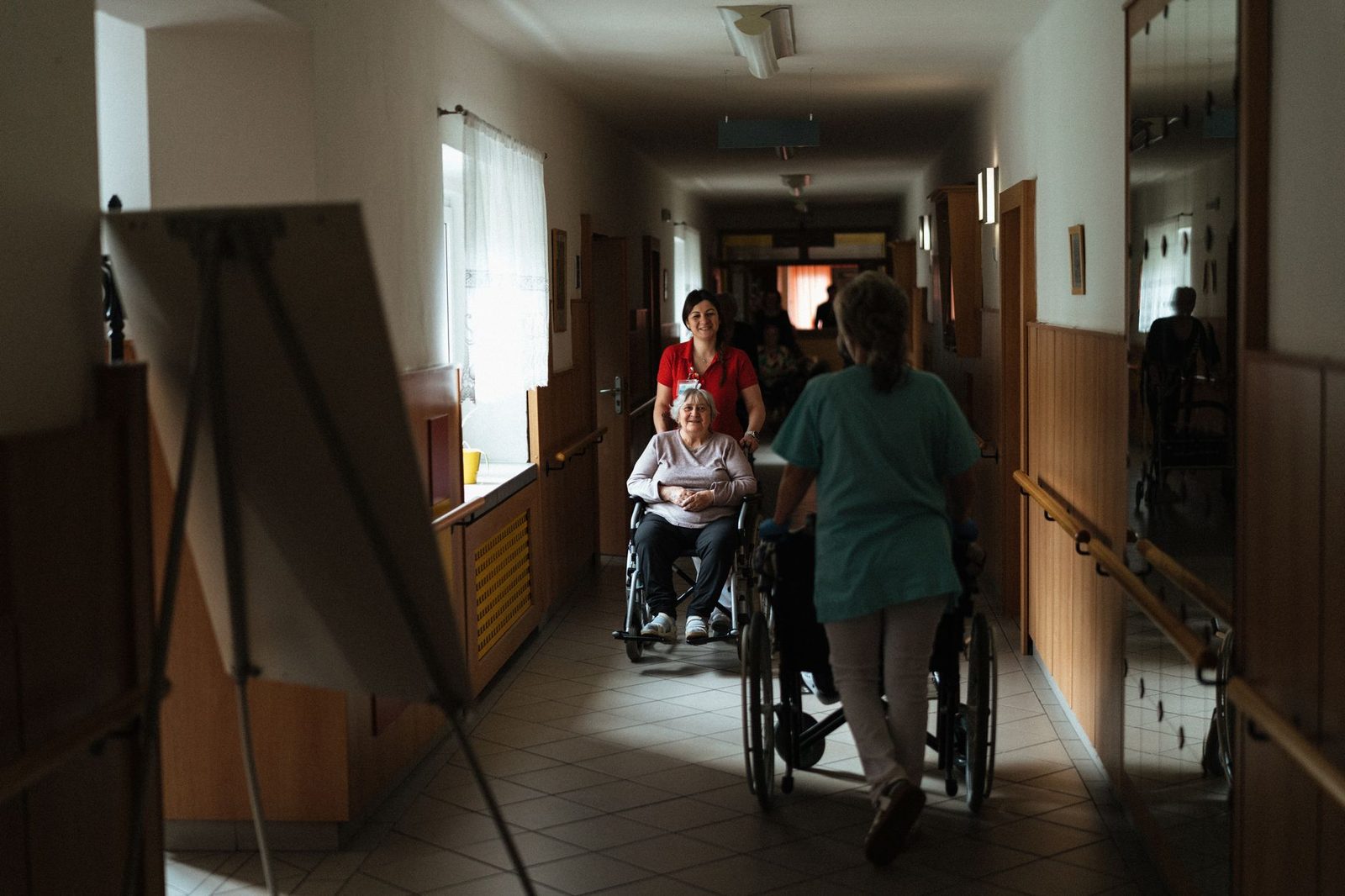
What Are Nursing Home Emotional Abuse and Neglect?
Emotional abuse in nursing homes includes verbal harassment, intimidation, humiliation, isolation, threats, and infantilization—treating residents as children or objects rather than people. Neglect is the facility’s failure to provide adequate care, medication, hygiene, nutrition, supervision, or social engagement.
These harms often occur together. A resident may be yelled at by staff (emotional abuse) while also being left unwashed or missing doses of medication (neglect). Both are breaches of the duty of care a nursing home owes its residents, and both can cause serious psychological injury.
Why does this matter? Because emotional abuse and neglect aren’t just uncomfortable or sad—they’re legally compensable harms. Georgia recognizes both negligence and intentional infliction of emotional distress claims in nursing home cases, meaning families can seek damages for pain and suffering, medical treatment, and in cases of gross negligence or intentional misconduct, punitive damages.
Signs Your Loved One May Be Experiencing Emotional Abuse or Neglect
Watch for these warning signs, which the National Institute on Aging identifies as indicators of elder abuse and neglect in care settings:
Behavioral changes: – Sudden withdrawal, depression, or anxiety – Fear of staff members or reluctance to return to the facility – Unexplained anger, confusion, or emotional distress – Loss of interest in activities they once enjoyed
Verbal signs: – Your loved one reports being yelled at, threatened, called names, or ignored – Staff dismisses their complaints or discourages them from talking to family – Resident says they’re isolated or not allowed visitors
Physical indicators: – Poor hygiene despite facility’s responsibility for bathing and grooming – Unexplained weight loss or malnutrition – Untreated medical conditions or medication errors – Injuries without clear explanation
Isolation: – Restricted visits or limited phone access – Family discouraged from calling or visiting – Resident moved away from common areas or social activities
Documentation gaps: – Facility records show missed appointments or inadequate care notes – Incident reports are sparse or vague despite obvious problems – Care plans don’t match what’s actually happening
What Nursing Home Emotional Abuse & Neglect Claims Cover
A valid claim under Georgia law can recover damages for:
- Pain and suffering caused by emotional harm, psychological distress, and loss of dignity
- Medical treatment costs for therapy, psychiatric care, or other treatment needed to address psychological injury
- Additional care or relocation costs if your loved one needs to move to a safer facility
- Punitive damages in cases of gross negligence or intentional misconduct (where the facility’s conduct was reckless or deliberate)
- Loss of companionship and emotional distress to family members (where applicable under Georgia law)
- Attorney fees and court costs (contingent on case outcome)
In the negligence cases our attorneys handle, damages are determined by the severity and duration of abuse, the resident’s vulnerability, and the facility’s knowledge of the problem. Medical experts and psychological evaluations help establish the extent of harm.
How Nursing Home Emotional Abuse Claims Work in Georgia
Here’s what to expect from start to finish:
Step 1: Initial Consultation We listen to your account, review any documentation you have (incident reports, medical records, emails), and assess whether a valid claim exists. This is a free, confidential conversation.
Step 2: Investigation We obtain the resident’s complete medical and facility records, incident reports, care plans, medication logs, and staff employment history. We may interview family members, witnesses, and other residents. We look for patterns of abuse or neglect and gaps in care.
Step 3: Expert Review We consult with geriatric care specialists, psychologists, or medical professionals to establish causation (that the facility’s conduct caused the harm) and quantify damages (how much the harm is worth).
Step 4: Demand and Negotiation We prepare a detailed demand letter outlining the facility’s breach of duty, the harm caused, and the compensation we’re seeking. We negotiate with the facility’s insurance carrier to reach a settlement.
Step 5: Litigation (if necessary) If settlement isn’t reached, we file suit in Georgia court, conduct discovery (exchanging documents and taking depositions), and prepare for trial. We’re ready to fight if the facility won’t take responsibility.
Timeline: Most cases take 12–24 months from initial consultation to resolution. Complex cases with significant damages or contested liability may take longer.
Why Slam Dunk Attorney Handles These Cases
We focus specifically on nursing home abuse across metro Atlanta and Georgia. We understand Georgia premises liability law, elder abuse statutes, and how nursing home facilities operate. We’ve worked with families through emotionally difficult investigations and have access to geriatric and mental health experts who can testify to causation and harm.
We hold facilities accountable for systemic neglect and abuse—not just one-off incidents. And we’re transparent about your options and what to expect at every stage. We explain the law in plain language, not legalese.
Not sure what your next step is?
Talk it through with our team — the first consultation is free, confidential, and carries no obligation.
What Makes a Valid Nursing Home Emotional Abuse or Neglect Claim in Georgia?
Under Georgia law, a valid negligence claim requires four elements:
-
Duty: The facility owed your loved one a duty of care. This is established by the resident-facility relationship—it’s automatic.
-
Breach: The facility failed to provide adequate care, supervision, or respectful treatment. This might be a specific incident (staff member yelling at a resident) or a pattern (chronic neglect of hygiene or medication).
-
Causation: That breach directly caused emotional or psychological harm. Medical records, behavioral documentation, and expert testimony establish this link.
-
Damages: Your loved one suffered measurable harm—documented through medical records, psychological evaluation, testimony, or significant behavioral changes.
Georgia also recognizes claims for intentional infliction of emotional distress, which applies when conduct is extreme and outrageous and causes severe emotional distress. This is a higher bar but can result in punitive damages.
Common Questions About Nursing Home Emotional Abuse Claims
Q: Is emotional abuse harder to prove than physical abuse?
It can be, because it often leaves no visible marks. That’s why medical records, witness testimony, and expert evaluation are critical. We know how to build a strong case.
Q: Can I sue if my loved one has dementia or cannot testify?
Yes. Family members can bring claims on behalf of residents, and we use facility records, staff testimony, and behavioral documentation to establish what happened.
Q: What if the facility says my loved one is just “difficult” or “confused”?
That’s a common defense. We investigate thoroughly to distinguish between normal aging and actual abuse or neglect. Facility records often tell the real story.
Q: How long do I have to file a claim?
Georgia has a statute of limitations on personal injury claims. The sooner you contact us, the sooner we can preserve evidence and protect your rights.
Q: Will this case go to trial?
Most settle, but we prepare every case for trial. We’re ready to fight if the facility won’t take responsibility.
Q: What if I can’t afford an attorney?
We work on contingency—you pay no upfront fees. You may owe case costs (like expert fees or court filing fees) regardless of outcome, which we’ll discuss upfront.
What to Do If You Suspect Emotional Abuse or Neglect
Act quickly. Evidence can disappear, and time limits apply.
- Document everything: dates, times, specific incidents, names of staff involved, and your loved one’s exact words.
- Request facility records: incident reports, care plans, medication logs, and staff schedules. Facilities must provide these upon request.
- Report to the facility administrator and request a written response.
- File a complaint with the Georgia Department of Community Health, which oversees nursing homes and investigates violations.
- Consult with an attorney. Don’t wait. The sooner we review your case, the sooner we can protect your loved one and your legal rights.
Get Help Today
If you’ve noticed sudden behavioral changes, withdrawal, or signs of mistreatment in your loved one since they entered a nursing home, you may have grounds for a claim—and families in your situation reach out to us regularly. Call us for a free case review or request a free consultation. We’ll listen, answer your questions, and tell you honestly whether we can help.
Understanding Emotional Abuse in Care Facilities
What Counts as Emotional Abuse
Verbal insults, threats, intimidation, isolation from family, humiliation, and deliberate neglect of emotional needs are all forms of abuse. Emotional harm may not leave visible marks, but it causes real suffering and can worsen depression, anxiety, and physical decline.
Why It's Often Overlooked
Unlike physical injuries, emotional abuse leaves no bruises. Residents with dementia or communication difficulties may not report it. Family visits are often limited, making the abuse harder to detect. Facilities may minimize complaints or discourage reporting.
Building a Strong Case
Medical records, witness testimony from staff and visitors, behavioral changes, expert evaluation, and facility documentation all matter. We know how to gather evidence and hold negligent facilities accountable, even when the harm is not visible.
Your Loved One's Rights
Georgia law protects nursing home residents from abuse and neglect. Family members can bring claims on behalf of residents who cannot advocate for themselves, including those with dementia or communication barriers.
How We Help
Thorough Investigation
We examine facility records, interview staff and family, consult medical professionals, and identify patterns of neglect or mistreatment.
Clear Documentation
We compile medical evidence, incident reports, witness statements, and expert analysis to build a compelling record of what happened.
Compassionate Advocacy
We listen to your story, understand the emotional toll, and fight for fair compensation and accountability on behalf of your loved one.
Direct Communication
You work directly with our team. We keep you informed every step and answer your questions in plain language.
Important Note on Fees
We handle nursing home abuse claims on a contingency basis: no fees unless there is a recovery. You may still owe certain case costs. We'll discuss all fees and costs clearly before you decide to work with us.