
Nursing Home Abuse & Neglect
Nursing Home Abuse in Atlanta & Georgia: Know the Warning Signs
If your loved one has been harmed in a nursing facility, you deserve answers and accountability. Slam Dunk Attorney is here to help.
By Peter F. Jaraysi · Published September 24, 2026
Nursing Home Abuse in Atlanta & Metro Atlanta: What You Should Know
If you’re worried your loved one is being harmed in a nursing home, you’re not imagining it—and you’re not alone. Nursing home abuse is a serious problem in Georgia facilities, and it takes many forms: physical harm, emotional cruelty, financial exploitation, and sexual assault. The good news is that you can recognize the warning signs, take action, and hold facilities accountable. This guide explains what abuse looks like, how to respond, and when legal help may be appropriate.
If you've noticed unexplained injuries, sudden behavioral changes, or other warning signs in your loved one's care, you're not alone—families in your situation contact us regularly to discuss what may have happened and what options exist. Talk it through with our team — the first consultation is free, confidential, and carries no obligation.
What Counts as Nursing Home Abuse?
Nursing home abuse means intentional harm—physical, emotional, financial, or sexual—inflicted on a resident by a staff member, another resident, or a visitor. It’s different from neglect, which is the failure to provide necessary care or supervision (like not giving medication on time or leaving someone in soiled bedding). Both are serious, but they have different causes and legal implications.
In Atlanta-area facilities, abuse takes several forms:
Physical abuse includes hitting, pushing, rough handling, or inappropriate restraint. A resident may show unexplained bruises, cuts, or fractures that don’t match the explanation given.
Emotional abuse involves yelling, humiliation, threats, or isolation. It damages a resident’s dignity and mental health, often leaving no visible marks.
Financial exploitation happens when staff or visitors steal money, forge signatures, or pressure residents into giving away assets. Missing belongings or unexplained bank withdrawals are red flags.
Sexual abuse is any unwanted sexual contact or coercion. It’s often underreported because residents may be confused, afraid, or unable to communicate clearly.
Abuse happens because of systemic problems: understaffing, inadequate training, lack of oversight, and pressure on caregivers. Vulnerable residents—those with dementia, limited family contact, or communication difficulties—face the highest risk.
Warning Signs Your Loved One May Be Experiencing Abuse
Physical indicators are often the first clue. Look for unexplained bruises, especially in clusters or patterns; cuts or burns; poor hygiene despite the facility’s care plan; sudden weight loss; or injuries that don’t match the staff’s explanation. Broken eyeglasses, torn clothing, or missing dentures can also signal rough handling.
Behavioral changes are equally important. If your loved one suddenly withdraws, becomes fearful around certain staff members, or shows anxiety when you mention the facility, pay attention. Confusion about what happened, depression, or sudden aggression can indicate emotional or physical harm. Some residents stop talking about activities they enjoyed or become reluctant to be alone with certain people.
Financial red flags include unexplained withdrawals from bank accounts, missing jewelry or personal items, sudden changes to a will or power of attorney, or staff members asking for money or gifts. If your loved one can’t explain where money went, that’s a serious warning.
When you notice one or two signs, ask questions. When you see a pattern—multiple injuries, behavioral changes, and financial irregularities—take it seriously and investigate.
Why Nursing Home Abuse Happens in Atlanta-Area Facilities
Understanding why abuse occurs helps you recognize it and hold facilities accountable. According to the National Institute on Aging, elder abuse in institutional settings often stems from understaffing, inadequate training, lack of oversight, and pressure on caregivers. Many facilities are understaffed relative to resident needs, leaving overworked employees burned out and frustrated. Some staff receive minimal training on how to handle difficult behaviors or communicate with residents who have dementia.
Facilities that prioritize profit over care cut corners on staffing and training. Without proper supervision and accountability, problem employees aren’t caught or removed. Residents with dementia or communication difficulties can’t report abuse easily, making them targets. And when facilities don’t respond to complaints or investigate internally, abuse continues unchecked.
Georgia facilities are subject to federal nursing home regulations enforced by the Centers for Medicare & Medicaid Services (CMS) and state oversight by the Georgia Department of Public Health. These agencies set clear standards for care, staffing ratios, and training. When facilities fail to meet these standards, residents suffer.
What to Do If You Suspect Nursing Home Abuse
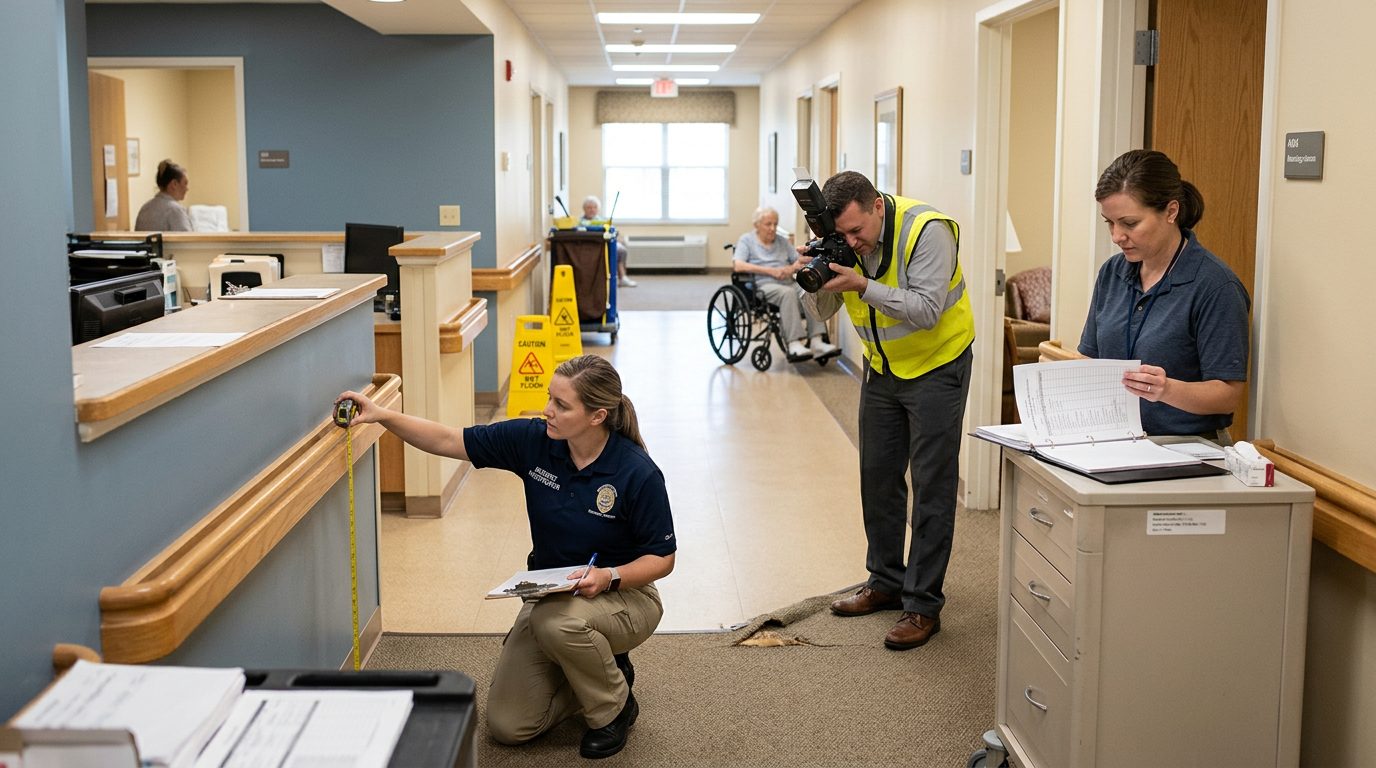
Document everything. Write down dates, times, and what you observed. Take photos of injuries (with your loved one’s permission). Keep copies of medical records, incident reports, and any written communication with the facility. Write down the names of staff members present and any witnesses. This documentation is critical—it creates a record and helps investigators and attorneys understand what happened.
Talk to your loved one in a safe, private setting, away from staff. Ask open-ended questions: “How are you feeling?” “Has anyone hurt you?” “Are you safe?” Listen without judgment. If your loved one has dementia or communication difficulties, observe their reactions and ask yes-or-no questions. Don’t pressure them or ask leading questions.
Report to facility management. Tell the nursing home administrator or director of nursing what you’ve observed. Request a written response and an investigation. Keep a copy of your report. If management dismisses your concerns or doesn’t investigate, that’s another red flag.
Contact the Georgia Department of Public Health and Adult Protective Services. These agencies investigate complaints and can inspect the facility. Reporting creates an official record and triggers oversight. You can file a complaint online or by phone.
Preserve evidence. Don’t let the facility alter or destroy records. Request copies of your loved one’s medical charts, incident reports, staffing schedules, and training records. If the facility resists, an attorney can help you obtain them through legal channels.
Seek legal guidance when you’ve documented abuse and reported it, but the facility hasn’t responded or your loved one continues to be harmed. An attorney can investigate further, identify who’s responsible, and explain your options.
Your Legal Options in Georgia
Georgia law allows families to pursue civil liability claims against nursing homes for abuse and neglect. The legal theory is usually negligent supervision—the facility failed to hire, train, or supervise staff adequately, and that failure led to harm.
Grounds for a claim include inadequate staffing (too few employees to provide safe care), failure to train staff on how to handle residents with dementia or behavioral issues, failure to investigate complaints or respond to warning signs, failure to remove problem employees, and failure to implement safety measures or oversight systems.
Damages in a nursing home abuse case can include medical expenses for treatment related to the abuse, pain and suffering (physical and emotional), loss of enjoyment of life, punitive damages (extra damages meant to punish the facility for reckless or intentional conduct), and in wrongful death cases, funeral expenses and loss of companionship.
Georgia law sets a time limit for filing a claim. The specific deadline depends on the type of claim and when the injury was discovered. Missing the deadline means losing your right to sue, so it’s important to act promptly. An attorney can explain the exact timeline for your situation.
Not sure what your next step is?
Talk it through with our team — the first consultation is free, confidential, and carries no obligation.
How an Attorney Can Help
An experienced nursing home abuse attorney investigates what happened by interviewing your loved one, family members, and facility staff; reviewing medical and facility records; and consulting with medical experts if needed. They identify all responsible parties—the individual staff member, the facility, the owner, and sometimes a corporate parent company.
Attorneys build your case by gathering evidence, organizing documentation, and developing a clear narrative of what occurred and why the facility is liable. They negotiate with the facility’s insurance company and may pursue settlement discussions. If litigation becomes necessary, they represent you in court and advocate for your rights.
Most importantly, an attorney handles the legal process so you can focus on your loved one’s care and recovery. They understand Georgia law, nursing home regulations, and how to hold facilities accountable.
Frequently Asked Questions
What’s the difference between nursing home abuse and neglect?
Abuse is intentional harm; neglect is failure to provide necessary care. Both are serious, but they have different legal implications and may require different evidence.
How do I report suspected nursing home abuse in Georgia?
Contact the Georgia Department of Public Health or Adult Protective Services. You can also report to facility management and request a written investigation.
What damages can I recover?
Medical expenses, pain and suffering, loss of enjoyment of life, punitive damages, and in wrongful death cases, funeral expenses and loss of companionship.
How long do I have to file a claim?
Georgia sets a statute of limitations for personal injury and wrongful death claims. The specific deadline depends on your situation—contact an attorney to confirm the timeline for your case.
Can a nursing home be held liable for staff misconduct?
Yes, if the facility failed to hire, train, or supervise the employee adequately, or if the facility knew of a problem and didn’t address it.
If you’ve noticed unexplained injuries, sudden behavioral changes, or other warning signs in your loved one’s care, reach out to discuss what may have happened. Families in your situation contact us regularly to explore their options and understand what accountability looks like. Request a free consultation or call to speak with an attorney about your loved one’s case.
Warning Signs of Nursing Home Abuse
Unexplained injuries, sudden behavioral changes, poor hygiene, malnutrition, untreated medical conditions, or fear when staff members are present can all indicate abuse or neglect. Trust your instincts—if something feels wrong, it may be.
Abuse vs. Neglect: What's the Difference?
Abuse
Intentional harm—physical, emotional, or sexual—inflicted by staff or other residents. This includes hitting, restraint without medical cause, verbal threats, or isolation used as punishment.
Neglect
Failure to provide necessary care: missed medications, inadequate nutrition, poor hygiene, untreated wounds, or lack of supervision. Neglect can be just as serious as abuse.
Financial Exploitation
Unauthorized use of a resident's money, property, or assets by staff, family members, or others in a position of trust.
Negligent Security
Inadequate staffing, poor supervision, or failure to prevent harm from other residents or intruders—putting vulnerable people at risk.
How Slam Dunk Attorney Can Help
Investigation & Evidence
We gather medical records, facility reports, witness statements, and expert testimony to build a clear picture of what happened to your loved one.
Accountability
We hold nursing homes and their staff responsible for failing to protect residents in their care, and we pursue claims on behalf of injured residents and their families.
Compassionate Guidance
We understand how painful these situations are. We listen, explain your options clearly, and work to get you answers and fair compensation for your loved one's suffering.
No Upfront Fees
We work on a contingency basis—no fees unless there is a recovery. You may still owe case costs; we'll discuss this with you upfront.
Steps to Take If You Suspect Nursing Home Abuse
Document Everything
Take photos of injuries, note dates and times of incidents, record what your loved one tells you, and keep copies of medical records and facility reports.
Report to Authorities
Contact the Georgia Department of Public Health or Adult Protective Services to file a formal complaint. A report creates an official record and may trigger an investigation.
Seek Medical Attention
Have your loved one examined by a doctor outside the facility. Medical documentation is crucial evidence and ensures any injuries are properly treated.
Contact an Attorney
Reach out to Slam Dunk Attorney for a free case review. We can advise you on your legal options and help protect your loved one's rights.
Your Loved One Deserves Better
Related practice areas
- Nursing Home Abuse Investigation Process in Georgia