
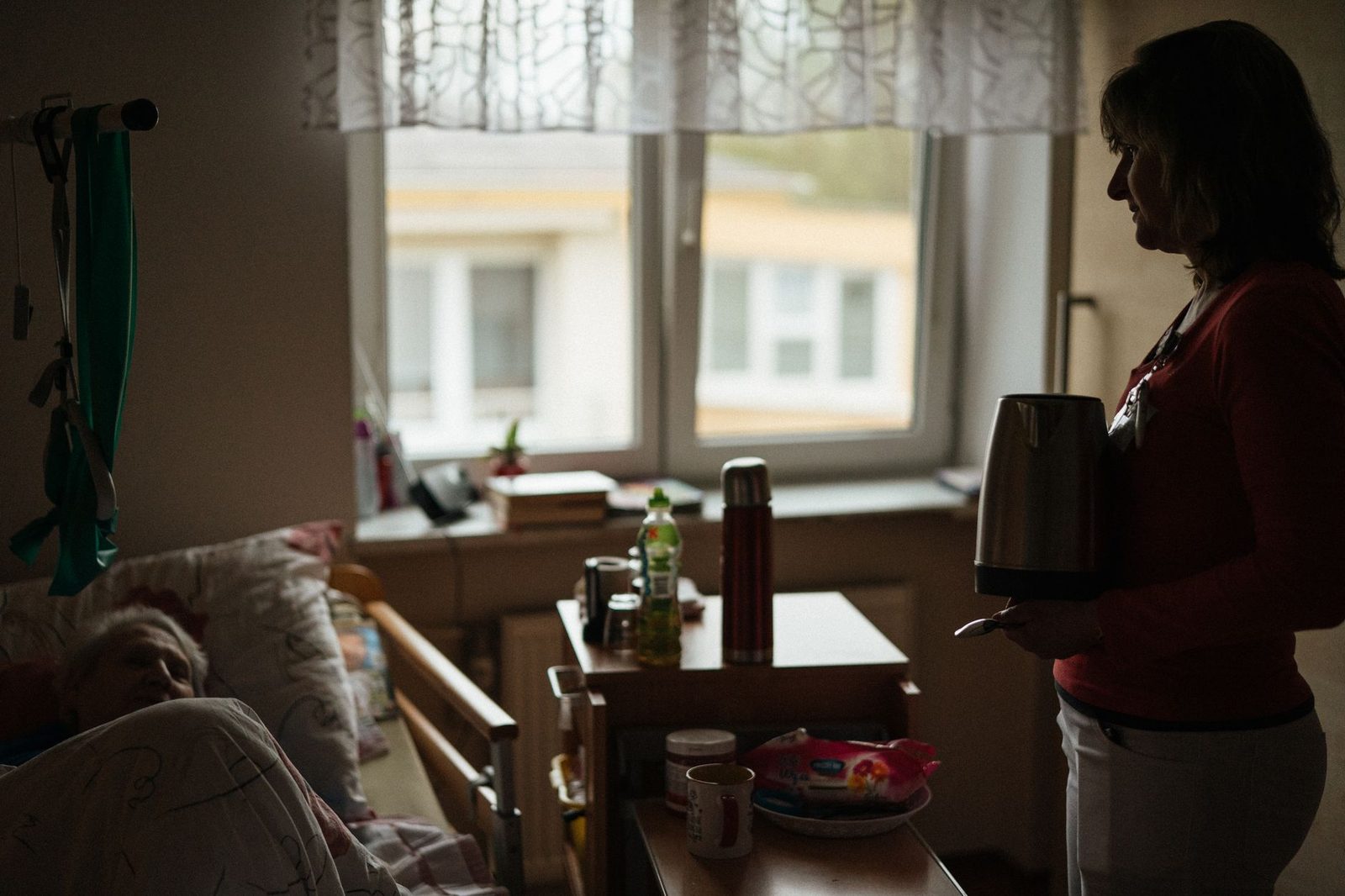
Nursing Home Abuse in Dunwoody
When Care Becomes Harm: What Families Need to Know
Recognize the signs of nursing home neglect and abuse. Slam Dunk Attorney is here to help families in Dunwoody and across Georgia protect their loved ones.
By Peter F. Jaraysi · Published September 18, 2026
Nursing Home Abuse in Dunwoody: What Families Need to Know
When a loved one enters a nursing home or assisted living facility in Dunwoody, you expect they’ll receive safe, dignified care. But sometimes that trust is broken. Nursing home abuse and neglect—physical injuries, emotional mistreatment, financial exploitation, or failure to meet basic needs—can happen in any facility, and families who discover it often don’t know where to turn. This guide explains what constitutes actionable abuse under Georgia law, how to recognize the warning signs, and what legal options exist for Dunwoody families.
If you've noticed unexplained injuries, behavioral changes, or signs of neglect in your loved one since they entered a Dunwoody facility, families in your situation can reach out—contact us for a free case review to understand your options. Talk it through with our team — the first consultation is free, confidential, and carries no obligation.
Nursing Home Abuse and Neglect in Dunwoody
Nursing home abuse includes physical harm, emotional mistreatment, sexual assault, and financial exploitation. Neglect means the facility fails to provide food, water, medication, hygiene, or supervision—resulting in injury or deterioration of your loved one’s health. Georgia law recognizes both as violations of the facility’s duty of care.
In Dunwoody and across DeKalb County, nursing homes are licensed and regulated by the Georgia Department of Community Health (DCH). The DCH investigates complaints of abuse, neglect, exploitation, and mistreatment. However, licensing and inspections alone don’t prevent harm. Staffing shortages, inadequate training, poor oversight, and cost-cutting create environments where residents become vulnerable.
The key legal distinction is this: poor care or substandard conditions may frustrate you, but not every complaint rises to actionable abuse or neglect. Actionable abuse or neglect means the facility’s conduct—or failure to act—directly caused injury or harm to your loved one. A bedsore that develops because a resident wasn’t turned regularly, medication errors that cause illness, or unexplained bruises are examples of neglect that can support a civil claim. Verbal abuse, isolation, or coerced financial transactions are also recognized harms under Georgia premises liability law.
Common warning signs families notice include:
- Unexplained bruises, fractures, or injuries
- Pressure ulcers (bedsores) that weren’t present before admission
- Sudden weight loss, malnutrition, or dehydration
- Medication errors or missed doses
- Poor hygiene or soiled clothing
- Behavioral changes: withdrawal, fear, aggression, or depression
- Missing money or unauthorized charges on accounts
- Isolation from family or restricted visiting
Types of Abuse and Neglect in Dunwoody Care Facilities
Physical abuse includes hitting, pushing, improper restraint, or rough handling. Unexplained injuries, bruises in unusual patterns, or fractures in residents with limited mobility are red flags.
Neglect is failure to provide adequate food, water, medication, hygiene, or supervision. Pressure ulcers (bedsores) are a common sign—they develop when residents aren’t turned or moved regularly. Malnutrition, dehydration, medication errors, and infections from poor hygiene all constitute neglect.
Emotional and psychological abuse involves isolation, verbal mistreatment, intimidation, or humiliation. A resident who becomes withdrawn, fearful, or depressed after facility admission may be experiencing this form of harm.
Financial exploitation occurs when staff or other residents take money, forge signatures, coerce gifts, or make unauthorized charges. This is a serious and often hidden form of abuse.
Sexual abuse includes assault or inappropriate contact by staff members or other residents. Facilities have a duty to protect residents and investigate complaints promptly.
Your Right to Investigate and Report
You have the right to visit your loved one at any time, inspect their medical records, and ask staff questions about their care and condition. Don’t hesitate to exercise these rights if you have concerns.
If you suspect abuse or neglect, document everything: dates, times, injuries, behavioral changes, staff names involved, and preserve photos, medical records, witness statements, and facility incident reports. This documentation is critical if you later pursue a legal claim.
To file a complaint with the Georgia DCH, contact the facility’s administrator first and request a written response. If your concerns aren’t addressed, file a formal complaint with the state. The DCH will investigate and may cite the facility or take licensing action.
If you believe a crime has occurred—for example, sexual assault or deliberate physical abuse—contact local law enforcement. Criminal investigation and civil liability are separate processes; both can occur.
Legal Options for Families in Dunwoody
Nursing homes have a legal duty of care to residents under Georgia premises liability law. When a facility breaches that duty through abuse, neglect, or inadequate supervision, families may pursue a civil claim for damages.
Premises liability and negligent supervision claims hold the facility responsible for harm caused by staff misconduct, inadequate staffing, poor training, or failure to investigate complaints. For example, if a resident is injured because the facility failed to supervise a known aggressive resident, or if staff neglect causes pressure ulcers, the facility may be liable.
Wrongful death claims apply when abuse or neglect contributes to your loved one’s death. Georgia law allows families to recover damages including medical expenses, pain and suffering, and in cases of gross negligence or reckless conduct, punitive damages.
Georgia’s statute of limitations for personal injury and wrongful death claims is generally two years from the date of injury or discovery of harm. Consulting an attorney promptly ensures you don’t miss this deadline.
Why Families Choose Local Representation
Dunwoody and DeKalb County families benefit from working with attorneys familiar with local nursing home operators, their histories, regulatory records, and the DeKalb County court system. Local counsel understands Georgia nursing home law, the DCH complaint and enforcement process, and has relationships with medical experts and investigators who can help build your case.
An attorney who handles nursing home abuse cases regularly can also advise you on whether your situation warrants a claim, what damages may be available, and whether the facility’s insurance will cover settlement discussions. Proximity and availability matter too—you’ll have direct access to your attorney for facility visits, family meetings, and strategy discussions.
Not sure what your next step is?
Talk it through with our team — the first consultation is free, confidential, and carries no obligation.
What to Do If You Suspect Abuse
Step 1: Document everything. Record dates, times, injuries, behavioral changes, staff names, and facility responses. Take photos of visible injuries or conditions. Preserve medical records and incident reports.
Step 2: Report to facility management. Speak with the administrator or director of nursing. Request a written response and keep copies of all correspondence.
Step 3: File a complaint with the Georgia DCH if the facility doesn’t address your concerns or if you believe abuse has occurred. The DCH can investigate and take regulatory action.
Step 4: Seek medical evaluation. Have your loved one examined by their physician or a hospital emergency department. A medical record documenting injuries or conditions creates an independent record of harm.
Step 5: Consult with an attorney. An attorney experienced in nursing home abuse claims can review your documentation, advise whether you have a viable claim, and guide you through next steps—including potential settlement or litigation.

Frequently Asked Questions
What is the difference between poor care and actionable nursing home neglect?
Poor care may mean substandard conditions or slow response times; actionable neglect means the facility’s failure to provide adequate food, medication, hygiene, or supervision directly caused injury or harm to your loved one.
Can I sue a nursing home for emotional abuse or financial exploitation?
Yes. Georgia law recognizes emotional abuse, isolation, and financial exploitation as forms of harm that can support civil claims for damages.
What damages can I recover in a nursing home abuse lawsuit?
Damages may include medical expenses, pain and suffering, loss of companionship, and in cases of gross negligence, punitive damages designed to deter future misconduct.
How do I report nursing home abuse to the state?
Contact the Georgia Department of Community Health. You can file a complaint online, by phone, or in writing. The DCH will investigate and may take licensing action.
What is the statute of limitations for a nursing home abuse claim in Georgia?
Generally, you have two years from the date of injury or discovery of harm to file a claim (O.C.G.A. § 9-3-33; Cameron v. JMP Pizza, Inc. (2026)). Contact an attorney promptly to ensure you meet this deadline.
If you’ve noticed unexplained injuries, behavioral changes, or signs of neglect in your loved one since they entered a Dunwoody facility, families in your situation reach out regularly. Contact us for a free case review to understand your options and learn how we can help protect your loved one’s rights.
Know the Difference
Poor care may mean slow response times or substandard conditions. Actionable neglect means the facility's failure to provide adequate food, medication, hygiene, or supervision directly caused injury or harm to your loved one.
Common Forms of Nursing Home Abuse and Neglect
Physical Neglect
Failure to provide proper nutrition, medication, hygiene care, or assistance with mobility. Bedsores, malnutrition, and untreated infections can result from inadequate attention.
Emotional and Psychological Abuse
Verbal abuse, intimidation, isolation, or humiliation by staff or other residents. Emotional harm can be as damaging as physical injury.
Financial Exploitation
Unauthorized use of a resident's money, theft of personal belongings, or coercion into signing documents. Vulnerable seniors are often targeted.
Inadequate Supervision
Failure to monitor residents who need assistance, leading to falls, wandering, or harm from other residents. Proper staffing and oversight are essential.
Why Families Turn to Slam Dunk Attorney
Focused on Nursing Home Cases
We focus exclusively on representing families harmed by nursing home abuse and neglect across Georgia. We understand the unique challenges these cases present.
Empathetic Guidance
We listen to your family's story and explain your options in plain language. Your loved one's wellbeing and your peace of mind matter to us.
Thorough Investigation
We gather medical records, facility documentation, and expert testimony to build a clear picture of what happened and why.
Available When You Need Us
Based in Duluth and serving Dunwoody and all of metro Atlanta, we're accessible and ready to discuss your case.
What to Do If You Suspect Abuse
Document Everything
Keep detailed notes of injuries, behavioral changes, staff interactions, and facility conditions. Photographs and dates are valuable. Medical records are critical evidence.
Report to Authorities
Contact the Georgia Department of Community Health or local law enforcement to file a formal complaint. These reports create an official record.
Seek Medical Evaluation
Have your loved one examined by a physician outside the facility. Independent medical documentation strengthens any claim.
Talk to an Attorney
Contact Slam Dunk Attorney for a free case review. We'll explain your legal options and what steps make sense for your family's situation.