
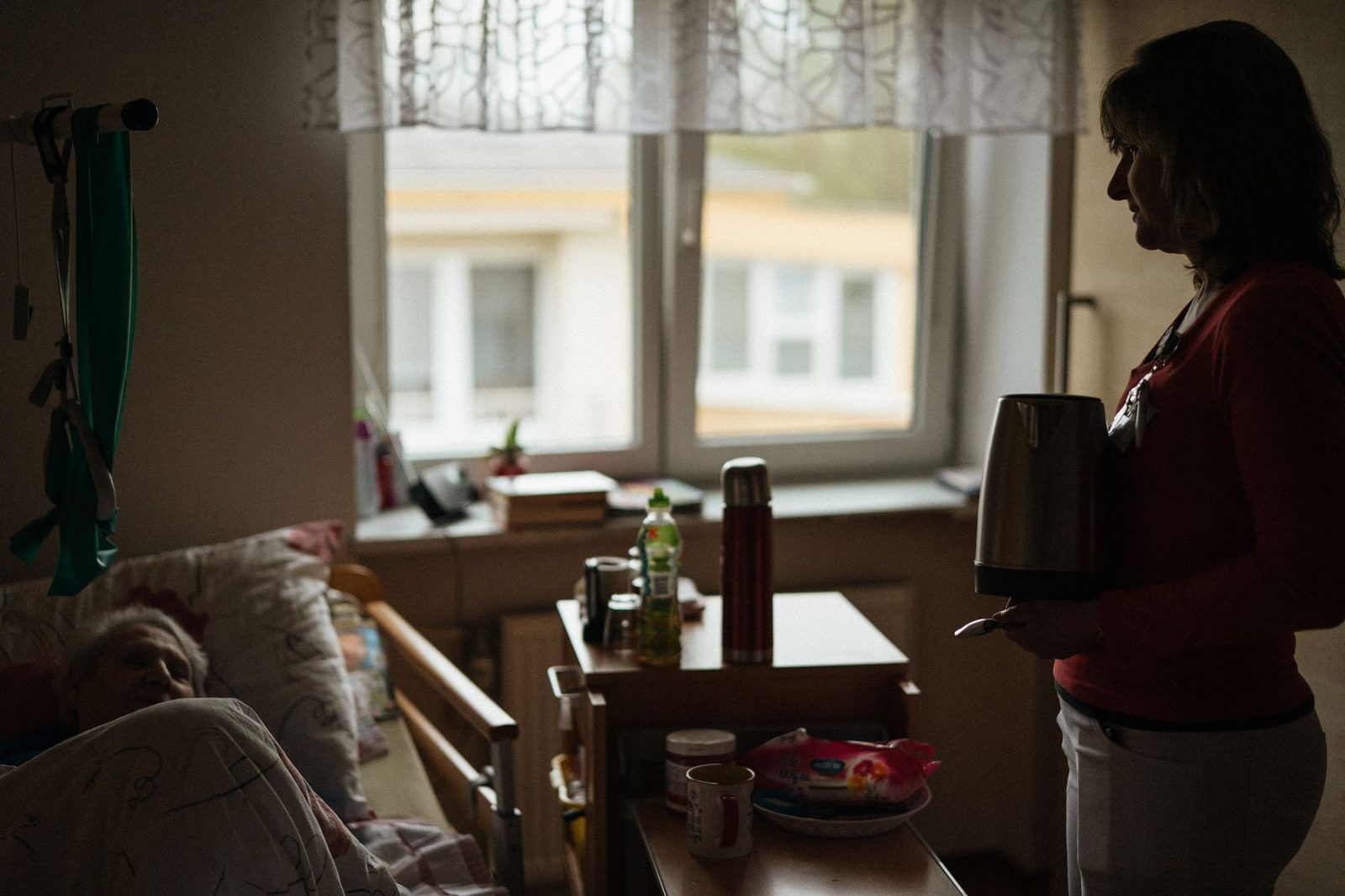
Nursing Home Abuse | Atlanta & Georgia
Nursing Home Abuse: Know Your Family's Rights
If your loved one has been harmed in a Georgia nursing home, you deserve answers and accountability. Slam Dunk Attorney represents families across metro Atlanta.
By Peter F. Jaraysi · Published September 18, 2026
Nursing Home Abuse in Atlanta: What Families Need to Know and How to Protect Your Loved One
When you place a loved one in a nursing home, you expect they’ll receive safe, dignified care. If you’ve noticed unexplained injuries, sudden behavioral changes, or signs of neglect, you’re right to be concerned—and Georgia law gives you the right to investigate and take action. Nursing home abuse and neglect in Atlanta-area facilities is a serious problem that families face every day, and you don’t have to handle it alone.
If your loved one shows signs of abuse or neglect at an Atlanta nursing home, you may have a legal claim—and families in your situation can contact us for a free case review. Talk it through with our team — the first consultation is free, confidential, and carries no obligation.
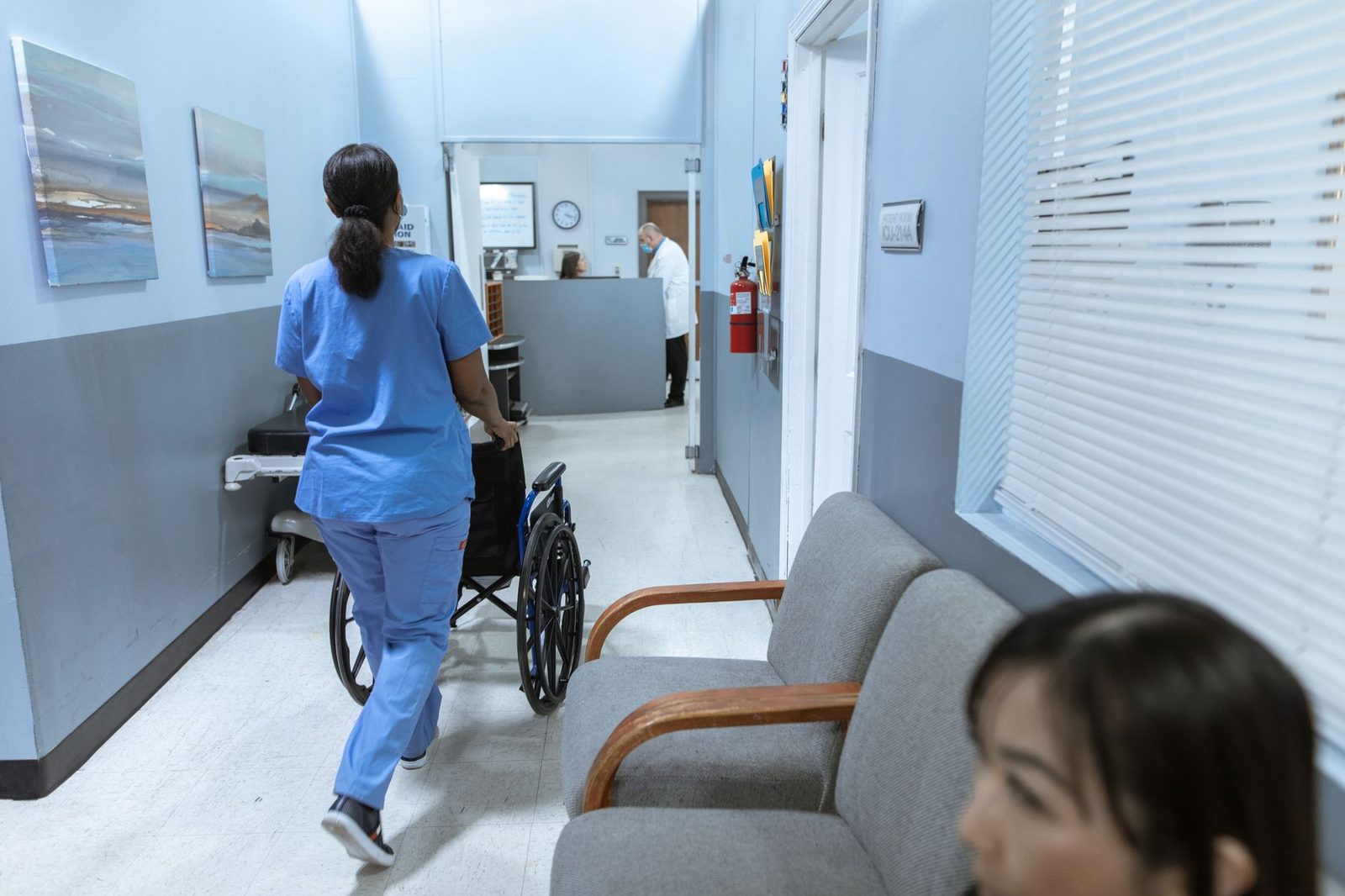
Nursing Home Abuse in Atlanta: A Growing Concern for Georgia Families
Nursing home abuse under Georgia law means intentional infliction of injury, intimidation, or deprivation of services necessary to maintain your loved one’s mental and physical health. It also includes willful deprivation of food, water, medication, medical care, or shelter. The difference between poor care and actionable abuse is critical: poor care may be frustrating, but abuse or neglect that causes harm gives you legal rights.
Atlanta-area families increasingly worry about care quality in nursing homes, assisted living facilities, and senior communities across Fulton County, DeKalb County, and Gwinnett County. Many facilities struggle with understaffing, inadequate training, and weak oversight. Your loved one deserves better—and if they’ve been harmed, the facility and its staff may be legally responsible.
You have the right to investigate what’s happening. You can access medical records, request facility inspection reports, and report suspected abuse to the Georgia Department of Community Health. Taking action early protects your loved one and may prevent harm to other residents.
Types of Nursing Home Abuse and Neglect in Atlanta
Abuse takes many forms. Physical abuse includes unexplained injuries, bruising, fractures, or burns that staff can’t adequately explain. Emotional and psychological abuse involves isolation, intimidation, verbal mistreatment, or threats that damage your loved one’s mental health.
Neglect is often the most common form of harm. It includes inadequate hygiene, medication errors, pressure wounds (bedsores), malnutrition, and failure to provide necessary medical care. When a facility fails to turn a resident regularly, they develop painful bedsores—a clear sign of neglect that’s preventable and actionable under Georgia law.
Financial exploitation happens when staff or management charge unauthorized fees, steal belongings, or coerce residents into signing over money or property. Sexual abuse, though less common, is a serious crime that nursing homes have a duty to prevent and report.
Warning Signs Your Loved One May Be Experiencing Abuse
Watch for behavioral changes: withdrawal from activities they once enjoyed, fear when certain staff members enter the room, anxiety, or depression. Your loved one may become reluctant to discuss the facility or fearful of specific staff.
Physical indicators matter. Look for unexplained injuries, poor hygiene despite a facility’s stated care plan, sudden weight loss, confusion about medications they should be taking, or pressure wounds on their heels, tailbone, or hips.
Check their living conditions during visits. Are they clean? Is the room odor-free? Do they have access to water and snacks? Documentation gaps are red flags too—missing incident reports, inconsistent medical records, or vague explanations for injuries suggest the facility isn’t monitoring care properly.
Financial red flags include sudden account activity you didn’t authorize, missing jewelry or belongings, or unexpected charges on their billing statement.
Georgia Law and Your Rights as a Family Member
Georgia law requires nursing homes to maintain safe environments and protect residents from abuse, neglect, exploitation, and mistreatment. Residents have a statutory right to dignity, privacy, and freedom from harm. Facilities must have written policies, staff training, and incident-reporting procedures.
If you suspect abuse, you can file a complaint with the Georgia Department of Community Health. The state investigates complaints and can impose penalties, including fines and license suspension. Nursing home staff and administrators have a mandatory duty to report suspected abuse to the state and law enforcement—failure to report is itself a violation.
You have the right to access your loved one’s medical records and care plans. You can also request the facility’s inspection reports from the Centers for Medicare & Medicaid Services (CMS) Care Compare database, which shows compliance history and documented deficiencies for Medicare and Medicaid-certified homes across Atlanta.
Georgia’s statute of limitations for personal injury claims, including nursing home abuse and neglect, is generally two years from the date of injury or discovery of harm (O.C.G.A. § 9-3-33; Cameron v. JMP Pizza, Inc. (2026)). This deadline is important—don’t delay if you believe your loved one has been harmed.
Liability may fall on the nursing home facility itself, individual staff members, or the ownership company, depending on the circumstances. If a staff member abused your loved one, the facility may be liable for negligent hiring, inadequate training, or failure to supervise. If management knew about abuse and did nothing, that’s also actionable.
What to Do If You Suspect Nursing Home Abuse in Atlanta
Document everything. Write down dates, times, specific injuries, conversations with staff, and changes in your loved one’s condition or behavior. Take photographs of visible injuries and living conditions—these documents become evidence.
Request and carefully review your loved one’s medical records, care plans, and incident reports. Look for gaps, inconsistencies, or entries that don’t match what you’ve observed. Ask the facility to explain any discrepancies in writing.
Report your concerns to facility management first, in writing if possible, so there’s a record. If the facility doesn’t respond or you don’t trust their response, file a formal complaint with the Georgia Department of Community Health. The state will investigate.
Consult with an attorney experienced in nursing home abuse cases. An experienced lawyer can review your documentation, access additional records through legal discovery, and advise you on whether you have a claim. Many families wait too long—the sooner you act, the better your options.
Not sure what your next step is?
Talk it through with our team — the first consultation is free, confidential, and carries no obligation.
Why Atlanta Families Choose Slam Dunk Attorney for Nursing Home Abuse Cases
Our team understands Georgia nursing home regulations and the Atlanta-area facilities where your loved one lives. We know how these cases work, what warning signs matter, and how to hold facilities accountable.
We speak plain language. No legal jargon, no surprises. We explain your rights, what we can do, and what to expect—because you deserve transparency when your loved one’s safety is at stake.
We’re committed to protecting residents and their families. We represent families across metro Atlanta and Georgia in nursing home abuse cases, and we bring that experience to your case. We listen, respond promptly, and treat your situation with the empathy it deserves.
Next Steps: Getting Help for Your Loved One
If you’re worried about your loved one’s safety, reach out. We offer a free consultation to discuss your situation, answer your questions, and explain your options. There’s no pressure, no obligation—just honest advice from someone who cares.
During a free case review, we’ll listen to what you’ve observed, review any documentation you have, and tell you plainly whether you may have a claim. We’ll also guide you on protecting your loved one while your case moves forward.
Frequently Asked Questions
What is considered nursing home abuse under Georgia law?
Nursing home abuse includes intentional infliction of injury, intimidation, deprivation of necessary services (food, water, medication, medical care), and willful mistreatment—all of which cause harm and are actionable under Georgia law.
How do I report nursing home abuse in Atlanta?
File a complaint with the Georgia Department of Community Health, contact local law enforcement, and consult with a nursing home abuse attorney to protect your legal rights.
What are the warning signs my loved one is being abused?
Unexplained injuries, sudden behavioral changes, fear of staff, poor hygiene, weight loss, pressure wounds, missing belongings, and documentation gaps are all red flags that warrant investigation.
What is the statute of limitations for nursing home abuse claims in Georgia?
You generally have two years from the date of injury or discovery of harm to file a personal injury claim for nursing home abuse in Georgia (O.C.G.A. § 9-3-33; Cameron v. JMP Pizza, Inc. (2026)).
Can I sue a nursing home for neglect?
Yes, if the facility’s negligence or willful failure to provide necessary care caused harm to your loved one, you may have a legal claim against the facility, staff, and ownership.
Who is liable in a nursing home abuse case?
The nursing home facility, individual staff members, and the ownership company may all be liable, depending on who was responsible for the abuse or neglect and whether they knew about it.
If your loved one shows signs of abuse or neglect at an Atlanta nursing home, you may have a legal claim—and families in your situation can contact us for a free case review. Request a free consultation today and let us help you protect your loved one and seek accountability.
Why Families Choose Slam Dunk Attorney
Focused on Your Family
We focus exclusively on personal injury claims, including nursing home abuse cases. Your family's recovery is our priority.
Transparent & Empathetic
We explain your rights and options in plain language, so you understand every step of the process.
Serving Georgia Families
Based in Duluth, Georgia, we represent families throughout metro Atlanta and across the state.
No Fees Unless There's a Recovery
We work on contingency—you pay no attorney fees unless there is a recovery. You may still owe case costs.
What Constitutes Nursing Home Abuse Under Georgia Law
Intentional Harm
Deliberate infliction of physical or emotional injury, including hitting, pushing, or threatening a resident.
Deprivation of Care
Withholding food, water, medication, medical care, or other necessary services that cause harm.
Willful Mistreatment
Neglect, intimidation, or other conduct that violates a resident's dignity and safety.
Actionable Under Georgia Law
These acts create a legal claim for damages when they result in injury or harm to a resident.
Warning Signs to Watch For
Unexplained injuries, sudden behavioral changes, poor hygiene, malnutrition, untreated medical conditions, or fear when staff members are present may indicate abuse. Trust your instincts and seek legal guidance if you suspect harm.
How to Protect Your Loved One
Report to Authorities
File a complaint with the Georgia Department of Community Health or local Adult Protective Services. Documentation creates an official record.
Gather Evidence
Take photos of injuries, keep medical records, document dates and times of incidents, and write down names of witnesses.
Preserve Communications
Save emails, text messages, and notes from facility staff. Keep records of all conversations about your loved one's care.
Seek Legal Counsel
Contact an attorney who handles nursing home abuse claims. Early legal guidance protects your family's rights and strengthens your case.