
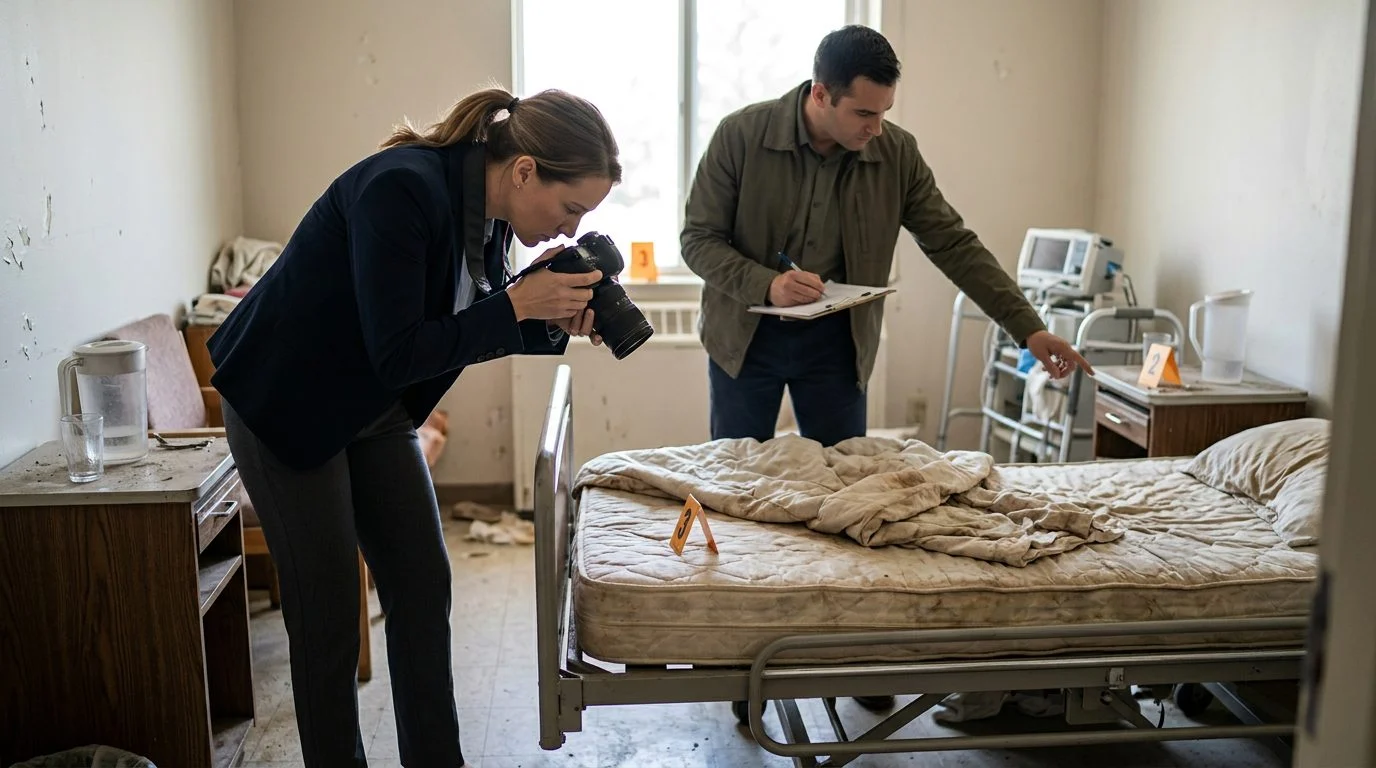
Nursing Home Neglect | Metro Atlanta & Georgia
Nursing Home Dehydration & Malnutrition Neglect Lawyer
When a facility fails to provide adequate food, water, or nutrition monitoring, residents suffer. We investigate neglect and hold facilities accountable.
By Peter F. Jaraysi · Published September 17, 2026
Nursing Home Dehydration & Malnutrition Neglect Lawyer in Georgia
Dehydration and malnutrition in nursing homes are serious, preventable forms of neglect—and they’re often a sign that a facility has failed in its basic duty to care for a vulnerable resident. If your loved one is showing signs of unexplained weight loss, weakness, confusion, or severe dehydration while living in a Georgia nursing home, the facility may be legally responsible, and you may have the right to pursue compensation.
At Slam Dunk Attorney, we represent families across metro Atlanta and Georgia who’ve witnessed or suspect nursing home neglect. We investigate these cases thoroughly, work with medical experts to prove what happened, and hold facilities accountable under Georgia law. Here’s what you need to know—and what we can do to help.
If your loved one shows signs of unexplained weight loss, weakness, or dehydration while in a Georgia nursing home, you may have a legal claim—and families in your situation can reach out to us for a free case review. Talk it through with our team — the first consultation is free, confidential, and carries no obligation.
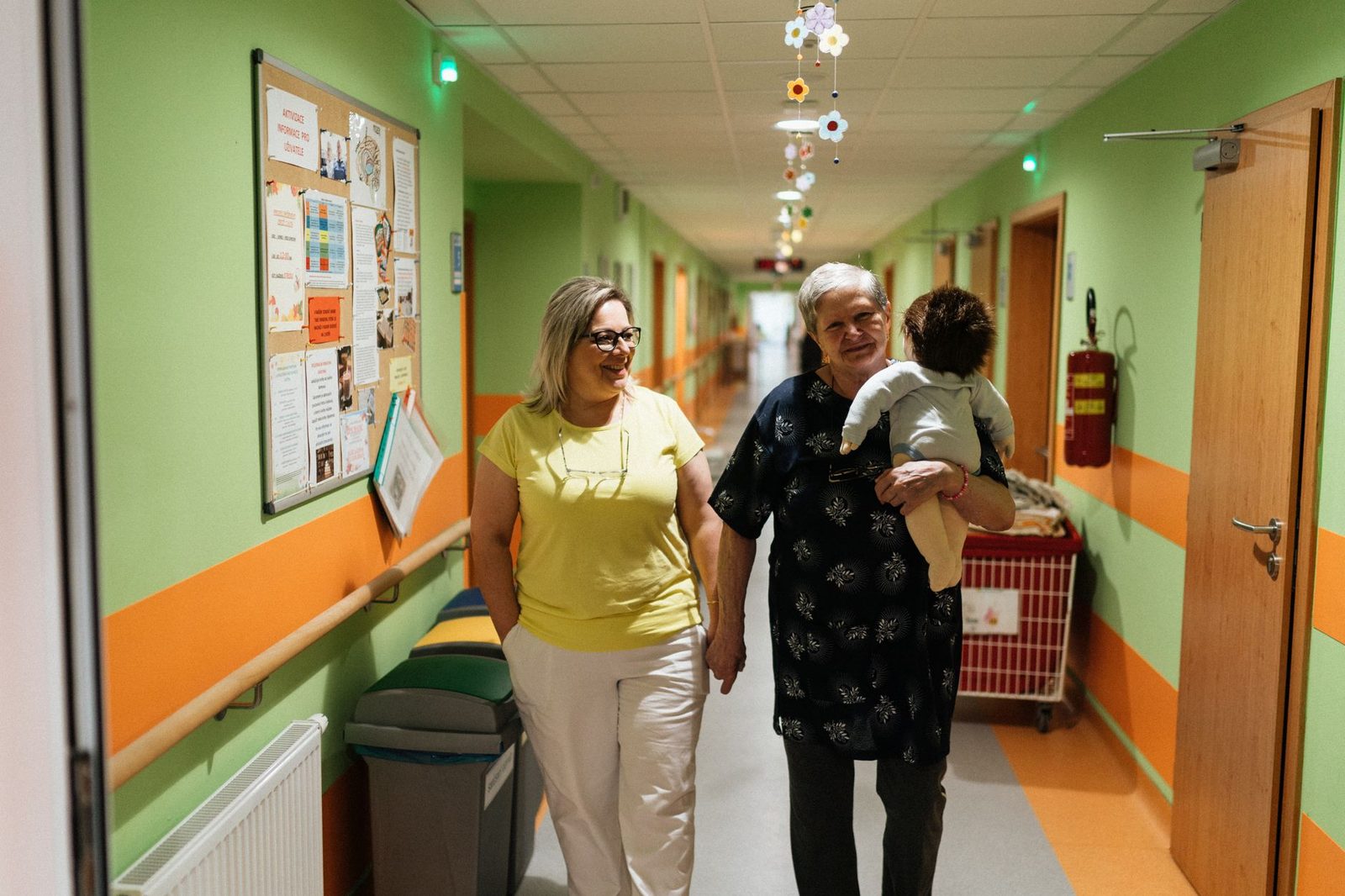
What Is Nursing Home Dehydration and Malnutrition Neglect?
Nursing home dehydration and malnutrition neglect occurs when staff fail to provide adequate food, water, or nutrition to a resident despite knowing that resident needs it and depends on them for care.
This isn’t always about starvation or deliberate withholding. Neglect happens when a facility is understaffed, staff are poorly trained, supervision is lacking, or the facility cuts corners to save money. It can also stem from simple indifference—a staff member who doesn’t check on a resident’s intake, doesn’t notice weight loss, or doesn’t alert a doctor to concerning changes.
In legal terms, this is called “failure to provide adequate care” under Georgia premises liability law. Nursing homes are property owners with a duty to protect residents from foreseeable harm. When they fail to provide basic nutrition and hydration, or fail to monitor and respond to signs of inadequate intake, they breach that duty—and residents suffer real, measurable harm.
Why it matters: dehydration and malnutrition in elderly residents can cause confusion, falls, infections, organ damage, and even death. These conditions are preventable. When they occur, they signal systemic failure—not just one bad day, but patterns of neglect that the facility should have caught and corrected.
Signs Your Loved One May Be Experiencing Dehydration or Malnutrition
Physical signs are often the first red flag. Watch for:
- Weight loss that’s unexplained or rapid
- Dry skin or dry mouth
- Sunken eyes or a hollow appearance
- Confusion, dizziness, or weakness that wasn’t present before
- Constipation (a common sign of dehydration in elderly residents)
- Increased falls or loss of balance
Behavioral changes matter too:
- Increased irritability or mood swings
- Lethargy or unusual fatigue (beyond normal aging)
- Difficulty concentrating or seeming “out of it”
- Withdrawal from activities or family visits
Documentation red flags are equally important. When you review your loved one’s chart or speak with staff:
- No meal records or incomplete food intake logs
- No fluid intake documentation or vague notes (“offered water”)
- Staff notes claiming the resident “refused” food or water without any investigation into why, or without documentation of alternative approaches
- No physician notification of weight loss or other concerning changes
- Gaps in records or inconsistent documentation
What to do right now: Request your loved one’s complete medical records from the facility. Ask for a physician evaluation if one hasn’t been done recently. Document your own observations with dates, times, and specific details. Take photos if you notice visible weight loss or other physical changes. These records and observations will be crucial if you decide to pursue a case.
What This Service Covers
When you work with us on a nursing home dehydration or malnutrition neglect case, we handle:
Investigation & Records Review We obtain and carefully review medical records, dietary logs, nursing notes, staffing records, and facility policies. We’re looking for evidence of what the staff knew, what they should have known, and what they failed to do.
Expert Consultation We coordinate with nutritionists, geriatricians, and other medical experts to establish what adequate care should have looked like, whether the facility met that standard, and how the neglect caused or contributed to your loved one’s harm.
Facility Accountability We examine state inspection reports, prior complaints filed against the facility, and regulatory violations. We investigate whether this facility has a pattern of neglect or whether this is an isolated failure.
Damages Recovery Under Georgia law, you may recover: – Medical expenses (treatment for dehydration, malnutrition, infections, or complications) – Additional care costs (rehabilitation, specialized nutrition, monitoring) – Pain and suffering (your loved one’s physical and emotional distress) – Loss of quality of life (inability to enjoy activities, relationships, or independence) – In wrongful death cases: funeral costs, medical expenses, and loss of companionship
Representation & Negotiation We negotiate with the facility’s insurance carrier and, if necessary, file suit in Georgia state court. You won’t face the facility alone.
How the Process Works
Step 1: Free Consultation You describe what you’ve observed. We listen carefully and ask clarifying questions about the timeline, your loved one’s condition before and after the neglect, and any documentation you have. There’s no cost and no obligation.
Step 2: Records Request We send formal requests to the nursing home for medical records, nursing notes, dietary records, staffing schedules, and facility policies. We may also request records from your loved one’s prior physicians to establish baseline health.
Step 3: Investigation & Analysis Our team reviews the records in detail. We identify gaps, inconsistencies, and failures in care. We consult with medical experts who review the same records and provide opinions on whether the facility’s care fell below the standard of care and whether neglect caused harm.
Step 4: Demand & Negotiation We prepare a detailed demand letter that lays out the evidence of neglect, the harm caused, and the compensation we’re seeking. We then negotiate with the facility’s insurance carrier. Many cases settle at this stage.
Step 5: Resolution or Litigation If we reach a fair settlement, we finalize the terms and ensure you receive your compensation. If the facility’s insurer won’t negotiate fairly, we file a lawsuit in Georgia court and prepare for trial.
Timeline: Initial investigation typically takes 4–8 weeks. Settlement negotiations can take several months. If litigation is necessary, a case may take 1–2 years or longer, depending on court schedules and case complexity.
Why Families Choose Slam Dunk Attorney
Nursing home abuse is our focus. We represent families across metro Atlanta and Georgia in cases of dehydration neglect, malnutrition, abuse, and wrongful death in care facilities. We understand the guilt and frustration families feel when a loved one is neglected. We take these cases seriously.
Deep knowledge of Georgia law. We understand state regulations for nursing homes, elder abuse statutes, and premises liability claims. We know how Georgia courts handle these cases and what evidence judges and juries expect to see.
No upfront cost. We work on contingency. You pay nothing unless we recover compensation for you. We discuss case costs (expert fees, court filings, medical records) upfront so there are no surprises.
Thorough investigation. We don’t accept facility explanations at face value. We dig into records, interview staff when appropriate, consult medical experts, and examine state inspection reports. We leave no stone unturned.
Compassionate approach. We understand what you’re going through. We treat your case with urgency and respect, and we keep you informed every step of the way.
Not sure what your next step is?
Talk it through with our team — the first consultation is free, confidential, and carries no obligation.
What Georgia Law Says About Nursing Home Neglect
Nursing homes in Georgia have a legal duty to provide adequate nutrition and hydration to residents. This duty flows from Georgia premises liability law, which holds property owners—including nursing homes—responsible for foreseeable harm to people on their property who depend on them for care.
Regulatory standards matter too. The Georgia Department of Community Health sets minimum staffing and care standards for nursing facilities. The Centers for Medicare & Medicaid Services (CMS) sets federal quality standards that include requirements for adequate nutrition, hydration, and monitoring of resident intake. Violations of these standards can support a negligence claim and are often documented in state inspection reports.
Georgia law allows families to recover both economic damages (medical bills, additional care costs) and non-economic damages (pain and suffering, loss of enjoyment of life). If dehydration or malnutrition contributed to your loved one’s death, you may pursue a wrongful death claim on behalf of the family.
Common Questions Families Ask
Q: How do I know if dehydration or malnutrition is neglect and not just a medical condition?
A medical condition may exist, but neglect occurs when staff fail to respond to it—by not monitoring intake, not offering food or water, or not alerting a doctor. We investigate both the underlying condition and the facility’s response to it.
Q: What if the facility says my loved one “refused” food or water?
Refusal alone is not a legal defense. Staff must document why the resident refused, investigate the reason (pain, difficulty swallowing, medication side effects), and try alternative approaches. Unexplained weight loss or dehydration despite documented “refusal” suggests the facility didn’t do enough.
Q: Can I still pursue a case if my loved one has passed away?
Yes. Georgia law allows wrongful death claims if neglect contributed to death. We can pursue this on behalf of the family.
Q: What if the nursing home is part of a large chain?
Chain facilities are still liable for neglect at individual locations. We investigate corporate policies, training standards, and staffing decisions to establish whether systemic failures contributed to the neglect.
Q: How much does this cost?
We charge no upfront fees. We work on contingency, meaning we recover a percentage of any settlement or judgment. You may owe case costs (expert fees, court filings, medical records), but we discuss this upfront and transparently.
What to Bring to Your Consultation
To make the most of your free consultation, gather:
- Medical records and recent doctor visits
- Nursing home admission paperwork and care plan
- Photos or videos documenting physical changes
- Dates and notes of visits where you observed signs of neglect
- Any written complaints you’ve filed with the facility or state
- Insurance information for the nursing home (if available)
Ready to Protect Your Loved One
If your family member is showing signs of dehydration, malnutrition, or other neglect at a Georgia nursing home, you don’t have to navigate this alone. We’re here to listen, investigate, and fight for the compensation your loved one deserves. Contact us today for a free case review and let us help you hold the facility accountable.
How We Investigate Nursing Home Neglect
Medical & Care Records Review
We examine intake logs, weight records, doctor notes, and facility policies to identify gaps in monitoring and response.
Distinguishing Neglect from Medical Condition
A medical condition may exist, but neglect occurs when staff fail to respond—by not monitoring intake, not offering food or water, or not alerting a doctor. We investigate both.
Challenging 'Refusal' Claims
Facilities often claim a resident 'refused' food or water. We look deeper: Was assistance offered? Were swallowing difficulties documented? Did staff follow up with medical evaluation?
Compassionate, Transparent Guidance
We explain what we find in plain language, answer your questions honestly, and discuss your options without pressure.
Important: Dehydration & Malnutrition Are Preventable
Nursing homes have a duty to monitor residents' intake, offer food and water regularly, and alert medical staff to problems. When they fail, residents can suffer serious injury, organ damage, or death. If you suspect neglect, act promptly.
Common Questions About Nursing Home Neglect
How do I know if this is neglect?
Neglect occurs when a facility fails to respond to a resident's nutritional or hydration needs. Signs include unexplained weight loss, dehydration, confusion, or a resident who is not offered meals or assistance eating.
What if the facility says my loved one 'refused' food or water?
Refusal alone is not a defense. Facilities must document why, offer alternatives, assist residents who cannot self-feed, and involve medical staff if refusal continues. We investigate whether proper care was provided.
What happens in a nursing home neglect case?
We gather medical records, interview witnesses, consult with care professionals, and build a clear picture of what the facility did—or failed to do. We then pursue a claim for your loved one's injuries and losses.
Do I have to pay upfront?
We work on a contingency basis: no fees unless there is a recovery. You may still owe certain case costs; we'll discuss those clearly upfront.