
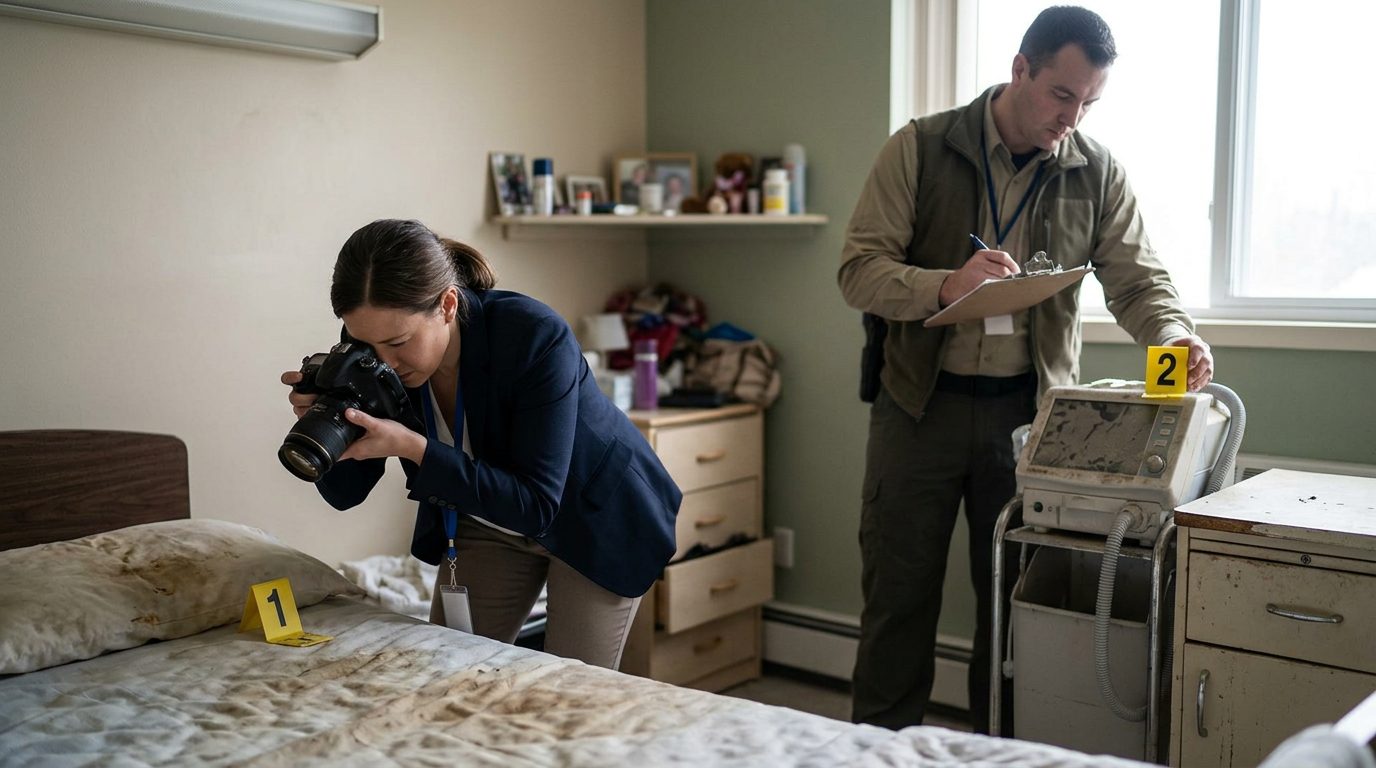
Nursing Home Abuse & Neglect
Know Your Rights: Legal Protections for Georgia Nursing Home Residents
Georgia law safeguards residents from abuse, neglect, and retaliation. Understand what protections apply to you or your loved one.
By Peter F. Jaraysi · Published September 28, 2026
Your Legal Rights as a Nursing Home Resident in Georgia: What the Law Protects
Nursing home residents in Georgia have concrete legal rights under both federal law and state regulations. These protections exist to ensure residents receive safe, dignified care and are protected from abuse, neglect, exploitation, and mistreatment—whether they’re paying privately, on Medicaid, or through Medicare.
Understanding these rights helps family members recognize when something may be wrong and know what steps to take. If a facility violates these protections, your loved one may have legal recourse.
If you're noticing signs that your loved one's rights may not be protected, or if you're unsure whether what you're seeing constitutes a violation, people in your situation reach out to us regularly to understand what legal options exist. Talk it through with our team — the first consultation is free, confidential, and carries no obligation.
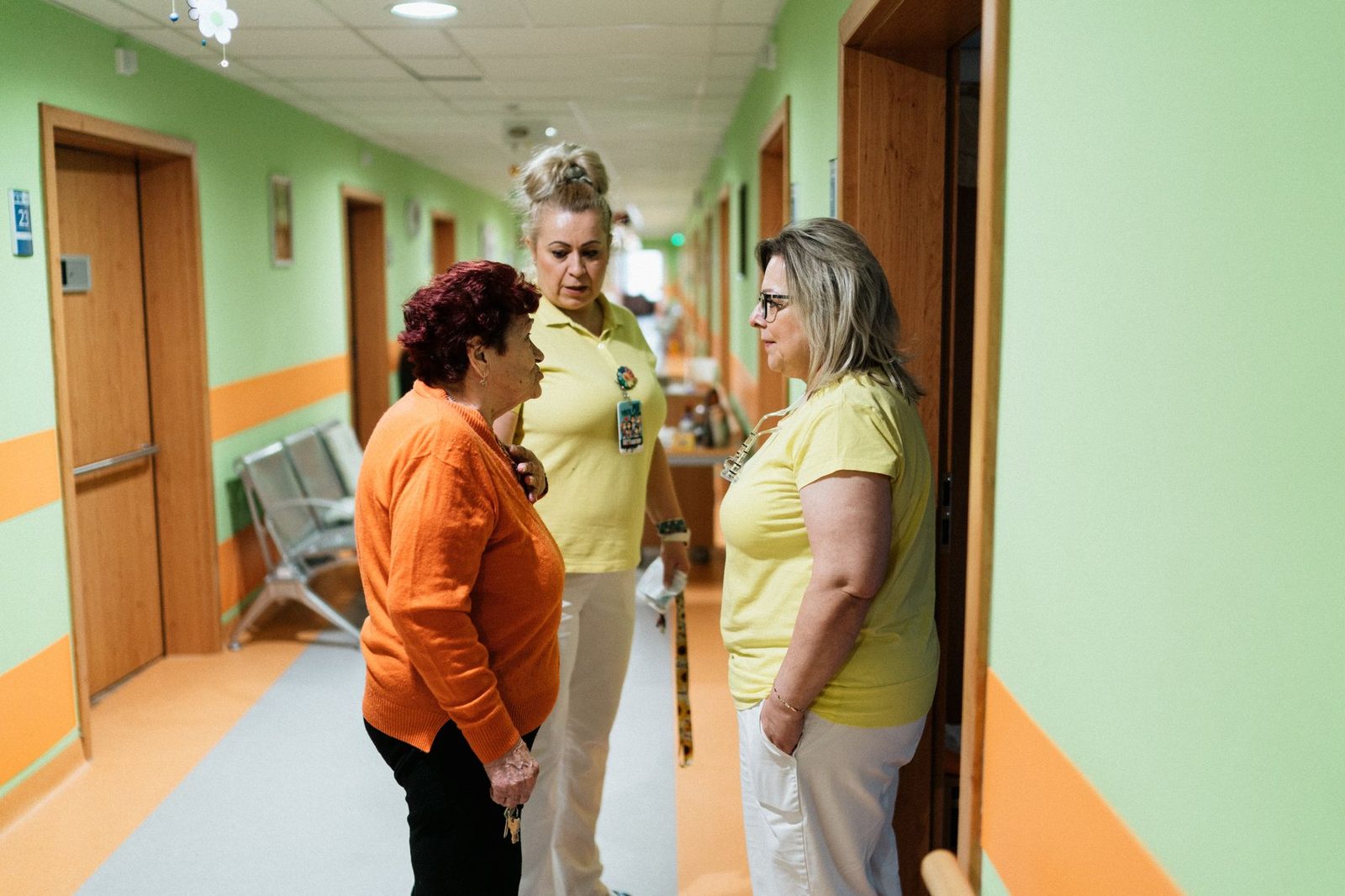
Why Nursing Home Resident Rights Matter
Nursing home residents are among the most vulnerable populations in our communities. Many have limited ability to advocate for themselves, communicate concerns, or leave unsafe situations. Georgia and federal law recognize this vulnerability and establish specific protections.
These rights exist regardless of how a resident is paying for care. Whether your loved one is a private-pay resident or receives benefits through Medicare or Medicaid, the same core protections apply. Understanding what your loved one is entitled to helps you spot problems early and take action to protect them.
Federal Protections for Nursing Home Residents
The Nursing Home Reform Act, part of the Omnibus Budget Reconciliation Act of 1987, sets minimum federal standards for all Medicare and Medicaid-certified nursing facilities nationwide. These standards establish a resident’s bill of rights.
Under federal law, residents have the right to:
- Safe, dignified care free from abuse, neglect, exploitation, and mistreatment. This is the foundation of all other protections.
- Be informed about their medical condition, treatment options, and any changes to their care plan. Staff must explain things in language the resident understands.
- Make decisions about their own care, including the right to refuse treatment. This applies even if refusing treatment may affect their health.
- Know who is caring for them. Facilities must perform background checks on staff and disclose this information.
- Have a safe environment maintained by the facility. This includes adequate staffing, training, and supervision to prevent harm.
The Centers for Medicare & Medicaid Services (CMS) enforces these standards and investigates complaints about Medicare and Medicaid-certified facilities. Violations can result in penalties, fines, or loss of certification.
Georgia-Specific Nursing Home Resident Rights
Georgia law builds on these federal protections and adds state-specific safeguards. O.C.G.A. § 34-8-2 requires nursing homes to provide care that meets or exceeds federal standards.
Under Georgia law, residents have the right to:
- Be treated with respect and dignity. This includes respect for their personal preferences, cultural background, and religious beliefs.
- Privacy in their personal, medical, and financial matters. Facilities cannot disclose private information without consent.
- Communicate freely with family, friends, and legal representatives without interference. This includes phone calls, mail, and visits.
- File complaints with the Georgia Department of Community Health without fear of retaliation. This is a critical protection for residents and families.
- Be protected from retaliation. Georgia law prohibits facilities from punishing residents or families who report concerns to state authorities.
The Right to Safe Care and Freedom from Abuse
Nursing homes must provide adequate staffing, training, and supervision to prevent abuse and neglect. Staff must be trained to recognize and report signs of abuse, exploitation, and mistreatment.
Residents have the right to be free from:
- Physical abuse. This includes hitting, pushing, restraining without medical reason, or any unwanted physical contact that causes harm.
- Emotional abuse. This includes yelling, humiliation, intimidation, or isolating a resident from family and friends.
- Sexual abuse. This includes any unwanted sexual contact or exposure.
- Financial exploitation. This includes stealing money, forging signatures, or pressuring a resident to sign documents.
Facilities must have written policies and procedures in place to prevent abuse and respond to complaints. They must investigate allegations promptly and report suspected abuse to law enforcement and state authorities.
The Right to Informed Consent and Medical Decision-Making
Residents (or their legal representatives) must give informed consent before any medical treatment or procedure. This means the doctor or nurse must explain the treatment, why it’s recommended, what risks and benefits exist, and what alternatives are available.
Residents have the right to refuse treatment, even if that refusal may affect their health. Facilities must respect advance directives, living wills, and powers of attorney that a resident has signed.
Families have the right to participate in care planning and to be notified of significant changes to a resident’s condition or treatment plan. This includes medication changes—staff must explain side effects and alternatives.
Not sure what your next step is?
Talk it through with our team — the first consultation is free, confidential, and carries no obligation.
The Right to Privacy and Personal Property
Residents have the right to privacy in their rooms, medical records, and personal communications. Facilities cannot search a resident’s room or belongings without consent, except in genuine emergencies.
Residents have the right to manage their own finances or to have a trusted person manage them on their behalf. Facilities must protect residents from financial exploitation and unauthorized use of their funds. Money belonging to residents must be kept in separate accounts and accounted for carefully.
Residents also have the right to receive mail, make phone calls, and have visitors without unreasonable restrictions. Facilities cannot isolate residents or control their communications.
The Right to File Complaints and Report Concerns
If a resident or family member believes a right has been violated, there are multiple avenues for reporting:
- The nursing home’s administration. Most concerns can be addressed by speaking with management and requesting a written response.
- The Georgia Department of Community Health. This agency licenses and inspects nursing facilities. Complaints can be filed in writing or by phone.
- The Centers for Medicare & Medicaid Services (CMS). If the facility is Medicare or Medicaid-certified, complaints can be filed with CMS, which maintains inspection ratings and compliance data.
- Law enforcement. If a crime has occurred—such as physical abuse or financial exploitation—police can be contacted.
Residents and families are protected from retaliation for filing complaints or reporting concerns. If a facility punishes a resident or family member for reporting a violation, that itself is illegal under Georgia law.
When Resident Rights Are Violated
Violations of nursing home resident rights may constitute abuse, neglect, exploitation, or mistreatment under Georgia law. When a facility fails to protect a resident’s rights and the resident is harmed as a result, families may have legal claims for damages.
Documentation is critical. If you suspect a violation, gather:
- Dates and times of specific incidents. Write down exactly what happened and when.
- Photos of visible injuries or unsafe conditions. These can be powerful evidence.
- Medical records and care plans. Look for inconsistencies, unexplained injuries, or changes in condition.
- Incident reports filed with the facility. Request copies of any reports related to your loved one.
- Witness statements. Other residents, family members, or staff may have observed the violation.
Legal action may be available to hold the facility accountable and recover compensation for harm. This may include medical expenses, pain and suffering, and other damages.
What to Do If You Suspect a Violation of Your Loved One’s Rights
If you’re concerned that a nursing home is violating your loved one’s rights, take these steps:
- Document what you observe. Keep a detailed record of dates, times, specific incidents, and any visible injuries or changes in condition.
- Speak with your loved one. If they’re able to communicate, listen to their concerns and take them seriously.
- Review medical records and care plans. Look for inconsistencies or unexplained changes.
- Report concerns to the facility’s management. Request a written response and keep copies of all correspondence.
- File a complaint with the Georgia Department of Community Health if the facility does not address your concerns or if retaliation occurs.
- Consult with an attorney who handles nursing home abuse cases to understand your legal options.
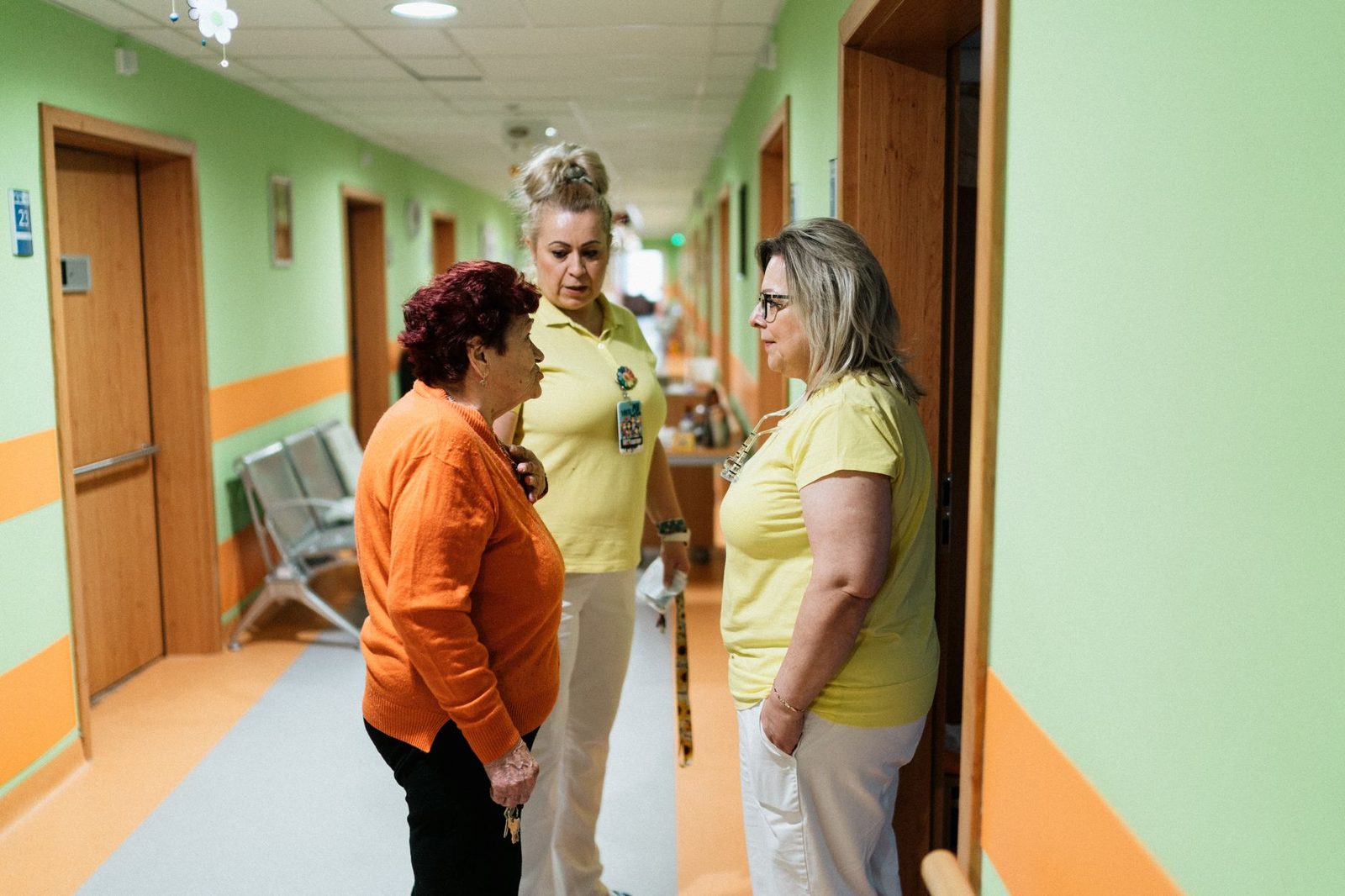
Frequently Asked Questions
Can a nursing home retaliate against me for filing a complaint?
No. Georgia law prohibits retaliation against residents or families who report concerns to state authorities or file complaints.
What if my loved one has a medical power of attorney or advance directive?
Facilities must respect these documents. The person named in the power of attorney can make medical decisions on the resident’s behalf, and advance directives must be followed.
How do I access my loved one’s medical records?
You have the right to request copies of medical records. If your loved one has named you as their healthcare representative or power of attorney, you can access records directly. Otherwise, you may need your loved one’s written consent.
What constitutes financial exploitation in a nursing home?
Financial exploitation includes stealing money, forging signatures, pressuring a resident to sign documents, or using a resident’s funds without permission. Residents have the right to manage their own money or have a trusted person manage it.
Who can I contact if I suspect abuse or neglect?
You can contact the nursing home’s management, the Georgia Department of Community Health, CMS (for Medicare/Medicaid-certified facilities), or law enforcement if a crime has occurred.
If you’re noticing signs that your loved one’s rights may not be protected, or if you’re unsure whether what you’re seeing constitutes a violation, people in your situation reach out to us regularly to understand what legal options exist. We can review your loved one’s situation and explain what protections apply. Request a free consultation to discuss your concerns with our team.
Core Protections Under Georgia Law
Freedom from Abuse and Neglect
Facilities must provide safe, dignified care and are prohibited from physical, emotional, or financial abuse. Residents have the right to report concerns without fear.
Respect for Advance Directives
Nursing homes must honor medical powers of attorney and advance directives. The designated person can make healthcare decisions on the resident's behalf.
Right to Refuse Treatment
Residents (or their authorized representative) can refuse medical treatment, including medications, as long as they understand the consequences.
Access to Medical Records
You have the right to inspect and receive copies of a resident's medical records, care plans, and facility policies.
Family Visitation and Communication
Facilities cannot restrict reasonable visits or communication with family members, advocates, or legal representatives.
Protection Against Retaliation
Georgia law prohibits nursing homes from retaliating against residents or families who report concerns to state authorities or file complaints.
Report Suspected Abuse or Neglect
If you suspect a nursing home resident is being abused, neglected, or mistreated, you can file a complaint with the Georgia Department of Community Health or contact adult protective services. Facilities are required by law to investigate and respond to complaints.
Common Questions About Resident Rights
Can a nursing home retaliate against me for filing a complaint?
No. Georgia law prohibits retaliation against residents or families who report concerns to state authorities or file complaints. Retaliation is illegal.
What if my loved one has a medical power of attorney or advance directive?
Facilities must respect these documents. The person named in the power of attorney can make medical decisions on the resident's behalf, and the facility must follow those decisions.
Can a nursing home force a resident to take medication?
No. Residents have the right to refuse medication and treatment. A facility may only administer medication with informed consent, unless a court order permits otherwise.
What should I do if I suspect abuse or neglect?
Document what you've observed, report it to facility management in writing, file a complaint with the Georgia Department of Community Health, and contact adult protective services. Keep records of all communications.