
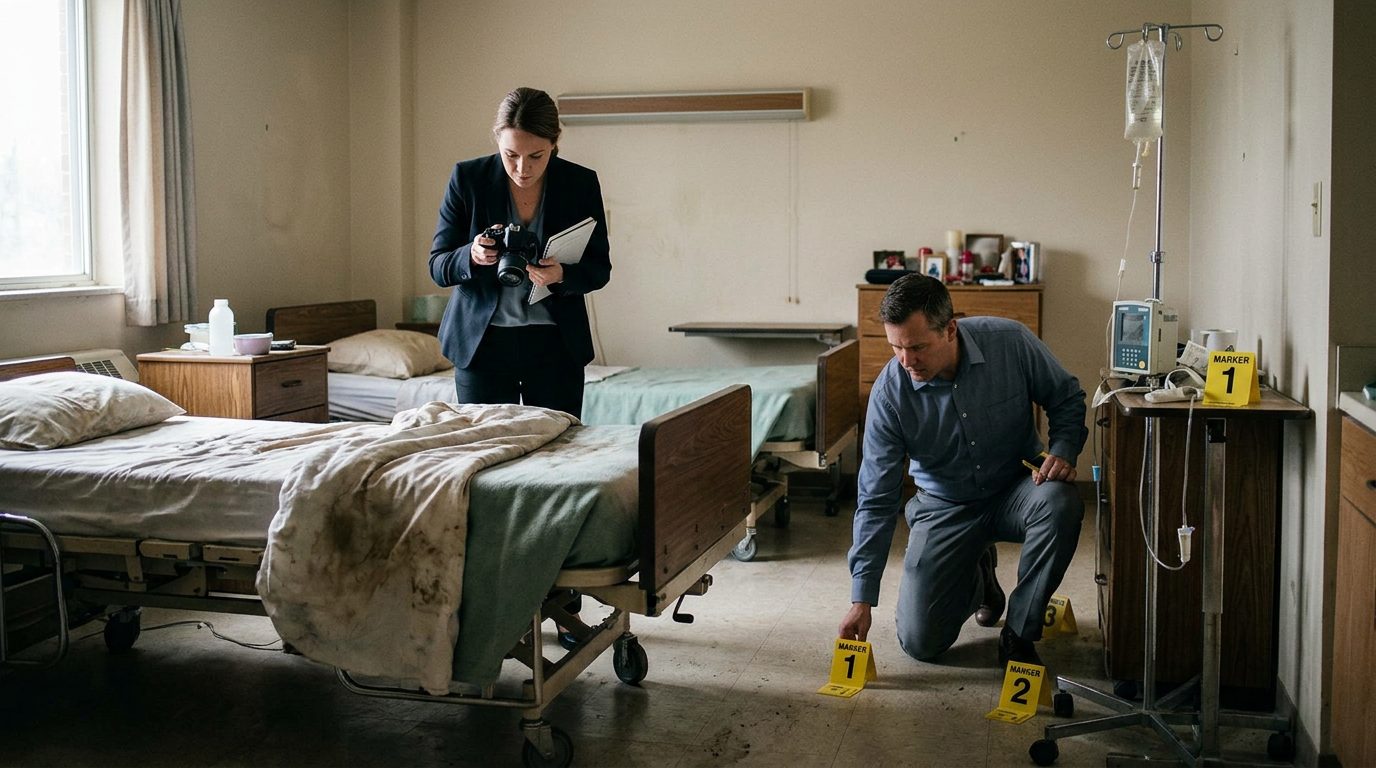
Nursing Home Abuse | Johns Creek
When Your Loved One Is Harmed in a Nursing Home, We're Here to Help
Slam Dunk Attorney represents families across Georgia who have suffered abuse or neglect in nursing facilities. We listen, we investigate, and we pursue accountability.
By Peter F. Jaraysi · Published September 18, 2026
Nursing Home Abuse in Johns Creek: What Families Need to Know
You place your loved one in a nursing home expecting safety, dignity, and quality care. When you start noticing unexplained injuries, sudden behavioral changes, or signs of neglect, that trust breaks. Nursing home abuse and neglect happen across Georgia—including in Johns Creek—and many families don’t recognize what’s happening until significant harm has occurred. This page explains what constitutes nursing home abuse in Johns Creek under Georgia law, how to spot the warning signs, and what legal options exist to protect your loved one and hold facilities accountable.
If you've noticed signs of abuse or neglect in your loved one's care, reach out today—families in your situation can contact us, and we're ready to help. Talk it through with our team — the first consultation is free, confidential, and carries no obligation.
Nursing Home Abuse Is a Serious Problem—and It Happens in Johns Creek
Families in Johns Creek entrust nursing homes and assisted living facilities with their loved ones’ physical safety, medical care, and emotional wellbeing. That trust is not always honored.
Nursing home abuse and neglect occur across Georgia, including in Johns Creek communities. The problem is widespread enough that the Centers for Medicare & Medicaid Services (CMS) maintains detailed inspection and compliance data for every facility, allowing families to research facility history and prior complaints. Yet many families don’t recognize abuse until their loved one has already suffered significant harm—because staff may hide it, residents may be afraid to report it, or the signs are subtle at first.
This guide explains what constitutes abuse under Georgia law, how to spot it, and what legal action means for your family.
What Counts as Nursing Home Abuse Under Georgia Law
Nursing home abuse takes many forms, and Georgia law holds facilities and their staff accountable for all of them.
Physical abuse includes hitting, rough handling, improper restraint, and misuse of medication. Staff may use force to control a resident or administer drugs without proper medical reason.
Emotional or psychological abuse includes intimidation, humiliation, isolation, threats, and verbal degradation. A staff member might yell at a resident, prevent them from seeing family, or mock them.
Sexual abuse and assault are criminal acts. Any non-consensual sexual contact or coercion is abuse.
Financial exploitation occurs when staff or the facility misuse a resident’s money, pressure them into signing documents, or take personal items without permission.
Neglect is the failure to provide food, water, hygiene, medical care, medication, or adequate supervision. A resident left in soiled clothes, not bathed, or without meals is being neglected.
Abandonment means leaving a resident unattended or without necessary care—for example, a resident with mobility issues left alone without a call button or staff nearby.
Georgia law holds facilities and staff legally accountable not only for direct abuse but also for failure to prevent abuse by others. If a facility knows abuse is happening and does nothing, that’s negligence.
Warning Signs Your Loved One May Be Experiencing Abuse
Families often catch abuse by noticing changes in their loved one’s physical condition or behavior. Watch for these red flags:
- Unexplained injuries: bruises, burns, fractures, or lacerations that staff can’t explain or that don’t match the explanation given
- Sudden behavioral changes: withdrawal, fear, aggression, depression, anxiety, or confusion that wasn’t present before
- Poor hygiene and appearance: weight loss, malnutrition, torn or soiled clothing, or signs of poor personal care
- Reluctance to discuss the facility: your loved one becomes evasive, quiet, or fearful when you ask about daily life or staff
- New or worsening medical conditions: unexplained pain, infections, or health problems without clear medical cause
- Missing personal items: money, jewelry, clothing, or other belongings disappear
- Medication errors or over-medication: your loved one seems unusually drowsy, confused, or reports not receiving medications
- Complaints dismissed by staff: when your loved one reports pain, discomfort, or fear, staff minimize or ignore it
Trust your instincts. If something feels wrong, it often is.
Why Johns Creek Families Choose to Take Action
Johns Creek is home to many senior residents and multiple care facilities. Families here have every right to expect safe, dignified care—and when that expectation isn’t met, legal action protects your loved one and holds the facility accountable.
Reporting abuse and pursuing a claim serves multiple purposes. It protects your loved one from further harm. It alerts regulators and other families to dangerous practices. And it may secure compensation for medical costs, pain and suffering, and other damages your family has incurred.
Many families delay seeking help out of fear, uncertainty, or not knowing where to start. But early action is crucial. Evidence can disappear. Memories fade. Staff may alter records. The sooner you document what happened and consult with an attorney, the stronger your legal position becomes.
What to Do If You Suspect Nursing Home Abuse
If you notice signs of abuse or neglect, take these steps immediately:
Document everything. Write down dates, times, specific injuries or behavioral changes, and what you observed. Note conversations with staff and their responses. Take photographs of visible injuries, unsafe conditions, or poor hygiene.
Request medical and care records. Ask the facility for your loved one’s medical records, care plans, incident reports, and medication logs. These documents often reveal abuse or neglect that staff tried to hide.
Report to the facility and to regulators. Notify the facility’s management in writing. Also file a complaint with the Georgia Department of Community Health, which oversees nursing home licensing and investigates abuse complaints.
Consult with an attorney. Early legal guidance protects your rights and your loved one’s interests. An attorney can review records, advise you on next steps, and preserve evidence before it’s lost or destroyed.
Do not delay. The sooner you act, the better.
Not sure what your next step is?
Talk it through with our team — the first consultation is free, confidential, and carries no obligation.
How Slam Dunk Attorney Helps Johns Creek Families
We investigate nursing home abuse claims thoroughly. We review facility records, staff backgrounds, prior complaints, and inspection history. We work with medical experts to document injuries and establish how they occurred. We hold facilities and staff accountable under Georgia law.
We handle all the legal work so your family can focus on your loved one’s recovery and wellbeing. We serve Johns Creek and the greater Atlanta area—we understand the local care landscape and the facilities families trust.
We offer free consultations to discuss your situation with no obligation. There’s no cost to talk with us about what happened and what your legal options are.
Frequently Asked Questions
What’s the difference between nursing home abuse and neglect?
Abuse is intentional harm or mistreatment; neglect is the failure to provide necessary care. Both are illegal, and both can cause serious injury.
How long do I have to file a nursing home abuse claim in Georgia?
Georgia law sets time limits (called statutes of limitations) for filing claims. The sooner you consult with an attorney, the sooner we can protect your rights and ensure you don’t miss a deadline.
Can I sue a nursing home for abuse by another resident?
Yes, if the facility failed to prevent it or knew abuse was happening and did nothing. Facilities have a duty to protect residents from foreseeable harm.
What damages can I recover?
Compensation may include medical costs, pain and suffering, emotional distress, loss of enjoyment of life, and other damages. An attorney can explain what applies to your situation.
Should I report to police or to the nursing home first?
You can do both. Reporting to the facility documents your concern internally. Reporting to regulators and police creates an official record. An attorney can guide you on the best sequence for your case.
If you’ve noticed signs of abuse or neglect in your loved one’s care, reach out today—families in your situation can contact us, and we’re ready to help. Request a free consultation with Slam Dunk Attorney.
Why Families Turn to Slam Dunk Attorney
We Understand the Pain
Nursing home abuse and neglect betray the trust you placed in caregivers. We approach every case with empathy and a commitment to your family's dignity.
Thorough Investigation
We examine medical records, facility policies, staffing levels, and incident reports to uncover what happened and who is responsible.
Clear Communication
We explain your options in plain language, answer your questions, and keep you informed every step of the way.
Local Representation
Based in Duluth and serving Johns Creek and the greater Atlanta area, we know Georgia law and the facilities in your community.
Signs of Nursing Home Abuse and Neglect
Watch for unexplained injuries, sudden behavioral changes, poor hygiene, malnutrition, medication errors, isolation from family, or emotional distress. Abuse is intentional harm; neglect is the failure to provide necessary care. Both are illegal and both can cause serious injury. If you suspect abuse or neglect, document what you observe and contact us immediately.
What We Do for Nursing Home Abuse Cases
Investigate the Facts
We gather evidence, interview witnesses, review facility records, and consult with medical professionals to build a complete picture of what happened.
Identify Liability
We determine whether the facility, staff members, or others failed in their duty of care and hold them accountable under Georgia law.
Pursue Compensation
We seek recovery for medical expenses, pain and suffering, and other damages your family has endured as a result of abuse or neglect.
Advocate for Your Family
Whether through negotiation or litigation, we fight for fair treatment and justice on your family's behalf.
Common Questions About Nursing Home Abuse Claims
What's the difference between abuse and neglect?
Abuse is intentional harm or mistreatment. Neglect is the failure to provide necessary care—food, medication, hygiene, supervision, or medical attention. Both are illegal and both can cause serious injury.
How do I know if my loved one is being abused?
Signs include unexplained injuries, sudden changes in behavior or mood, poor hygiene, weight loss, medication errors, isolation, or fear when staff members are present. Trust your instincts and report concerns to facility management and local authorities.
What should I do if I suspect abuse?
Document everything you observe with dates and details. Report it to the facility, contact Adult Protective Services, and reach out to us for a free case review. Early action preserves evidence and protects your loved one.
How are nursing home abuse cases handled?
We investigate the facts, identify who is responsible, and work to recover compensation for your family. Some cases settle through negotiation; others proceed to trial. We guide you through the process.
Your Family Deserves Justice and Answers
Related practice areas
- Nursing Home Abuse Lawrenceville | Legal Help for Families