
Nursing Home Abuse | Georgia
Georgia Nursing Home Abuse Compensation for Families
When someone you love is harmed in a care facility, the questions come fast. Slam Dunk Attorney helps Georgia families understand their options and pursue accountability, with a free, confidential first consultation and no obligation to continue.
By Peter F. Jaraysi · Published October 26, 2026
The Short Answer: Yes, Families Can Often Bring a Claim
Yes, a family can often bring a claim when a resident with dementia is harmed in a Georgia nursing home. Families often ask what compensation can families recover in a Georgia nursing home abuse lawsuit, and that answer starts with the rules of care.
Georgia sets a clear standard for residents. Under O.C.G.A. § 31-8-108, each resident must receive care that is adequate and appropriate. That care must come with reasonable care and skill, follow applicable laws, and respect the resident’s dignity and privacy.
When those rights are violated, the law gives the harmed person a way to seek relief. Under O.C.G.A. § 31-8-126, a person harmed because a long-term care facility has violated or failed to provide any right granted under this article may sue the facility for damages and other relief the court finds proper. Our nursing home abuse guide covers the wider picture.
If your parent with dementia was hurt in a Georgia care home, you may have a claim, and you don't have to sort it out alone. Talk it through with our team — the first consultation is free, confidential, and carries no obligation.
Who Can Bring the Claim When a Resident Has Dementia
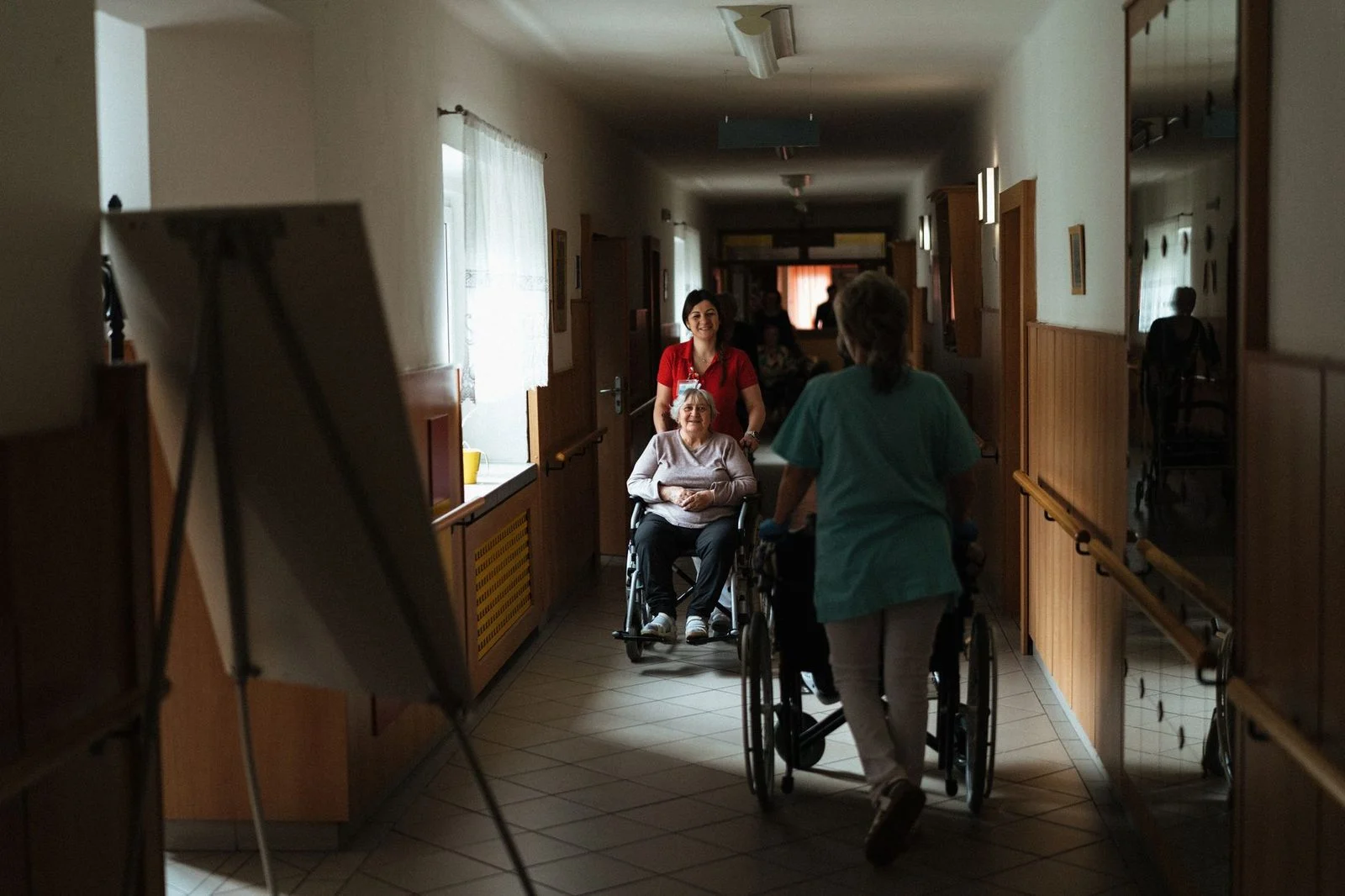
A legal representative usually brings the claim for a resident who can’t make decisions. A resident with dementia may not be able to manage their own affairs or explain what happened. In that case, a court-appointed guardian or conservator often acts for them. The family should confirm who holds that authority early.
If the resident has died, Georgia wrongful death law sets out who may sue. Under O.C.G.A. § 51-4-2, as the statute words it for the homicide of a spouse or parent, a surviving spouse may recover. If there is no surviving spouse, the children may recover. Under O.C.G.A. § 51-4-5, if no one is entitled to sue, the administrator or executor may bring the action for the next of kin.
An injury claim also doesn’t end when the injured person dies. Under O.C.G.A. § 9-2-41, if the plaintiff dies and there is no right of survivorship in any other person, the cause of action shall survive to the personal representative of the deceased plaintiff. If the resident dies and there is no right of survivorship in any other person, the estate may pursue the harm the resident suffered before death.
Abuse and Neglect Commonly Seen in Dementia Care
The problems that come up most often in dementia care include bedsores, falls, dehydration, and medication errors. Families should also watch for unsafe restraint use and wandering from unsecured areas.
The Georgia Department of Community Health oversees long-term care facilities in Georgia.
Residents with dementia may be less able to report mistreatment. A person with memory loss may not remember a fall or name who hurt them. That’s why changes matter. Unexplained weight loss, new bruises, sudden drops in alertness, and worsening wounds deserve prompt attention.
Under O.C.G.A. § 31-8-108, a resident or guardian has the right to participate in the overall planning of care and treatment, and must be informed of this right each time a substantial change in the treatment plan is made. Significant changes in health status must be reported to people the resident chooses within a reasonable time.
What Compensation Families Can Pursue in Georgia
In a Georgia nursing home abuse lawsuit, families can generally seek compensation for medical costs, pain and suffering, and other losses the evidence supports.
General damages are those the law presumes flow from a wrong. They can be recovered without proof of an exact amount, under O.C.G.A. § 51-12-2. Special damages actually flow from the harm and must be proved. Medical bills fall in this second group. Under O.C.G.A. § 51-12-1.1, medical expenses are limited to the reasonable value of medically necessary care.
In any civil action to recover damages resulting from injury or death to a person, special damages for medical and healthcare expenses are recoverable only as provided in O.C.G.A. § 51-12-1.1, and the full value of the decedent’s life is addressed in O.C.G.A. § 51-4-2. Under O.C.G.A. § 51-4-5, when death results from a crime or from criminal or other negligence, the personal representative of the person who died may also recover funeral, medical, and other necessary expenses.
Punitive damages are different. They punish or deter, and they are not meant to compensate. Under O.C.G.A. § 51-12-5.1, they require proof by clear and convincing evidence of willful misconduct, malice, fraud, wantonness, oppression, or that entire want of care which would raise the presumption of conscious indifference to consequences. For other torts, the maximum is $250,000.00.
Fault can reduce a recovery. Under O.C.G.A. § 51-12-33, damages are reduced by the plaintiff’s share of fault. A plaintiff 50 percent or more responsible recovers nothing. Nobody can predict the result of a claim in advance, because each case rests on its own proof.
Evidence Families Should Preserve Early
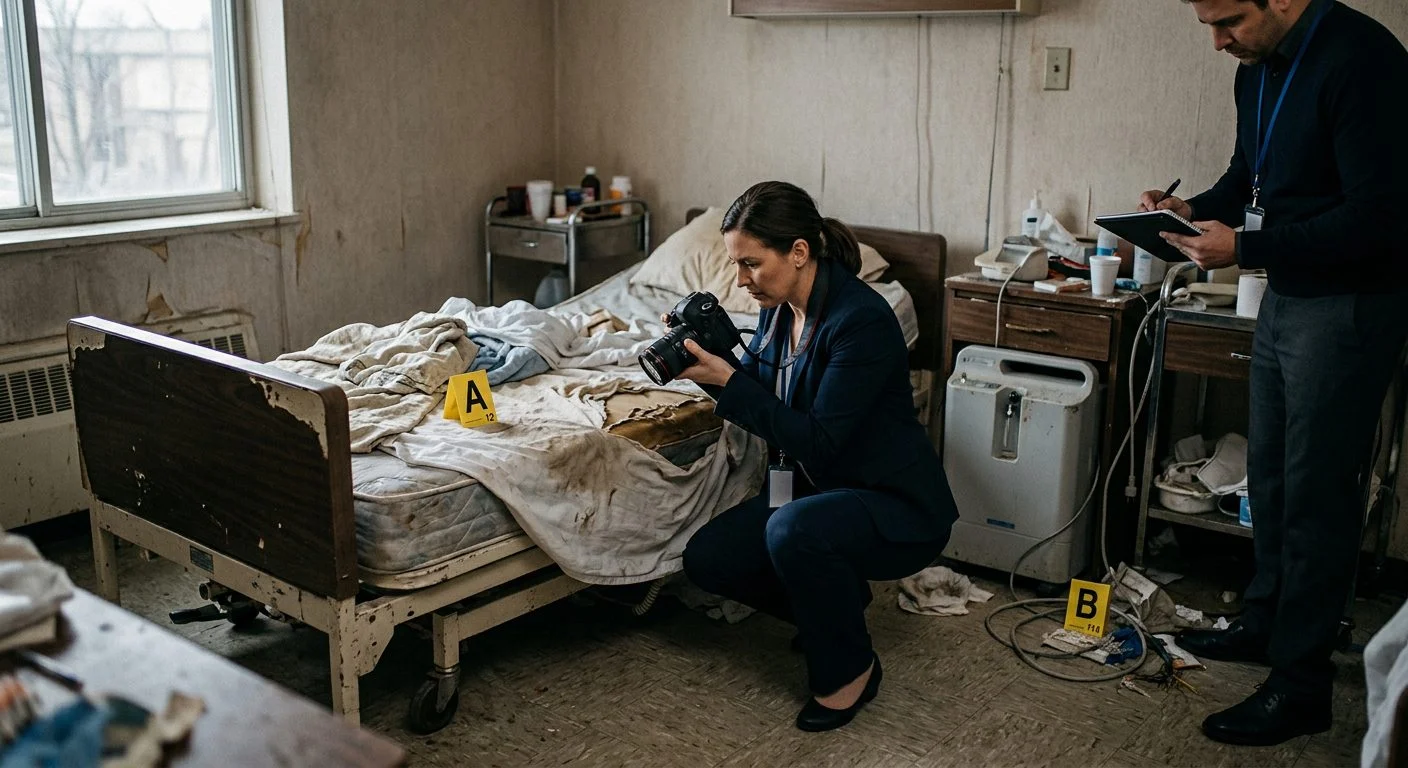
Families should start keeping records as soon as a concern appears. Save admission papers, care plans, medication lists, discharge summaries, and any incident or injury reports the facility gives you. Write down the dates you notice changes, and note the names of staff you speak with.
Photograph visible injuries, bedsores, and living conditions, and keep the dates on each photo. Memory fades. Notes written close to the events carry more weight.
Under O.C.G.A. § 31-8-108, a resident may inspect and receive a copy of the medical records, unless medically contraindicated. The facility may charge a reasonable duplication fee that does not exceed actual cost.
Keep the resident’s belongings and important documents in a safe place. Keep visits calm, and avoid arguments with staff in front of the resident. A lawyer can help identify which records and staffing details matter to the claim.
How Long a Family Has to File and What Happens Next
Georgia generally allows two years to sue for injuries to the person, under O.C.G.A. § 9-3-33. Other deadlines and exceptions may apply. Missing a deadline can end a claim, so families should not wait to ask questions.
A typical case moves through several steps. First comes an investigation and records requests. Next comes a demand to the insurer and negotiation. If those talks don’t resolve the claim, the case may be filed as a lawsuit.
Each step takes time, and the length of a case varies widely. Families should not expect a fixed timeline.
Not sure what your next step is?
Talk it through with our team — the first consultation is free, confidential, and carries no obligation.
Talk With Our Lawyers About Your Family’s Situation
Families in this position often make hard choices in a hurry. Questions about whether to act can feel urgent, and that feeling is common.
What compensation can families recover in a Georgia nursing home abuse lawsuit?
Families may pursue medical costs, pain and suffering, and, after a death, wrongful death damages. The amount depends on the proof in each case.
Can a family sue after a dementia resident dies?
Georgia wrongful death law may allow certain surviving family members to sue, depending on their relationship to the resident. The estate may also pursue harm suffered before death.
Who can file the claim for a resident with dementia?
Often a guardian, a conservator, or a person with authority under a power of attorney acts for the resident. The right person depends on the documents and legal status involved.
How long do families have to act?
Georgia generally allows two years to sue for injuries to the person, with exceptions (O.C.G.A. § 9-3-33; Kenneth B. Cameron v. Jmp Pizza, Inc (2026)). Waiting too long can end a claim.
If your parent with dementia was hurt in a Georgia care home, you may have a claim. Our team invites you to a free, confidential first consultation, with no obligation to continue. Contact us through our contact page.
This page is general information, not legal advice. Peter F. Jaraysi is the responsible lawyer for this page. Slam Dunk Attorney, Duluth, Georgia. Contact: slamdunkattorney.com/contact-us.
Warning signs families often notice
Unexplained injuries
Bruises, fractures, cuts or burns that the facility cannot clearly explain deserve a closer look.
Bedsores and infections
Pressure sores, dehydration or repeated infections can point to neglect of basic daily care.
Sudden changes in behavior
Withdrawal, fear of certain staff, agitation or a sharp decline in mood can signal that something is wrong.
Missed medication or care
Skipped medications, unanswered call lights or lost weight may show that required care is not being provided.
How we approach your family's case
Compassion first
We understand that a nursing home injury affects the whole family, and we take time to listen to your concerns.
Careful review of records
We help families gather and organize medical charts, incident reports and facility documents.
Focus on accountability
Our attorneys work to hold negligent facilities and caregivers responsible for harm to residents.
Clear, plain-language updates
We explain the process in terms you can follow, so you know what to expect at every stage.
Serving Georgia families
We represent families across Georgia, including Atlanta, Lawrenceville, Duluth, Alpharetta, Marietta and Dunwoody.
Protect important records
Keep copies of admission papers, medical records, medication logs, bills and any letters or notes about your loved one's care. Every case is different, and no outcome can be promised, but early documentation can help your family's lawyer review what happened.