
Nursing Home Abuse | Duluth, Georgia
Where to Turn for Help With Nursing Home Abuse in Georgia
If someone you love has been hurt, neglected or mistreated in a care facility, you do not have to figure out the next step alone. Here are the resources available and how our team can help.
By Peter F. Jaraysi · Published October 31, 2026
What Resources Are Available for Elder Abuse in Georgia?
What resources are available for elder abuse? Georgia offers several, and each one does a different job. Call 911 first if an older adult is in immediate danger. After that, state agencies can investigate abuse at home, inspect nursing homes, and help residents with complaints.
If you suspect harm, you may not know which door to knock on first. This guide walks through each option in the order most families need them, from immediate safety to long-term support.
If your parent or grandparent may have been hurt in a facility or during care at home, our team can talk through your options in a free, confidential first consultation. Talk it through with our team — the first consultation is free, confidential, and carries no obligation.
Start With Immediate Safety: When to Call 911
If an older adult is hurt, in danger, or cannot get help, call 911 first. Then report the concern to the agencies below. The Georgia Department of Human Services advises calling 911 when a resident is in immediate danger (Georgia Department of Human Services reporting guide).
Some signs call for an urgent response. These include visible injuries, a sudden change in behavior, or being locked out. They also include being left without food, water, or medicine.
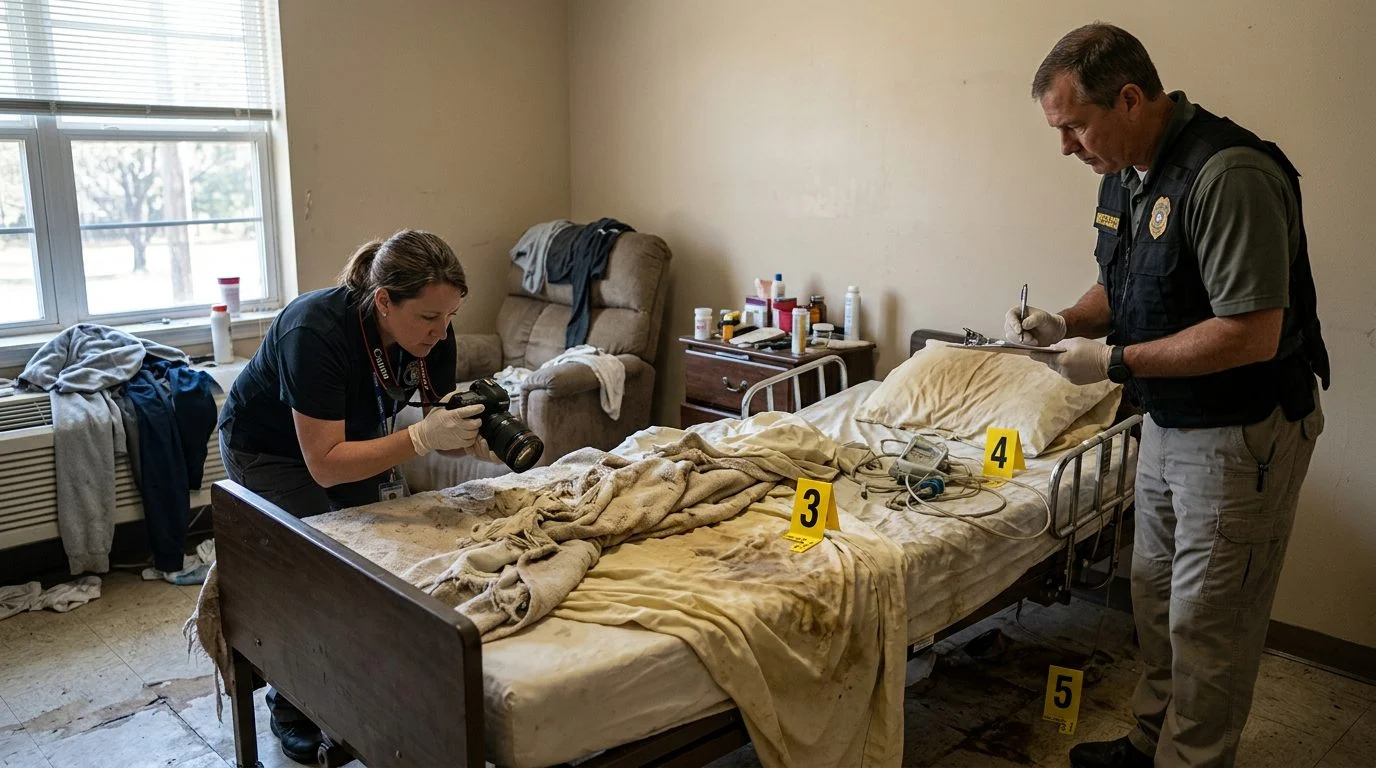
Where it is safe, keep the scene as it is. Don’t wash bedding or throw away pill bottles, food containers, or notes. Take dated photos of injuries and rooms. Do not confront the person you suspect. A confrontation can increase the risk to the older adult and can make it harder to get clear facts.
Reporting Nursing Home Abuse in Georgia
The long-term care ombudsman and facility regulators are key resources when nursing home abuse is suspected. APS takes reports about elder persons and disabled adults who live in private homes or the community. Family members, friends, and professionals can all make a report.
Georgia.gov explains how to report suspected abuse and what happens after a referral (Georgia.gov elder abuse reporting). Read it before you call so you know what details to have ready.
When you report, be specific. Give the older adult’s name and address, the names of people involved, and the dates. Say which things you saw yourself and which you heard from someone else.
Georgia’s laws use terms like “elder persons” and “disabled adults.” The Georgia Bureau of Investigation compares the state’s elder abuse laws, including covered victims and criminal penalties (Georgia elder abuse laws comparison).
Long-Term Care Ombudsman: Help for Nursing Home and Assisted Living Residents
A long-term care ombudsman advocates for residents of nursing homes and assisted living communities. An ombudsman can listen to concerns, explain residents’ rights, and work to resolve complaints. Families can ask for help even if they are not yet sure abuse has happened.
Georgia’s residents’ rights are set out in the Bill of Rights for Residents of Long-term Care Facilities (§ 31-8-100). Each resident must receive care “with reasonable care and skill” and “in compliance with applicable laws and regulations” (§ 31-8-108).
Residents also have the right to have a significant change in their health reported to a person they choose within a reasonable time. They may inspect and receive copies of their medical records, unless medically contraindicated. The facility may charge a reasonable copy fee that does not exceed actual cost (§ 31-8-108).
Ombudsman advocacy is separate from state inspections and criminal investigations. It focuses on the resident’s concerns and on solving problems.
Facility Complaints, State Licensing, and Regulators
The Georgia Department of Community Health oversees long-term care facilities and accepts concerns about resident safety or care (Georgia Department of Community Health long-term care). A complaint can lead to an inspection.
The state may order a facility to correct a violation. If the violation is not corrected within a reasonable time, the state may order the facility to stop admitting residents until it is fixed (§ 31-8-126). For repeated violations under the same license within 12 months, the state may assess, only after notice and hearing, a civil penalty of up to $75 per violation for each day the violation continues, with a maximum of $2,500 per violation.
Those are regulatory steps. A private civil claim is a separate path. A person whose resident rights were violated may sue the facility for damages, and does not have to use administrative remedies first (§ 31-8-126).
Write down every complaint or reference number you receive, along with the name of the person who took it.
Regulator and Ombudsman Resources for Nursing Home Residents
Call local police or the county sheriff when a crime may have happened, such as theft, assault, or fraud. Many metro Atlanta cities sit in Gwinnett, Cobb, Fulton, or DeKalb County. Check which agency covers the older adult’s address.
Watch for sudden changes to accounts, unfamiliar people added as signers or beneficiaries, and unpaid bills even when funds are available. Unexplained withdrawals are another warning sign.
Tell the older adult’s bank or credit union about the suspected exploitation. Ask staff to review recent account activity. Keep copies of every statement and every written request you send.
Not sure what your next step is?
Talk it through with our team — the first consultation is free, confidential, and carries no obligation.
Understanding Nursing Home Resident Rights in Georgia
The Eldercare Locator, a public service of the U.S. Administration on Aging, connects families with local Area Agencies on Aging. These local agencies can help with in-home support, respite care, and caregiver resources.
Support groups and respite programs let family members take a pause. A pause can make it easier to think through the next step.
Families in Lawrenceville, Duluth, Norcross, Johns Creek, Alpharetta, Marietta, Kennesaw, and Dunwoody can start with the Area Agency that serves their county.
Recognizing Signs of Elder Abuse and Neglect, and How to Document Them
Warning signs include unexplained bruises, pressure sores, weight loss, dehydration, poor hygiene, and untreated injuries. Physical signs are often the easiest to describe to someone else.
Behavior can also signal a problem. Look for withdrawal, fear of a particular person, agitation, or sudden depression or confusion. Neglect often shows up as missed medications, soiled bedding, unsafe living conditions, or missed medical appointments.
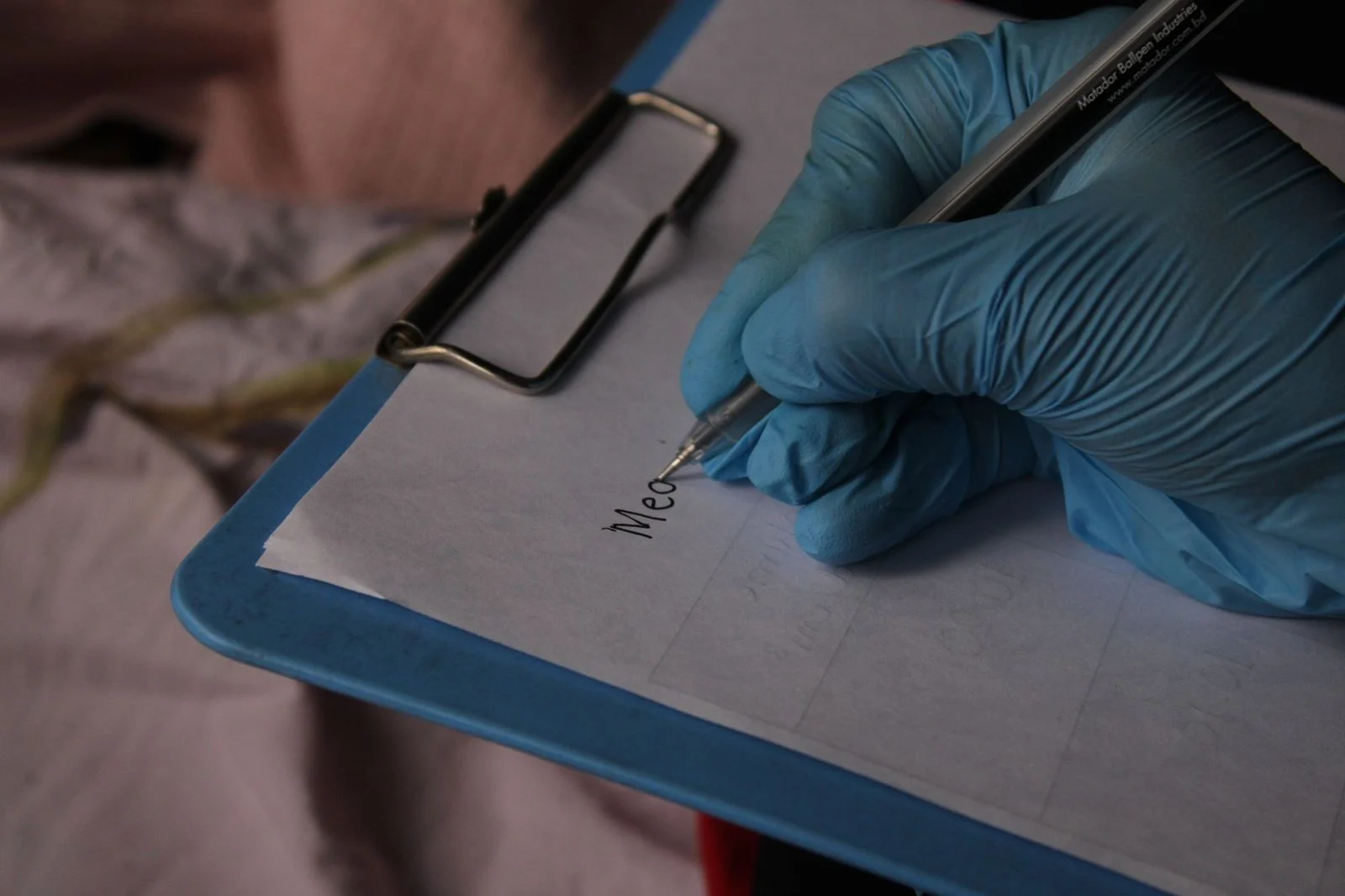
Document what you see. Write down dates, times, and the names of staff or visitors present. Record the exact words used when you can. Take photos where appropriate, and request copies of medical and billing records. Residents have the right to receive copies of their records (§ 31-8-108). O.C.G.A. § 31-8-108 reads: “Each resident shall have access to all information in the medical records of the resident and shall be permitted to inspect and receive a copy of such records unless medically contraindicated.”
In plain terms, a vulnerable adult is an older or disabled person who may have trouble protecting themselves or getting help.
How Families Can Reduce the Risk of Elder Abuse
Families lower the risk by staying involved in daily life. Visit at different times of day, not only at scheduled times. Talk privately with the older adult about how care is going, and listen for hesitation or fear.
Ask facilities direct questions. How is staffing handled on nights and weekends? How are complaints tracked? Who is responsible for each part of your loved one’s care?
Share financial oversight with a trusted person, and review account statements regularly. Keep a current list of medications, doctors, emergency contacts, and care providers. Make sure more than one family member knows where it is kept. A common mistake is relying on one person to see everything.
When a Civil Claim May Be Part of the Picture
Agency reports and a civil claim are separate paths. Agencies investigate and regulate. A civil claim asks a court for compensation for the injured person. Families often ask about a claim after a nursing home injury, a wrongful death, or harm during care.
In Georgia, a personal injury lawsuit generally must be filed within two years after the right of action accrues (§ 9-3-33). For a wrongful death claim, a surviving spouse, or a child or children if there is no surviving spouse, may recover “the full value of the life of the decedent, as shown by the evidence” (§ 51-4-2). The outcome of any claim depends on the facts, and a result can’t be promised in advance. For more on these claims, see our nursing home abuse guide.
What resources are available for elder abuse?
Call 911 for immediate danger. Then contact Adult Protective Services for abuse at home, the Department of Community Health for facility concerns, and police for possible crimes.
How do I report elder abuse in Georgia?
Call 911 if the person is in immediate danger. For other concerns, use the reporting steps explained on Georgia.gov.
How long do I have to file an injury claim in Georgia?
For injuries to the person, you generally have two years after the right of action accrues; injuries to reputation must be brought within one year, and actions for injuries to the person involving loss of consortium within four years. Your situation may differ, so the timing should be reviewed with a lawyer as soon as possible.
Can a nursing home resident get copies of medical records?
Yes. A resident may inspect and receive copies unless medically contraindicated, and the facility may charge a reasonable fee that does not exceed actual cost.
If a parent or grandparent was hurt in a facility or during care at home, you don’t have to sort out your options alone. Our team at Slam Dunk Attorney offers a free, confidential first consultation, without any obligation to continue. You can reach out through our contact page.
Responsible lawyer: Peter F. Jaraysi, Slam Dunk Attorney, Duluth, Georgia. This page is general information and is not legal advice.
How Our Firm Can Help
Focused on Nursing Home Abuse
Our firm focuses on personal injury matters, including nursing home abuse and neglect, for families across metro Atlanta and Georgia.
Help Organizing Records
We can help you think through the medical records, facility paperwork and incident reports that may matter in your situation.
Plain-Language Answers
We explain your options in clear terms so you can make decisions with confidence and at your own pace.
Compassionate Support
We understand that this is a difficult time for your family, and we treat every conversation with care and respect.
Call 911 If Someone Is in Danger
If a resident is in immediate danger or needs emergency medical care, call 911 first. Then report the concern to the appropriate agency and speak with a lawyer about what happened.
Resources for Reporting Nursing Home Abuse in Georgia
911 for Emergencies
Call 911 if a resident is in immediate danger, has been seriously hurt, or needs urgent medical care.
Facility Regulators
Concerns about a nursing home or other licensed care facility can be reported to the Georgia Department of Community Health, which oversees facility standards.
Adult Protective Services
Abuse, neglect or exploitation of an older or vulnerable adult, especially when it occurs outside a facility, can be reported to Adult Protective Services.
Local Police
If you believe a crime has occurred, such as assault, theft or financial exploitation, you can report it to local law enforcement.
Long-Term Care Ombudsman
Ombudsman programs advocate for residents of long-term care facilities and help families raise concerns with facility staff.
Your Own Records
Write down what you observed, keep dates and names, save photos and messages, and request copies of medical and facility records.