
Nursing Home Abuse in Kennesaw
Protect Your Loved One: Recognizing Nursing Home Abuse
If you've noticed sudden changes, unexplained injuries, or signs of neglect, you need to know your options under Georgia law.
By Peter F. Jaraysi · Published September 18, 2026
Nursing Home Abuse in Kennesaw: What Families Need to Know
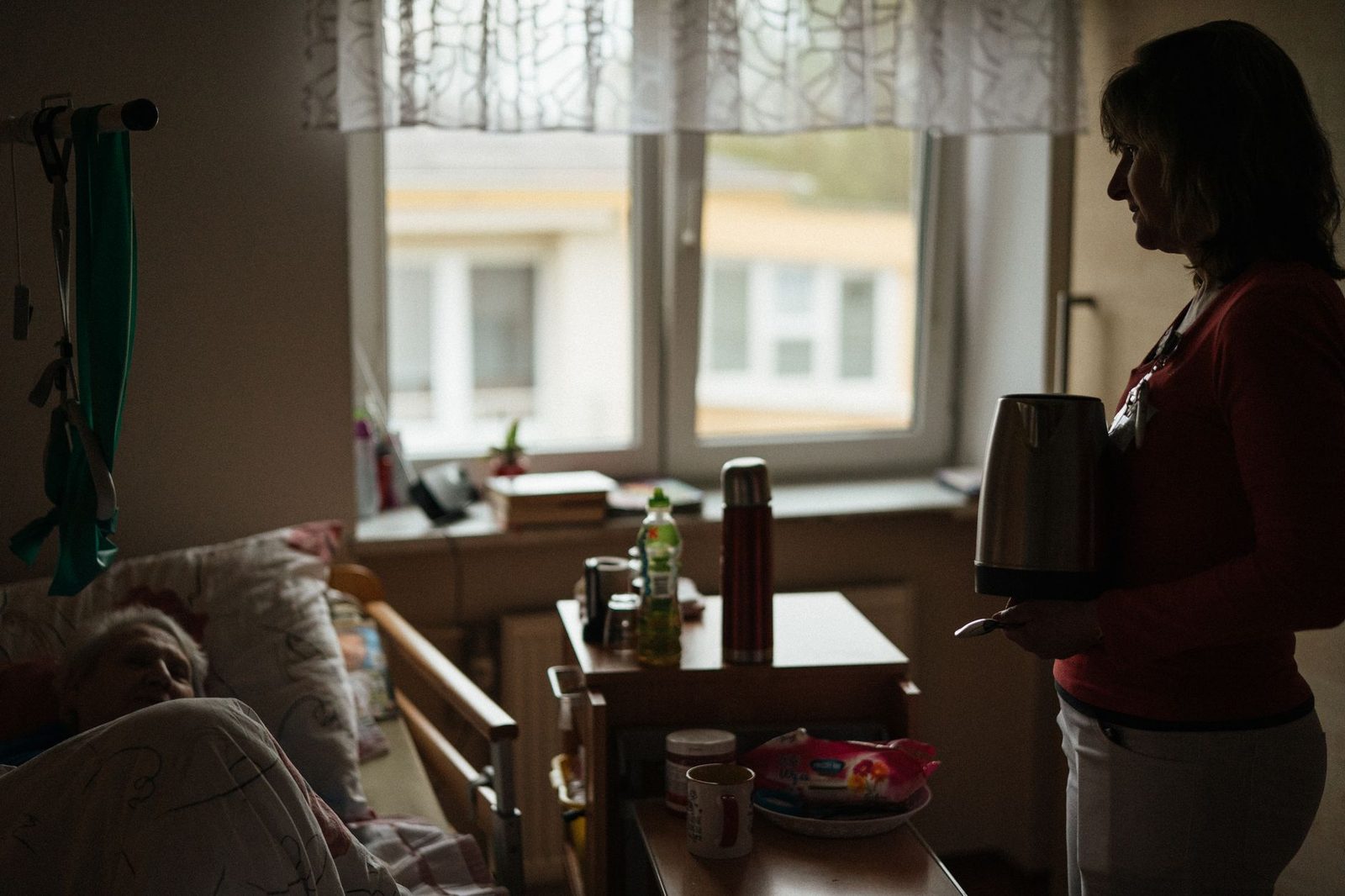
If you’ve noticed sudden changes in your parent’s mood, unexplained bruises, or signs of neglect at their Kennesaw nursing home, you’re not alone—and your concerns are valid. Nursing home abuse and neglect happen more often than many families realize, and recognizing the warning signs early can make the difference in protecting your loved one and holding the facility accountable under Georgia law.
Not sure what your next step is?
Talk it through with our team — the first consultation is free, confidential, and carries no obligation.
Nursing Home Abuse in Kennesaw: A Growing Concern for Georgia Families
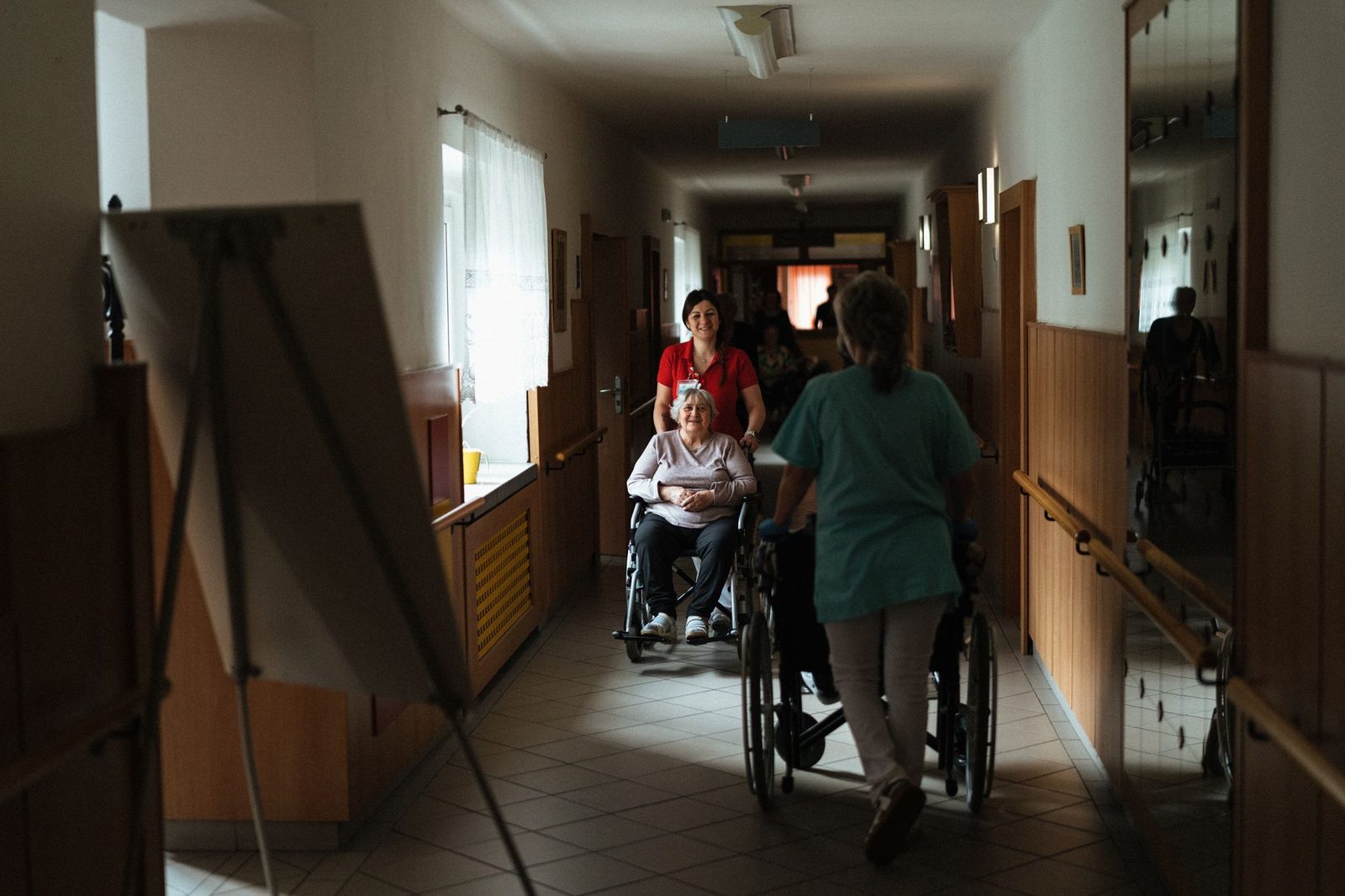
Kennesaw families entrust nursing homes and assisted living facilities with the care of their most vulnerable relatives. When that trust is broken through abuse, neglect, or exploitation, the emotional and physical toll can be devastating. Many families don’t realize what they’re seeing until it’s too late—a withdrawn parent, unexplained weight loss, or a staff member’s defensive reaction to a simple question.
The difference between abuse, neglect, and inadequate care matters legally and ethically. Abuse is intentional harm—physical violence, sexual assault, or emotional cruelty. Neglect is the failure to provide necessary care—missed medications, untreated wounds, or denial of food and water. Inadequate care can include both, or it can reflect systemic failures like understaffing or poor training.
Under Georgia law, nursing home facilities have a duty of care to residents that includes protection from abuse, neglect, and exploitation, and violations can result in civil liability. Your family has the right to hold these facilities accountable when they fail to meet that duty.
Types of Nursing Home Abuse and Neglect in Kennesaw
Abuse in nursing homes takes many forms, and not all of them leave visible marks.
Physical abuse includes unexplained injuries, fractures, restraint marks, bruising, and burns that cannot be explained by the resident’s medical condition or documented incidents. A resident who was mobile and now has broken bones, or who shows signs of being restrained, deserves immediate investigation.
Emotional and psychological abuse involves isolation from family, intimidation, humiliation, and deliberate withholding of communication. This type of abuse often goes unreported because it leaves no visible marks, but it causes real psychological harm. A parent who suddenly refuses to talk about their day or expresses fear of specific staff members may be experiencing this form of mistreatment.
Neglect constitutes failure to provide adequate nutrition, hydration, hygiene, medication management, or medical care. Preventable conditions such as pressure ulcers (bedsores), infections, and malnutrition are hallmarks of neglect. In the nursing home cases our attorneys handle, we frequently see residents with untreated wounds, medication confusion, and signs of dehydration that should never have occurred in a facility with adequate staffing and oversight.
Financial exploitation includes unauthorized transfers of funds, missing personal belongings, forged signatures on legal documents, and unexplained charges to resident accounts. An elderly parent’s sudden inability to afford basics, or missing jewelry and cash, warrants immediate attention.
Sexual abuse and inappropriate contact are serious crimes that occur in facilities with inadequate security and supervision. Any disclosure or sign of sexual misconduct must be reported immediately.
Medication errors and inadequate medical oversight constitute a form of neglect when facilities fail to administer prescribed medications correctly, monitor residents for adverse reactions, or communicate with physicians about changes in a resident’s condition.
Red Flags That Suggest Your Loved One May Be Experiencing Abuse
Pay attention to sudden changes in your loved one’s physical appearance, behavior, and emotional state.
Behavioral changes are often the first sign: withdrawal from activities they once enjoyed, fear or anxiety around certain staff members, aggression, or reluctance to discuss their day at the facility. A parent who was social and engaged but now refuses to talk about the nursing home deserves your investigation.
Physical signs include unexplained injuries, bruises in various stages of healing, weight loss, poor hygiene, torn or soiled clothing, and signs of restraint. Don’t accept vague explanations like “they fell” without documentation or medical records to back it up.
Emotional indicators include reluctance to discuss specific staff members, fear of particular caregivers, or anxiety when certain people enter the room. Your loved one may not have the cognitive ability to report abuse directly, but their body language and emotional responses can tell you something is wrong.
Medical neglect shows up as untreated infections, pressure wounds that worsen despite being in a facility, confusion about medications, or missed medical appointments. A resident in a nursing home should not develop preventable infections or bedsores.
Financial red flags include sudden account transfers, missing valuables, unexplained bills, or your loved one suddenly having less money than they should. Ask to review bank statements and account activity regularly.
Staff behavior that raises concerns includes defensive responses to your questions, attempts to restrict your visiting hours, discouraging family involvement, or staff members who seem uncomfortable when you ask about your loved one’s care. Transparent facilities welcome family oversight.
What Georgia Law Says About Nursing Home Abuse
Georgia nursing homes must meet federal quality standards enforced by the Centers for Medicare & Medicaid Services (CMS), including requirements for adequate staffing, infection control, and resident rights protections. These standards exist to protect residents from abuse and neglect.
Under Georgia law, facilities have a legal duty of care to their residents. When they breach that duty through abuse, neglect, or exploitation, they can be held civilly liable for damages. This means your family may have the right to pursue a claim for compensation.
Georgia families also have the right to file formal complaints with the Georgia Department of Community Health regarding suspected nursing home abuse, neglect, or regulatory violations. These complaints trigger state investigations and can result in fines, citations, or loss of licensure for the facility.
The statute of limitations for nursing home abuse claims in Georgia varies depending on the type of claim and whether the resident is deceased. Consulting with an attorney experienced in these cases is essential to ensure you don’t miss critical deadlines.
Steps to Take If You Suspect Nursing Home Abuse in Kennesaw
If you suspect your loved one is being abused or neglected, act quickly and deliberately.
Document everything: Write down dates, times, specific injuries or behavioral changes, names of staff members involved, and what was said. Take photographs of unexplained injuries or poor conditions. Preserve all medical records, facility communications, and incident reports. This documentation is critical evidence.
Report to facility management: Notify the nursing home’s management in writing and request a formal investigation. Keep a copy of your report and note the date and person you spoke with.
File a complaint with the Georgia Department of Community Health: This triggers a state investigation independent of the facility’s internal review. Provide as much detail as possible about your concerns.
Seek immediate medical evaluation: If your loved one is injured or showing signs of abuse, have them evaluated by a physician outside the facility. Get copies of all medical records and imaging.
Preserve evidence: Photographs, medical records, facility communications, and witness statements are all valuable. Don’t allow the facility to destroy or alter records.
Consult with an attorney: An attorney experienced in nursing home abuse cases can evaluate your claim, advise you on your rights, and guide you through the process of holding the facility accountable.
Not sure what your next step is?
Talk it through with our team — the first consultation is free, confidential, and carries no obligation.
Why Families Choose Slam Dunk Attorney for Nursing Home Abuse Cases
Our team has deep knowledge of Kennesaw and metro Atlanta nursing home facilities. We understand the regulatory landscape, the common failures that lead to abuse and neglect, and how to investigate and prove these cases. We work with families who discovered abuse too late and families who caught it early—and we know what it takes to hold facilities accountable.
We approach every case with compassion and transparency. We listen to your story, answer your questions honestly, and explain your options in plain language. We don’t make promises about outcomes, but we do commit to thorough investigation and expert medical review of your claim.
We work on contingency for qualifying cases, which means no upfront fees. You don’t pay unless we recover compensation for you. We also handle case costs responsibly and discuss them openly with you.
Your Next Step: A Free Case Review
When you reach out to Slam Dunk Attorney, we’ll listen to what happened and ask questions to understand your situation. We’ll explain what we’d need to investigate your claim, how we evaluate nursing home abuse cases, and what your options are. There’s no obligation—just honest guidance about your situation and your rights.
FAQ
What should I do if I find unexplained injuries on my loved one? Document the injury with photographs, note the date and location, ask the facility for an explanation in writing, and seek medical evaluation from a physician outside the facility to rule out abuse.
How do I report nursing home abuse to Georgia regulators? File a complaint with the Georgia Department of Community Health. You can also contact local law enforcement if you suspect criminal abuse.
Can I sue a nursing home for abuse in Georgia? Yes. If a facility’s negligence or intentional misconduct caused harm to your loved one, you may have grounds for a civil claim seeking compensation for damages.
What is the statute of limitations for a nursing home abuse claim in Georgia? The deadline depends on the type of claim and circumstances. Consulting with an attorney is essential to ensure you don’t miss your deadline.
How much does it cost to hire an attorney for a nursing home abuse claim? We work on contingency for qualifying cases, meaning you pay no upfront fees. We discuss case costs openly and transparently with every client.
If you’ve noticed unexplained injuries, behavioral changes, or signs of neglect in your loved one since they entered a Kennesaw nursing home, you may have grounds to pursue accountability. Families in your situation can reach out to us. Request a free consultation today to discuss what happened and learn about your rights under Georgia law.
Warning Signs of Nursing Home Abuse
Physical Signs
Unexplained bruises, welts, broken bones, poor hygiene, or signs of restraint use without medical justification.
Behavioral Changes
Sudden withdrawal, fear around staff, depression, anxiety, or reluctance to discuss facility conditions.
Neglect Indicators
Malnutrition, dehydration, untreated medical conditions, medication errors, or lack of basic care.
Financial Red Flags
Unexplained withdrawals, missing valuables, or sudden changes to wills or financial accounts.
Why Families Turn to Slam Dunk Attorney
We Focus on Nursing Home Abuse Cases
We represent families across the Kennesaw area and metro Atlanta who believe their loved ones have been harmed in care facilities.
We Understand What You're Going Through
Discovering abuse is traumatic. We listen, answer your questions, and guide you through your options in plain language.
We Handle the Legal Work
From investigating the facility to negotiating with insurers, we manage the case so you can focus on your family.
We Know Georgia Law
Based in Duluth, we represent clients throughout Kennesaw, Johns Creek, Alpharetta, and across Georgia.
Time Matters
Evidence can disappear and memories fade. If you suspect abuse, document what you've observed and contact us promptly to discuss your situation.
What to Do If You Suspect Abuse
Document Everything
Write down dates, times, injuries, behavioral changes, and conversations with staff. Take photos if safe to do so.
Report to the Facility
Notify the nursing home administrator and request a written response. Keep copies of all communications.
Seek Medical Attention
Have your loved one examined by a physician outside the facility to create an independent medical record.
Contact an Attorney
Reach out to us for a free consultation. We'll review your situation and explain your legal options.
Your Family Deserves Answers and Accountability
Related practice areas
- Nursing Home Abuse in Norcross: Know the Signs