
Nursing Home Injury Claims
When a Fall Isn't Just an Accident
If negligent care at a Georgia nursing home caused your loved one to fall and be injured, you may have a claim for damages. We help families hold facilities accountable.
By Peter F. Jaraysi · Published September 21, 2026
Nursing Home Fall Injury Claims in Georgia
A nursing home fall injury claim is a legal action to recover damages when a resident is injured in a fall caused by the facility’s negligence, inadequate supervision, or failure to maintain safe premises. The key distinction is this: not every fall is the nursing home’s fault, but if the facility breached its duty of care—and that breach caused your loved one’s injury—you may have a valid claim.
If your loved one was injured in a nursing home fall and you're wondering whether the facility's actions—or inactions—played a role, that's exactly the kind of situation our team evaluates every week. Talk it through with our team — the first consultation is free, confidential, and carries no obligation.
What Is a Nursing Home Fall Injury Claim?
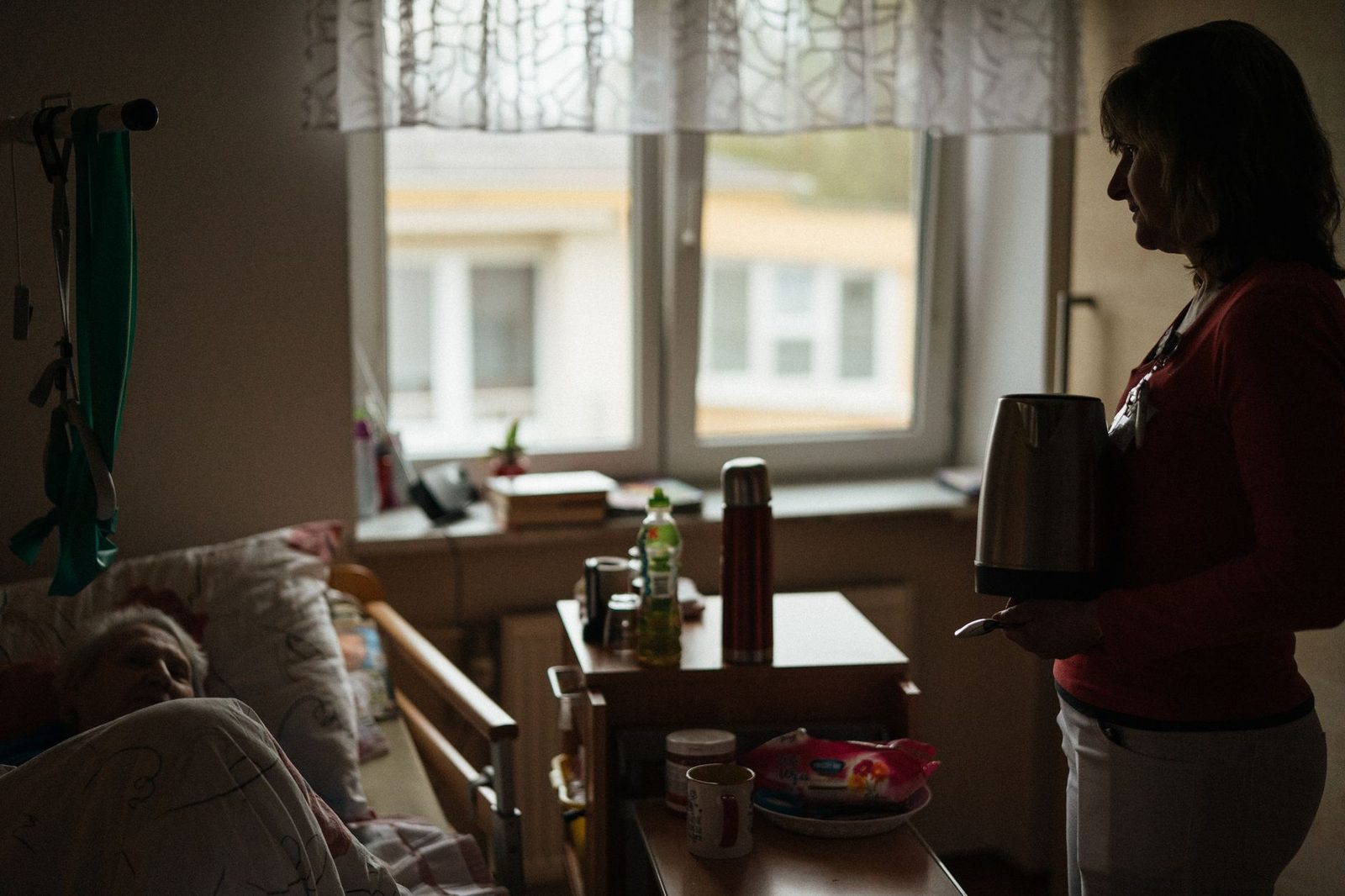
A nursing home fall injury claim holds a facility legally responsible when negligence contributes to a resident’s fall and resulting harm. This is different from an accidental fall. The question isn’t whether a fall happened—it’s whether the facility failed to prevent it.
Nursing homes owe residents a heightened duty of care. This means they must:
- Assess each resident’s fall risk during admission and ongoing care
- Provide adequate supervision based on individual needs
- Maintain safe premises (grab bars, non-slip flooring, clear pathways)
- Respond promptly to known mobility or balance issues
- Manage medications that increase fall risk
- Document fall incidents and communicate risks to staff
Common scenarios where negligence occurs include unattended residents left without assistance, missing or broken safety equipment, wet or cluttered floors, medication side effects affecting balance without precautions, inadequate staffing levels, and failure to follow the resident’s documented care plan.
Who These Claims Are For
Nursing home fall injury claims are for:
- Adult children and family members of residents injured in preventable falls
- Residents themselves (or their legal representatives if the resident cannot act) who suffered injuries due to facility negligence
- People who have already incurred significant medical bills, ongoing care costs, or experienced a loss of quality of life as a result of a fall
If your loved one is struggling with pain, mobility loss, or complications from a nursing home fall, and you suspect the facility’s actions or inactions contributed, this claim may apply to your situation.
What Negligence Looks Like in Nursing Home Falls
Negligence in a nursing home fall occurs when the facility fails to meet the standard of care a reasonable facility would provide. Federal nursing home regulations under the Centers for Medicare & Medicaid Services (CMS) require facilities to assess and monitor resident fall risk, maintain safe environments, and respond to known mobility or balance issues—violations of these standards can establish negligence in a fall injury claim.
Examples of negligent acts include:
- Failure to assess fall risk during admission or when a resident’s condition changes
- Inadequate supervision or staffing levels that prevent staff from monitoring high-risk residents
- Missing or broken safety equipment such as grab bars, bed rails, or non-slip flooring
- Failure to respond to known issues like mobility problems, balance disorders, or cognitive decline
- Unsafe medication management that increases fall risk without proper precautions or monitoring
- Failure to document or communicate fall incidents or risks to all staff members
- Unsafe room or facility layout that creates unnecessary hazards
Pre-existing health conditions do not shield a nursing home from liability. In fact, residents with mobility or balance issues require more supervision and safety measures, not less. If the facility failed to provide heightened care to a resident with known vulnerabilities, that strengthens your negligence claim.
What Your Claim Can Cover
Damages in a nursing home fall injury claim may include:
- Medical expenses: emergency care, hospitalization, surgery, rehabilitation, physical therapy, and ongoing treatment
- Pain and suffering: physical pain, emotional distress, loss of independence, and reduced quality of life
- Lost wages: if the resident was still working, or if family members lost income providing care
- Long-term care costs: if the fall resulted in permanent disability requiring additional assistance or facility care
- Punitive damages: in cases of gross negligence or willful misconduct, Georgia law allows punitive damages to punish the facility and deter similar conduct
We cannot predict a specific settlement or verdict amount. The value of your claim depends on the severity of injury, medical costs, the resident’s age and life expectancy, the strength of evidence of negligence, and other case-specific factors. We provide a realistic assessment after investigation.
How the Nursing Home Fall Injury Claims Process Works
Understanding what to expect helps you make an informed decision. Here’s how we handle these cases:
Step 1 – Free Consultation
You describe what happened. We listen and ask clarifying questions about the fall, the resident’s condition before and after, how the facility responded, and any incident reports or documentation you have. This conversation helps us determine whether we can help.
Step 2 – Investigation
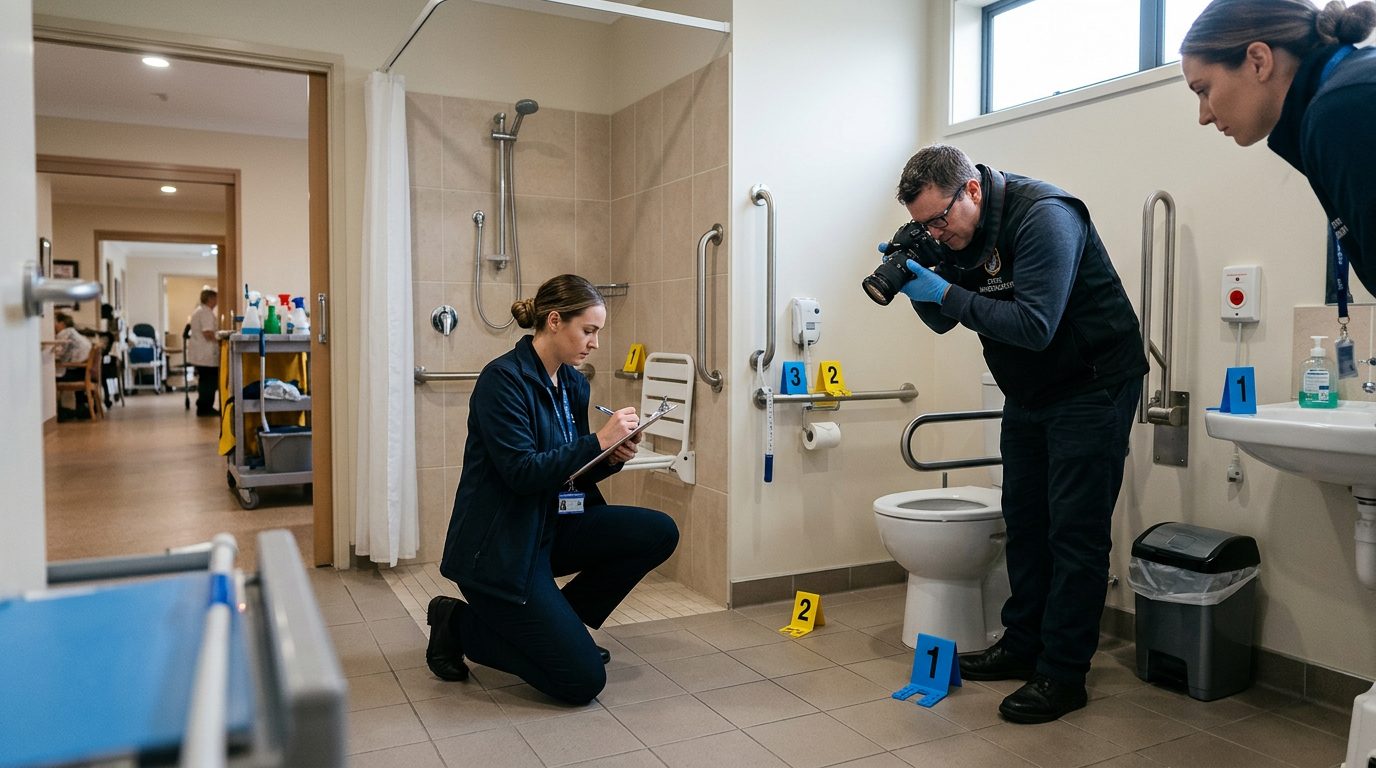
We obtain medical records, incident reports, facility policies, staffing records, the resident’s care plan, and any surveillance footage. We review what the facility knew about the resident’s fall risk and what they should have done to prevent the fall.
Step 3 – Expert Review
We consult with medical professionals to establish causation (whether the facility’s negligence caused the injury) and whether the facility met the standard of care. Expert testimony strengthens your case.
Step 4 – Demand Letter
We send a detailed letter to the facility’s insurance company outlining the negligence, the damages, and our settlement demand. This opens formal settlement negotiations.
Step 5 – Negotiation
We work toward a fair settlement. Most nursing home fall injury claims resolve without trial through negotiation.
Step 6 – Litigation (if needed)
If settlement talks stall, we file a lawsuit and represent you through discovery (exchanging evidence), depositions (witness interviews), and trial if necessary.
Timeline: Initial investigation typically takes 2–4 months. Settlement negotiations can take 3–6 months or longer. Litigation adds 12–24 months depending on court schedules.
Not sure what your next step is?
Talk it through with our team — the first consultation is free, confidential, and carries no obligation.
Why Slam Dunk Attorney Handles These Cases
Nursing home abuse and negligence is a core practice area for our firm. We focus on premises liability and negligent security in care facilities across metro Atlanta and Georgia.
Here’s what sets us apart:
- Deep knowledge of Georgia law: We understand premises liability law and the heightened duty of care owed by nursing homes under Georgia law.
- Experience obtaining facility records: We know how to obtain and interpret staffing logs, care documentation, incident reports, and surveillance footage—evidence that proves negligence.
- Relationships with medical experts: We work with physicians and specialists who can testify about causation and whether the facility met the standard of care.
- Local presence and court knowledge: We are based in Duluth, Georgia, and serve families across metro Atlanta and Georgia. We understand local courts, judges, and opposing counsel.
- Contingency fee arrangement: You pay no attorney fees unless we recover compensation for you. You may owe case costs (such as expert fees, court filing fees, and record retrieval); we discuss this upfront and transparently.
Questions Families Often Ask
Is my loved one’s fall automatically the nursing home’s fault?
No. Falls happen. But if the facility failed to assess fall risk, provide adequate supervision, maintain safe premises, or respond appropriately to known risks, that negligence may make them liable. We investigate to determine whether the facility breached its duty of care.
How long do I have to file a claim?
Georgia law generally allows two years from the date of injury to file a lawsuit. However, we recommend acting sooner—evidence is fresher, witnesses are more available, and early investigation strengthens your case.
What if my loved one signed a liability waiver when admitted?
Nursing homes cannot use waivers to escape liability for their own negligence or abuse. Georgia law does not enforce such waivers in this context. We can advise you on how any admission documents affect your claim.
Will this case go to trial?
Most nursing home fall injury claims settle before trial. However, if the facility’s insurance company refuses a fair offer, we are prepared to litigate. We will discuss the risks and benefits of settlement versus trial as your case develops.
What if my loved one had pre-existing health conditions?
Pre-existing conditions do not shield the nursing home from liability if they failed in their duty of care. In fact, residents with mobility or balance issues often require more supervision and safety measures. We account for the resident’s full medical history when building your case.
How much is my case worth?
We cannot predict a settlement or verdict amount. The value depends on the severity of injury, medical costs, the resident’s age and life expectancy, the strength of evidence of negligence, and other factors. We provide a realistic assessment after investigation.
What to Do Now
If you believe your loved one’s nursing home fall was caused by facility negligence, take these steps:
- Gather documents: Collect incident reports from the facility, medical records, photos of the fall scene (if available), and written notes on what happened and when.
- Preserve evidence: Do not discard the resident’s clothing or shoes from the day of the fall. Ask the facility for all incident reports and surveillance footage in writing.
- Document the impact: Keep records of medical treatment, ongoing symptoms, medications, therapy, and how the fall has affected the resident’s daily life and independence.
- Contact us: Call or request a free consultation to discuss your situation with an attorney who understands nursing home negligence and premises liability.
If your loved one was injured in a nursing home fall and you’re wondering whether the facility’s actions—or inactions—played a role, that’s exactly the kind of situation our team evaluates every week. Reach out for a free consultation. We’ll listen to what happened, answer your questions, and let you know whether we can help recover the compensation your family deserves.
Request a Free Consultation or call us today to discuss your case.
Why Nursing Home Falls Matter Legally
Facilities Have a Duty of Care
Nursing homes are required by law to maintain safe premises, provide adequate supervision, and prevent foreseeable harm to residents. When they fall short, they may be liable for injuries that result.
Not Every Fall Is Negligence
A fall alone doesn't mean the facility is at fault. We investigate whether the home breached its duty of care—through inadequate staffing, failure to address known hazards, or lack of proper supervision—and whether that breach caused the injury.
Evidence Tells the Story
Medical records, incident reports, facility policies, staffing logs, and maintenance records often reveal whether negligence played a role. We gather and analyze this evidence to build your claim.
We Understand the Impact
A serious fall can mean broken bones, head injuries, infections, and loss of independence. We listen to your family's experience and pursue fair compensation for medical costs, pain, and other damages.
What We Look For in a Nursing Home Fall Claim
Inadequate Supervision
Residents who need assistance were left unattended, or staff failed to respond to known risks like mobility problems or confusion.
Unsafe Premises
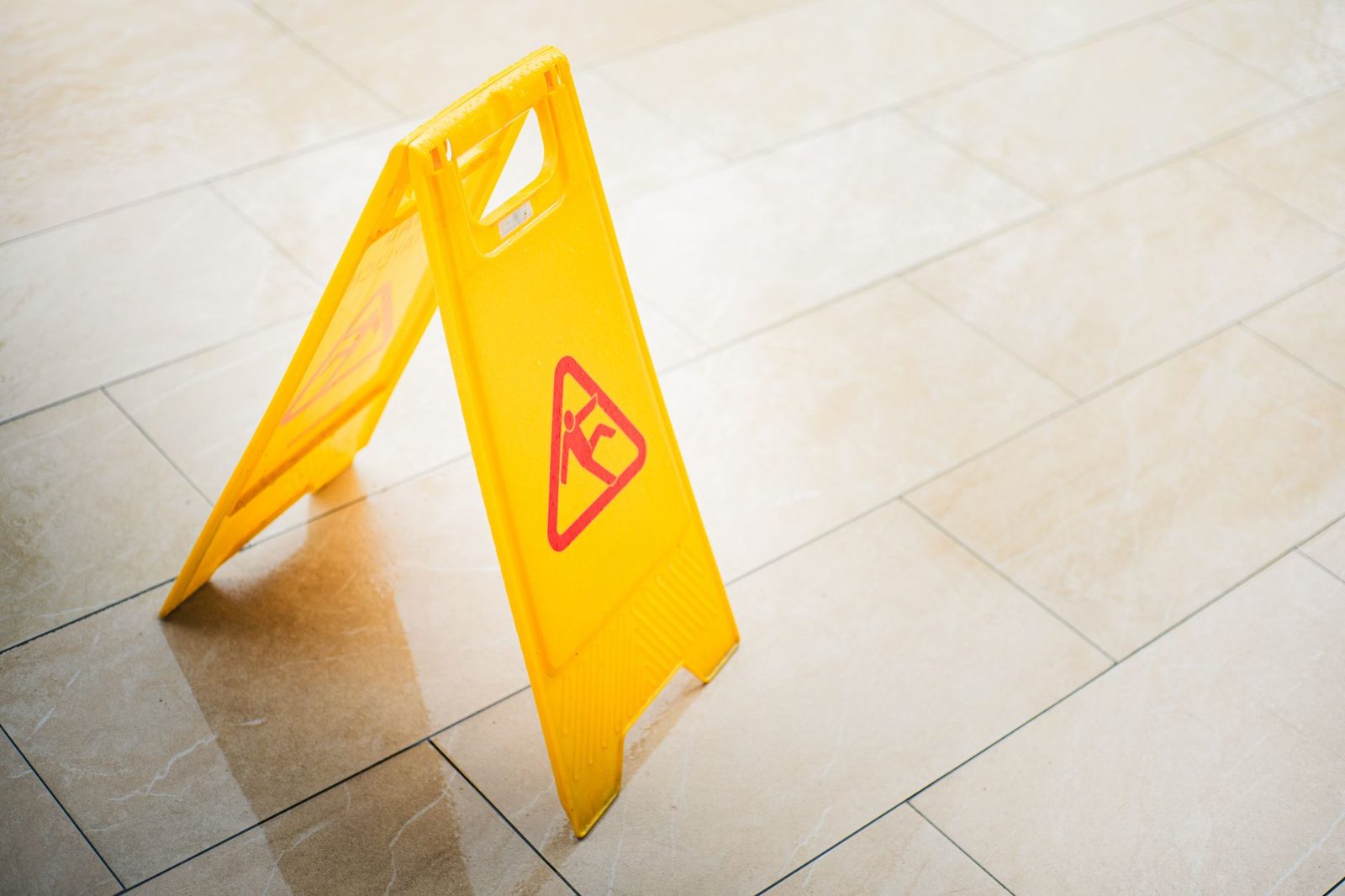
Hazards such as poor lighting, broken handrails, clutter, wet floors, or lack of grab bars created a foreseeable risk of falling.
Failure to Prevent Falls
The facility knew a resident was at high risk of falling but did not implement proper precautions, monitoring, or care protocols.
Staffing and Training Issues
Understaffing, inadequate training, or failure to follow established safety procedures contributed to the fall or delayed response.
Time Matters
Nursing home fall claims are subject to legal deadlines. The sooner you reach out, the sooner we can preserve evidence, review records, and advise you on your options. Do not delay.