
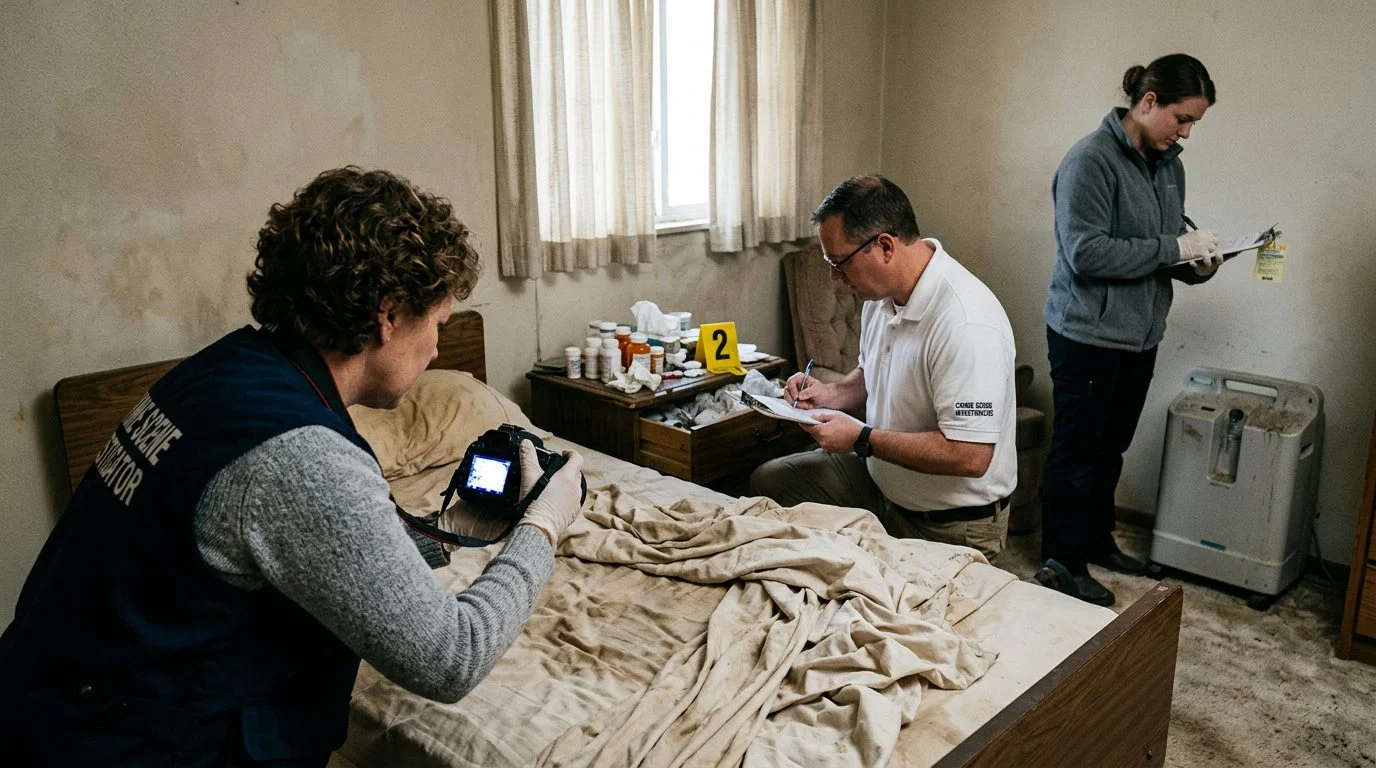
Nursing Home Abuse | Duluth, Georgia
Nursing Home Abuse Lawyers Helping Georgia Families Seek Accountability
When a loved one is hurt or neglected in a nursing home or care facility, you do not have to figure out the next step alone. Our lawyers at Slam Dunk Attorney listen first, explain your options in plain language, and help families across Atlanta and Georgia pursue answers.
By Peter F. Jaraysi · Published October 29, 2026
A nursing home abuse lawyer helps families look into harm a resident suffered in a care facility. Georgia law requires residents to receive adequate and appropriate care, and families can raise concerns when it falls short. This page explains the warning signs, what a claim can cover, how the process works, and the time limit to act. Slam Dunk Attorney offers a free, confidential first consultation with no obligation to continue.
What a Nursing Home Abuse Claim Is and Who It Is For
A nursing home abuse claim seeks compensation for harm a resident suffered because a facility or its staff failed to protect them. Abuse is intentional harm. Neglect is a failure to provide required care, such as food, water, hygiene, supervision, medication, or medical attention.
Nursing home residents can be harmed by abuse, neglect, and exploitation. Abuse can involve conduct that causes physical harm, pain, or mental anguish.
Georgia law says each resident must receive care that is “adequate and appropriate,” given with “reasonable care and skill” (Georgia resident rights law).
A claim may involve the facility, its staff, a contractor, or the company that owns or runs it. The right defendant depends on the facts. Adult children, spouses, and other relatives often reach out first. When a resident has died, the personal representative, the person who manages the estate, may bring a claim.
Not sure what your next step is?
Talk it through with our team — the first consultation is free, confidential, and carries no obligation.
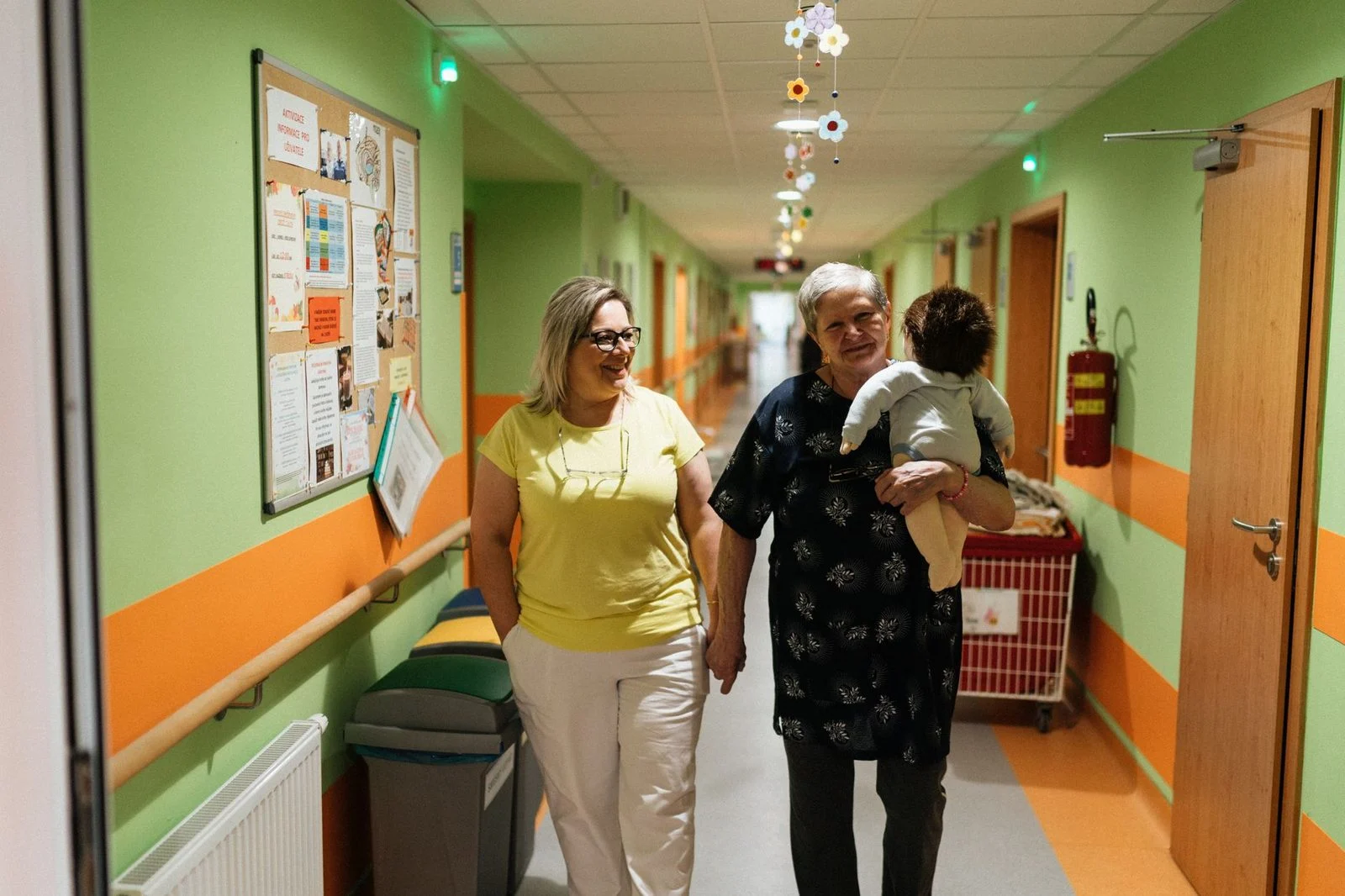
Warning Signs of Nursing Home Neglect or Abuse
The most important warning signs are new injuries, sudden health changes, and a resident who seems afraid. Watch for:
- Pressure injuries (bedsores) that appear or get worse
- Bruises, fractures, or falls with no clear explanation
- Dehydration, sudden weight loss, or poor hygiene
- Missed, late, or wrong medications
- Delayed medical care
- Withdrawal, mood changes, or fear of a certain staff member
Bedsores often form when a person stays in one position too long without being moved or checked. The stage of a sore and how fast it worsens matter, so write down dates.
Residents have the right to take part in care planning. They must be told about significant health changes within a reasonable time (Georgia resident rights law). If those steps were skipped, write that down too.
Keep a dated log, photos of injuries, and copies of care plans and facility messages.
What a Nursing Home Abuse Claim Can Cover
A claim can seek money for medical costs caused by the harm, and for other losses the facts support. Medical expenses are limited to the reasonable value of medically necessary care, as decided by the jury or judge (Georgia damages law).
Georgia treats some losses differently. Losses that must be proved with records are called special damages. Losses the law presumes from the harm are called general damages (Georgia damages law). When the whole injury is to peace, happiness, or feelings, impartial jurors decide the amount (Georgia damages law).
If a resident dies, Georgia allows the surviving spouse, or the children if there is no spouse, to recover the full value of the life. The amount must be shown by evidence (Georgia wrongful death law). When no one else may sue, the administrator or executor can bring the action for the next of kin (Georgia wrongful death law).
Programs such as Medicaid or Medicare may have paid some bills. Those payments are part of the review. The value of any claim depends on the facts, the injuries, and the records.
How a Nursing Home Abuse Claim Works, Step by Step
The process starts with a first consultation, then moves to records, review, and a claim or lawsuit if the facts support one. Timelines vary with the records and the parties involved.
- First consultation. You share what you have seen, the resident’s condition, and any papers you hold.
- Records. A resident has the right to see and copy medical records. The copying fee may not exceed actual cost (Georgia resident rights law). We also request medication logs, incident reports, staffing records, and care plans.
- Review. Medical professionals help explain whether the care met accepted standards.
- Claim. We notify the responsible parties and insurers. Negotiation may resolve the matter if the facts support it.
- Lawsuit, if needed. A suit is filed in the proper Georgia court. Discovery, mediation, and trial are possible steps.
Our team keeps families informed at each stage.
How Long Families Have to File in Georgia
Georgia generally gives two years after the right of action accrues to bring a claim for injuries to a person (O.C.G.A. § 9-3-33; Georgia filing deadlines). Loss of consortium claims involve the loss of a spouse’s companionship.
If a crime is prosecuted, the filing period for the victim’s civil claim can pause while the prosecution is pending. That pause cannot exceed six years (Georgia tolling rule).
Deadlines can change with the facts. Confirm the date early instead of assuming it. Waiting can make records harder to gather and witness memories harder to keep.
Why Families Work With Slam Dunk Attorney
Slam Dunk Attorney is based in Duluth, Georgia. The firm handles nursing home abuse matters for clients across Georgia, including metro Atlanta communities such as Atlanta, Lawrenceville, Johns Creek, Alpharetta, Marietta, Norcross, Kennesaw, and Dunwoody.
Peter F. Jaraysi is the responsible lawyer for this page. Brian D. Wright is also one of our lawyers. Our lawyers work with the firm’s assistants and office staff, who help with intake, records, and client communication.
The firm also handles wrongful death, catastrophic injuries, premises liability, and negligent security matters. At the first meeting, our team explains what we can review and what options may apply.
Not sure what your next step is?
Talk it through with our team — the first consultation is free, confidential, and carries no obligation.
Common Questions About Nursing Home Abuse Claims in Georgia
Families often ask whether they can act while a loved one still lives in the facility. The answers below cover the most common questions.
Can I still act if my loved one lives in the facility?
Yes. You can raise concerns and speak with a nursing home abuse lawyer while your loved one remains in care.
Do I need the facility’s records before I call?
No. Start with what you already know. Records are requested after the consultation.
Will a claim always go to trial?
No. A claim may be resolved through negotiation or mediation, and trial is one possible path. No outcome can be predicted at the start.
Can a criminal case change the deadline?
It can. Georgia may pause the filing period while a prosecution is pending, for no more than six years (Georgia tolling rule).
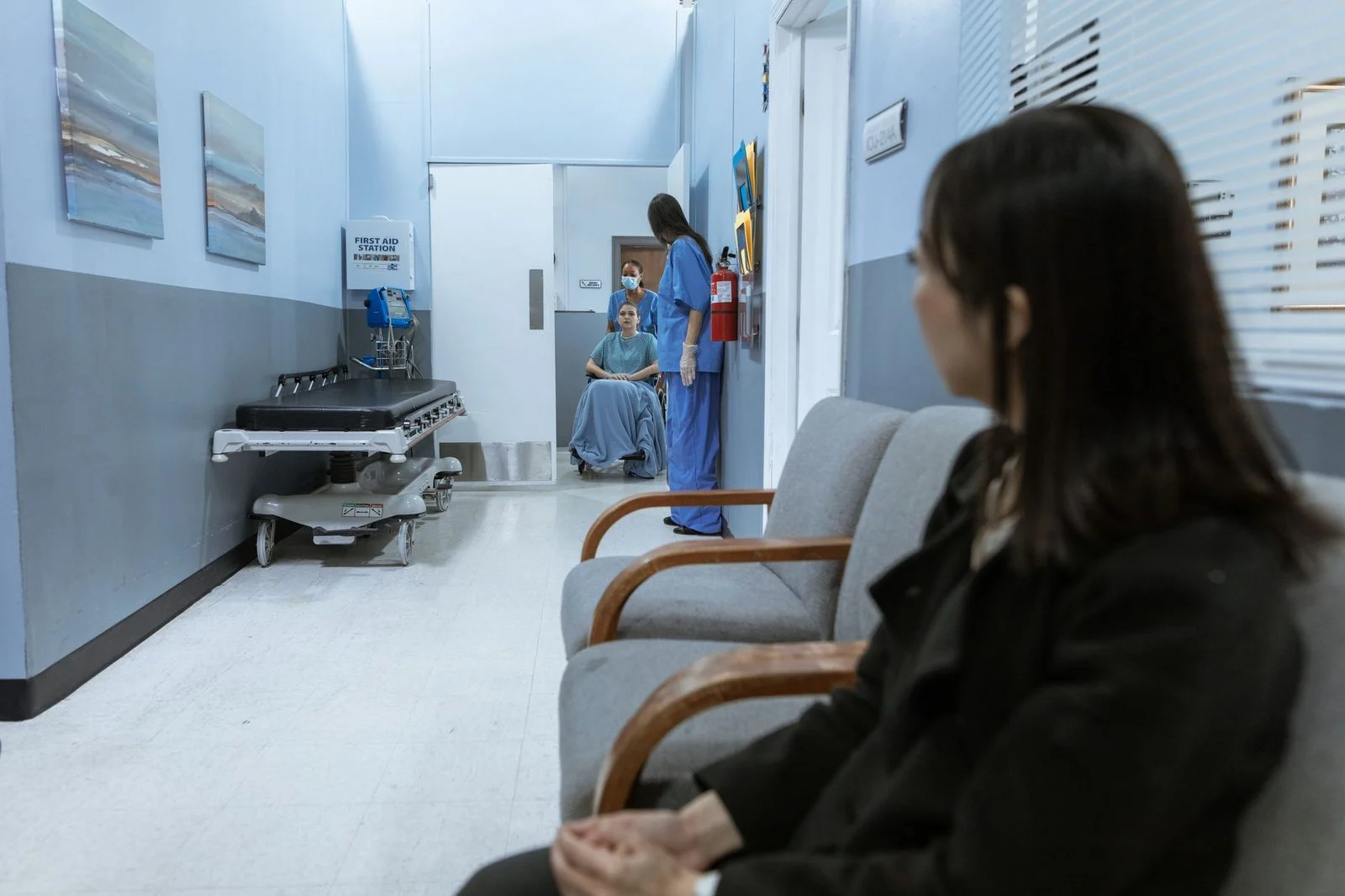
Talk With Our Team About Your Loved One’s Care
If your loved one has new bedsores, falls, or injuries no one has explained, a free case review can help you decide your next step. Write down what you have seen, and gather any records you already hold. Then reach out to us while those details are fresh. Use our contact page to request your free consultation.
Peter F. Jaraysi is the responsible lawyer for this page. Slam Dunk Attorney is based in Duluth, Georgia. This page is attorney advertising. It does not promise or predict any result. Case costs may apply if a case proceeds.
How our team supports your family
Compassion first
We understand that a loved one's safety comes first. We take the time to hear what happened and what worries you most.
Careful review of what happened
Our team looks closely at medical information, care notes and facility policies to understand how your loved one was harmed.
Plain-language communication
We explain legal terms, the process and possible next steps clearly, so you can make informed decisions at your own pace.
Support for the whole family
Our lawyers and staff work with adult children, spouses and other family members who are trying to protect someone they love.
Warning signs that deserve a closer look
Unexplained injuries
Bruises, cuts, fractures or burns that the facility cannot clearly explain should be questioned, not dismissed.
Bedsores
Pressure sores can signal that a resident is not being repositioned or cared for properly.
Dehydration or weight loss
Sudden weight loss or signs of dehydration may point to missed meals, missed fluids or inadequate assistance.
Medication problems
Missed doses, wrong medications or sudden changes in alertness or behavior are worth raising with the facility and a lawyer.
If your loved one is in immediate danger
Call 911 right away. Then, when your loved one is safe, document what you have seen, keep copies of any records you receive, and contact our office to talk through your concerns. You can raise concerns while your loved one remains in care.