
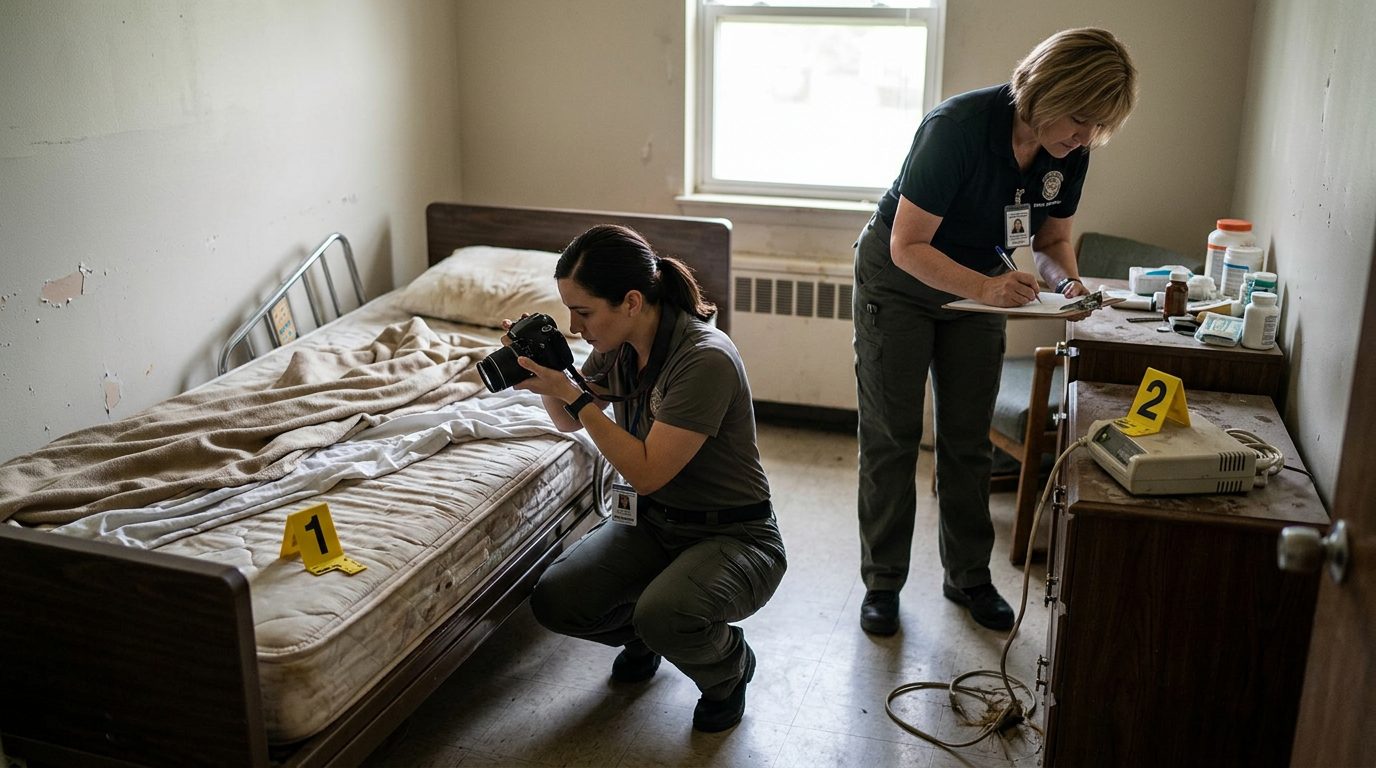
Nursing Home Abuse & Exploitation
Financial Exploitation of Nursing Home Residents in Georgia
If your loved one's money, property, or assets have been misused by a caregiver, facility staff, or someone in a position of trust, we can help you understand your options.
By Peter F. Jaraysi · Published September 22, 2026
Nursing Home Financial Exploitation Claims: How We Investigate and Recover Stolen Funds
Financial exploitation of nursing home residents—unauthorized use, misappropriation, or theft of a resident’s money, assets, or property by facility staff, management, other residents, or third parties with access—is a serious form of elder abuse. If you suspect your loved one has been exploited, you may have a legal claim to recover stolen funds and hold the facility accountable.
If you've discovered unauthorized withdrawals, missing items, or unexplained transfers from your loved one's accounts, you may have a claim for financial exploitation—and families in your situation reach out to us every week. Talk it through with our team — the first consultation is free, confidential, and carries no obligation.

What Is Nursing Home Financial Exploitation?
Common forms include:
- Unauthorized ATM withdrawals or electronic transfers from the resident’s account
- Forged signatures on checks, documents, or financial instruments
- Pressure to change a will, power of attorney, or beneficiary designations to benefit staff or the facility
- Theft of jewelry, personal items, or cash from the resident’s room
- Overcharging for services not provided or charging twice for the same care
- Coercion into ‘donations’ or loans to the facility or staff members
- Misuse of a resident’s funds to pay for facility expenses or staff personal needs
Why does this happen? Understaffing, weak oversight, residents with cognitive decline or dementia, unrestricted access to bank accounts or financial documents, and lack of family involvement all create opportunity and reduce the risk of detection.
Red flags families notice include sudden account depletion without explanation, missing personal items, unexplained transfers or large withdrawals, resident confusion about their own finances, and facility staff resistance or evasiveness when asked financial questions.
Who This Is For
This service is for:
- Adult children and family members managing or monitoring a loved one’s finances who notice irregularities
- Residents or their legal representatives who have discovered unauthorized transactions
- Families who suspect exploitation but need help gathering evidence and understanding their legal options
- Those seeking to recover stolen or misappropriated funds and hold the facility accountable for its failure to protect a vulnerable resident
What Financial Exploitation Claims Cover
When you pursue a nursing home financial exploitation claim, recovery and accountability can include:
Direct Recovery – Reimbursement for unauthorized withdrawals, transfers, or charges – Compensation for interest, penalties, or diminished asset value – Recovery of stolen personal property or its fair market value
Damages – Punitive damages in cases where the facility’s conduct was willful or reckless, intended to penalize the wrongdoer and deter similar conduct – Compensation for the emotional and financial harm to the resident and family
Investigation and Evidence – Subpoena and review of bank records, facility billing records, and financial statements – Examination of surveillance footage if available – Interviews with staff, witnesses, and the resident – Consultation with financial experts to trace misappropriated funds – Documentation of the facility’s failure to protect the resident’s assets
Negotiation and Litigation – Demand letters backed by evidence sent to the nursing home, its management company, and insurance carriers – Pursuit of claims through settlement negotiation or civil litigation in Georgia state court – Coordination with law enforcement or Adult Protective Services if criminal conduct is suspected
How the Process Works
Step 1 – Free Consultation
You describe what you’ve observed or discovered. We ask detailed questions about timing, amounts, people involved, and what documentation you have. We listen and ask follow-up questions to understand the full picture.
Step 2 – Initial Investigation
We request records from the nursing home, including bank statements, care plans, billing records, incident reports, and staff assignments. We review these documents for irregularities, patterns, and red flags.
Step 3 – Evidence Gathering
We obtain surveillance footage if available, interview staff and witnesses, consult financial experts if needed, and document the pattern of exploitation. This phase builds the foundation of your case.
Step 4 – Demand and Negotiation
We send a detailed demand letter to the facility and its insurance carrier, backed by evidence, requesting compensation. Many cases settle at this stage.
Step 5 – Litigation (if necessary)
If the facility refuses to settle, we file a lawsuit in Georgia state court and pursue the claim through discovery, depositions, and trial. We handle all court filings and deadlines.
Step 6 – Resolution
We work toward recovery of funds, damages, and closure for your family. We keep you informed at every step.
Timeline and What to Expect
- Consultation to investigation start: 1–2 weeks
- Evidence gathering phase: 4–12 weeks, depending on record complexity and facility cooperation
- Demand and negotiation: 2–8 weeks
- Litigation (if filed): 6–18 months, depending on court schedule and case complexity
- Settlement or judgment: varies; we keep you informed at every stage
Cost: We work on a contingency basis—you pay no upfront fee. You may owe case costs (court filing fees, expert witness fees, deposition costs, etc.), which we discuss and agree upon upfront. If we don’t recover funds or win your case, you owe nothing for attorney fees.
Not sure what your next step is?
Talk it through with our team — the first consultation is free, confidential, and carries no obligation.
Why Families Choose Slam Dunk Attorney
Nursing Home Abuse Experience
We focus exclusively on nursing home abuse and exploitation claims in Georgia, including financial exploitation, neglect, physical abuse, and wrongful death. This focus means we know the law, the facilities, and the tactics used to defend these cases.
Local Presence and Georgia Knowledge
Based in Duluth, Georgia, we serve metro Atlanta and all of Georgia. We know Georgia courts, judges, facility operators, and the regulatory landscape. We’re not a national firm—we’re your neighbors, and we understand your community.
Thorough Investigation
We don’t accept a nursing home’s word. We dig into records, interview witnesses, obtain surveillance footage, and build a documented case. In the financial exploitation cases we handle, we’ve found that careful investigation often reveals patterns the facility hoped would go unnoticed.
Transparent Communication
You’ll understand what we’re doing, why, and what it costs. No surprises. We explain the process in plain language and keep you updated.
Compassionate Approach
We recognize the emotional toll of discovering your loved one was exploited—the betrayal, the anger, the guilt. We handle the legal burden so you can focus on your loved one’s care and recovery.
Common Questions About Financial Exploitation Claims
Q: How do I know if my loved one is being financially exploited?
Look for sudden account depletion without explanation, missing jewelry or personal items, unexplained transfers or large withdrawals, changes to legal documents (will, power of attorney, beneficiary), or your loved one expressing confusion about their own finances. If you notice these, contact us for a free review.
Q: Can I still pursue a claim if my loved one has passed away?
Yes. Georgia law recognizes wrongful death claims, and financial exploitation claims can be brought by the estate or surviving family members even after the resident’s death.
Q: What if the nursing home says it was a ‘gift’ or the resident ‘authorized’ it?
We investigate whether the resident had legal capacity to consent, whether there was undue influence or coercion, and whether the facility failed to protect them. Bank records, surveillance footage, and witness testimony often tell a different story than the facility’s defense.
Q: How much does it cost to hire you?
We work on contingency: you pay nothing unless we recover funds or win your case. You may owe case costs (court fees, expert fees, etc.), which we discuss upfront so there are no surprises.
Q: What if the facility claims the resident lost the money gambling or gave it away?
We examine bank records, surveillance, facility policies, and the resident’s known habits and capacity. Federal nursing home regulations require facilities to protect residents’ funds and report suspicious activity. The facility’s duty doesn’t disappear because a resident has cognitive decline.
Q: How long does this take?
Most cases settle within 6–12 months. Litigation can take longer, but we work efficiently and keep you updated on progress and next steps.
Q: What should I do right now if I suspect exploitation?
Gather what you have: bank statements, facility billing records, emails, photos of missing items, and notes on dates and amounts. If exploitation is ongoing, request that the facility freeze the account or restrict access; notify the bank immediately. Contact Adult Protective Services (APS) or local police if you believe a crime has occurred. Then call us for a free consultation.
What You Should Do Now
Gather Documentation
Bank statements, facility billing records, emails, photos of missing items, notes on dates and amounts—anything that documents the pattern.
Stop Ongoing Exploitation
If exploitation is still happening, contact the facility in writing and request that accounts be frozen or access restricted. Notify the resident’s bank immediately of suspected unauthorized activity.
Report to Authorities
Contact Adult Protective Services (APS) or your local police department if you believe a crime has occurred. This creates an official record and may prompt a facility investigation.
Reach Out to Us
We’ll review your situation at no cost and explain your options. You don’t have to figure this out alone, and you don’t have to wait. If you’ve noticed sudden account depletion, missing personal items, or unexplained transfers from your loved one’s nursing home account, you may have a claim for financial exploitation—and our team is ready to investigate and fight for recovery on your behalf.
Warning Signs of Financial Exploitation
Sudden account depletion without explanation, missing jewelry or personal items, unexplained transfers or large withdrawals, changes to legal documents (will, power of attorney, beneficiary), or your loved one expressing confusion about their own finances—these can all indicate exploitation. If you notice any of these, act promptly.
What Financial Exploitation Looks Like
Unauthorized Transactions
Withdrawals, transfers, or charges your loved one did not authorize or understand, often by someone with access to their accounts or documents.
Coercion or Undue Influence
Pressure to sign over assets, change a will, add someone to an account, or make gifts—especially by a caregiver or facility employee in a position of trust.
Misappropriation of Property
Theft or misuse of personal items, jewelry, cash, or other valuables belonging to a resident.
Neglect Tied to Money
Withholding care, medication, or necessities to coerce payment or compliance, or failing to use a resident's funds for their proper care.
How We Can Help
Investigate What Happened
We review financial records, facility documents, and account statements to identify patterns of exploitation and who may be responsible.
Understand Your Legal Options
We explain what claims may be available under Georgia law, including civil recovery, and what the process involves.
Advocate for Your Loved One
We work to hold those responsible accountable and pursue recovery of misused funds or assets on behalf of your family.
Answer Your Questions
We listen to your concerns, explain the law in plain language, and help you make informed decisions about next steps.
Common Questions
Can I still pursue a claim if my loved one has passed away?
Yes. Wrongful death and exploitation claims may be available to recover funds for the estate or surviving family members. Time limits apply, so contact us promptly.
What if the exploitation happened years ago?
Georgia law sets time limits for filing claims. We can review your situation and advise whether a claim is still possible based on when the exploitation occurred and when it was discovered.
Who can be held responsible?
The individual who exploited your loved one, the nursing home or facility if they failed to prevent or report it, and sometimes other parties with a duty of care. We investigate to identify all responsible parties.
How does payment work?
We work on a contingency basis—no fees unless there is a recovery. You may still owe certain case costs; we discuss all fees and costs clearly before you decide to proceed.