
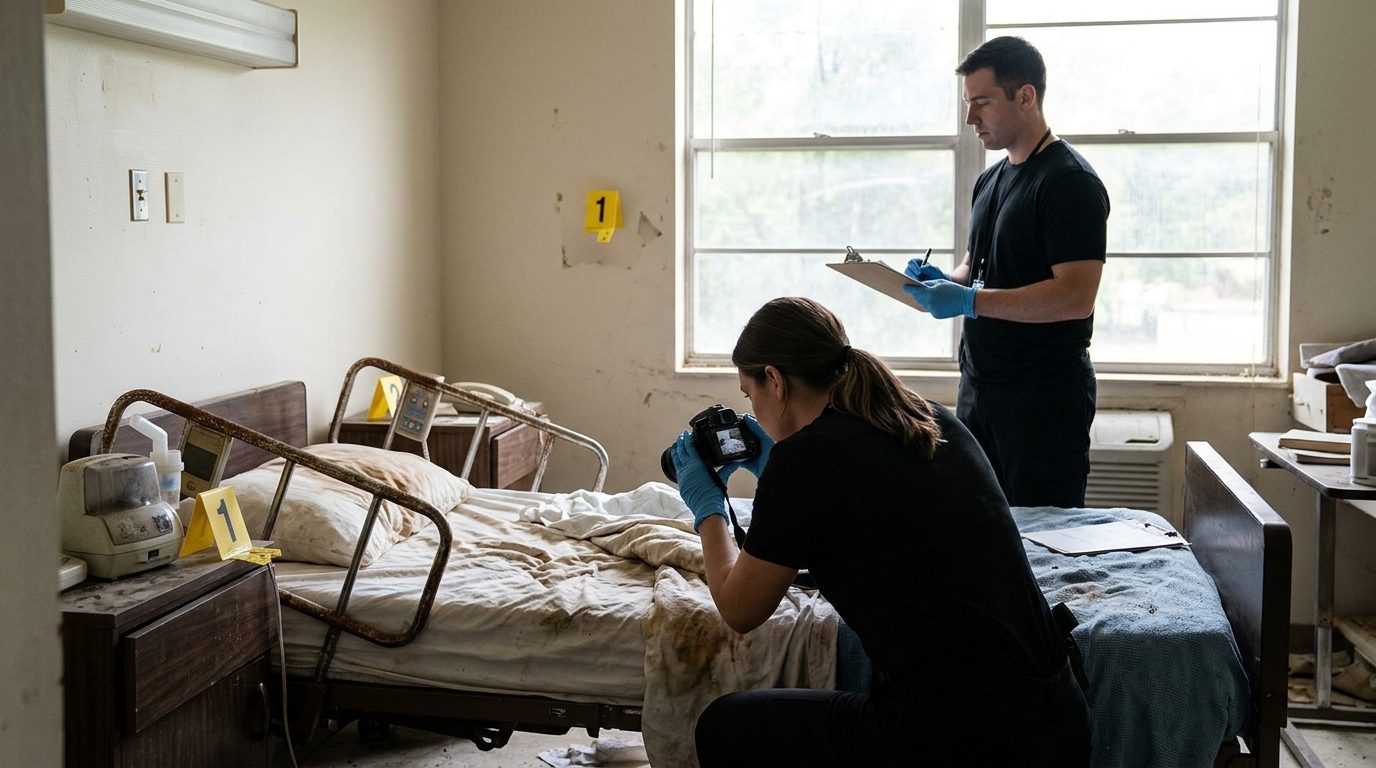
Nursing Home Abuse Georgia
Protect Your Loved One: A Family Guide to Nursing Home Rights & Legal Action
Recognize the signs of abuse and neglect. Understand your family's legal options. Get answers from a Georgia attorney who focuses on nursing home cases.
By Peter F. Jaraysi · Published September 19, 2026
Nursing Home Abuse in Georgia: What Families Need to Know
If you suspect your loved one is being abused or neglected in a Georgia nursing home, you’re not alone—and you have legal rights and clear steps to protect them. Nursing home abuse ranges from physical harm and emotional cruelty to neglect and financial exploitation. Understanding what constitutes abuse, recognizing warning signs, and knowing how to report and pursue legal action are essential for families navigating this difficult situation.
If you've noticed unexplained injuries, sudden behavioral changes, or signs of neglect in your loved one's care, you may have grounds for a claim—and families in your situation contact us regularly for a free case review. Talk it through with our team — the first consultation is free, confidential, and carries no obligation.
What Constitutes Nursing Home Abuse in Georgia
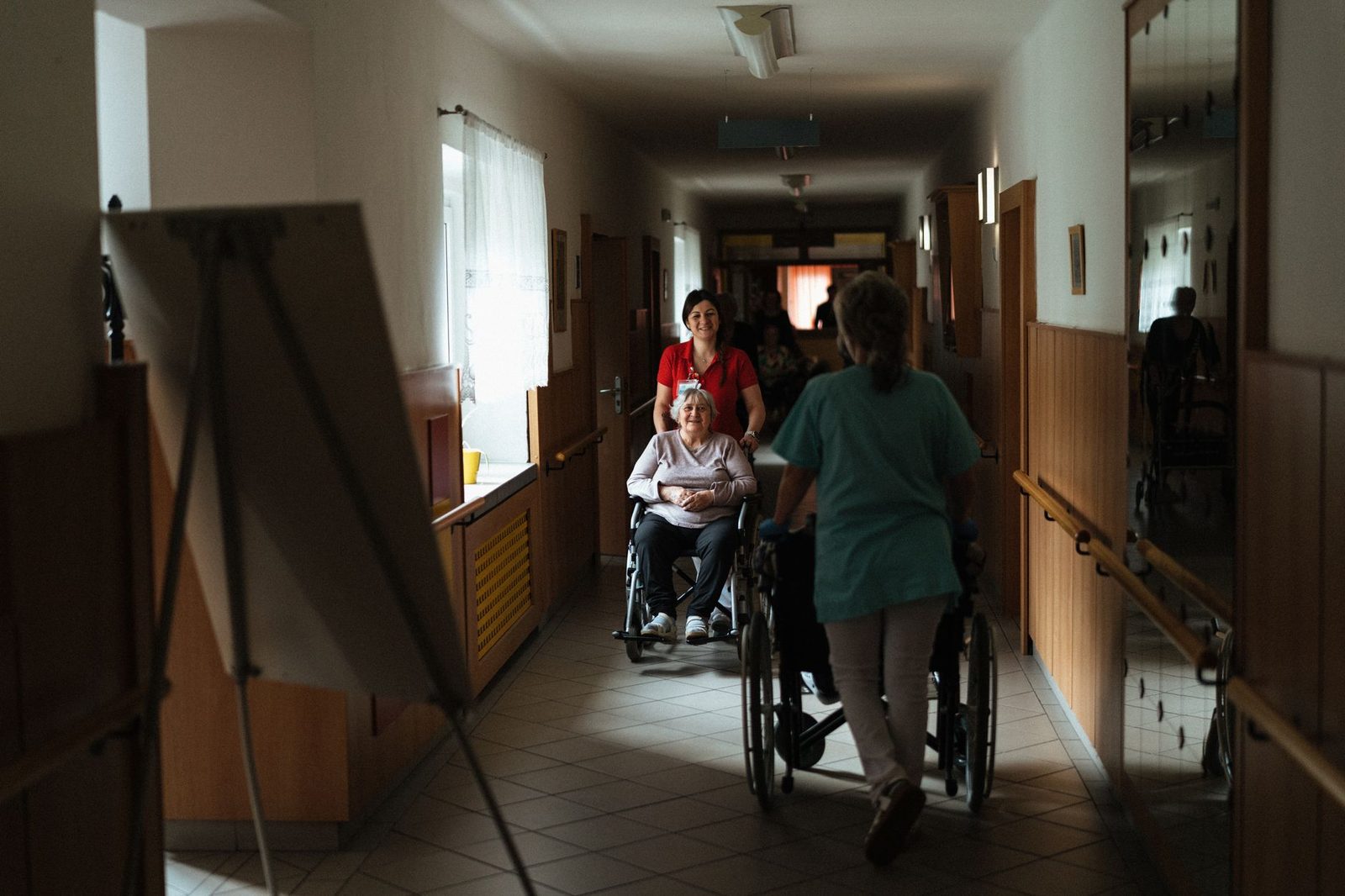
Nursing home abuse takes many forms, and not all of it is obvious. Physical abuse includes hitting, improper restraint, rough handling, and medication misuse. Emotional abuse involves verbal threats, humiliation, isolation, and intimidation—tactics that damage a resident’s dignity and mental health. Neglect—failure to provide food, hygiene, medical care, or adequate supervision—is one of the most common forms of abuse, often linked to understaffing and inadequate staff training. Financial exploitation occurs when facility staff or others misuse a resident’s funds or assets without authorization. Sexual abuse, though less frequently reported, is non-consensual contact or assault.
Why does this happen? Understaffing creates impossible workloads. Poor training leaves staff unprepared to handle residents with dementia, behavioral challenges, or complex medical needs. Inadequate oversight and cost-cutting measures create environments where abuse can occur unchecked. Facilities that prioritize profit over care and fail to implement proper supervision systems put residents at risk.
Warning Signs Your Loved One May Be Experiencing Abuse
Families are often the first line of defense. Watch for unexplained injuries, bruises, or broken bones that staff cannot adequately explain. Sudden behavioral changes—withdrawal, fear, anxiety, or depression—especially after visits to the facility, are red flags. Poor hygiene, malnutrition, or weight loss despite the facility’s resources suggest neglect. Torn clothing or marks consistent with restraint are serious warning signs.
Pay attention to reluctance to discuss facility staff or daily activities. Medication errors, missed doses, or untreated medical conditions indicate a failure in basic care. Sudden financial changes, missing belongings, or unexplained withdrawals from accounts point to exploitation. If staff actively discourage visits or limit communication, that’s a warning sign that something is being hidden.
Georgia’s Nursing Home Regulations and Resident Rights
The Georgia Department of Community Health licenses and oversees nursing home compliance with state and federal regulations. Georgia residents in nursing homes have the right to safe, dignified care free from abuse and neglect. Facilities must maintain adequate staffing levels, provide proper training, and implement supervision systems to prevent harm.
Mandatory reporting requirements exist in Georgia: staff, administrators, and even family members can report suspected abuse to state authorities and Adult Protective Services. Residents and families have the right to file complaints with state regulators and to access facility inspection records. The state investigates complaints and can impose penalties, including fines and license suspension, on facilities that violate standards.
How to Report Nursing Home Abuse in Georgia
Start by contacting the facility’s administrator or ombudsman (a resident advocate) to report concerns. Document everything: dates, times, specific injuries, names of staff involved, and witness accounts. Keep medical records and photographs of injuries. Preserve all communications—emails, notes, incident reports—that support your concerns.
File a formal complaint with the Georgia Department of Community Health. If your loved one is a vulnerable adult, you can also report to Adult Protective Services. Before speaking with facility management, consider consulting an attorney. Facilities have legal teams and insurance; an experienced attorney protects your family’s rights and ensures proper documentation from the start.
Legal Options for Nursing Home Abuse Victims in Georgia
Georgia law allows civil lawsuits against nursing homes for negligence, breach of duty, and intentional harm. You may pursue claims based on inadequate staffing, poor training, failure to supervise, or failure to report abuse. Damages in these cases may include medical expenses, pain and suffering, loss of companionship, and other losses resulting from the abuse.
If abuse contributed to a resident’s death, families can file a wrongful death claim. Under the doctrine of respondeat superior, facilities can be held liable for employee actions when abuse occurs due to inadequate supervision or training. Georgia law recognizes that facilities have a duty to protect residents and to hire, train, and supervise staff properly.
Timing matters. Georgia has a statute of limitations—a deadline—for filing claims. Evidence can be lost or altered. Consulting an attorney early ensures your legal rights are protected and that critical evidence is preserved.
Not sure what your next step is?
Talk it through with our team — the first consultation is free, confidential, and carries no obligation.
Why Families Choose Legal Representation
Navigating facility records, regulatory complaints, and legal claims is complex. Facilities have legal teams and insurance adjusters working to minimize liability; families need experienced counsel to level the playing field. An attorney investigates the facts, gathers evidence, interviews witnesses, and identifies all liable parties.
Legal representation protects your rights and ensures proper documentation from the beginning. Attorneys understand Georgia negligence law, facility standards of care, and the regulatory landscape. Many families pursue claims without upfront legal fees, allowing you to focus on your loved one’s recovery and well-being while your case is evaluated and developed.
Frequently Asked Questions
What should I do if I suspect nursing home abuse?
Document everything (dates, injuries, behavioral changes, witness names), report to the facility administrator and the Georgia Department of Community Health, and contact an attorney to protect your legal rights.
Can I visit my loved one anytime I want?
Yes—Georgia law protects residents’ right to visits and communication with family. If staff restrict access, that’s a red flag for potential abuse.
How long do I have to file a claim?
Georgia’s statute of limitations sets a deadline for filing lawsuits. Consulting an attorney immediately after discovering abuse ensures you don’t miss critical deadlines.
What damages can I recover?
Damages may include medical expenses, pain and suffering, loss of companionship, and other losses caused by the abuse—but outcomes depend on the specific facts of your case.
Do I need to prove the facility intentionally caused harm?
No. You can pursue claims based on negligence (failure to provide adequate care, supervision, or training) even if the harm was not intentional.
If you’ve noticed unexplained injuries, sudden behavioral changes, or signs of neglect in your loved one’s care, reach out today. Families facing suspected nursing home abuse in Georgia contact Slam Dunk Attorney for a free case review—call us or request a free consultation to discuss what happened and your legal options.
Act Quickly if You Suspect Abuse
Document everything—dates, injuries, behavioral changes, witness names—and report to both the facility administrator and the Georgia Department of Community Health. Then contact an attorney to protect your legal rights and your loved one's safety.
What to Do If You Suspect Nursing Home Abuse
Document & Report
Keep detailed records of injuries, behavioral changes, and concerning incidents. Report to the facility management and the Georgia Department of Community Health immediately.
Know Your Loved One's Rights
Georgia law protects residents' right to visits, communication, and freedom from abuse, neglect, and exploitation. Facilities must respect these rights and maintain safe conditions.
Speak with an Attorney
An attorney can review the facts, explain your family's legal options, and help you take action to protect your loved one and hold the facility accountable.
Gather Evidence
Collect medical records, witness statements, facility policies, and incident reports. This evidence is critical to building a strong case.
Why Families Choose Slam Dunk Attorney for Nursing Home Cases
Focused on Your Loved One's Safety
We listen to your concerns, investigate thoroughly, and work to ensure accountability and prevent future harm.
Compassionate, Plain-Language Guidance
We explain your rights and options clearly—no legal jargon. You'll understand what happened and what comes next.
Experienced in Georgia Nursing Home Law
We handle cases involving neglect, physical abuse, emotional abuse, financial exploitation, and wrongful death in Georgia facilities.
Free Consultation & Case Review
Contact us to discuss what happened. We'll answer your questions and explain your options at no cost.
Common Types of Nursing Home Abuse & Neglect
Physical Abuse
Unexplained bruises, injuries, or fractures; signs of rough handling or restraint; fear or anxiety around staff.
Neglect
Bedsores, malnutrition, dehydration, poor hygiene, untreated medical conditions, or failure to provide necessary care.
Emotional & Psychological Abuse
Verbal threats, humiliation, isolation, intimidation, or deliberate emotional distress.
Financial Exploitation
Unauthorized use of funds, coerced gifts, forged documents, or theft of personal belongings or money.