
Nursing Home Abuse | Duluth, Georgia
Spotting the Warning Signs Early Can Protect a Loved One
Families often sense that something is wrong long before they can name it. Here is how to recognize the changes that deserve a closer look.
By Peter F. Jaraysi · Published November 21, 2026
If you’re worried about someone you love in a nursing home, you probably want clear answers fast. A red flag is a warning sign you can see or hear that a resident may not be getting safe, adequate care.
Common examples include unexplained bruises, pressure sores, sudden weight loss, repeated falls, and changes in mood. One sign alone is not proof of abuse or neglect. A pattern of several signs, though, deserves a written record and a direct question to the facility.
What counts as a red flag in a nursing home?
A red flag is an observable sign that a resident’s basic needs may be going unmet, or that someone may be harming them. Federal rules give both problems a clear meaning. Under federal nursing home definitions, neglect is the failure of the facility, its employees or service providers to provide goods and services needed to avoid physical harm, pain, mental anguish, or emotional distress.
Abuse is the willful infliction of injury, unreasonable confinement, intimidation, or punishment that causes physical harm, pain, or mental anguish, and also includes the deprivation by an individual, including a caretaker, of goods or services that are necessary to attain or maintain physical, mental, and psychosocial well-being. “Willful” means the person acted on purpose. It does not mean they meant to cause harm.
Neglect often looks like missed care, not one dramatic event. CMS nursing home standards set the health and safety expectations that inspectors use to check facilities.
Treat each sign as something to note and question, not as proof. Start a dated log of what you see, when you see it, and how it differs from the resident’s usual condition.
If several of these signs have you worried about someone you love, you don't have to sort it out alone, and our team is glad to talk it through with you. Talk it through with our team — the first consultation is free, confidential, and carries no obligation.
Physical signs on the resident’s body
Unexplained injuries and skin changes are among the most concrete warning signs. Look for bruises, welts, cuts, or marks, especially on the wrists or ankles, or in places a resident would not normally be hurt. Ask for an explanation, and ask whether an incident report was written.
Pressure sores, also called bedsores, deserve close attention. Federal rules require a facility to provide care to prevent pressure ulcers. A resident should not develop them unless the resident’s clinical condition makes them unavoidable, under 42 C.F.R. § 483.25.
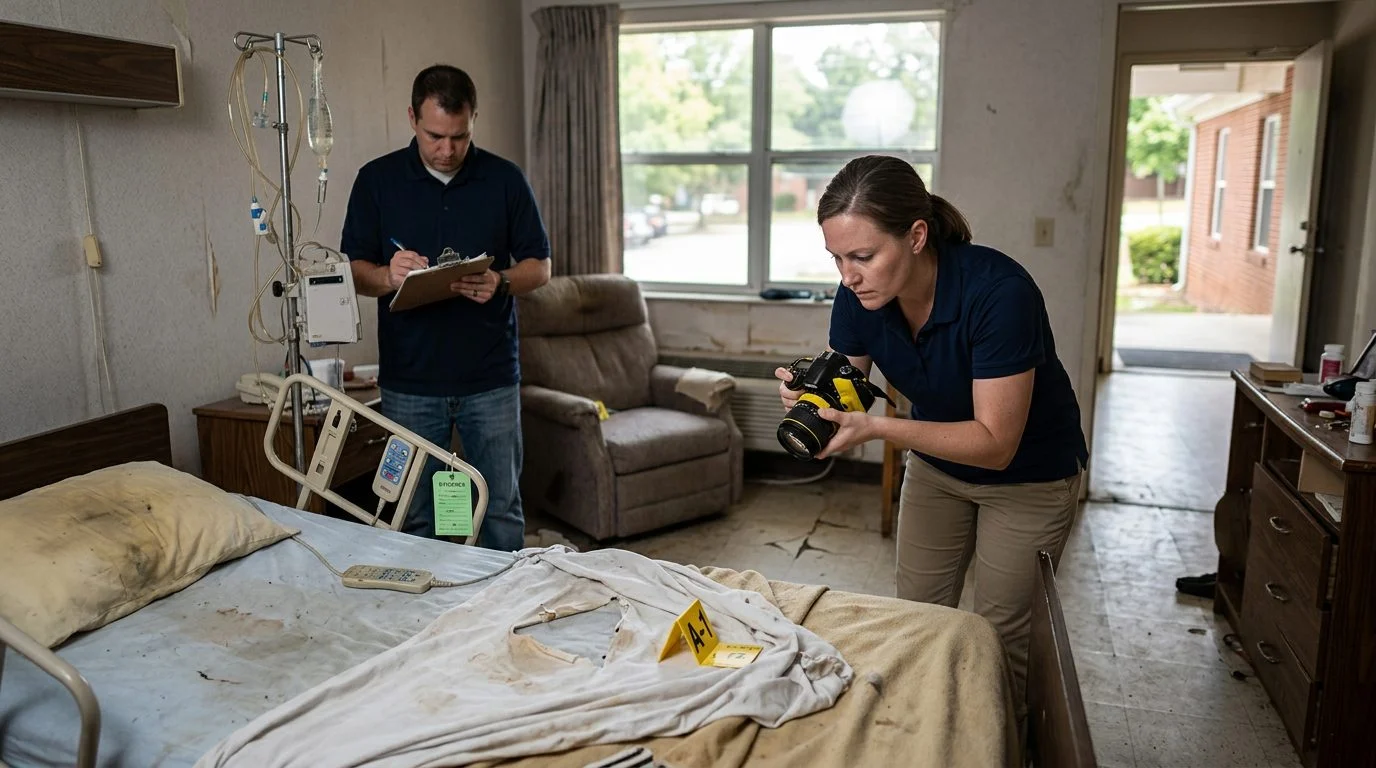
Other signs include unexplained weight loss, dehydration, dry mouth, and dry skin. Repeated falls or fractures are also red flags. The same federal section requires a facility to keep a resident’s environment free of accident hazards as much as possible. Untreated infections and soiled clothing or bedding left for long periods point the same way.
Changes in mood, behavior and withdrawal
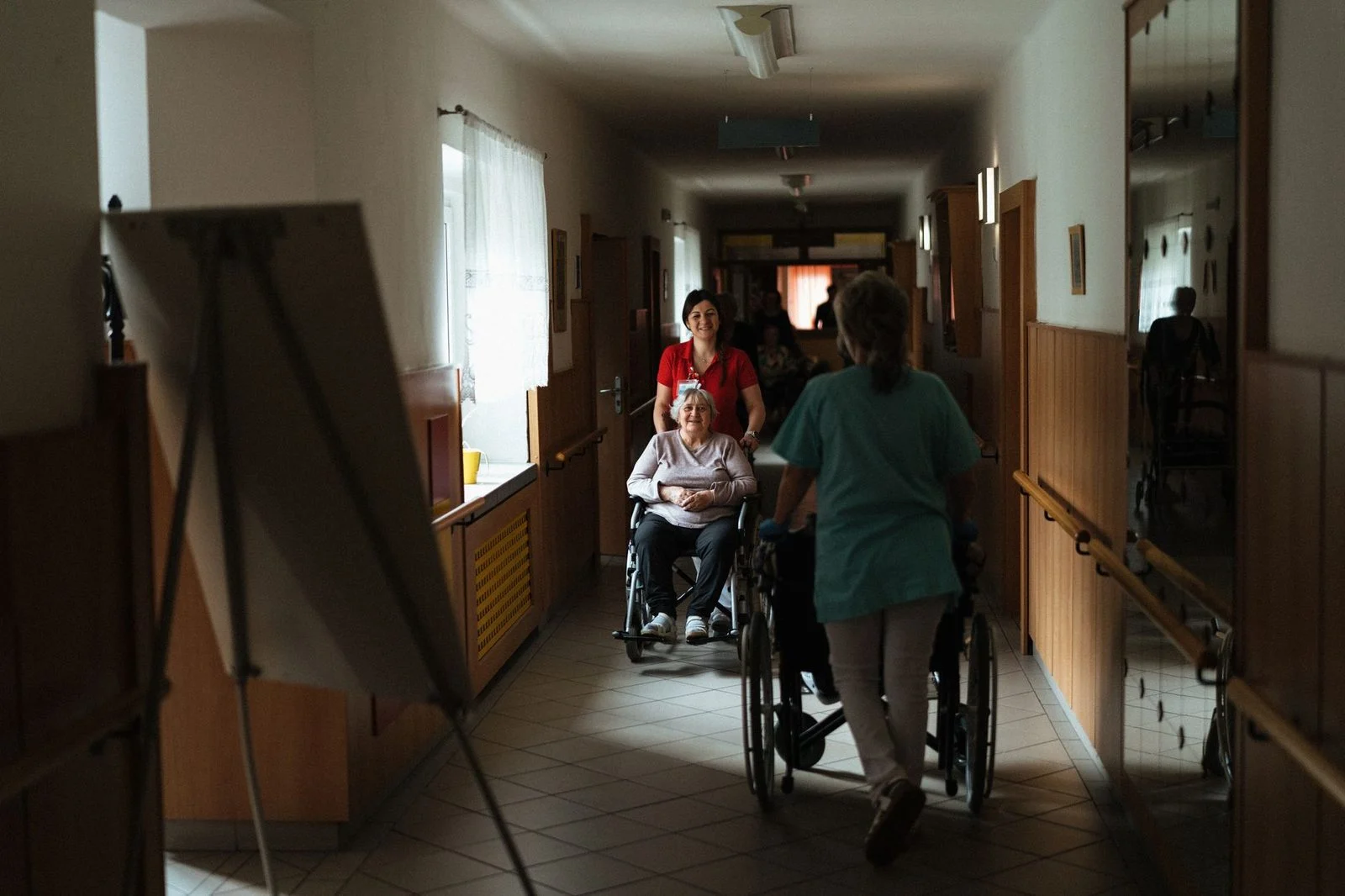
A sudden shift in how a resident acts is often the first thing family members notice. Watch for withdrawal, depression, or loss of interest in people and activities the resident once enjoyed.
Fear, flinching, or agitation around a particular staff member is worth noting. So is reluctance to be left alone with someone. New sleep problems, unusual anxiety, or rocking and other self-soothing that is new for the resident also count.
Illness or medication can cause some of these changes. A doctor should review any sudden change. Georgia law also says a significant change in a resident’s health should be reported to the persons the resident chooses, within a reasonable time, under Georgia resident rights law.
Pay attention during visits, too. A resident who gives rehearsed-sounding answers, or who seems afraid to speak openly, may be telling you something. Try to talk privately when you can, ask open questions, and watch body language as well as words.
Staffing, cleanliness and daily care problems
Everyday care often shows whether a facility is keeping up. Watch for frequent staff turnover or unfamiliar aides at every visit. Note how long a resident waits after pressing a call light. Also note how long they wait for help with toileting, bathing, meals, or repositioning.
Look at the room and the common areas. Unpleasant odors, soiled linens, pests, blocked exits, broken equipment, and wet floors are all warning signs. A resident who is not dressed or groomed, or who lacks glasses, hearing aids, or dentures when needed, may not be getting the daily help they require.
One complaint can have many causes. When several residents or families describe the same problem, it may point to a wider issue. Write each complaint down with its date and details.
Medication, records and money warning signs
Problems with medication, records, or money are red flags that families often miss. Watch for missed or late doses, or medications that seem given too often or not often enough. A resident who does not know what they take is a concern. So are gaps or inconsistencies in medication logs and charting.
You can ask for records directly. Under Georgia law, each resident may inspect and receive a copy of their medical records unless medically contraindicated. The facility may charge a reasonable fee for copies, not to exceed actual cost, under O.C.G.A. § 31-8-108.
Money warning signs include missing belongings, unexplained withdrawals or charges, or a sudden change in who manages a resident’s finances. Be careful with pressure to sign papers you don’t understand or to decide quickly about care or payment. Ask for a written explanation and take time to review it.
What to watch for during visits and how to document it
Regular visits at different times give you a fuller picture than one visit. Come early in the morning, in the evening, and on weekends. Note staffing levels and how fast staff respond. Keep a dated written log of observations, conversations, and concerns, and save copies of any written complaints and responses.
Raise concerns in writing with the facility administrator, and ask for a written reply. If a resident is in immediate danger, call 911 first.
The Georgia Department of Community Health takes complaints about Georgia-licensed nursing facilities. You can file online, by telephone, or by fax. Georgia law requires certain people to report suspected abuse, neglect, or exploitation of an elder, and lets others with reasonable cause report too. Under Georgia elder abuse reporting law, a report may be oral or written.
Federal rules also set deadlines for the facility itself. It must report alleged abuse immediately, but not later than 2 hours after the allegation is made, if the events involve abuse or cause serious bodily injury. Otherwise the deadline is 24 hours, under 42 C.F.R. § 483.12.
Not sure what your next step is?
Talk it through with our team — the first consultation is free, confidential, and carries no obligation.
When to talk with a lawyer about a nursing home concern
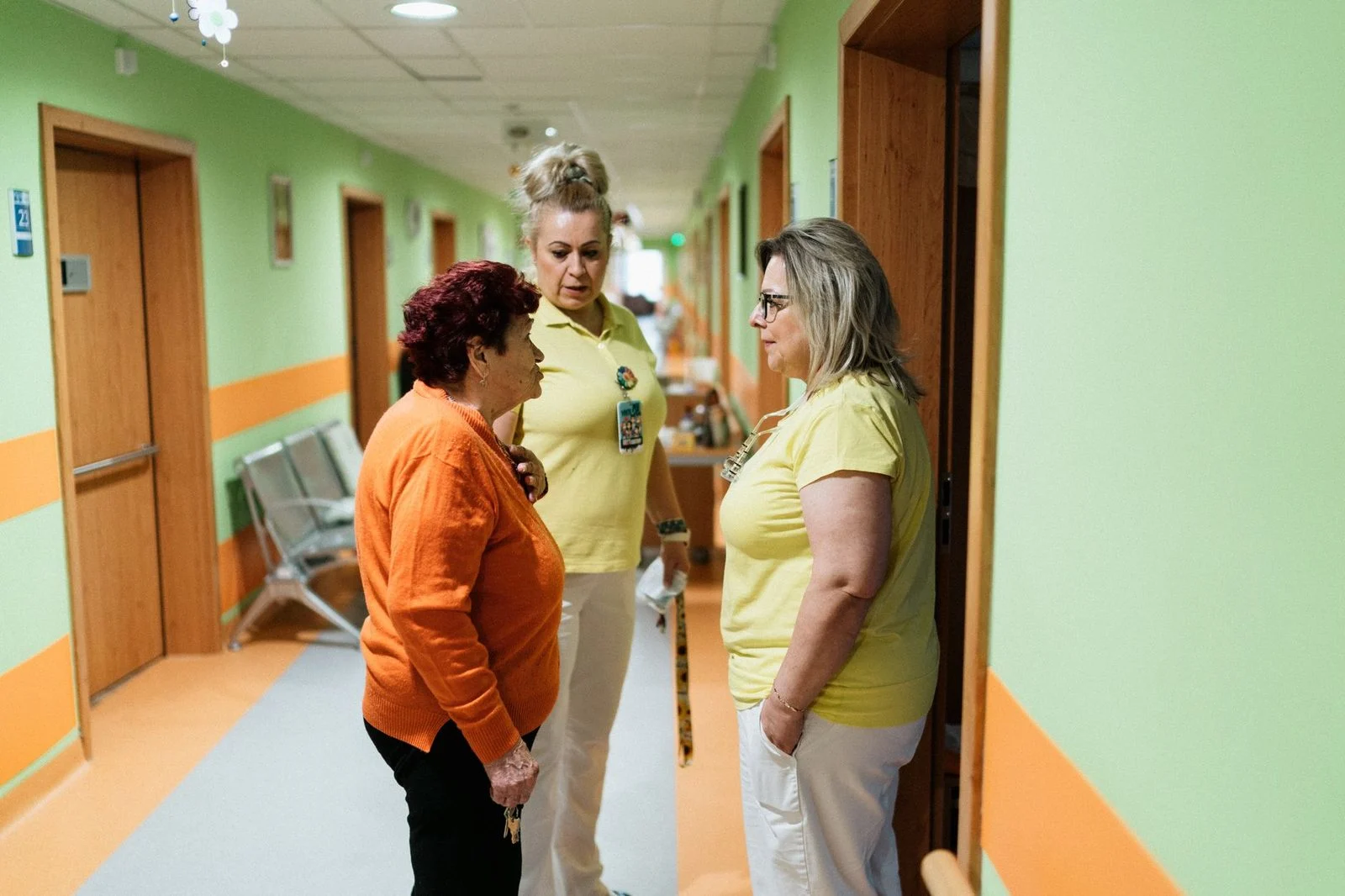
A family may want to understand its options when several red flags appear together, or when a resident has been seriously hurt. The Georgia nursing facility rights statute addresses the rights of residents in nursing facilities.
Many families feel guilt about a move, worry about a parent, and don’t know where to start. That feeling is common. For more on this area of law, see our nursing home abuse page.
What is the first sign of nursing home neglect?
There is no single first sign. Unexplained weight loss, pressure sores, and sudden mood changes are common early warnings.
Is one red flag enough to report?
One sign can be worth reporting, especially if it is serious or unexplained. Georgia law lets anyone with reasonable cause to believe an elder is being abused or neglected make a report.
How fast must a facility report abuse?
Federal rules require a facility to report within 2 hours when abuse is involved or serious bodily injury results. Otherwise, the deadline is 24 hours.
Can a resident get copies of medical records?
Yes. In most cases, yes. A resident may inspect and receive a copy of their medical records unless that is medically contraindicated, and the facility may charge a reasonable copying fee that does not exceed actual cost.
If several of these signs have you worried about someone you love, you don’t have to sort it out alone, and our team is glad to talk it through with you. Request a free consultation. The first consultation is free, confidential, and carries no obligation to continue.
Disclaimer: This page offers general information only and is not legal advice. Responsible lawyer: Peter F. Jaraysi, Slam Dunk Attorney, Duluth, Georgia. Contact: contact page.
Four Categories of Warning Signs
Physical Signs
Unexplained bruises, cuts, burns, pressure sores, sudden weight loss, dehydration, or injuries that do not match the explanation given.
Care and Medical Signs
Missed medications, untreated infections, falls that keep happening, or medical equipment that is left unused or broken.
Emotional and Behavioral Signs
Sudden withdrawal, fear of a particular staff member, agitation, depression, or a loved one who seems unwilling to speak freely.
Environmental Signs
Unsanitary rooms, spoiled food, poor hygiene, unsafe living conditions, or missing personal belongings and money.
If a Resident Is in Immediate Danger
Call 911 right away. Do not wait for a scheduled visit or a convenient time to address a serious injury, a medical emergency, or a threat to someone's safety.
How Our Firm Can Help
Confidential Conversations
Share what you have noticed in your own words. Our team will listen carefully and explain your options in plain language.
Free First Consultation
The initial consultation is free, confidential, and comes with no obligation to continue.
Focus on Residents and Families
Our firm represents people harmed by nursing home neglect and abuse, along with the families who advocate for them.
Organized Records
We help families gather and keep track of care records, incident reports, and communications that help explain what happened.