
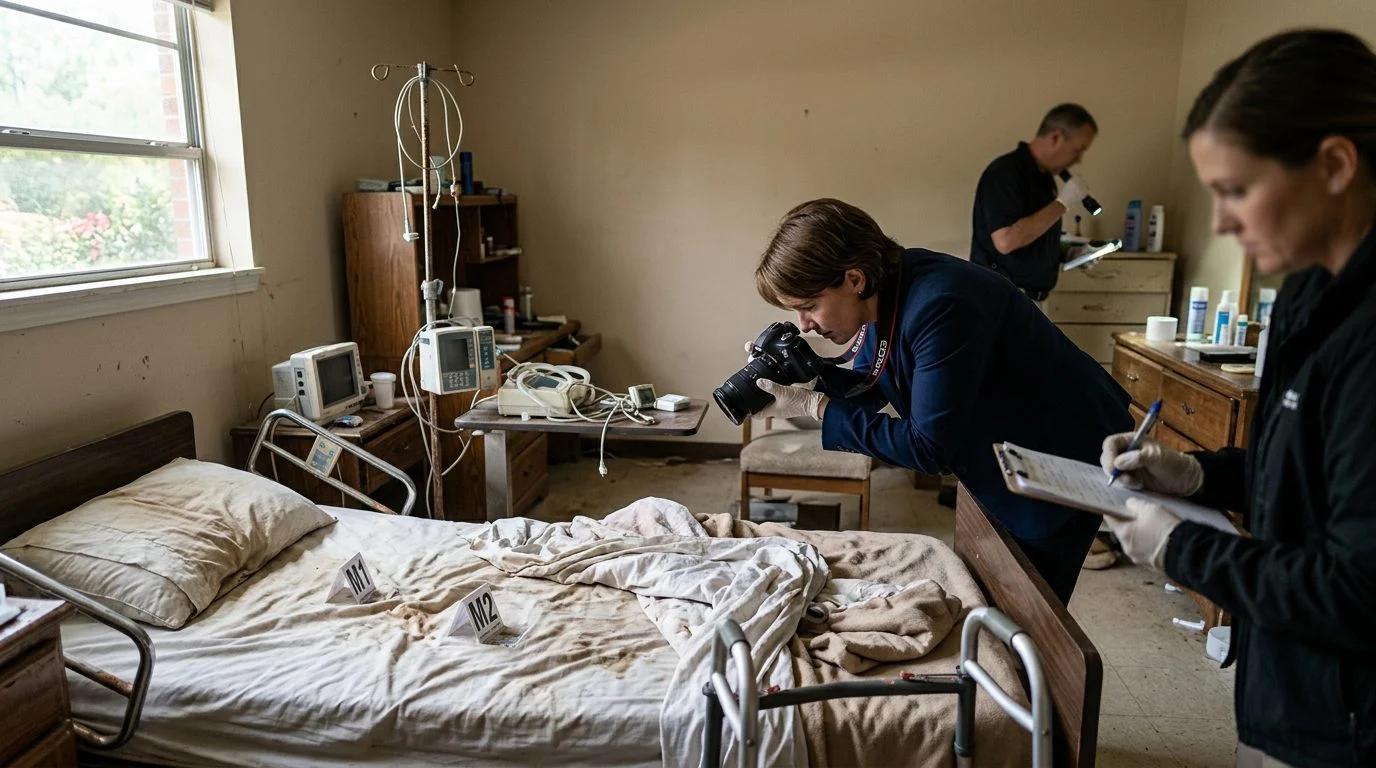
Nursing Home Abuse | Georgia
Wondering How Long a Nursing Home Abuse Case Takes?
Every family's situation is different. Here is what usually shapes the timeline, and how our team can help you plan your next steps with clear answers.
By Peter F. Jaraysi · Published November 9, 2026
If someone you love was hurt or neglected in a nursing home, you probably want to know how long a case will take. The short answer is that no single timeline fits every nursing home abuse case in Georgia.
The two-year filing deadline is the outer limit for starting a lawsuit (O.C.G.A. § 9-3-33; Kenneth B. Cameron v. Jmp Pizza, Inc (2026)). It is not the length of the case. Most of the time in these claims goes to records, medical review, and negotiation.
The short answer: every case moves at its own pace
A nursing home abuse case has no fixed length. Some claims move faster, while others take years, especially if they reach trial. The stage a case is in usually tells you more than any single number.
Early on, the work centers on what happened and who was responsible. Later, the questions shift to the resident’s losses and whether the case can settle. Each stage can stretch or shrink for reasons specific to that family.
The stages and factors below describe how these claims usually work. They are not a forecast for your loved one’s situation.
If you're worried about a parent in a care facility, you don't have to work out the timeline alone, and our team offers a free, confidential consultation. Talk it through with our team — the first consultation is free, confidential, and carries no obligation.

The filing deadline that starts the clock
Georgia generally requires a personal injury lawsuit to be brought within two years after the right of action accrues. That rule appears in O.C.G.A. § 9-3-33. The statute sets different limits for a few other types of claims, such as those involving loss of consortium.
The deadline is the last day to file suit. It is not an estimate of how long the case will take. A claim can be resolved without a lawsuit, and a suit filed near the deadline can still take years.
Some rules can pause the clock. Under O.C.G.A. § 9-3-90, a person who was legally incompetent because of intellectual disability or mental illness when the claim arose gets the same time to sue after the disability is removed.
For background on the claim itself, see our nursing home abuse guide.
Does the two-year limit mean my case takes two years?
No. The two-year rule is the outer date for filing suit. How long the case runs after that depends on its facts.
Does a criminal case stop the deadline?
It can. Georgia pauses the limitation period while a prosecution arising from the same facts is pending, but the pause cannot exceed six years.
The usual stages of a nursing home abuse claim
Most claims move through five stages, though they often overlap. Each one has its own pace.
Preserving evidence. The family should ask the facility in writing to keep the resident’s chart, incident reports, medication logs, and staffing records. The duty to preserve evidence can arise before a suit is filed, once litigation is reasonably foreseeable to the party that holds the records, as in Phillips v. Harmon.
Records and investigation. Under O.C.G.A. § 31-33-2, a provider must furnish a record within 30 days of a proper written request. Records often arrive in pieces, and reviewing them takes time.
Demand and negotiation. The claim goes to the responsible parties and their insurers. Talks can take months when records are still arriving or injuries are still being evaluated.
Filing suit. If talks do not resolve the claim, or the deadline requires it, a lawsuit is filed in court. Filing starts the formal process.
Discovery, mediation, and trial. Both sides exchange documents and take depositions, and they may try mediation. Trial is typically the longest stage. Cases that resolve before trial often finish sooner than those that go to trial.
What tends to lengthen or shorten the process
Four factors shape timing most: the resident’s condition, the number of parties, how fast records arrive, and whether the case settles. Each one can add time.
Medical stabilization. A claim usually cannot be fully valued until the resident’s condition is clear. Serious injuries can take a long time before doctors know the lasting effects.
Number of responsible parties. A claim can involve the facility operator, a management company, a staffing agency, or individual caregivers. Each party may bring its own records and insurer, which adds coordination.
Access to records. Under O.C.G.A. § 31-8-108, each resident may inspect and receive a copy of their medical records unless medically contraindicated. The facility may charge a reasonable fee that does not exceed actual cost. Faster production means the case can move sooner.
Under O.C.G.A. § 9-11-9.1, in any action for damages alleging professional malpractice against a professional licensed by the State of Georgia and listed in subsection (g) of the statute, against a licensed health care facility, or against a partnership, corporation, limited liability company, association, or any other legal entity alleged to be liable based upon the action or inaction of such a professional, the plaintiff must file with the complaint an affidavit from a qualified witness competent to testify, setting out at least one negligent act or omission and the factual basis for it. That affidavit is filed with the complaint, subject to the statute’s exceptions. O.C.G.A. § 9-11-9.1 reads: “If a plaintiff files an affidavit which is allegedly defective, and the defendant to whom it pertains alleges, with specificity, by motion to dismiss filed on or before the close of discovery, that said affidavit is defective.” Getting that review takes time, but it can make the medical questions clearer.
Why abuse and neglect can take longer to document
Harm in a nursing home often builds slowly, which makes the timeline harder to rebuild. The CMS nursing home provider booklet describes federal definitions of nursing-home abuse.
Pressure injuries, dehydration, falls, and medication errors can develop gradually. Tracing them can mean reading many records, including charts, shift notes, and medication logs.
Residents with dementia or other cognitive conditions may not be able to describe what happened. The case then depends more on documents and witnesses. The National Consumer Voice for Quality Long-Term Care describes residents’ rights, including freedom from mental and physical abuse.
Some injuries are not visible at first. A family may learn of the problem later, so the investigation starts after the harm is already known.
Wrongful death adds more steps. Under O.C.G.A. § 51-4-2, a surviving spouse, or a child or children if there is no surviving spouse, may recover the full value of the life of the decedent, as shown by the evidence. When no one is entitled to sue, O.C.G.A. § 51-4-5 allows the administrator or executor to bring the action for the next of kin. Both steps add paperwork and family coordination.
Cases in Atlanta and elsewhere in Georgia follow these same state rules.
Steps families can take while they wait
Keep a dated written log of what you observe, such as changes in weight, skin condition, mood, and care. Note the date of each visit or call, and write down the names of staff you speak with.
Request copies of the resident’s records in writing. Under O.C.G.A. § 31-33-2, the request must include the required HIPAA authorization and a signed written authorization. If the resident has died, the statute lists who may ask, starting with the executor or administrator of the estate.
Keep the originals of bills, letters, and incident notices from the facility or insurer. Read any release or settlement paper carefully before you sign it, and ask questions first.
Not sure what your next step is?
Talk it through with our team — the first consultation is free, confidential, and carries no obligation.
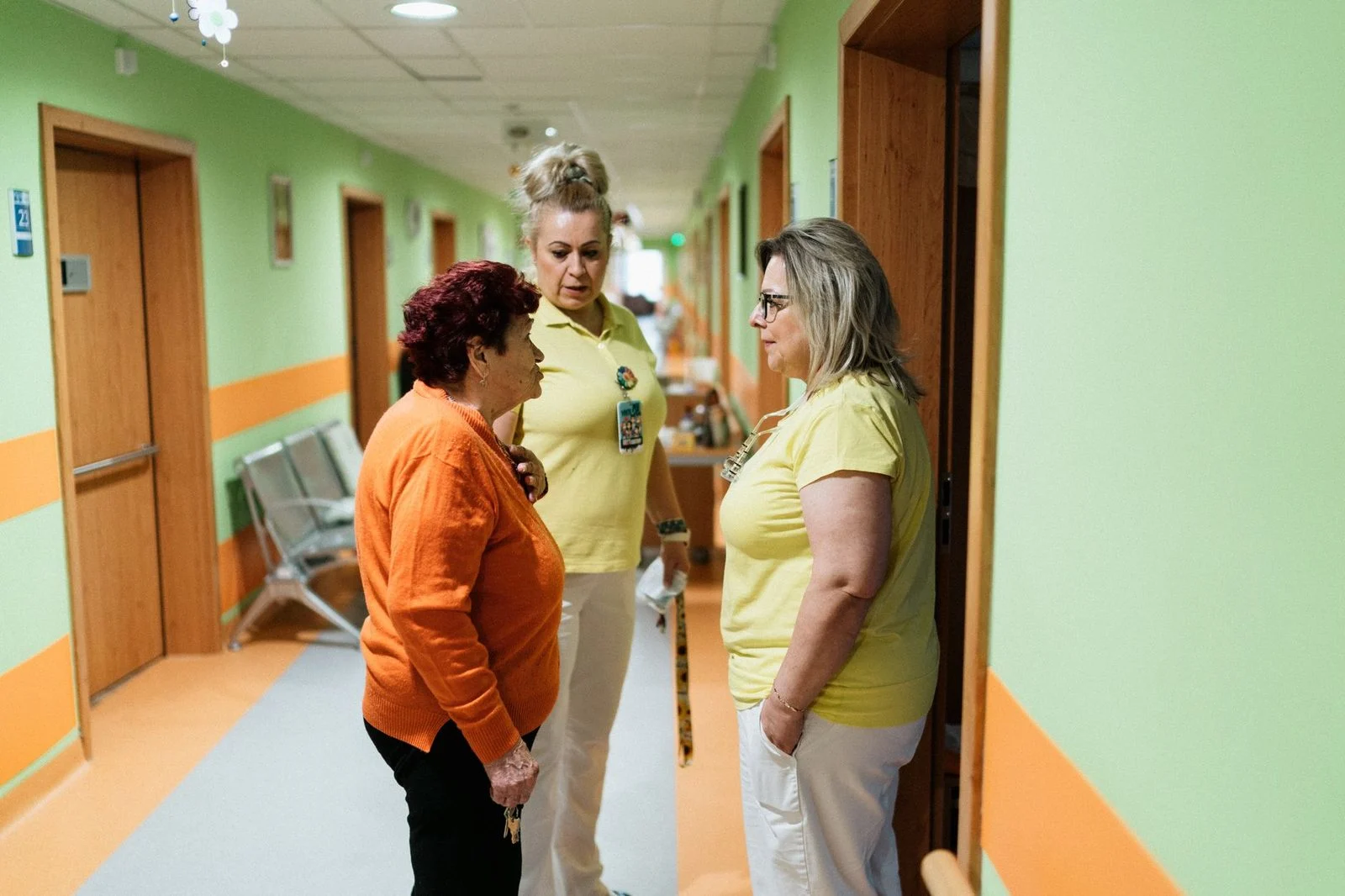
Talking with our team about your loved one’s situation
Waiting for answers about a parent or grandparent in a care facility is hard. You may be worried about how they are being treated today, or you may be grieving a loss and trying to understand what happened.
Slam Dunk Attorney is a personal injury firm based in Duluth, Georgia. Our team handles nursing home abuse and neglect claims and wrongful death cases across Georgia. Peter F. Jaraysi is the responsible lawyer for this page, and contact details appear in this page’s disclaimer.
If you want to talk through what you have noticed, you can request a free consultation. Our initial consultation is free, confidential, and carries no obligation to continue.
What Often Affects the Timeline
The Resident's Injuries
Serious harm, such as injuries that need ongoing treatment, can require time to document fully before a claim is evaluated.
Medical and Facility Records
Obtaining complete care notes, staffing logs, and incident reports often takes weeks or months, especially when records are disputed.
Number of Parties and Witnesses
Cases involving several facilities, companies, or staff members may need more time to identify everyone involved and gather statements.
Negotiations and Court Schedules
Insurance discussions can take time, and if a lawsuit is filed, the court's calendar also affects how quickly the case moves.
Why Early Questions Matter
Memories fade, records can be lost, and facility staff change over time. Speaking with our team early can help protect evidence while you focus on your loved one's care.
How a Nursing Home Abuse Case Typically Moves Forward
1. Free Initial Consultation
We listen to your concerns, answer your questions, and explain what information would help. The consultation is confidential and carries no obligation to continue.
2. Investigation and Records
Our team requests records, reviews care documentation, and works to understand what happened and when. This stage often takes the most time.
3. Evaluation and Negotiation
Once the facts are clearer, we discuss the claim with the responsible parties and their insurers. Some matters resolve during this stage.
4. Litigation When Needed
If a fair resolution cannot be reached, we may file a lawsuit. Court proceedings can extend the timeline, and we will keep you informed at each step.