
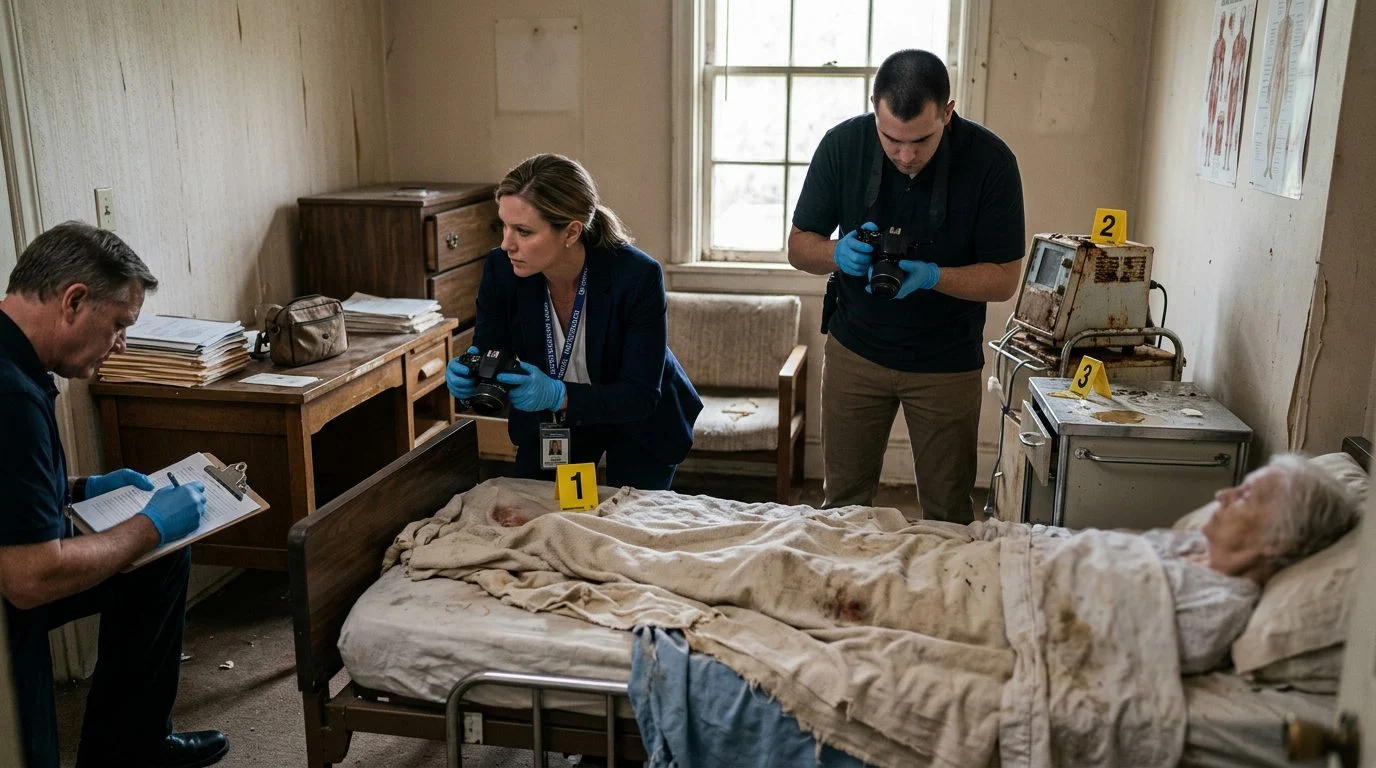
Nursing Home Abuse | Duluth, Georgia
When someone you love is harmed in a nursing home, your family deserves answers.
Slam Dunk Attorney represents Georgia families who are pursuing legal action after neglect or abuse in long-term care. Our firm is based in Duluth and serves metro Atlanta and communities across the state.
By Peter F. Jaraysi · Published November 4, 2026
Legal action for nursing home abuse is a civil claim. It asks a court to hold a facility or caregiver responsible for harm to a resident and to recover money for the losses that harm caused. Georgia law sets a duty of care for every nursing home resident, and it lets residents sue a facility that fails to meet it.
If you’re reading this, you may have noticed something wrong with a parent or relative. You may be worried, short on time, and unsure what comes next. This guide explains the steps in plain language, from safety and records through a possible lawsuit.
What Legal Action for Nursing Home Abuse Covers and Who It Is For
Legal action for nursing home abuse covers injuries and losses caused by abuse or neglect inside a long-term care facility. It is a civil case, which is separate from a criminal case. A prosecutor decides whether to bring criminal charges. A civil case is brought by the injured person or by someone acting for them.
This kind of claim often involves:
- A resident who was hurt by a staff member, or by a facility’s failure to provide basic care
- An adult child, spouse, sibling, or guardian who has noticed injuries, weight loss, or other sudden changes
- The family of a resident who died after harmful care
Slam Dunk Attorney handles nursing home abuse and neglect, nursing home negligence, and wrongful death claims. The firm is based in Duluth, Georgia, and serves metro Atlanta and clients across Georgia.
If someone you love may have been harmed in a care facility, you may have a claim, and our team can talk it through with you. Request a free case review today. Talk it through with our team — the first consultation is free, confidential, and carries no obligation.
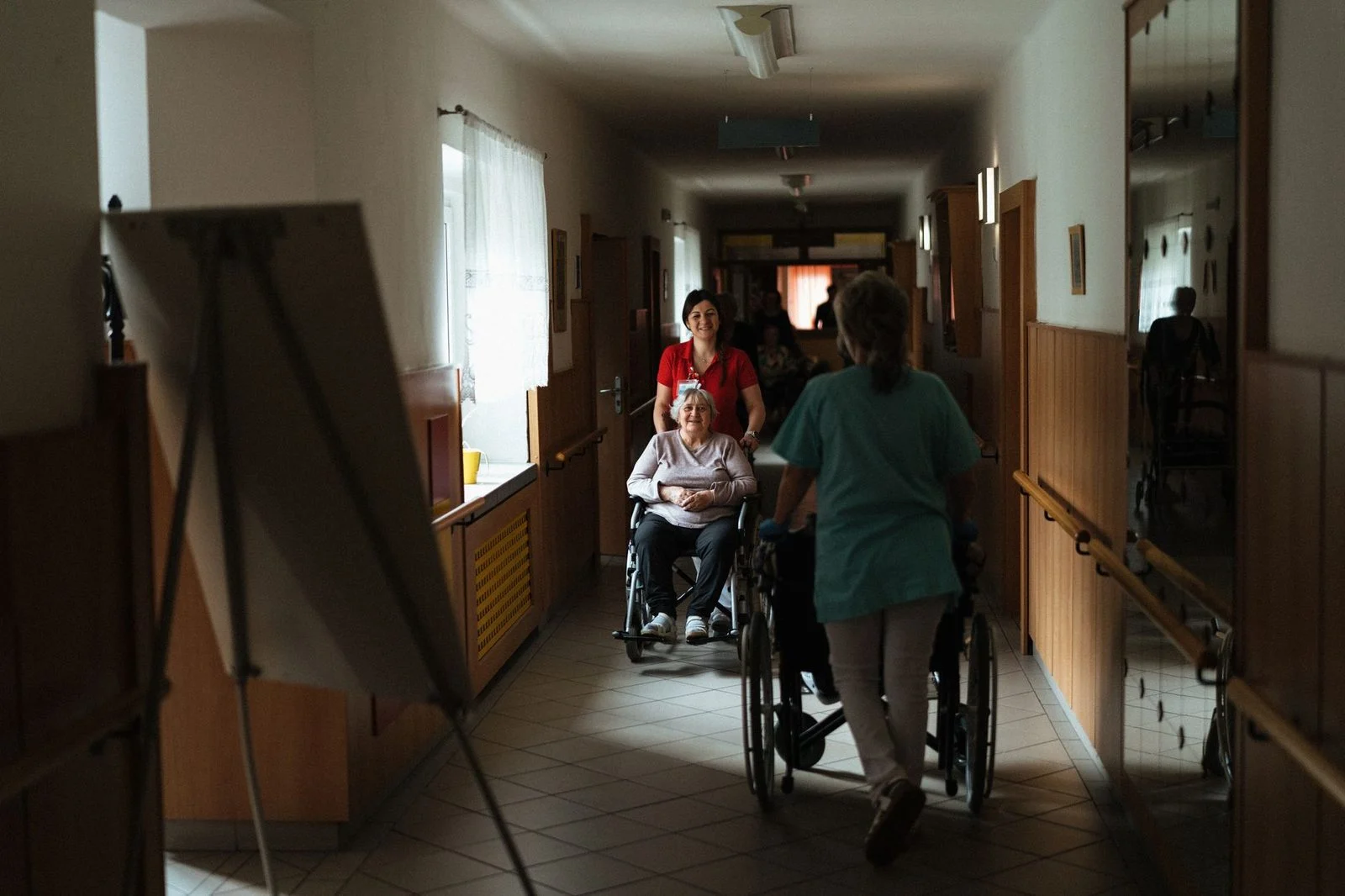
How Georgia Defines Abuse and Neglect
Georgia law sets the standard of care a nursing home must meet for each resident. Under O.C.G.A. § 31-8-108, each resident must receive care that is adequate and appropriate. That care must be given with reasonable care and skill, in line with applicable laws, without discrimination in quality based on how the care is paid for, with respect for the resident’s dignity and privacy, and with the goal of the resident’s return home or to a less restrictive setting.
Federal guidance also explains how abuse and neglect are defined for Medicaid providers. The CMS nursing home provider booklet describes these definitions and the penalties that can apply.
Families often see these harms in a few main forms:
- Physical abuse, such as hitting, rough handling, or unnecessary restraint
- Emotional or mental abuse, such as threats, humiliation, or isolation
- Sexual abuse
- Financial exploitation, such as taking money or property
- Neglect, such as bedsores, dehydration, malnutrition, falls, or medication errors
Abuse usually means someone acted on purpose. O.C.G.A. § 51-1-2 states that, in general, ordinary diligence is ‘that degree of care which is exercised by ordinarily prudent persons under the same or similar circumstances,’ and that ‘the absence of such diligence is termed ordinary negligence.’ O.C.G.A. § 51-1-2 describes that standard. Both can support a civil claim, but the proof is different.
Warning Signs to Watch For, Including in Residents With Dementia
Common warning signs are changes in the body, mood, or behavior that the facility cannot clearly explain. Look for these signs during visits and phone calls.
- Unexplained bruises, welts, fractures, or pressure sores
- Weight loss, dehydration, or poor hygiene
- Sudden withdrawal, fear of a certain staff member, or new agitation
- Depression or big changes in sleep
- Missing money, unexplained account changes, or papers signed under pressure
Residents with dementia face extra challenges. They may not be able to describe what happened. Watch for new confusion that gets worse after a staff change, falls with no clear cause, or unusual sedation or restraint.
A single sign rarely tells the full story. A pattern over time is easier to document and easier to explain. Keep a dated log. Write down what you saw, when you saw it, and who was on shift. Compare notes with other visitors, who may have noticed things you missed.
The First Steps: Safety, Evidence, and Reporting
Start with safety, then document what you see, then report it. Each step can be taken the same day.
- Protect the resident. Ask in writing for a care plan meeting. Move the resident if needed. Call 911 for any immediate danger or serious injury.
- Preserve evidence. Take photos of injuries. Keep dated notes, names of staff on shift, copies of incident reports, and any texts or emails with the facility.
- Request records. Under O.C.G.A. § 31-8-108, a resident may inspect and receive a copy of their medical records unless medically contraindicated. The facility may charge a fee, but it cannot exceed actual cost.
- Report the concern. The Georgia Department of Community Health oversees licensed nursing homes and explains how to report safety concerns. Georgia Adult Protective Services takes reports of abuse. The Georgia Long-Term Care Ombudsman Program also supports residents and families.
Keep two tracks separate in your mind. A report to a regulator is one track. A civil claim is the other. Making a report does not, by itself, start a lawsuit. Keep a copy of every report you make.
Who Can Be Held Responsible for Abuse or Neglect
A facility, its owner or operator, an individual caregiver, or a third party can each be responsible for harm, depending on what happened. The facility answers for its own policies, staffing, and supervision. Contractors, such as therapy providers or pharmacies, may be responsible when their errors contribute to harm.
Georgia law makes a person liable for torts committed by a servant within the scope of their business, whether the act was negligent or intentional. See O.C.G.A. § 51-2-2.
Georgia law separates two kinds of money loss. General damages are presumed to flow from a wrong and can be recovered without proof of an amount. Special damages must be proved. Medical bills are one example. Under O.C.G.A. § 51-12-2, general damages are those the law presumes to flow from any tortious act and may be recovered without proof of any amount, while special damages are those that actually flow from a tortious act and must be proved in order to be recovered.
If a resident died, Georgia law allows certain family members to bring a wrongful death claim. See O.C.G.A. § 51-4-2. Prosecutors decide on criminal charges. The family does not.
From Report to Lawsuit: The Process and Timeline
A legal action usually moves through a review, an investigation, an optional demand, a court filing, and then discovery. The timing depends on the facts of each case.
- Initial review. Gather the facts, records, and timeline. Identify who may be responsible.
- Investigation. Request complete records. Collect witness statements. Review staffing and any regulatory history.
- Demand and negotiation. Where appropriate, the claim is presented before any court filing.
- Filing. A complaint is filed in the proper Georgia court. Some admission agreements include arbitration clauses that affect where a claim is heard, so review them early.
- Discovery. Both sides exchange evidence. If the case does not resolve, it may go to trial, which can take many months or longer.
Deadlines matter. Georgia’s general deadline for personal injury actions is two years after the right of action accrues. See O.C.G.A. § 9-3-33. Waiting can cost you important rights. The firm can confirm which deadline applies to a specific situation, including a wrongful death claim.
Not sure what your next step is?
Talk it through with our team — the first consultation is free, confidential, and carries no obligation.
Frequently Asked Questions About Legal Action for Nursing Home Abuse
Can a nursing home be held liable for abuse by one staff member?
Yes, in many cases. A facility can answer for its own policies and for staff acting within their job.
Do I need to report to the state before I talk to a lawyer?
No. You can do both. A report to the state does not replace a civil claim.
What if my parent has dementia and cannot describe what happened?
Records, witness statements, and documented changes in condition often become central. Start your dated log now.
Can I bring a claim if my parent has died?
Georgia law allows certain family members or a personal representative to bring a wrongful death claim. The firm can explain who qualifies.
What does a first consultation involve?
The first consultation is free, confidential, and carries no obligation to continue. If a case moves forward, you may still owe court costs and case expenses.
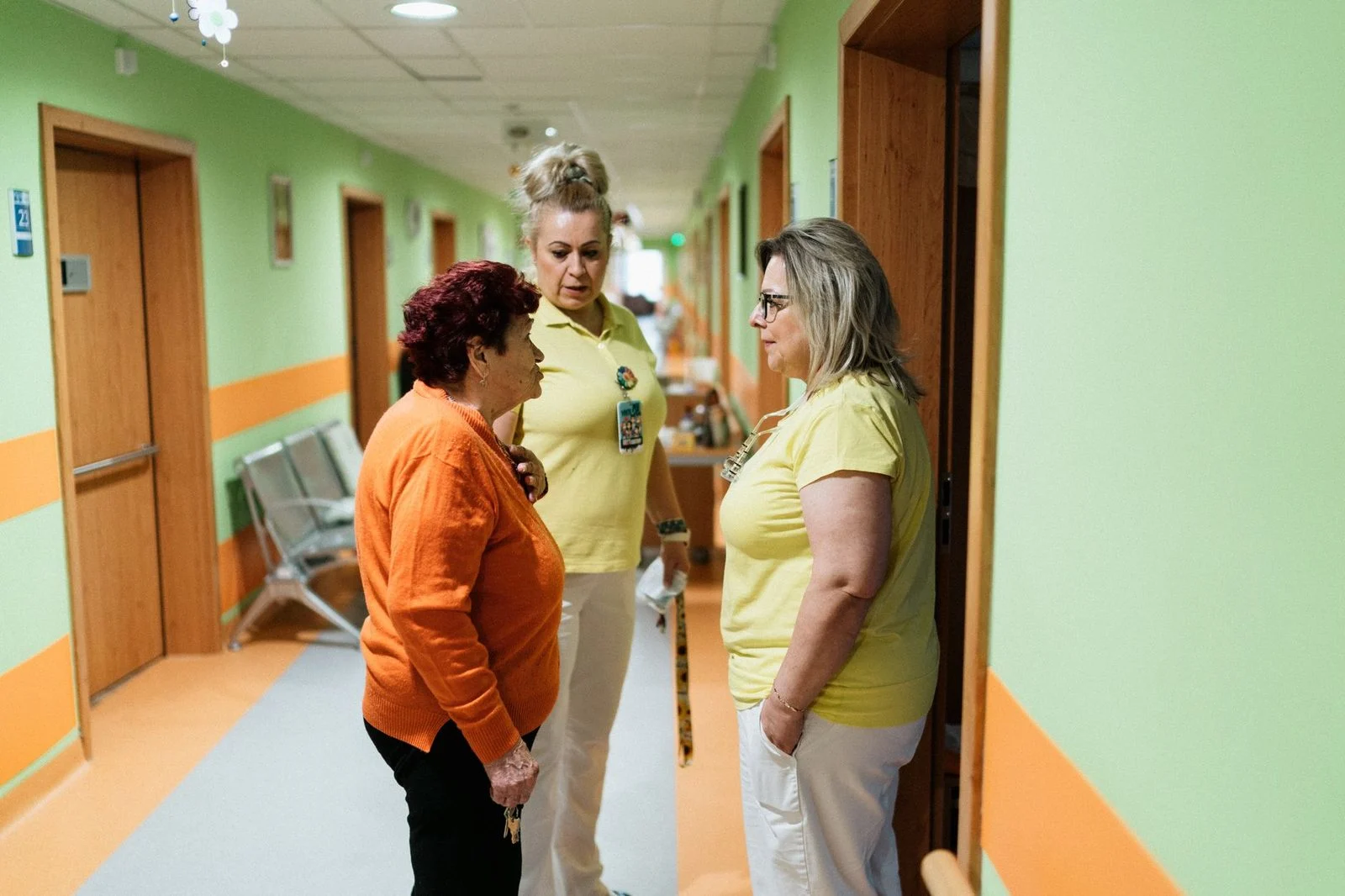
Talk With Our Team About Your Family’s Situation
Our team can review your family’s situation and explain the next steps in plain terms. Slam Dunk Attorney handles nursing home abuse and neglect and wrongful death matters for families in Georgia. Peter F. Jaraysi is the responsible lawyer for this page, and Brian D. Wright is also among the firm’s lawyers, supported by office staff.
Bring the dates, names, photos, and any records you have. They help the team understand what happened and when.
If someone you love may have been harmed in a care facility, you may have a claim, and our team can talk it through with you. Request a free case review today.
Disclaimer: This page is general information, not legal advice, and no particular result is promised. Peter F. Jaraysi is the responsible lawyer for this page at Slam Dunk Attorney, Duluth, Georgia. Contact details are on our contact page.
How our team can help your family
Careful review of the facts
We look at medical records, facility documentation and the events that led to your loved one's injuries so the picture is clear.
Accountability for those responsible
We examine whether the facility, its staff or its contractors failed to meet their duty of care, and we pursue the claims that the facts support.
Plain-language updates
Our lawyers and support staff explain each step in terms you can understand, so you always know where your case stands.
Attention to the whole family
We understand that abuse and neglect affect everyone who cares for a resident. We listen first and plan around what matters most to you.
Act on your concerns early
Medical records, incident reports and witness recollections can change or disappear over time. If you suspect abuse or neglect, write down what you have observed, keep copies of any paperwork, and speak with a lawyer as soon as you can.
Warning signs families often notice
Unexplained injuries
Bruises, fractures, burns, cuts or pressure sores that the facility cannot clearly explain.
Declining hygiene or nutrition
Weight loss, dehydration, unwashed clothing or bedding, or missed medications and care.
Changes in mood or behavior
Fear of particular staff, withdrawal, agitation, or a sudden reluctance to speak openly.
Unsafe conditions
Wandering or falls that go unaddressed, missing equipment, or a facility that does not respond to your concerns.