
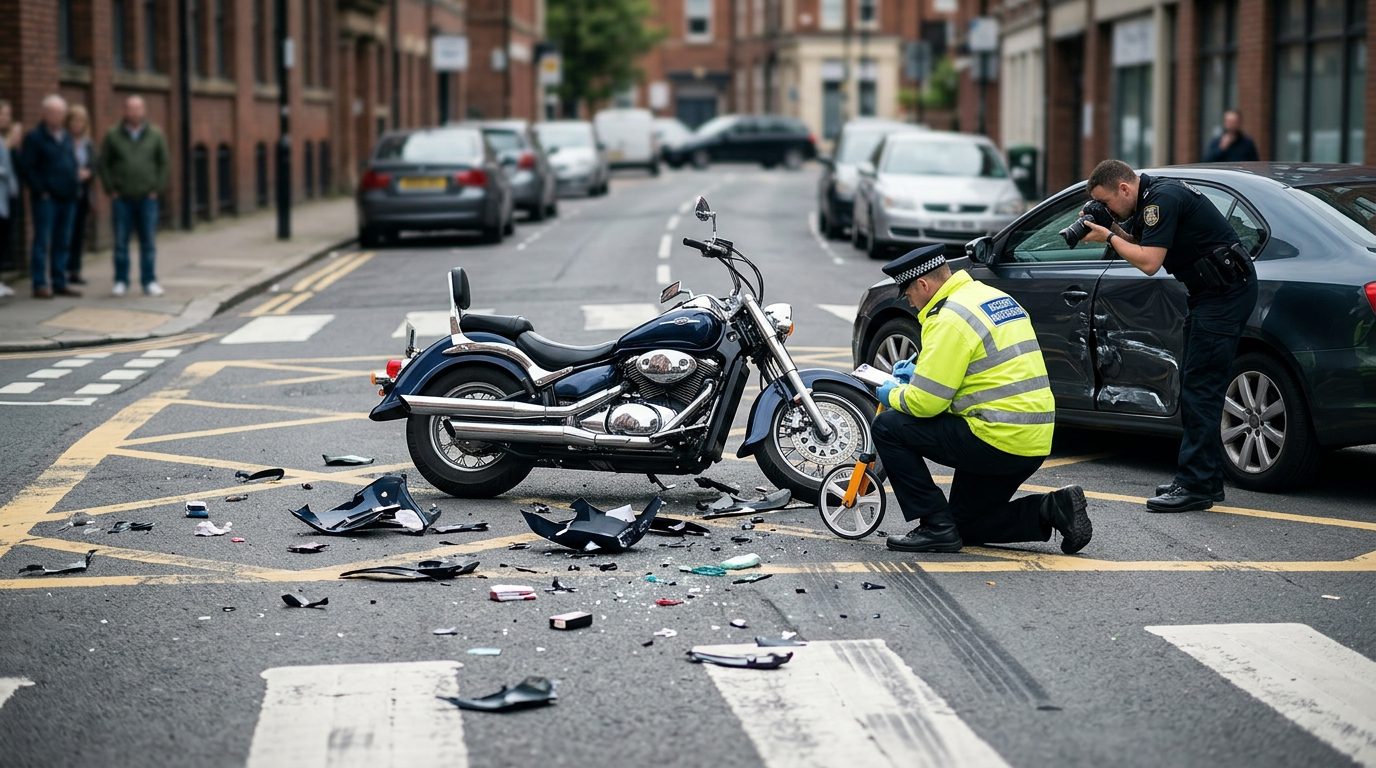
Motorcycle Accidents
Injured in a Motorcycle Accident? We're Here to Help
Legal representation for riders injured in Georgia. Get a free case review today.
By Peter F. Jaraysi · Published September 14, 2026
Motorcycle Accidents: Legal Help for Injured Riders in Georgia
Motorcycle accidents typically cause far more severe injuries than car accidents because riders have no protective shell, airbags, or crumple zones—and injured riders often face unfair bias from insurance companies and other parties, even when liability is clear. If you’ve been hurt in a motorcycle accident in Georgia, understanding your legal rights and the unique challenges riders face is a useful first step.
This guide explains what makes motorcycle accidents different, the injuries riders commonly suffer, how liability works under Georgia law, and when legal representation may be worth considering while you seek compensation.
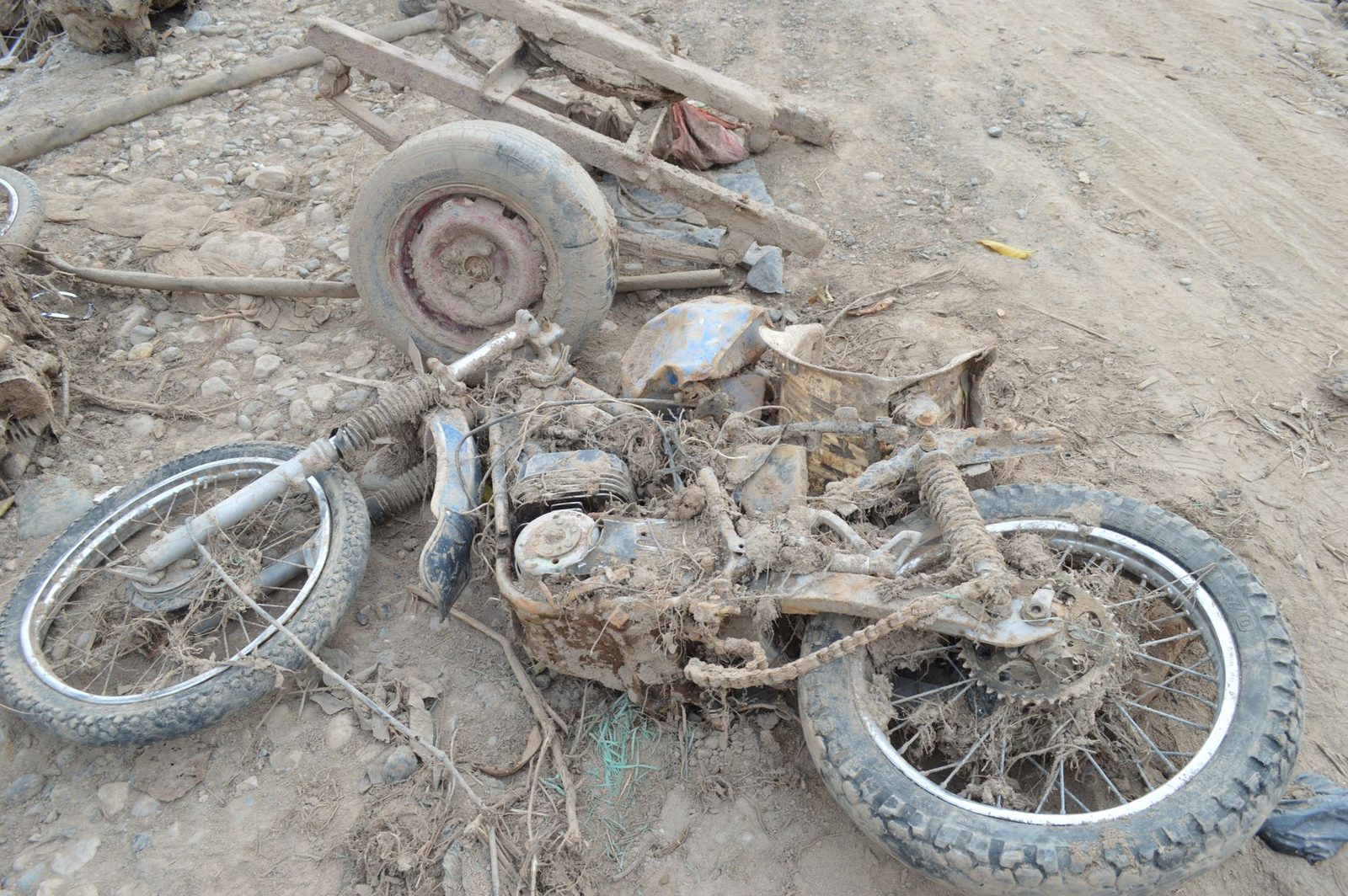
If you're injured in a motorcycle accident caused by another party, you may recover several types of damages. Talk it through with our team — the first consultation is free, confidential, and carries no obligation.
Motorcycle Accidents: Why They’re Different
Motorcycles offer no protection between you and the road, which is why motorcycle accidents produce injuries far more severe than similar collisions involving cars.
A car’s steel frame, airbags, and crumple zones absorb impact energy and shield occupants. A motorcycle rider absorbs that energy directly. Road rash (abrasion injuries from sliding across pavement), fractures, spinal cord injuries, and traumatic brain injuries are routine in crashes that would leave a car driver relatively unharmed. The physical toll is compounded by a second, often invisible injury: bias.
Riders routinely encounter unfair assumptions from insurance adjusters, opposing counsel, and even jurors. Stereotypes about motorcycle riders—that they’re reckless, that they “asked for it,” that helmets and gear prove negligence—can cloud judgment about who actually caused the accident.
Medical costs in motorcycle accident cases are typically substantial. Spinal cord injuries, for example, can result in partial or complete paralysis and require lifelong care. Even “minor” motorcycle accidents often lead to chronic pain, permanent disability, and long-term loss of earning capacity. These realities shape what fair compensation looks like.
Common Causes of Motorcycle Accidents
Motorcycle accidents can have many causes, and the facts of each crash matter.
Left-turn collisions are among the most common. A driver turning left across the path of an oncoming motorcycle may misjudge the rider’s speed or fail to see the bike, though who is at fault depends on the facts of each crash. The motorcycle’s smaller profile makes it easier to miss, and the closing speed can be deceptive.
Lane-change accidents occur when a driver merges or changes lanes without checking blind spots. Motorcycles fit into spaces cars don’t, making them invisible to drivers who fail to look carefully.
Rear-end collisions happen when a driver following too closely can’t stop in time, or when a distracted driver doesn’t notice the motorcycle ahead.
Road hazards—potholes, gravel, debris, standing water—affect motorcycles far more severely than cars. A pothole that a car tire rolls over can throw a motorcycle off balance or cause a crash. Poor road maintenance, particularly on Georgia highways and local roads, creates hazards that riders can’t always avoid.
Unsafe driving by other motorists—speeding, distracted driving (texting, eating, adjusting the radio), impaired driving, and reckless behavior—accounts for the majority of motorcycle accidents. These are the driver’s choices, not the rider’s.
Injuries Common in Motorcycle Accidents
The injuries riders suffer in accidents reflect the lack of protection motorcycles provide.
Road rash is skin and soft tissue damage from sliding across pavement. It ranges from minor abrasions to severe burns and scarring that require skin grafts and long-term wound care.
Fractures and broken bones are routine. Riders commonly break arms, legs, ribs, and vertebrae. Compound fractures (where bone breaks through skin) carry risk of infection and permanent deformity.
Head and brain injuries occur even when riders wear helmets. Traumatic brain injury (TBI) ranges from concussions to severe brain damage that affects memory, cognition, mood, and physical function. TBI can be invisible on first inspection but reveal itself days or weeks later.
Spinal cord injuries can result in partial or complete paralysis. Spinal cord injuries often require lifelong medical care, adaptive equipment, and home modifications.
Internal injuries—organ damage, internal bleeding, ruptured blood vessels—may not be immediately obvious but can be life-threatening. Abdominal trauma from impact or blunt force to the chest can cause bleeding that develops over hours.
Chronic pain and permanent disability are common long-term effects. Many riders experience ongoing pain, reduced mobility, and inability to return to work or previous activities. These effects compound over a lifetime.
Liability in Motorcycle Accidents
).
Under Georgia’s comparative negligence law, the court or jury determines each party’s percentage of fault based on the evidence. If you’re found 30% at fault and the other driver 70% at fault, the amount you can recover may be reduced under this rule, and how it applies depends on the facts of your case and any exceptions, so consult a lawyer about your own situation.
Proving fault requires solid evidence: the police accident report, witness statements, photos of the scene and vehicle damage, medical records, and sometimes accident reconstruction by an expert who analyzes vehicle damage, road conditions, and physics to determine how the crash happened.
Bias against riders can complicate liability disputes. An insurance adjuster might suggest the rider was speeding or weaving through traffic without evidence, simply because of stereotypes. Opposing counsel may argue the rider should have seen the other vehicle coming, ignoring the reality that a motorcycle is harder to spot. Objective evidence and, where appropriate, expert testimony are often used to respond to these unfair assumptions.
Wearing a helmet and protective gear does not reduce your right to compensation. Safety equipment is smart, but it doesn’t mean you were at fault. Some parties may argue that gear shows risky behavior, but how fault is decided depends on the facts of each accident, so consult a lawyer about your own case.
Damages You May Be Entitled To
If you’re injured in a motorcycle accident caused by another party, you may recover several types of damages.
Medical expenses include emergency care, surgery, hospitalization, rehabilitation, ongoing treatment, and future medical needs. In cases involving spinal cord injury or TBI, future medical needs may continue over a long period.
Lost wages cover income you lost while recovering and, if your injuries are permanent, reduced earning capacity—the difference between what you earned before and what you can earn now.
Pain and suffering compensates you for physical pain, emotional distress, loss of enjoyment of life, and reduced quality of life. This category acknowledges the non-financial toll of serious injury.
Property damage covers repair or replacement of your motorcycle and protective gear.
Wrongful death claims arise if a rider is killed. Surviving family members may recover damages for loss of financial support, loss of companionship, and funeral expenses.
If you've been hurt in a motorcycle accident and you're navigating insurance claims while recovering from injuries, you don't have to face it alone. Talk it through with our team — the first consultation is free, confidential, and carries no obligation.
What to Do After a Motorcycle Accident
The steps you take immediately after an accident shape your legal case and your recovery.
Seek medical attention immediately, even if injuries seem minor. Some injuries—internal bleeding, spinal cord damage, TBI—don’t show symptoms right away. A medical evaluation creates a record linking your injuries to the accident, which is critical for your claim.
Call police and request a copy of the accident report. The report documents the scene, statements from drivers and witnesses, and often the officer’s initial assessment of fault.
Document the scene with photos and video. Capture vehicle damage, road conditions, traffic signs, weather, and skid marks. These details matter when liability is disputed.
Gather witness information: names, phone numbers, and brief statements from people who saw the accident. Witnesses are often unavailable later, so collect their information at the scene.
Do not admit fault to the other driver or their insurance company. Avoid saying things like “I didn’t see you coming” or “I should have slowed down.” Insurance adjusters will use your words against you.
Do not sign anything from the other driver’s insurance company without legal advice. Adjusters sometimes ask you to sign medical releases or settlement documents before you understand your full injury and your rights.
Contact an attorney before giving a recorded statement to an insurance adjuster. Adjusters are trained to ask questions that elicit answers they can use to deny or minimize your claim. An attorney can advise you on what to say and may handle communication with the insurance company on your behalf.
Why You Need a Motorcycle Accident Attorney
Insurance companies are businesses whose interests may differ from yours.
Motorcycle accident claims can raise complex questions about fault, evidence, and damages.
Investigation and evidence play a central role in many motorcycle accident claims. Attorneys may work with accident reconstructionists to analyze the crash, medical experts to explain the severity and long-term impact of your injuries, and investigators to interview witnesses and gather evidence.
Negotiation and settlement can be part of how motorcycle accident claims are resolved. Negotiation is often part of resolving a motorcycle accident claim, and the approach depends on the facts of each case. An attorney can review the strengths and weaknesses of your case with you and discuss any settlement offers you receive.
Trial representation matters if settlement talks fail. If your case goes to court, an attorney can present evidence to a jury and respond to the other side’s arguments on your behalf.
Motorcycle Accidents Across Georgia
Motorcycle accidents happen everywhere, but the legal landscape varies by location.
In Atlanta and metro Atlanta areas, high traffic volume means frequent accidents. Local knowledge of courts, judges, insurance practices, and jury attitudes is valuable. Attorneys based in the area understand how local juries view motorcycle accident cases and how to present evidence effectively.
In suburban and rural Georgia—including Lawrenceville, Johns Creek, Alpharetta, Marietta, Norcross, Kennesaw, and Dunwoody—road conditions, traffic patterns, and jury attitudes differ from urban areas. Representation familiar with local courts and community values matters.
Slam Dunk Attorney serves injured riders throughout Georgia, from metro Atlanta to rural areas. Our team understands Georgia law, local courts, and the unique challenges riders face across the state.
How Slam Dunk Attorney Helps Motorcycle Accident Victims
We approach motorcycle accident cases with transparency, empathy, and legal experience.
Transparent communication means we explain your rights, the legal process, and realistic expectations in plain language. We don’t make promises we can’t keep or guarantee outcomes. We tell you what we know, what we don’t know, and how we’ll work to build your case.
Empathetic representation acknowledges the physical, emotional, and financial toll a motorcycle accident takes. We listen to your story, understand what you’ve lost, and fight for compensation that reflects your actual damages.
Thorough investigation is how we counter bias and build strong cases. We gather evidence, interview witnesses, obtain medical records, and work with experts to prove liability and document your injuries.
Aggressive negotiation means we don’t accept lowball offers. We know what your case is worth and we push insurance companies and at-fault parties to pay fairly.
No upfront fees means we work on a contingency basis. You pay us only if we recover compensation for you. We handle the costs of investigation, expert witnesses, and court filings. You’re not out of pocket while we work your case. (Note: while we don’t charge attorney fees unless we recover, you may still owe case costs such as court filing fees, expert witness fees, or medical record retrieval costs, depending on your case and the outcome.)
Local experience matters. Based in Duluth, Georgia, we know the courts, judges, juries, and insurance practices across metro Atlanta and Georgia. We handle motorcycle accident cases in Lawrenceville, Johns Creek, Alpharetta, Marietta, Norcross, Kennesaw, Dunwoody, and throughout the state.
Not sure what your next step is?
Talk it through with our team — the first consultation is free, confidential, and carries no obligation.
Next Steps: Getting Help After Your Motorcycle Accident
Time is critical. Georgia has a statute of limitations for personal injury claims—a deadline after which you lose the right to sue. Waiting too long can bar your case entirely, even if you have a strong claim.
A free consultation with our team is an opportunity to discuss your accident, your injuries, and your legal options without obligation. We’ll listen to what happened, answer your questions, and explain what comes next.
Frequently Asked Questions
Can I recover damages if I was partially at fault for the motorcycle accident?
Yes, under Georgia’s comparative negligence rule, you can recover damages if you’re less than 50% at fault (O.C.G.A. § 51-12-33; Quynn v. Hulsey, 310 Ga. 473 (2020)). Your recovery is reduced by your percentage of fault (O.C.G.A. § 51-12-33; Quynn v. Hulsey, 310 Ga. 473 (2020)).
What should I do immediately after a motorcycle accident?
Seek medical attention, call police, document the scene with photos, gather witness information, and contact an attorney before speaking to an insurance adjuster.
Do I need a lawyer for a motorcycle accident claim?
An attorney is not legally required, but experienced legal representation significantly improves your chances of fair compensation, especially when bias against riders complicates your claim.
How long does a motorcycle accident case take to settle?
Most cases settle within months, but complex cases involving serious injuries or disputed liability may take longer. Your attorney can give you a realistic timeline based on your specific circumstances.
What types of damages can I recover?
Medical expenses, lost wages, pain and suffering, property damage, and in wrongful death cases, damages for loss of support and companionship.
If you’ve been hurt in a motorcycle accident and you’re navigating insurance claims while recovering from injuries, you don’t have to face it alone. Riders across Georgia in your exact situation—weighing whether they’ll get fair treatment from insurance companies, uncertain about their legal rights—can reach out to us for a free case review. We’ll listen to your story, answer your questions, and explain your options. Contact Slam Dunk Attorney today to get started.
Why Choose Slam Dunk Attorney for Your Motorcycle Accident Claim
Focused on Personal Injury
We focus exclusively on personal injury cases, including motorcycle accidents. Our practice centers on helping injured people recover.
Serving Metro Atlanta and Georgia
Based in Duluth, Georgia, we represent clients throughout the Atlanta area and across the state.
Transparent Communication
We explain your options in plain language and keep you informed every step of the way.
No Fees Unless There Is a Recovery
We work on contingency. You pay no attorney fees unless there is a recovery in your case. You may still be responsible for case costs.
Act Quickly
Georgia law sets time limits for filing personal injury claims (O.C.G.A. § 9-3-33; Cameron v. JMP Pizza, Inc. (2026)). Waiting too long can affect your ability to pursue compensation. Contact us promptly to protect your rights.
What to Do After a Motorcycle Accident
Seek Medical Attention
Your health comes first. Get evaluated by a medical professional even if you feel okay. Some injuries appear later.
Report the Accident
Call police to file an official report. This creates an important record of what happened.
Document the Scene
Take photos of the accident scene, vehicle damage, road conditions, traffic signs, and any visible injuries if it's safe to do so.
Gather Information
Collect the other driver's name, phone number, address, insurance details, and license plate. Get contact information from any witnesses.
Common Questions About Motorcycle Accident Claims
Can I recover if I was partially at fault?
Under Georgia's comparative negligence rule, you may recover damages even if you share some responsibility for the accident—as long as you are less than 50% at fault (O.C.G.A. § 51-12-33; Quynn v. Hulsey, 310 Ga. 473 (2020)). Your recovery is reduced by your percentage of fault (O.C.G.A. § 51-12-33; Quynn v. Hulsey, 310 Ga. 473 (2020)).
What damages can I seek?
Depending on your case, you may pursue compensation for medical expenses, lost wages, property damage, pain and suffering, and other losses. We evaluate the full scope of your claim.
How long does a case take?
Every case is different. Some settle quickly; others require more time. We work toward fair resolution while protecting your interests.
What if the other driver was uninsured?
Georgia law provides options for uninsured motorist coverage. We explore all available avenues to help you recover.