

Motorcycle Accidents | Metro Atlanta and Georgia
Filing a Motorcycle Accident Insurance Claim in Georgia? Start With a Clear Plan
Insurance claims after a motorcycle crash can involve several insurers, deadlines and detailed paperwork. Here is how the process generally works, and how our team can help you take the next step.
By Peter F. Jaraysi · Published October 21, 2026
Motorcycle Accident Insurance Claim Process in Georgia: A Step-by-Step Guide
After a motorcycle accident in Georgia, you’ll need to navigate an insurance claim process that involves documentation, investigation, and negotiation. Understanding each step—from the accident scene to settlement—helps you protect your rights and avoid costly mistakes.
If your motorcycle accident claim has stalled, the insurer's offer seems low, or you're unsure what happens next, reach out to discuss your situation and what it might mean for your recovery. Talk it through with our team — the first consultation is free, confidential, and carries no obligation.
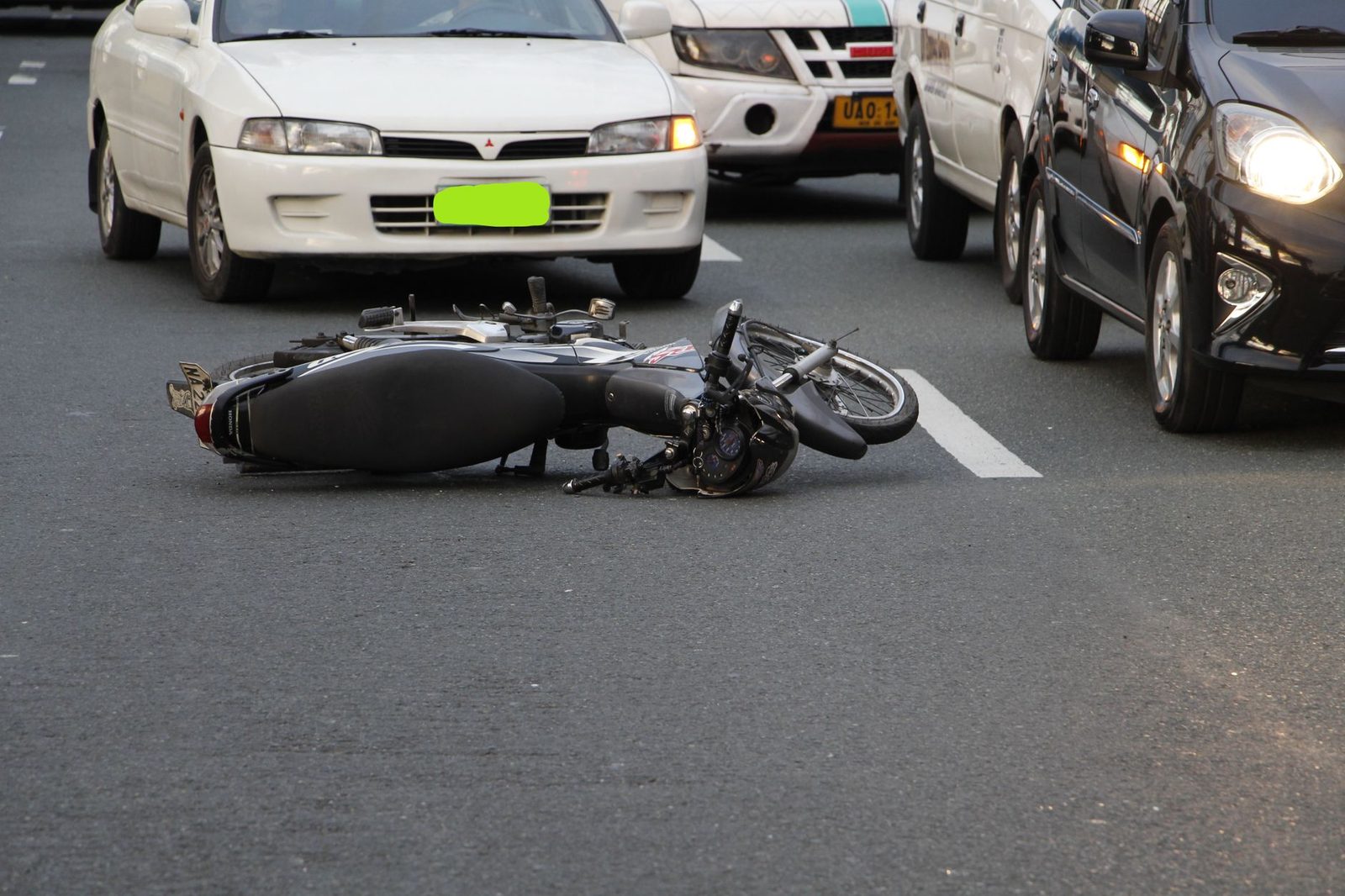
What Happens Right After a Motorcycle Accident in Georgia
Your first priority is safety and medical attention. Move to a safe location if possible, and call 911 if anyone is injured or damage is significant. Even minor-seeming injuries can worsen hours or days later, so seek medical evaluation regardless of how you feel immediately after the crash.
Document everything at the scene. Take photos of your motorcycle, the other vehicle, road conditions, traffic signals, debris, and weather. Get the names, phone numbers, and addresses of any witnesses. Exchange information with the other party: name, phone, address, insurance company, policy number, and vehicle details. A police report can be a useful record of an accident, and our team can explain how it may be used in your case.
Notifying Your Insurance Company
Contact your insurer as soon as possible. Most policies require prompt notice, and delays can jeopardize your claim. Have your policy number and accident details ready. Provide a factual account of what happened without admitting fault or speculating about causes. Ask for the name and contact information of the claims adjuster assigned to your case, and request a summary of your coverage limits and what is covered.
Keep detailed records of every communication: dates, times, names of representatives, and what was discussed. These records protect you if disputes arise later.
The Insurance Claims Investigation Process
Your insurer will assign a claims adjuster to investigate the accident. The adjuster reviews the police report, medical records, repair estimates, and witness statements to determine liability and coverage.
The adjuster’s job is to determine who was at fault and whether the accident falls within your policy coverage. This process typically takes weeks to months depending on the complexity of the accident and the severity of your injuries.
You may be asked to give a recorded statement to the adjuster. Many people provide statements without legal advice and later regret it, so consider this decision carefully.
Documentation You’ll Need to Gather
Collect and organize everything related to the accident and your injuries:
- Police report and accident report number
- Medical records and bills from all treatment related to the accident
- Proof of lost wages if you missed work due to injury
- Repair estimates or invoices for motorcycle damage
- Photos and videos from the accident scene
- Witness statements and contact information
- Your insurance policy and declarations page
- Receipts for any out-of-pocket expenses (medications, transportation, etc.)
The more complete your documentation, the stronger your claim. Insurance companies use this evidence to calculate damages and verify your losses.
How Insurance Companies Evaluate Motorcycle Claims
Adjusters follow a standard process to evaluate your claim:
Liability determination starts with analyzing the accident circumstances and Georgia law to decide who was at fault. Causation is whether the accident directly caused your injuries. Damages calculation includes medical expenses, lost income, property damage, and pain and suffering. Policy limits set the maximum the insurer will pay under your coverage.
Georgia follows a modified comparative fault rule. Under O.C.G.A. § 51-12-33, if the plaintiff is to some degree responsible for the injury or damages claimed, the judge reduces the damages awarded to the plaintiff in proportion to the plaintiff’s percentage of fault, and the plaintiff is not entitled to receive any damages if the plaintiff is 50 percent or more responsible for the injury or damages claimed.
Adjusters often make initial settlement offers that are lower than the full value of your claim. This is standard practice and does not mean the offer is final. You have the right to counter-offer and negotiate.
Not sure what your next step is?
Talk it through with our team — the first consultation is free, confidential, and carries no obligation.
The Settlement Negotiation Phase
After the investigation, the insurer makes an initial settlement offer. You are not obligated to accept it. Review the offer against your documented damages: medical bills, lost wages, repair costs, and any ongoing treatment needs.
If the offer is too low, submit a counter-offer with supporting documentation. Negotiations may take several rounds of back-and-forth communication. Many claims settle during this phase when both sides recognize the value of avoiding a lawsuit.
Questions about disagreements with an insurer can be discussed during a free consultation with our team. The threat of litigation often moves negotiations forward because the insurer knows a jury trial carries uncertainty and cost.
Timeline: How Long Does a Motorcycle Accident Claim Take
Claim duration varies widely:
- Simple claims with clear liability and minor injuries: 1–3 months
- Moderate claims with some liability dispute or moderate injuries: 3–6 months
- Complex claims with serious injuries, multiple parties, or significant liability disputes: 6 months to 2+ years
Medical records grow stale, witness memories fade, and evidence deteriorates. Act promptly to preserve your claim.
When to Consider Legal Representation
You may benefit from legal guidance if:
- Your injuries are serious or will require ongoing treatment
- The insurer disputes liability or offers significantly less than your documented damages
- You are unsure whether the settlement offer is fair
- You have been asked to sign a release or settlement agreement and want it reviewed
- The other party was uninsured or underinsured
- Multiple parties are involved or the accident circumstances are complex
An attorney can handle negotiations with the insurer, review settlement offers, and protect your rights throughout the process. Our team can review any settlement offer with you so you understand what is being proposed.
Common Mistakes to Avoid During Your Claim
Delaying notification to your insurer can jeopardize your claim. Posting about the accident on social media gives the insurer ammunition—they monitor these posts and may use them against you. Giving a recorded statement to the other party’s insurer without legal advice is risky; what you say can be used to reduce your settlement.
Accepting the first settlement offer without understanding your full damages is a costly mistake. Failing to document medical treatment or expenses weakens your claim because these are critical to its value. Discussing fault or apologizing at the accident scene can be used against you; let the investigation determine liability.
Signing documents without reading them or having them reviewed is dangerous. Settlement agreements and releases often contain language that limits your future rights.

Frequently Asked Questions
How long do I have to file a motorcycle accident claim in Georgia?
You have two years from the date of injury to file a lawsuit, but filing an insurance claim should happen immediately after the accident.
How do I approach a claim with the other driver’s insurer?
Every situation is different. Contact our team for a free consultation to discuss your options.
What if I was partially at fault for the accident?
Georgia allows you to recover even if you are partially at fault, but your recovery is reduced by your percentage of fault (O.C.G.A. § 51-12-33; Quynn v. Hulsey, 310 Ga. 473 (2020)). If you are 50 percent or more at fault, you cannot recover anything (O.C.G.A. § 51-12-33; Quynn v. Hulsey, 310 Ga. 473 (2020)).
What kinds of losses are discussed in these cases?
Injury claims may involve medical costs, lost income, and other losses. Our team can explain what may apply to your situation.
Should I review my own insurance policy?
Reviewing your policy and coverage options can be helpful, and our team can discuss questions about your coverage during a free consultation.
The motorcycle accident insurance claim process in Georgia requires careful documentation, clear communication, and realistic expectations about timing. If your claim has stalled, the insurer’s offer seems unfair, or you’re unsure what your next step should be, you can contact Slam Dunk Attorney to discuss your situation. Our team offers a free first consultation that is confidential and comes with no obligation to continue.
How Our Team Supports Riders and Their Families
Plain-Language Guidance
We explain each stage of the insurance claim in clear terms, so you know what is happening and why.
Organized Documentation
We help gather the police report, medical records, repair estimates and other evidence that supports your claim.
Protection From Insurer Pressure
Adjusters may move quickly. We handle communications with insurance companies so you can focus on recovery.
Attention to Serious Injuries
We understand how serious crashes affect work, daily life and long-term health, and we account for those impacts.
Important: Be Careful Before Speaking With an Insurer
Insurance adjusters may ask for a recorded statement soon after a crash. Their questions can seem routine, but your words may be used later in evaluating your claim. Talk with a lawyer before giving a recorded statement or signing any release.
Common Steps in a Motorcycle Insurance Claim
1. Get Medical Care and Report the Crash
Seek medical attention right away, even if injuries seem minor. Make sure the accident is documented with law enforcement.
2. Preserve Evidence
Photos of the scene, your motorcycle and your gear, witness contact details and records of lost wages can all matter later.
3. Notify the Insurers
Report the accident to your own insurer and to the other driver's insurer. Keep records of every call, letter and claim number.
4. Review the Claim With a Lawyer
Before accepting any settlement offer, have a lawyer review your injuries, expenses and the insurer's position.