
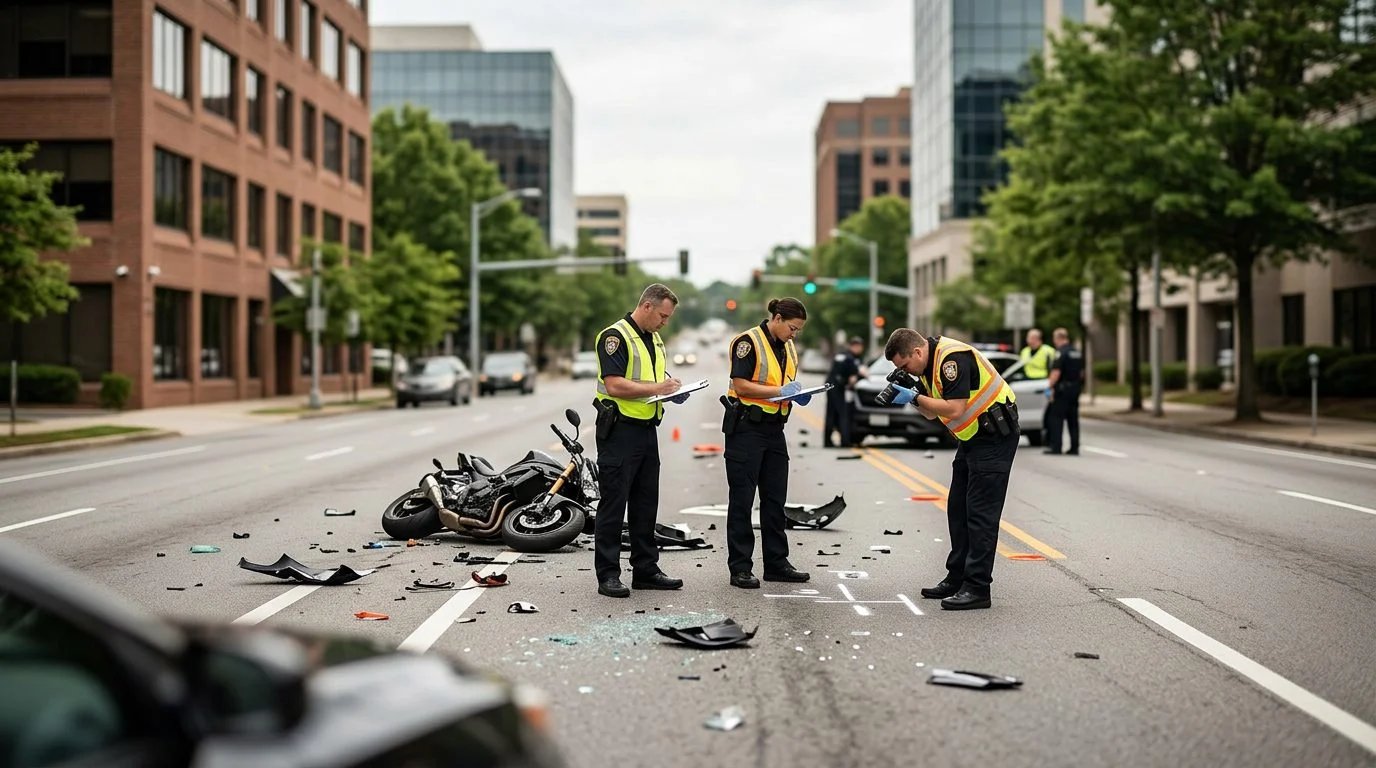
Motorcycle Accidents in Dunwoody
Serious Injuries Demand Serious Legal Help
After a motorcycle crash, you need an attorney who understands your injuries and won't let insurance companies minimize your claim.
By Peter F. Jaraysi · Published September 22, 2026
Motorcycle Accidents in Dunwoody: What to Do Next
Motorcycle accidents in Dunwoody often involve serious injuries because riders lack the protective structure of a car. After a crash, your immediate priorities are medical care, documenting the scene, and protecting your legal claim—and having an attorney early helps ensure you’re not shortchanged by insurance companies.
If you're recovering from a motorcycle crash in Dunwoody and facing medical bills, lost income, or uncertainty about your claim, reach out—we handle these cases regularly and can review your situation at no cost. Talk it through with our team — the first consultation is free, confidential, and carries no obligation.
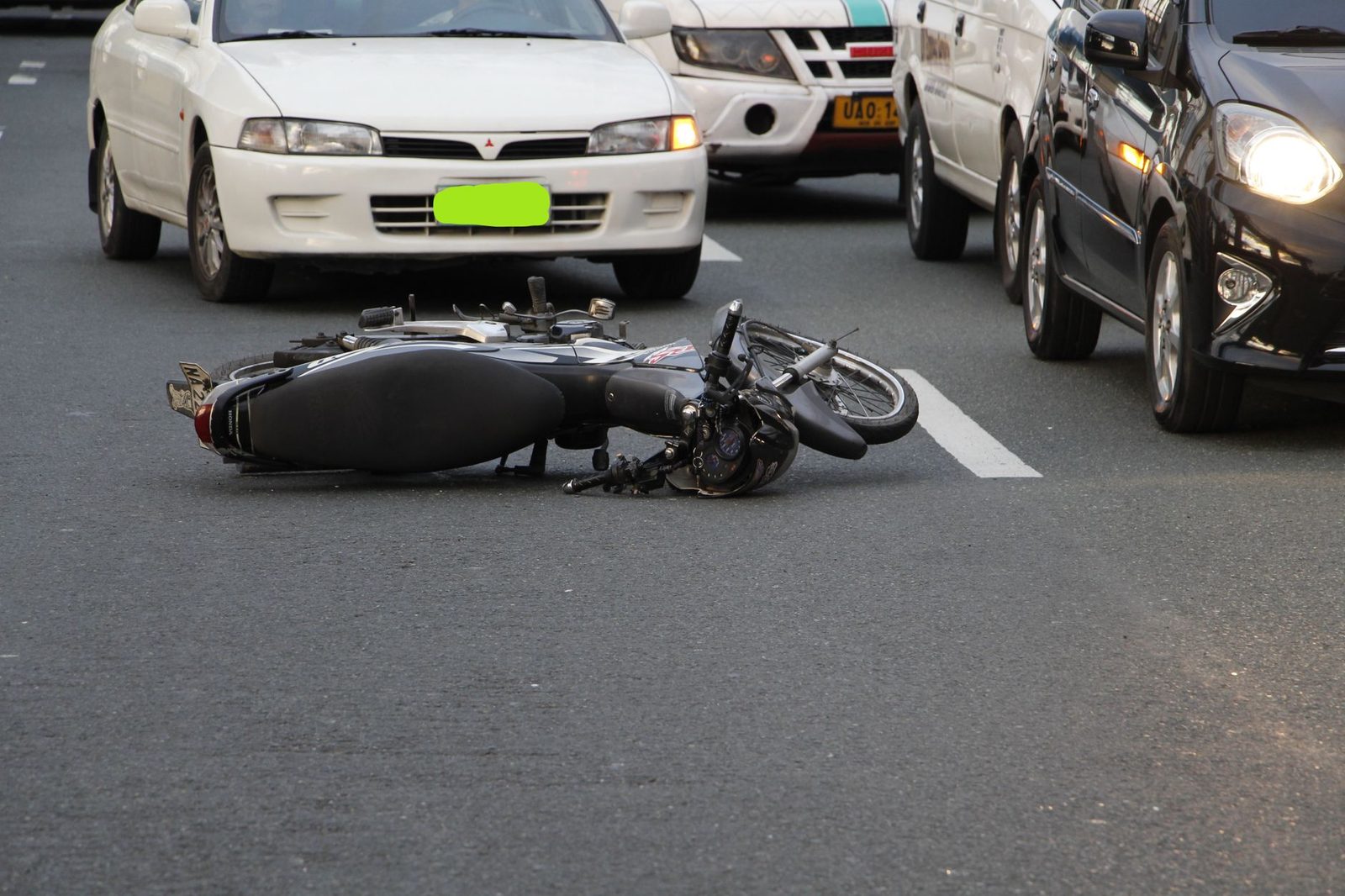
Motorcycle Accidents Happen on Dunwoody Roads—Here’s What You Need to Know
Dunwoody’s mix of residential streets, busy commercial corridors like Perimeter Center Drive and Chamblee-Dunwoody Road, and I-285 access points creates specific accident scenarios that put motorcyclists at heightened risk. Motorcyclists face unique vulnerabilities in traffic: poor visibility from other drivers, sudden road hazards like potholes or gravel, and the physics of a crash that offers no protective shell. Understanding the local road environment and what happens after a motorcycle accident protects both your health and your legal claim.
The consequences are stark. According to the National Center for Statistics and Analysis, motorcyclists are 28 times more likely to be killed in a crash than passenger vehicle occupants. Head injuries, spinal cord damage, road rash, broken bones, and internal injuries are common outcomes. Even crashes that seem minor can hide serious harm—internal bleeding, concussions, and soft-tissue damage may not be obvious for hours or days.
What Happens Right After a Motorcycle Accident in Dunwoody
Your first step is always medical attention, even if you feel okay. Seek emergency care immediately; adrenaline masks pain and serious injuries. Internal injuries, head trauma, and soft-tissue damage may not be immediately obvious but can worsen quickly.
Next, call the Dunwoody Police Department to file an accident report. Get the report number and the names and badge numbers of responding officers—you’ll need this for your insurance claim and any legal action.
Document the scene while details are fresh:
- Photograph vehicle damage, road conditions, traffic signals, weather, and the position of all vehicles involved.
- Collect contact information from witnesses, the other driver, and responding officers.
- Note the date, time, weather, traffic volume, and any road hazards or maintenance issues.
- Do not admit fault or sign anything beyond the police report without legal review.
Notify your insurance company promptly, but keep your statement brief and factual. Do not speculate about what happened or accept blame. Insurance adjusters are trained to minimize payouts; anything you say can be used against you.
Why Motorcycle Accident Claims Are Different
Insurance companies and juries often hold unfounded biases against motorcyclists—assumptions about recklessness or risk-taking that have nothing to do with the actual crash. Skilled legal representation counters these stereotypes and keeps the focus on the facts.
Motorcycle crashes typically cause more severe injuries than car accidents. This means higher medical bills, longer recovery periods, and greater lost income. Your claim must document every injury, treatment, and impact on your life—medical records alone are not enough.
Liability in multi-vehicle accidents or when a vehicle changes lanes into a motorcycle can be complex. Determining fault requires investigation: the police report, witness statements, accident reconstruction, traffic camera footage, and expert analysis. Insurance companies move fast; having an attorney early ensures evidence is preserved and your interests are protected.
Damages calculation is also more involved. You’re entitled to recover medical bills, lost wages, pain and suffering, permanent scarring or disfigurement, and loss of enjoyment of life. Each category must be thoroughly documented and supported.
Common Causes of Motorcycle Accidents in Dunwoody
Left-turn collisions happen when drivers fail to see an oncoming motorcycle or misjudge its speed—a frequent cause of serious crashes. Lane-change crashes occur when vehicles merge into a motorcycle’s lane without checking blind spots. Rear-end impacts strike a stopped or slowing motorcycle from behind. Road hazards like potholes, gravel, and debris on Dunwoody streets catch riders off-guard. Intersection accidents stem from traffic signal violations, failure to yield, or unsafe turns.
Each scenario creates different evidence and liability questions. The Insurance Institute for Highway Safety documents that visibility and road hazards pose distinct risks to motorcyclists, making thorough investigation essential.
Liability and Fault in Dunwoody Motorcycle Accidents
Georgia follows comparative negligence law, which means you may recover damages even if you were partially at fault—as long as you are less than 50% responsible for the crash. Your recovery is reduced by your percentage of fault, but you’re not barred from compensation simply because you share some blame.
Establishing fault requires solid evidence. The police report is a starting point, but it’s not the final word. Witness statements, accident reconstruction by experts, traffic camera footage, and analysis of vehicle damage all build a complete picture. Dunwoody Police and DeKalb County records are public; we obtain and review them to build your case.
Insurance companies investigate quickly and aggressively. Having an attorney early protects your interests, ensures evidence is preserved, and prevents the other side from controlling the narrative.
Not sure what your next step is?
Talk it through with our team — the first consultation is free, confidential, and carries no obligation.
Medical Care and Documentation After a Dunwoody Motorcycle Crash
Seek immediate emergency care, even for seemingly minor injuries. Medical records create the foundation of your claim and establish a clear link between the accident and your injuries.
Follow your doctor’s treatment plan completely. Gaps in treatment can be used against you by insurers to argue your injuries weren’t serious or have resolved. Keep detailed records: medical bills, prescription receipts, therapy notes, and any restrictions on work or daily activity.
Photograph visible injuries and document pain, mobility loss, and emotional impact in writing. Report all symptoms to your healthcare provider, including headaches, numbness, anxiety, or sleep disruption. These details matter when calculating the full scope of your damages.
Insurance and Compensation After a Motorcycle Accident
Georgia requires minimum liability coverage on all vehicles. The at-fault driver’s insurance policy typically covers your damages. If the other driver lacks sufficient insurance, your own uninsured or underinsured motorist coverage may apply.
Compensation includes medical expenses, lost income, pain and suffering, permanent scarring or disfigurement, and loss of enjoyment of life. Insurance adjusters are trained to minimize payouts; an attorney negotiates on your behalf to ensure fair value.
Settlement offers often come quickly—and they’re frequently below what your claim is actually worth. Don’t accept the first offer without legal review. An experienced attorney knows the real value of your case and won’t settle for less.
Why You Need a Motorcycle Accident Attorney in Dunwoody
Insurance companies do not have your interests in mind. They employ adjusters and lawyers to reduce their payout, and they rely on injured people accepting low offers out of desperation or confusion.
An experienced attorney levels the playing field. We investigate thoroughly, negotiate from a position of strength, and handle all communication with insurers so you can focus on recovery. If a fair settlement cannot be reached, we are prepared to take your case to trial.
Our fee structure is straightforward: you pay no attorney fees unless we recover compensation for you. You may still owe case costs—investigation, medical records, expert fees—but we discuss those upfront and work efficiently to keep them reasonable.
The Claims Process: What to Expect
Initial consultation: We review your accident, injuries, and insurance information at no cost. This is your chance to ask questions and understand your options.
Investigation: We gather police reports, medical records, witness statements, and scene evidence. We may hire accident reconstructionists or other experts to strengthen your case.
Demand letter: We send a detailed claim to the at-fault driver’s insurance company with supporting documentation. This letter lays out the facts, your injuries, your damages, and the amount we believe is fair.
Negotiation: We work toward a settlement. Most cases resolve without trial through back-and-forth negotiation with the insurance company.
Litigation: If settlement fails, we file suit and represent you through discovery, mediation, and trial if necessary. We’re ready to fight for you in court.

Dunwoody Motorcycle Accident FAQs
How long do I have to file a motorcycle accident claim in Georgia?
Georgia’s statute of limitations is two years from the date of injury; do not wait to take action.
Can I still recover damages if I was partially at fault for the motorcycle accident?
Yes. Under Georgia’s comparative negligence rule, you can recover as long as you are less than 50% at fault; your recovery is reduced by your percentage of fault.
What if the other driver was uninsured or underinsured?
Your uninsured or underinsured motorist coverage may apply. We investigate all available sources of recovery, including your own policy limits.
What is my motorcycle accident claim worth?
Value depends on injury severity, medical costs, lost wages, and the strength of liability. We provide an honest assessment after a thorough investigation.
How long does a motorcycle accident case take?
Most settle within 6–12 months; complex cases or trials may take longer. We keep you informed every step of the way.
If you’re recovering from a motorcycle crash in Dunwoody and facing medical bills, lost income, or uncertainty about your claim, reach out to Slam Dunk Attorney. We handle these cases regularly and can review your situation at no cost. Request a free consultation today—people in your situation contact us every week, and we’re ready to help.
Act Quickly to Protect Your Claim
Insurance companies move fast. Documenting the scene, gathering witness information, and securing medical records early protects your legal position. An attorney can help ensure nothing is overlooked.
What to Do After a Motorcycle Accident
Seek Medical Care Immediately
Even injuries that seem minor can worsen. Get a full medical evaluation and keep detailed records of all treatment, symptoms, and follow-up care.
Document the Scene
Photograph the accident location, vehicle damage, road conditions, traffic signals, and any visible injuries. Collect contact information from witnesses and the other driver.
Report to Police
File a police report and obtain a copy. This creates an official record that supports your claim.
Contact an Attorney
Before speaking with insurance adjusters, talk to a lawyer. We protect your rights and ensure you're not pressured into an unfair settlement.
Why Motorcycle Accident Claims Are Different
Riders Face Greater Injury Risk
Without a car's protective structure, motorcycle riders often suffer severe injuries—broken bones, road rash, spinal damage, and head trauma. Your claim must reflect the true scope of harm.
Insurance Companies Underestimate Claims
Adjusters may assume rider negligence or downplay injury severity. We push back and ensure your damages are fully valued.
Evidence Matters
Accident reconstruction, medical records, witness statements, and scene photos all strengthen your case. Early documentation is critical.
We Handle the Negotiation
You focus on recovery. We communicate with insurers, handle paperwork, and fight for fair compensation so you're not shortchanged.
Common Motorcycle Accident Scenarios in Dunwoody
Left-Turn Collisions
A vehicle turning left in front of an oncoming motorcycle is a leading cause of serious crashes. The rider often has no time to brake or swerve.
Lane-Change Accidents
Drivers fail to check blind spots and merge into motorcycles. These crashes frequently cause the rider to be thrown from the bike.
Rear-End Impacts
Stopped or slowing motorcycles are hit from behind, often at high speed. The rider may suffer spinal injuries, broken ribs, or head trauma.
Road Hazards
Potholes, gravel, debris, and poor road maintenance create hazards that cars tolerate but motorcycles cannot. Property owners and municipalities may be liable.
How Slam Dunk Attorney Helps
Free Case Review
We listen to your story, explain your options, and answer your questions—no obligation, no cost.
Thorough Investigation
We gather police reports, medical records, witness statements, and scene evidence to build a strong case.
Skilled Negotiation
We know how insurers operate and leverage that knowledge to pursue fair compensation for your injuries and losses.
Transparent Communication
We keep you informed every step of the way and explain what to expect in plain language.