
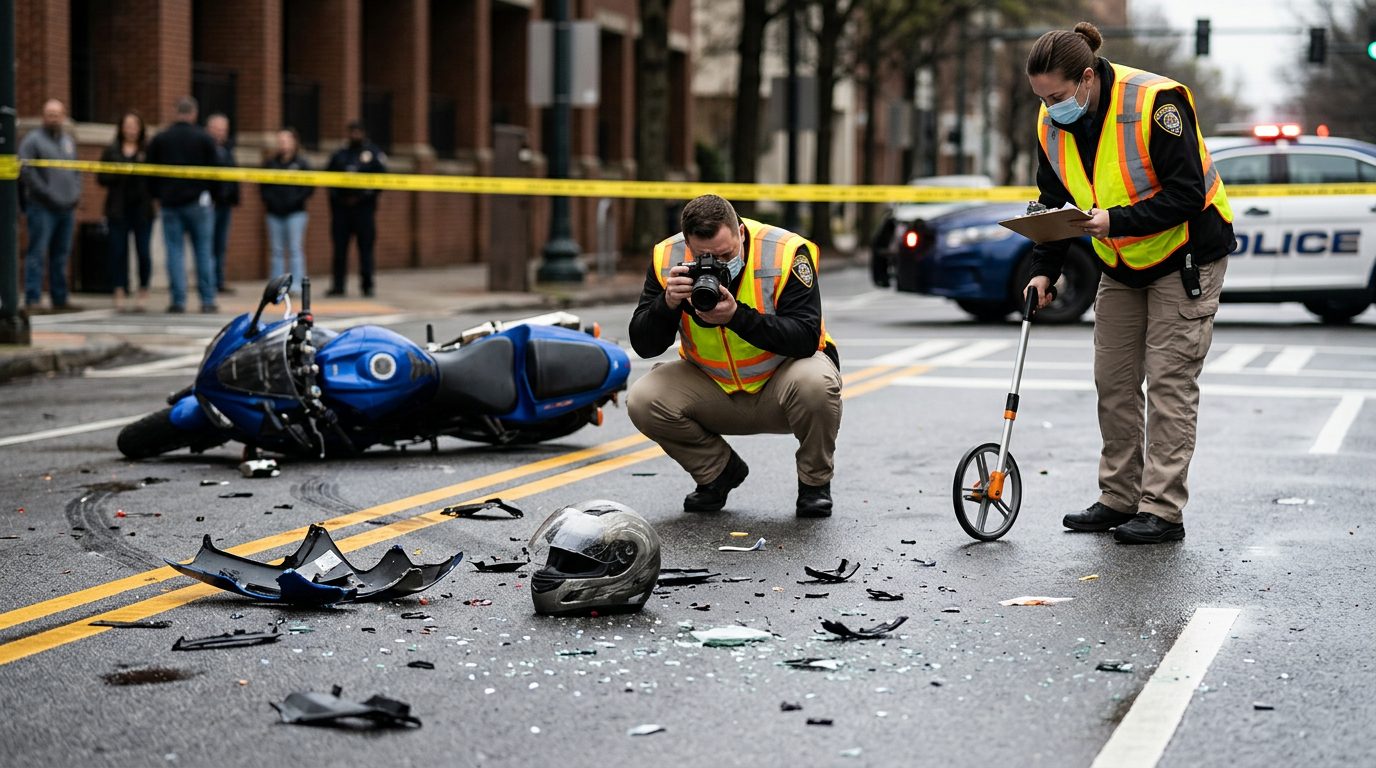
Motorcycle Accidents | Duluth, Georgia
Motorcycle Helmet Laws in Georgia: What Riders Need to Know
By Peter F. Jaraysi · Published October 18, 2026
What are the motorcycle helmet laws in Georgia? Georgia requires motorcycle operators and riders to wear protective headgear that meets state standards. That short answer leaves out details that matter, especially after a crash. This guide explains helmet and eye-protection questions for motorcycle riders in plain language.
What Is Georgia’s Motorcycle Helmet Law?
Georgia’s helmet law says no one may operate or ride on a motorcycle without approved protective headgear. Under O.C.G.A. § 40-6-315, no person may operate or ride upon a motorcycle unless wearing protective headgear that meets standards set by the state’s commissioner of public safety. The words “operate or ride upon” cover the driver and anyone riding with them.
The statute also lists a few exceptions. It does not apply to people riding inside an enclosed cab or a motorized cart. It also does not apply to a three-wheeled motorcycle used only for agricultural purposes.
The core requirement is simple. Questions about motorcycle helmets come up for riders throughout metro Atlanta.
If a motorcycle crash left you or someone you love hurt and unsure how the helmet question matters, our team is glad to talk it through with you. Talk it through with our team — the first consultation is free, confidential, and carries no obligation.
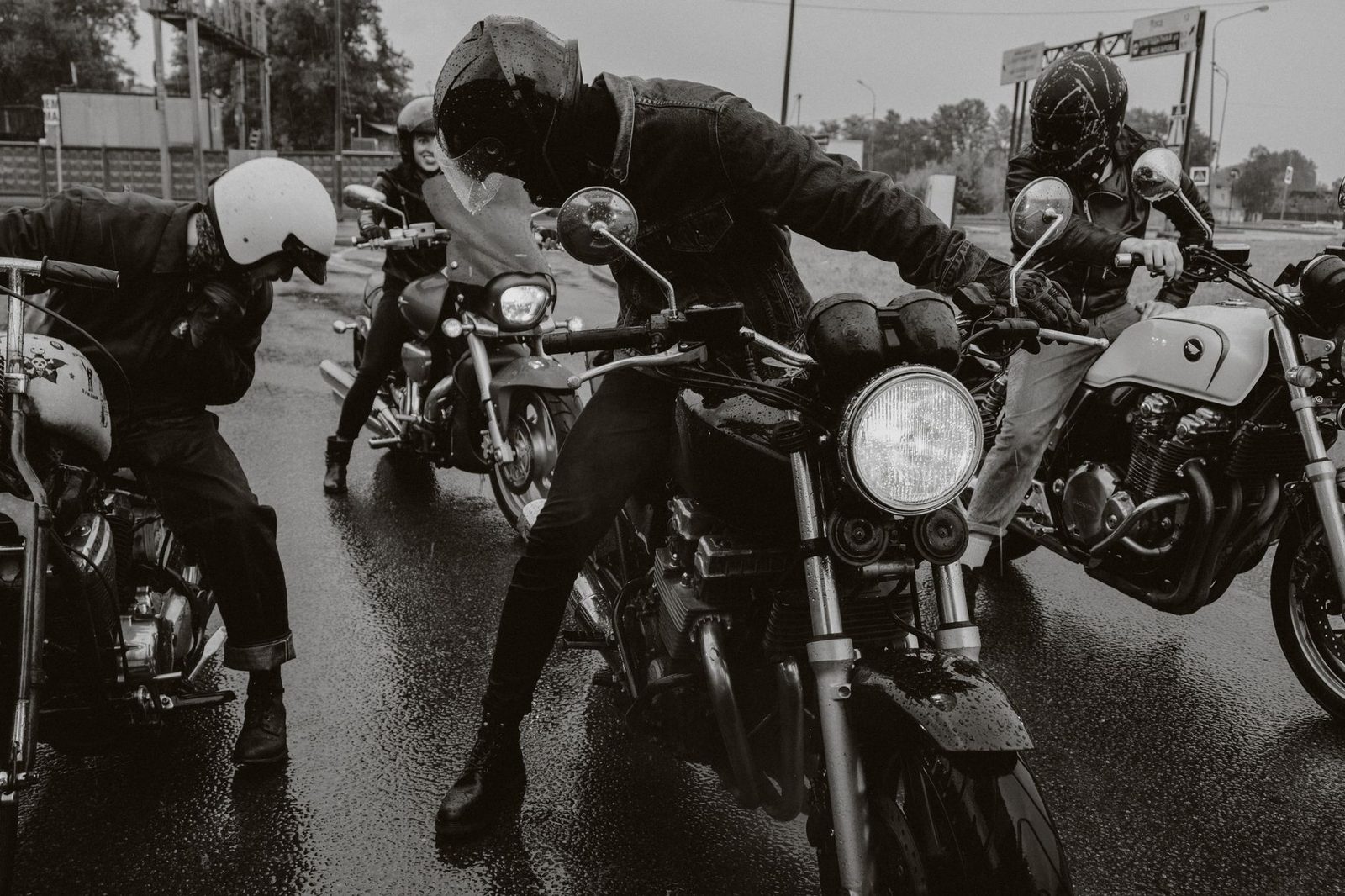
What Type of Helmet Does Georgia Law Require?
Georgia requires headgear that meets the standards the commissioner of public safety sets. The commissioner approves protective headgear and publishes lists of approved items by name and type, as described in O.C.G.A. § 40-6-315. That means the approved standards and lists set the test.
Many riders look for a DOT label when they shop for a helmet. The statute ties the rule to the commissioner’s approved standards, so a helmet should be matched against those standards.
Fit and condition matter too. A helmet that is cracked, badly damaged, or loose on the head may not give the protection it was built to give. Gear that looks fine on the shelf can still fail to fit your head well.
Eye Protection and Other Protective Gear
Georgia requires an approved eye-protective device when a motorcycle has no windshield. Under O.C.G.A. § 40-6-315, a rider on a motorcycle that is not equipped with a windshield must wear an eye-protective device of a type the commissioner approves. Under O.C.G.A. § 40-6-315, subsection (a) addresses protective headgear, and subsection (b) addresses eye-protective devices for a motorcycle that is not equipped with a windshield.
The eye-protection clause turns on the windshield. A motorcycle with a windshield does not trigger that particular requirement. Riders often choose eye protection anyway, for wind, bugs, and road debris.
Gloves, boots, and protective jackets are common choices for riders. They are not what the helmet or eye-protection rules require.
Helmet Rules for Passengers and Operators
Yes, Georgia’s helmet requirement covers passengers as well as the operator. The statute says no person may operate or ride upon a motorcycle without approved headgear. A passenger on the back is covered the same way as the driver. Under O.C.G.A. § 40-6-315, no person may operate or ride upon a motorcycle unless he or she is wearing protective headgear that complies with standards established by the commissioner of public safety.
This point is worth stating clearly. Some riders assume the driver’s helmet covers everyone on the bike. Under the statute, each rider must wear their own approved headgear.
The exceptions listed above still apply. They cover the enclosed cab, the motorized cart, and the agricultural three-wheeler. Those settings do not depend on whether someone is driving or riding along.
How Helmet Non-Use Can Come Up After a Crash
Insurers and other parties sometimes raise helmet non-use when they review a motorcycle injury claim. Whether it matters depends on the facts of the crash and the injuries involved. A helmet question and a fault question are separate issues, and people often mix them up.
Fault is the bigger issue. Under O.C.G.A. § 51-12-33, if the injured person is partly responsible, the judge reduces the damages by that person’s percentage of fault. This is called comparative fault, or shared fault. The same statute says a plaintiff who is 50 percent or more responsible for the injury or damages claimed is not entitled to receive any damages.
That 50 percent line explains why fault percentages matter so much. A helmet question is only one piece of how fault may be assigned. Other facts about the crash can carry just as much weight.
Crash documentation matters too. Georgia uses the Georgia Uniform Vehicle Accident Report for crash reporting, and crash report data is used in resolving legal matters. The Insurance Information Institute explains auto and motorcycle liability insurance in general terms, which helps show how insurance fits into a claim.
Frequently Asked Questions About Georgia Helmet Law
Does Georgia require a helmet for every rider?
Yes. Under O.C.G.A. § 40-6-315, operators and riders must wear protective headgear, with the narrow exceptions the statute lists.
What type of helmet counts under Georgia law?
The headgear must meet standards set by the commissioner of public safety, who approves helmets and publishes approved lists.
Does the helmet rule apply to passengers?
Yes. The statute applies to anyone who rides upon a motorcycle, so passengers need approved headgear too.
Can helmet non-use affect an injury claim?
It can be raised during a claim. The result turns on the crash details, the injuries, and Georgia’s fault rules.
What should I do after a motorcycle crash?
Our motorcycle accident guide covers the first steps after a crash.
Not sure what your next step is?
Talk it through with our team — the first consultation is free, confidential, and carries no obligation.

Talking With Our Team About a Motorcycle Crash
If you were hurt in a motorcycle crash, you may be dealing with pain, a damaged bike, insurance calls, and questions about whether a helmet choice will matter. Those are hard things to face at once.
Slam Dunk Attorney is a personal injury practice in Duluth, Georgia. The practice handles motorcycle accidents, along with car and truck crashes, pedestrian accidents, dog bites, premises liability, and other injury matters. It represents injured people across metro Atlanta and Georgia, including Lawrenceville and Alpharetta. Peter F. Jaraysi is the responsible lawyer. Our team supports the work and can answer questions about your situation.
Our first consultation is free, confidential, and carries no obligation to continue.
If a crash left you or someone you love hurt and unsure how the helmet question matters, contact us here and our team will talk it through with you.
Attorney advertising. Peter F. Jaraysi is the responsible lawyer for this page. Slam Dunk Attorney, Duluth, Georgia. This page gives general information, not legal advice. Every case turns on its own facts, and no outcome is promised.
How We Can Help Riders in Metro Atlanta
Clear answers on the law
We explain Georgia's helmet rules in everyday language so you know what applies to you before you ride.
Careful review of your crash
We look at the crash report, photos, and medical records to understand what happened and what it has meant for you.
Support for you and your family
Our team handles the calls, paperwork, and insurance communication so you can focus on recovery.
Respectful, plain-spoken service
We treat every rider and family with patience and honesty, and we keep you informed at every step.
Before You Talk to an Insurer
Insurance adjusters may ask about your helmet, your speed, and your gear soon after a crash. Those answers can affect your claim, so speak with our team before giving a recorded statement.
Motorcycle Safety Questions, Answered
Who must wear a helmet
Georgia law sets out who must wear protective headgear on a motorcycle. Ask us how the rules apply to your situation.
What counts as approved headgear
Helmets are expected to meet state safety standards. Labels, fit, and condition all matter when you choose one.
After a motorcycle crash
Photos of the scene, your helmet and gear, and your medical records can all help tell the story of what happened.
Talking with our team
Your first consultation is free, confidential, and comes with no obligation to continue.